
Key Takeaways
- Explore historic downtown Issaquah on foot, enjoying shops and cafés
- Visit the Issaquah Salmon Hatchery for seasonal salmon viewing
- Hike Poo Poo Point or Tiger Mountain for expansive mountain views
- Relax at Lake Sammamish State Park or catch a show at Village Theatre
things to do in issaquah include hiking forested trails, visiting a salmon hatchery, and exploring a historic downtown in Washington State. This small city east of Seattle offers an easy mix of outdoor adventures and relaxed local attractions.
Issaquah is in the United States, at the edge of the Cascade foothills and beside Lake Sammamish. You can spend a day on a mountain trail, browse local shops, or watch salmon make their way upstream, then settle in for dinner downtown.
This guide to things to do in issaquah covers the best-known sights and some useful planning details. Check seasonal opening hours and trail conditions before you go, especially if your plans depend on a specific event or outdoor activity.
20 Best Things to Do in Issaquah
Use this quick-reference table to choose activities based on your interests, time, and travel style. Some outdoor stops are free, while attractions and performances may charge admission.
| Experience | Best for | Helpful to know |
|---|---|---|
| Historic Downtown Issaquah | Shops, food, and a relaxed stroll | Wear comfortable shoes for walking between stops |
| Issaquah Salmon Hatchery | Families and wildlife fans | Salmon viewing depends on the season |
| Poo Poo Point | Hikers and wide mountain views | Expect a steep, strenuous climb |
| Lake Sammamish State Park | Picnics, swimming, and easy walks | Day-use parking fees may apply |
| Gilman Village | Shopping and a casual meal | Individual business hours vary |
| Village Theatre | Live entertainment | Check the performance calendar ahead |
Tip 1 – Walk Historic Downtown Issaquah

Front Street is the heart of historic downtown, with independent shops, cafés, restaurants, and older storefronts. It is a pleasant place to explore on foot, especially if you want a slower break between hikes or other outdoor plans.
Allow time to browse rather than treating downtown as a quick photo stop. Business hours can vary, and some shops may close earlier than you expect, particularly on quieter days.
Tip 2 – Browse the shops and cafés at Gilman Village
Gilman Village is a collection of local businesses set in restored historic buildings. You will find specialty shops, places to eat, and inviting spots to take a break. It is a good choice when you want a low-effort outing or a rainy-day change of pace.
It is not a large shopping mall, so check individual shop hours if there is a particular store you hope to visit. Pair it with a meal or a short drive to another Issaquah attraction.
Tip 3 – Visit the Issaquah Salmon Hatchery
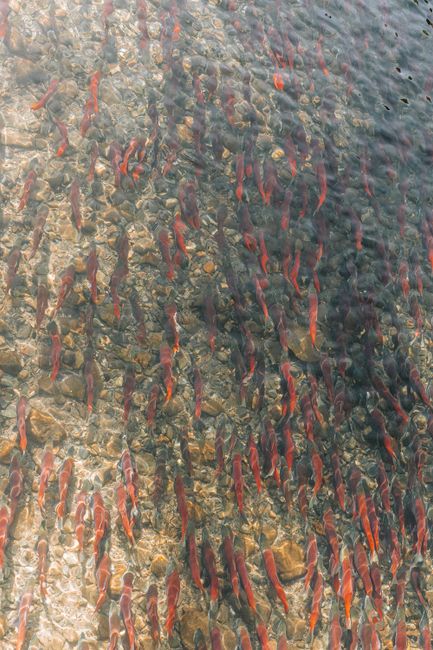
The Issaquah Salmon Hatchery offers a close look at the salmon life cycle and the region’s connection to local waterways. It is a memorable stop for families and anyone curious about Pacific Northwest wildlife.
Salmon activity changes through the year, so a visit in one season may feel very different from a visit in another. Check current access information and seasonal updates from the Issaquah Salmon Hatchery before setting out. Be respectful around the fish and stay in public viewing areas.
Tip 4 – Hike to Poo Poo Point
Poo Poo Point is one of the best-known hiking destinations near Issaquah, with open views across the surrounding hills and, on clear days, toward Mount Rainier. The trail climbs steadily, so plan for a proper workout rather than a casual stroll.
Bring water, shoes with good grip, and a layer for changing weather. Paragliders sometimes launch from the point, but conditions and activity vary. Check a current trail report from the Washington Trails Association’s Poo Poo Point guide before you go.
Tip 5 – Explore Tiger Mountain State Forest
Tiger Mountain has a broad network of trails for different fitness levels, from shorter woodland walks to longer, more demanding hikes. It is a strong option for travelers who want to experience the evergreen forests and foothills that make Issaquah special.
Choose a route that matches your group, and download or save a map before leaving. Cell coverage can be limited on trails. Conditions can be muddy, and daylight hours are short in winter, so plan your return time carefully.
Tip 6 – Spend time at Lake Sammamish State Park
Lake Sammamish State Park is a good place to slow down after a hike. Visitors come for the lake, picnic areas, shoreline, and open spaces. It works well for families and groups who want an outdoor day without committing to a steep trail.
Swimming and water access depend on the season and posted conditions. Review current details, including park hours and fees, through the Washington State Parks page for Lake Sammamish. Bring sun protection in summer and a backup plan for wet weather.
Tip 7 – Look for wildlife and forest paths on Cougar Mountain
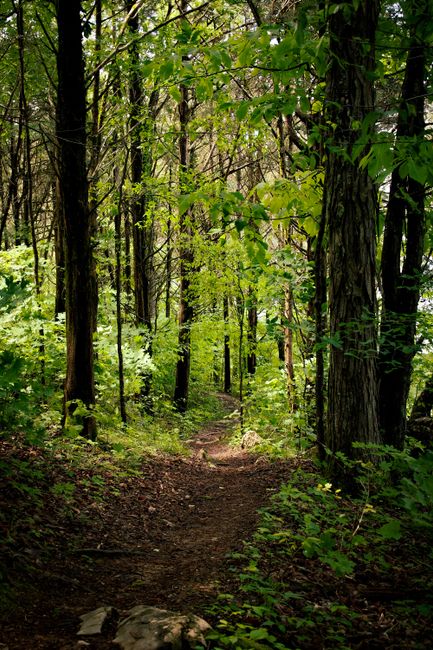
Cougar Mountain Regional Wildland Park has wooded paths, old mining history, and a quieter feel than some of the area’s more popular trailheads. It is a rewarding place to walk if you enjoy forest scenery and do not need a summit view to make a hike worthwhile.
Routes vary in length and difficulty. Check a map before choosing one, and remember that muddy stretches are common in the rainy months. Keep a respectful distance from wildlife and leave the trail as you found it.
Tip 8 – See a show at Village Theatre
Village Theatre is a local performing arts institution with productions that can include musicals and plays. A performance makes a nice evening plan after a day outdoors, particularly if you are staying nearby.
Schedules change by season, and popular shows can sell out. Check the Village Theatre website for the current calendar, ticket details, and venue information before making dinner plans.
Tip 9 – Learn local history at the Issaquah Depot Museum
The Issaquah Depot Museum is a small historic railway depot that helps tell the story of the city’s past. It is an easy stop for history fans and a useful way to add context to a walk around the old downtown area.
Because it is a compact museum, it does not need a large portion of your day. Confirm opening times before visiting, as historic sites may have limited or seasonal hours.
Tip 10 – Visit Cougar Mountain Zoo

Cougar Mountain Zoo is a small zoo and a manageable family outing. It can suit travelers with children who want an activity that feels different from a full day of hiking or time at the lake.
Allow for hills and outdoor paths, and check current hours, admission, and animal information on the zoo’s official site before traveling. It is best to plan this as a dedicated stop rather than assuming it will take only a few minutes.
Tip 11 – Check the calendar for Salmon Days
Issaquah’s Salmon Days festival is a well-known local event, traditionally held in autumn. It celebrates the area’s salmon heritage and brings food, activities, and crowds to town. If your dates are flexible, it can add a lively local experience to a visit.
Festival dates, program details, and arrangements can change from year to year. Check the event’s current information before booking, and expect busier roads and parking during festival hours.
Tip 12 – Try local food and independent coffee shops
Issaquah has a range of casual restaurants, bakeries, cafés, and places for a relaxed meal. Downtown and Gilman Village are useful areas to browse when you want to support local businesses or take a break between activities.
Menus and hours change, so check current listings if you have dietary needs or a specific restaurant in mind. In the United States, tipping is customary at sit-down restaurants. Check the bill to see whether a gratuity has already been added, especially for a larger group.
Tip 13 – Make time for Issaquah’s local arts and history
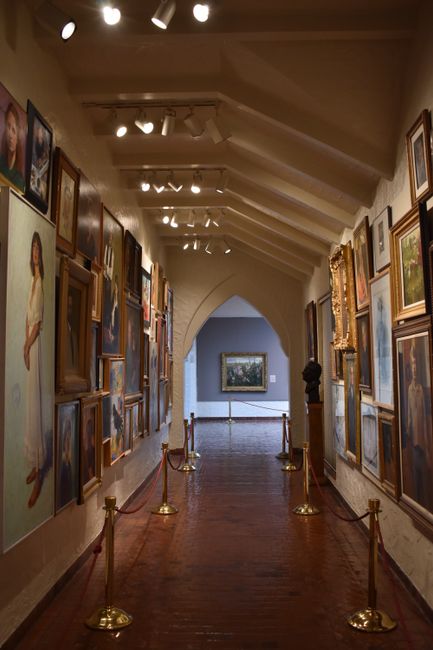
Issaquah’s arts and heritage scene is easy to overlook if you plan only around trails. Look for local exhibits, public art, historic buildings, and performances to get a fuller sense of the community beyond its outdoor reputation.
Check event listings during your travel dates, since smaller exhibitions and community programs may not run every day. For another city-based itinerary, you can also browse this guide to 20 Fun and Best things to do in oak brook.
Tip 14 – Choose an easy outing for families
For a relaxed family day, combine the hatchery, a picnic, and a short walk rather than trying to fit in a long mountain hike. Lake Sammamish State Park and downtown stops can also provide variety without requiring every member of the group to be an experienced hiker.
Bring snacks, water, spare layers, and a simple plan for breaks. Check age guidance and accessibility details at individual attractions, and remember that some trails have uneven ground or steep sections.
Tip 15 – Find budget-friendly things to do in Issaquah
Many outdoor experiences around Issaquah cost little beyond transport and, where applicable, parking. A downtown walk, a self-guided nature outing, and a picnic can make a good low-cost day. Some attractions and performances charge admission, so check prices in advance.
To keep costs predictable, bring a refillable water bottle and snacks, and avoid assuming that every park has free parking. If you plan to visit several paid attractions, compare their current prices and opening hours before deciding what to include.
Tip 16 – Visit in a season that suits your plans
Summer generally brings longer days and more comfortable conditions for hiking and lake visits, but it can also mean more people at popular trailheads. Spring and autumn offer changing scenery and cooler temperatures, while winter often brings rain, muddy paths, and shorter daylight.
Issaquah weather can shift quickly near the foothills. Check the forecast shortly before outdoor activities, and keep a flexible indoor option such as shopping, a museum, or a performance in mind.
Tip 17 – Plan local transport before you arrive
Driving is convenient for reaching trailheads and attractions spread around Issaquah. Buses connect the area with nearby communities and the wider Seattle region, but service frequency and routes depend on the day and time.
Check current routes and schedules with Sound Transit and local transit providers before relying on public transport. There is not a direct light-rail station in central Issaquah, so confirm connections rather than assuming that a train will take you to each stop. Rideshare availability can vary outside busy areas.
Tip 18 – Pack for trails and changing weather
For hikes, pack water, snacks, a charged phone, a downloaded map, and a light rain layer. Sturdy shoes with traction are useful on uneven or muddy trails. In summer, add sun protection; in cooler months, bring warm layers and plan around limited daylight.
Do not rely on a phone signal for navigation or emergency contact in remote areas. Tell someone your route and expected return time for longer hikes, and turn back if weather or trail conditions become uncomfortable.
Tip 19 – Use practical apps and keep emergency details handy
Mapping apps can help with driving and finding businesses, while a transit app or agency website can help you check bus service. For hiking, use a reputable trail source and save route information for offline access before leaving town or a reliable signal.
In the United States, call 911 for an immediate emergency. For a non-urgent issue, ask local authorities or your accommodation for the appropriate contact. Keep your phone charged, and carry your accommodation address in case you need directions back.
Tip 20 – Avoid the most common visitor mistake
The most common mistake is treating Issaquah as if every attraction is a short walk from downtown. The city has a compact historic center, but its parks, trailheads, lake access, and other sights are spread out. A car can make a multi-stop day much easier.
Check distances, parking, trail conditions, and opening hours before setting off. Leave enough time for travel between stops, and do not plan a demanding hike immediately before a timed performance or restaurant reservation.
Visa & Entry Requirements
Issaquah is in the United States, so international visitors must meet U.S. entry requirements. The rules depend on your passport, reason for travel, travel history, and current government policy. A visa or authorization issued for one traveler does not establish the rules for someone with a different passport.
Before booking, check the official U.S. Department of State visa information and the entry guidance from U.S. Customs and Border Protection. Travelers eligible for the Visa Waiver Program may need an approved Electronic System for Travel Authorization, known as ESTA, before travel. Other visitors may need a visa. Confirm the right process for your circumstances through official sources, and allow time for applications or appointments.
Check your passport’s validity requirements and make sure it has any necessary blank pages. Requirements can differ by nationality and travel document, so do not assume that a particular validity period applies to everyone. Confirm how long you may stay and whether the permission you receive matches your planned activities. An airline may also ask to see onward or return travel details.
Keep accommodation information and a clear outline of your trip available in case an airline or border official asks about your plans. Travel insurance is a sensible way to prepare for medical costs or disruptions, but it is not a substitute for checking entry rules. Vaccination recommendations or requirements can change; consult official U.S. government guidance and a qualified travel health professional before departure.
Customs rules apply to items brought into the United States. Declare goods when required, and check restrictions on food, plants, medicines, cash, and other items before packing. Rules can change, and border officials make decisions at entry. Use official government sources for your final checks; this information is general guidance, not legal advice or a guarantee of admission.
Frequently Asked Questions
What are the best things to do in Issaquah for a first visit?
Start with historic downtown, the Issaquah Salmon Hatchery, and a local meal. If you have time and good weather, add Lake Sammamish State Park or a hike suited to your fitness level.
Is Issaquah worth visiting?
Yes, especially if you enjoy forest trails, Pacific Northwest scenery, local history, and a small-town feel within reach of the Seattle area. It may be less appealing if you are looking mainly for a large-city nightlife or major museum scene.
How many days should I spend in Issaquah?
A full day is enough for a few central attractions or one substantial hike. Two days give you more time to combine trails, the lake, local history, and a performance without rushing between locations.
Do I need a car in Issaquah?
A car is helpful for visiting trailheads and attractions spread around the city. Buses serve the area, but check routes and schedules carefully, especially if you are planning to travel early, late, or on a weekend.
What is the best time of year to visit Issaquah?
Summer is popular for longer daylight and outdoor plans. Spring and autumn can be pleasant for cooler hikes and seasonal scenery, while winter is often wet. Check the forecast and current trail conditions for your dates.
Can I visit Issaquah as a day trip from Seattle?
Yes. Issaquah can work as a day trip from Seattle, but allow for travel time and choose a few activities rather than trying to cover everything. A car makes it easier to include a trail or lake visit.
Are there free things to do in Issaquah?
Walking around downtown and exploring many public outdoor areas can be low-cost or free, although some parks may charge for parking and attractions can have admission fees. Check current details before you visit.
Conclusion
The best things to do in issaquah bring together the city’s historic center, salmon heritage, nearby forests, and easy access to Lake Sammamish. You can plan a full day around a challenging hike or keep things gentle with shops, local food, and a short nature visit.
For a smoother trip, check seasonal schedules, weather, transit, and trail conditions in advance. Leave room between activities, pack for changing conditions, and choose a pace that suits your group.
Whether you are visiting from Seattle or staying longer in Washington State, Issaquah is a welcoming place to enjoy the outdoors and get a feel for a smaller Pacific Northwest city.
