
Key Takeaways
- Climb McCaig’s Tower for free panoramic views of Oban Bay and nearby islands.
- Taste fresh seafood at harbour stalls or restaurants and ask for the day's catch.
- Use Oban as a base for island ferries to Mull, Kerrera, Lismore and Iona, planning schedules ahead.
- Pack waterproof gear, sturdy shoes and check weather, ferry times and opening hours before heading out.
things to do in oban range from climbing to a hilltop viewpoint to tasting fresh seafood beside the harbour. This small town on Scotland’s west coast is also a gateway to the islands of Mull, Kerrera and Lismore.
Oban is easy to explore on foot, but ferry trips and nearby castles make it worth staying for more than a quick stop. Its weather can change quickly, and island services are affected by the season, so a little planning helps.
This guide covers the best things to do in Oban, with practical advice on transport, food, family activities, costs and what to book ahead. Oban is in Argyll and Bute, Scotland, which is part of the United Kingdom.
20 things to do in oban
Oban’s harbour and town centre make a good starting point. From there, you can choose a short walk, a local attraction or a full-day island outing.
Tip 1 – Climb to McCaig’s Tower

McCaig’s Tower is Oban’s best-known landmark, standing above the town on Battery Hill. The uphill walk takes around 10 to 15 minutes from the centre, and the views reach across Oban Bay towards the islands on a clear day.
The tower and its gardens are free to visit. Wear shoes with a good grip, as the path is steep in places and can be slippery after rain. Go early or near sunset for quieter views, but check the weather before setting out.
Tip 2 – Watch the ferries from Oban Harbour
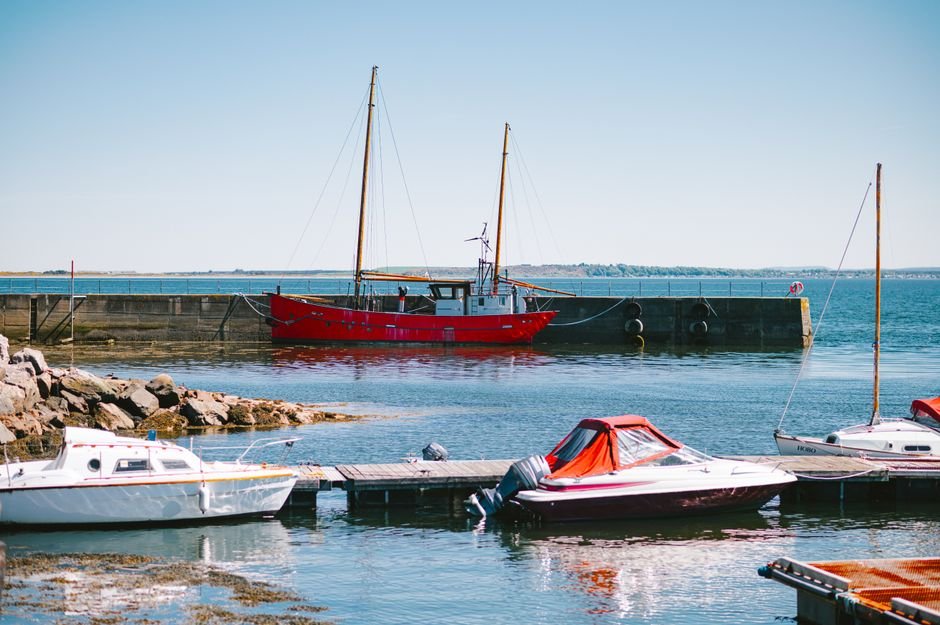
Oban’s harbour is part of the experience, not just a place to catch a boat. Find a spot along the waterfront and watch ferries arrive and depart, with fishing boats and seabirds adding to the scene.
Ferry timetables change by route and season. If you have a sailing to catch, check the operator’s latest information and arrive with time to spare. The CalMac website has route details, timetables and service updates.
Tip 3 – Visit Oban Distillery

Oban Distillery is close to the harbour and offers a look at the town’s long whisky-making tradition. Tours usually need to be booked, and age limits apply to some experiences, so check the distillery’s current details before visiting.
If you do not drink alcohol, you can still enjoy the historic setting and learn how Scotch whisky is made. Book a tour early during busy summer periods. Find visitor information on the Oban Distillery website.
Tip 4 – Try seafood by the waterfront
Oban is known for seafood, including langoustines, scallops, mussels and locally landed fish. Look for a busy seafood stall or restaurant around the harbour and ask what is fresh that day.
Prices vary, and popular places can have queues at lunchtime. If you want a sit-down meal, reserve a table in the evening during summer or on weekends. For a lower-cost option, compare takeaway menus and daily specials.
Tip 5 – Explore Dunollie Museum, Castle and Grounds
Dunollie sits on the coast just north of the town centre. The site brings together castle ruins, a museum and woodland grounds, with views over the water towards the islands.
Allow time to walk around the grounds as well as visit the museum. Opening days and access can vary by season, so check before making the short journey. The paths may be uneven, which can make some areas difficult for visitors with limited mobility.
Tip 6 – Take the foot ferry to Kerrera
Kerrera offers a quieter change of pace close to Oban. The small passenger ferry leaves from Gallanach, south of town, and the island is best explored on foot. Walking routes lead through open countryside and along the coast.
Plan your return sailing before you set off, and bring water, snacks and weatherproof clothing. The walk to Gylen Castle is a popular option, but it takes time and involves uneven terrain. Check ferry times and conditions on the day, as the service is limited compared with a town bus.
Tip 7 – Spend time at Ganavan Sands

Ganavan Sands is a sandy beach north of central Oban, with views across the water. It is a good place for a short walk, a picnic or a relaxed family visit when the weather is kind.
The sea is cold, and conditions can change quickly, so swimming is not suitable for everyone. Check local conditions, keep children close to the water and take any rubbish back with you. You can reach the beach by car or on foot, but allow extra time for the walk.
Tip 8 – Choose a wildlife or coastal boat trip
Boat tours from Oban can offer views of the coastline and chances to spot seals, seabirds and other wildlife. What you see depends on the season, sea conditions and luck, so treat sightings as a possibility rather than a promise.
Compare trip length, departure point and cancellation terms before booking. If you are prone to seasickness, ask the operator about the boat and consider bringing suitable remedies. A warm layer is useful even on a sunny day.
Tip 9 – Plan an island day trip to Mull, Iona or Staffa
Oban is a useful base for visiting the Inner Hebrides. A ferry from Oban crosses to Craignure on the Isle of Mull, and onward travel can connect visitors with Iona or, on some seasonal tours, Staffa.
These trips take planning. Check ferry times, onward transport and tour availability together rather than assuming connections will line up. In peak season, book key parts ahead and keep some flexibility in case of weather or service changes.
Tip 10 – Learn local history at the Oban War and Peace Museum

The Oban War and Peace Museum is a small, central museum with exhibits about the town’s history and local life. It is a handy stop on a rainy day or when you want context before exploring the harbour and surrounding area.
Check its opening hours before visiting, as they can vary. You will not need a full day here, but it pairs well with a walk around the centre and a meal nearby.
Tip 11 – Step inside St Columba’s Cathedral
St Columba’s Cathedral stands near the waterfront and is an impressive example of modern Gothic church architecture. Visitors can take a quiet break inside and appreciate its design and stained glass.
It is an active place of worship, so be considerate if a service is taking place. Check access times locally, and keep your visit calm and respectful.
Tip 12 – Walk up Pulpit Hill
Pulpit Hill is another short uphill walk that rewards you with views across the town and bay. It is less of a formal attraction than McCaig’s Tower, but it can be a pleasant way to stretch your legs between meals or ferry plans.
Paths may be steep, muddy or uneven after rain. Wear sturdy footwear, take your time and avoid setting out in poor visibility if you are unfamiliar with the route.
Tip 13 – Browse George Street and the town centre

George Street and the surrounding centre are good for a relaxed wander between the harbour, cafés and local shops. You will find practical stops for snacks, outdoor gear and souvenirs, as well as places to pause for coffee.
Many independent businesses keep their own hours, especially outside the main summer season. Check opening times if there is a particular shop you want to visit.
Tip 14 – Try a local pub or live music night
Oban has pubs and small venues where you can enjoy a relaxed evening, and live traditional music is sometimes part of the local scene. Ask your accommodation host or a local venue what is on while you are in town.
Events and music nights are not guaranteed every evening, especially in quieter months. If you plan to drink, choose a walkable place to stay or arrange a safe ride back. In Scotland, the legal age for buying alcohol is 18.
Tip 15 – Visit Dunstaffnage Castle and Chapel
Dunstaffnage Castle stands a short drive north of Oban and has a strong position above the water. The castle ruins and nearby chapel offer a rewarding history stop for visitors interested in Scotland’s medieval past.
Check opening information and transport options before you go. Public transport may not take you directly to the entrance, so a taxi or car can be more convenient. Paths and ruins are uneven, so plan accordingly.
Tip 16 – Consider a trip to Lismore
Lismore is a peaceful island in Loch Linnhe with quiet roads, coastal views and a slower pace than Oban. Ferry arrangements vary by departure point and service, so check the route carefully before making plans.
This is a better choice for visitors who enjoy walking and rural scenery than for those looking for a packed list of attractions. Bring food and suitable clothing, and leave enough time to return before the last sailing.
Tip 17 – Walk a section of the coastal path
You do not need to plan a long-distance hike to enjoy walking around Oban. Choose a short coastal stretch or a route through nearby woodland, and enjoy the views at a comfortable pace.
Carry a charged phone, water and a waterproof layer. Paths can be muddy, and daylight hours are short in winter. The Met Office forecast is useful for checking local weather before you head out.
Tip 18 – Make room for a relaxed family day
Families can combine a harbour walk, a short visit to McCaig’s Tower and time at Ganavan Sands. A boat trip can also be memorable for children, but check age guidance, journey length and toilet facilities before booking.
Keep plans flexible in case of rain or ferry changes. Pack snacks and an extra layer, and avoid scheduling several long activities back to back.
Tip 19 – Enjoy Oban on a budget
Some of the best things to do in Oban cost little or nothing. Walk along the waterfront, visit McCaig’s Tower, explore the town centre and enjoy the scenery from public viewpoints.
Island ferries, guided tours and restaurant meals add up quickly. Set a daily budget, check whether a walking route suits your group and compare food options before choosing a waterfront restaurant.
Tip 20 – Catch the light along the waterfront
Take an evening stroll by the harbour when the light softens and the boats return. The waterfront gives you an easy way to enjoy Oban without committing to another ticketed attraction.
Sunset times vary through the year, and coastal weather can change quickly. Bring a warm layer, and stick to well-lit public paths after dark.
Practical travel advice for Oban
Best time to visit Oban
Summer brings longer daylight, more tour options and the busiest visitor season. Spring and early autumn can be quieter, although some attractions and island services may run less often. Winter visits can be atmospheric, but expect shorter days and check opening hours carefully.
Getting around Oban
The town centre, harbour and several main sights are walkable, though the hills can be steep. Local buses and taxis can help with trips beyond the centre. If you are driving, check parking arrangements before arrival, especially during summer.
For onward train travel, check the ScotRail timetable and journey planner. For island trips, check ferry schedules separately and allow time for connections. Do not assume a ferry will wait for a delayed train.
What to pack
- A waterproof jacket and an extra warm layer, even in summer.
- Comfortable shoes with grip for hills, coastal paths and uneven ground.
- A day bag, water bottle and any medication you need.
- A portable phone charger for long walks and island outings.
- Sun protection for bright days, as well as rain gear for changeable weather.
Local customs, safety and useful information
English is widely spoken in Oban. Scotland also has Gaelic-speaking communities, and you may see Gaelic place names on signs. A friendly “hello” or “thank you” is appreciated, but there is no need to speak Gaelic to get around.
Oban is generally straightforward for visitors, but use normal care with valuables and take extra care near the harbour, on wet paths and around cliffs. In an emergency in the UK, call 999 or 112. For non-emergency police matters, call 101. Check current advice and local conditions before remote walks or boat trips.
Useful tools include the CalMac and ScotRail websites or apps for transport updates, and the Met Office for weather forecasts. Download tickets and maps in advance if you expect patchy mobile reception outside town.
The most common tourist mistake in Oban
A common mistake is treating Oban as only a ferry stop and allowing too little time to explore. Another is planning an island day without checking ferry schedules, onward connections and seasonal opening times. Stay at least one night if your schedule allows, and keep a backup plan in case weather affects your trip.
Quick reference for things to do in Oban
| Experience | Best for | Practical note |
|---|---|---|
| McCaig’s Tower | Views and a short walk | Free to visit; expect an uphill path |
| Oban Distillery | Whisky history | Check tour times and book ahead |
| Kerrera | Walking and quiet scenery | Check the limited foot ferry schedule |
| Ganavan Sands | Families and a beach walk | Bring layers and check conditions |
| Mull, Iona or Staffa | Island scenery | Plan ferries and onward travel together |
| Seafood by the harbour | Local food | Ask what is fresh and compare prices |
Visa & Entry Requirements
Oban is in Scotland, which is part of the United Kingdom. Entry rules are set by the UK and depend on the passport you travel with, your reason for visiting and the policies in force at the time of travel. Some visitors need a visa, while others may need an electronic travel authorisation (ETA) or may be able to visit without either. Requirements can change, so do not rely on another traveler’s experience as a rule for your own trip.
Check the UK government’s official visa checker and its current UK border guidance before booking or travelling. These are the best places to confirm the requirements for your passport and circumstances. If your case is not clear, contact the relevant British embassy or consulate. This information is general travel guidance, not legal advice or a guarantee of entry.
Review your passport’s expiry date and condition. Passport-validity rules vary by nationality and circumstance, and some travel documents may need to meet specific conditions. Check that you have any required blank pages, visa or ETA approval, and evidence of your onward or return plans if requested. It can also be useful to carry accommodation details and proof of funds or travel insurance, although border officers decide what evidence is relevant.
Vaccination requirements, customs allowances and rules for bringing food, plants, medicines or other goods into the UK depend on current policy and what you are carrying. Check official guidance before packing, and declare goods when the rules require it. Length of stay also depends on your immigration permission and purpose of travel, so confirm the permitted period rather than assuming every visitor receives the same allowance.
Keep copies of important travel documents somewhere secure, and make sure your insurance covers the activities you plan to do, including any boat trips or outdoor pursuits. Recheck official information shortly before departure, as requirements and transport conditions can change.
Frequently asked questions about things to do in Oban
Is Oban worth visiting?
Yes. Oban has a scenic harbour, historic sites, good seafood and convenient ferry connections to nearby islands. It is especially appealing if you enjoy coastal scenery and do not mind changeable weather.
How many days should I spend in Oban?
One full day is enough to see a few town attractions, but two or three days gives you more time for an island trip or a slower visit. Allow extra time if you are travelling onward by ferry.
What are the best free things to do in Oban?
Walk by the harbour, climb to McCaig’s Tower, browse the town centre and enjoy the views from the waterfront. Ganavan Sands is another low-cost option, though transport there may add a cost.
Can I visit the islands from Oban without a car?
Yes, some trips can be made without a car, including passenger ferry travel and organised tours. Check the ferry route, onward transport and walking distances before you book, as services and connections vary by island and season.
What should I book in advance in Oban?
Book popular distillery tours, accommodation and any guided boat or island trips ahead during summer. Check ferry reservations and current schedules early, particularly if travelling with a vehicle.
What is the most common mistake visitors make?
Trying to fit an island excursion into a tight schedule without checking the return sailing and onward connections. Build in spare time and have a backup plan in case weather or transport changes affect your day.
Conclusion
The best things to do in Oban combine easy town walks with a little time on the water. Start with the harbour and McCaig’s Tower, try local seafood, then choose a nearby beach, historic site or island trip to suit your pace.
Check transport and opening hours before you go, especially if your plans depend on a ferry. Pack for rain as well as sunshine, and leave room in your schedule for a slower afternoon by the waterfront.
If you are exploring Scottish heritage further afield, you may also enjoy this guide to 20 fun and best things to do in Sydney, Nova Scotia, a Cape Breton destination with its own strong Scottish connections.
