
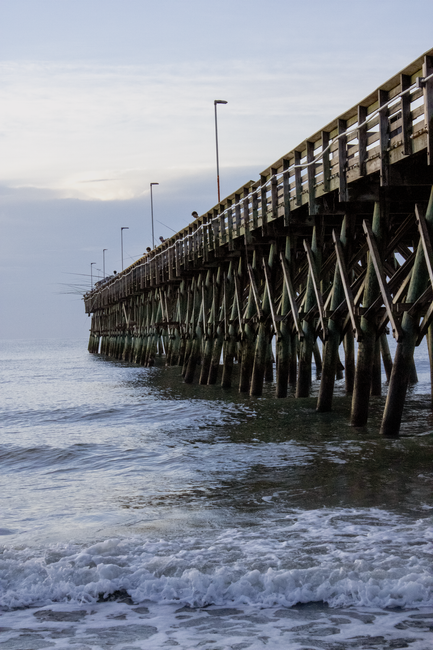
free things to do in virginia beach include sandy Atlantic beaches, a lively oceanfront boardwalk, public art, and peaceful nature trails. This coastal city in Virginia, United States, offers plenty to enjoy without paying for every activity.
Virginia Beach is spread out, so a little planning helps you make the most of a free day. Some attractions cost nothing to enter, but parking, transport, food, and rentals can add to your budget. Check local signs and current opening details before setting out.
For first-time visitors, the Oceanfront is an easy starting point. Beyond it, you can explore quieter spots around Chesapeake Bay, leafy city parks, and the creative ViBe District. This guide focuses on activities that are free to enjoy, with honest notes about possible extra costs.
| Quick detail | What to know |
|---|---|
| Best base for a first visit | The Oceanfront, close to the beach and boardwalk |
| Good free outdoor options | Public beaches, parks, murals, and selected nature areas |
| Getting around | Walk the Oceanfront; use a car or local transit for farther areas |
| Best time for a quieter visit | Spring and fall, with milder weather and fewer peak-season crowds |
| Budget note | Free attractions do not always include free parking or transport |
20 Free Things to Do in Virginia Beach
Tip 1 – Spend time on the Oceanfront beach

The broad public beach beside the Oceanfront is one of the easiest free things to do in Virginia Beach. Walk along the water, relax with a book, or watch the waves from the sand. You do not need to pay an entrance fee to enjoy the public beach.
Bring your own towel, water, and shade if you have them. Chair and umbrella rentals, food, and some parking are extra. Follow posted swimming and safety flags, and keep an eye on changing surf conditions.
Tip 2 – Walk the Virginia Beach Boardwalk
The three-mile boardwalk is a classic way to see the Oceanfront without spending money. Walk or cycle along the paved route, watch the beach scene, and pause at the public benches and ocean views. The route is especially pleasant early in the morning, before summer crowds and heat build.
Rentals, food, and some seasonal attractions along the way cost extra. Keep to the correct lane if you are walking, as cyclists and other wheeled traffic use parts of the boardwalk too.
Tip 3 – See the King Neptune statue at Neptune Park

The large King Neptune statue at Neptune Park is a popular photo stop near the Oceanfront. It stands at the boardwalk beside 31st Street, making it easy to include in a beach walk. The public space around the statue is free to visit.
Come early if you want a clear photo without many people in the background. The nearby beach and boardwalk make this a simple stop rather than an attraction that needs a full day.
Tip 4 – Look for public art along the Oceanfront
Keep an eye out for sculptures and other public art as you walk along the Oceanfront. The best-known works are easy to spot near the boardwalk, including the Neptune statue, but smaller details and installations also appear around the resort area.
Take your time and treat this as an informal outdoor art walk. Displays can change, so do not plan your whole day around a particular piece without checking current local information.
Tip 5 – Visit the Naval Aviation Monument Park
Naval Aviation Monument Park is a small public space near the Oceanfront with sculptures honoring naval aviation. It is a quiet place to stop, read the interpretive details, and look at the surrounding waterfront. A short visit can fit easily between a beach walk and lunch.
There is no need to set aside a long visit. Check current access and any posted rules before you go, especially if you are visiting during an event or a period of construction.
Tip 6 – Catch a sunrise or sunset by the water
A sunrise walk on the Atlantic side is a peaceful way to start the day, while sunset gives you warm light over the Chesapeake Bay side of the city. Both are free, simple experiences, and they can feel very different from the busier middle of the day.
Check the forecast and sunset time before leaving. If you are heading to a quieter beach after dark, stay aware of your surroundings and use a well-lit route back to your accommodation.
Tip 7 – Spend a little time at Mount Trashmore Park

Mount Trashmore Park is a well-known city park with open lawns, walking paths, and views from its grassy hills. It is a good change of pace from the beach and can suit families who want room to stretch their legs or enjoy a picnic.
Bring snacks and a reusable water bottle to keep the outing low-cost. Check park hours and local notices before visiting, and remember that parking or special activities may have different rules on event days.
Tip 8 – Walk the paths at Pleasure House Point Natural Area
Pleasure House Point Natural Area offers a calmer setting of marsh, woodland, and waterways. Its paths are a good place for a quiet walk and wildlife watching, especially if you bring binoculars and move slowly.
Stay on marked paths and avoid disturbing birds or other wildlife. Conditions can be muddy after rain, so wear comfortable shoes. Check the city’s current information for access details before you go.
Tip 9 – Find the Japanese garden at Red Wing Park
Red Wing Park is a leafy place to take a break from the coast. Look for the Japanese garden area and enjoy a slow walk among the plants and paths. It is a pleasant option for visitors who want a quieter, shaded outing away from the main resort strip.
Seasonal blooms vary, and the garden may look different throughout the year. Respect any signs about garden access, and check park hours before making a special trip.
Tip 10 – Explore the ViBe Creative District murals

The ViBe Creative District is a good place to see murals and creative details on an easy self-guided walk. The neighborhood is close to the Oceanfront, but it has a different feel, with independent businesses, studios, and colorful walls to look for as you wander.
Murals and businesses can change, so treat the walk as an opportunity to explore rather than a fixed checklist. Be considerate when taking photos near shops and homes, and remember that purchases are separate from the free art walk.
Tip 11 – Visit the Chesapeake Bay beach at Chic’s Beach
Chic’s Beach, also known as Chesapeake Beach, offers a calmer stretch of water than the Atlantic Oceanfront. It is a nice place to sit by the bay, watch boats, or enjoy a relaxed walk along the shore.
Public access and parking arrangements can vary by location, so check signs carefully and do not block residential driveways. The bay can still have changing water conditions, so keep children close and follow any posted safety advice.
Tip 12 – Take a low-cost walk around Sandbridge
Sandbridge is a quieter coastal area south of the main Oceanfront, with a relaxed residential feel and long stretches of beach. Walking by the shore is free, and the area makes a good change of scene if you are already exploring the southern part of Virginia Beach.
Getting there is less convenient without a car, and parking may cost money or be limited. Check access rules before you go, and bring what you need rather than relying on nearby shops and services.
Tip 13 – Make a picnic stop at a city park

A packed picnic is one of the simplest ways to keep a day out inexpensive. Choose a city park with public green space, bring sandwiches and water, and take a break between walks. Mount Trashmore and other local parks offer room to sit outdoors.
Use bins where available, or take your rubbish with you. Check park rules about grills, alcohol, pets, and opening hours rather than assuming the same rules apply everywhere.
Tip 14 – Browse a local farmers market
Browsing a farmers market can be an enjoyable free outing, even if you decide not to buy anything. Look for seasonal produce, baked goods, and local crafts, and use the visit to get a feel for the city beyond the beach district.
Market dates and locations can change with the season. Check current listings before you travel. Sampling is not guaranteed, and food and drinks for sale are not free, so set a spending limit if you are keeping to a tight budget.
Tip 15 – Check the calendar for free seasonal events
Virginia Beach hosts seasonal public events and outdoor entertainment, with schedules that vary by date and location. These can include music, community celebrations, and activities around the Oceanfront. A free event can add a local experience to a beach day.
Confirm the event details through the official Visit Virginia Beach visitor website before setting out. Some events are free to attend but may involve paid food, reserved seating, or limited-capacity areas.
Tip 16 – Look for free library programs
Virginia Beach Public Library branches offer community spaces and may host free programs, exhibitions, or activities. This is a useful indoor option on a rainy day or during a hot afternoon, particularly for families who need a break from the sun.
Program schedules and registration requirements vary. Check the library’s official listings in advance, as a free event may still require a reservation or have limited spaces.
Tip 17 – Watch birds and wildlife respectfully
Virginia Beach’s beaches, marshes, and parks attract a range of birds and other wildlife. A quiet walk with binoculars can turn an ordinary park visit into a rewarding free activity. Early morning is often a comfortable time to look for wildlife.
Give animals plenty of space, do not feed them, and keep dogs leashed where required. Some protected areas have special access rules, so read signs and check current conditions before entering.
Tip 18 – Explore the Town Center public spaces
Virginia Beach Town Center has public spaces, fountains, and outdoor areas that make for an easy stroll. It is a useful alternative to the coast if you want to see another part of the city or are looking for a change on a rainy or windy day.
Window-shopping is free, but restaurants, shops, and paid events are not. Check event schedules before visiting because a festival or performance may affect parking and pedestrian access.
Tip 19 – Walk around Rudee Inlet
Rudee Inlet sits at the southern end of the Oceanfront and offers a different waterside view, with boats and the inlet channel adding to the scene. It is a pleasant place for a short walk and a look at the working side of the resort area.
Some nearby activities, including boat trips and fishing excursions, cost extra. Stay in public areas, follow posted signs, and avoid walking into restricted marina or working spaces.
Tip 20 – Make a beach day part of a wider coastal trip
If you have more time in Virginia Beach, use a free beach walk as part of a wider coastal itinerary. The city has a different atmosphere from smaller seaside destinations, and comparing the two can help you decide what kind of trip suits you best. For another coastal travel idea, see this guide to 20 Fun and Best things to do in oban.
Keep your plans realistic: Virginia Beach is spread out, and traveling between the Oceanfront, Sandbridge, and inland parks takes time. Choose a few nearby activities rather than trying to cover the whole city in one day.
Practical Advice for a Budget-Friendly Visit
When to visit
Summer brings warm beach weather and the largest crowds, especially around the Oceanfront. Spring and fall can be more comfortable for walking, with fewer peak-season visitors, although weather and swimming conditions vary. Winter is quieter, but expect cooler winds and fewer seasonal events.
Getting around
The Oceanfront is easiest to explore on foot. For areas farther away, such as Sandbridge or inland parks, a car can save time. Hampton Roads Transit operates local services; check routes and schedules on the Hampton Roads Transit website before relying on a bus for a tight itinerary.
Do not assume that a free beach or park also has free parking. Check posted signs, seasonal restrictions, and payment rules. If you are staying at the Oceanfront, grouping nearby activities together can help reduce transport costs.
Food, drinks, and packing
Restaurants and bars around the Oceanfront can be more expensive than options farther from the beach. Bring a refillable water bottle, sun protection, a light layer for breezy evenings, and snacks if your accommodation allows it. A picnic can make a free park visit more affordable.
Pack comfortable walking shoes, swimwear, and a small bag for rubbish. Sunscreen and a hat are useful even on cloudy days. Check the forecast before leaving, as coastal weather can change quickly.
Bookings, useful information, and safety
You usually do not need to book public beaches or ordinary park walks, but free events and library programs may require registration. Check official event and park information before traveling across town. For changing local weather, consult the National Weather Service forecast for the region.
Use a map app to compare walking, driving, and transit routes, and download useful details before heading to areas with limited signal. Follow lifeguard instructions and beach flags. In the United States, call 911 for an immediate emergency. Keep valuables out of sight in parked cars and use well-lit routes at night.
Local customs and the most common planning mistake
English is the main language. A friendly “hello” or “thanks” is all you need, and you may hear “y’all” in casual conversation. Tipping is customary at many sit-down restaurants in the United States, but it is not part of a free outing unless you choose to buy a meal or service.
A common mistake is treating Virginia Beach as one compact resort. The Oceanfront, Chesapeake Bay, Sandbridge, and inland parks are spread out, and parking can be costly or restricted. Check distances before you go and build your day around one area at a time.
Visa & Entry Requirements
Virginia Beach is in the United States, so international visitors need to meet U.S. entry requirements. The rules depend on your passport, travel purpose, length of stay, and current government policy. They can change, so confirm them with an official U.S. government source before booking or traveling. The U.S. Department of State provides information on U.S. visas, and eligible travelers should check the official ESTA website for electronic travel authorization details.
Check that your passport is valid for the period required for your circumstances and has any necessary blank pages. Passport-validity rules are not identical for every traveler. Find out whether you need a visa or an electronic travel authorization, and apply through the official process well before your trip. Do not assume that authorization to travel guarantees admission at the border.
Depending on your situation, officials or carriers may ask about your return or onward travel, accommodation, and reason for visiting. Keep relevant booking details accessible. Travel insurance is not a substitute for entry permission, but it may help with unexpected medical or travel costs. Vaccination and health requirements can also change, so check current U.S. government guidance before departure rather than relying on old advice.
Customs rules apply to items brought into the United States. Review current guidance from U.S. Customs and Border Protection, and declare items when required. Rules for food, plants, medicines, cash, and other goods can differ, so check the guidance for the items you plan to carry. These details are general travel information, not legal advice. Your passport and circumstances determine which rules apply, so use official government information for your final checks.
Frequently Asked Questions
What are the best free things to do in Virginia Beach?
Start with the public beach and boardwalk, then add Neptune Park, a walk through the ViBe Creative District, or a visit to a city park. The best choice depends on whether you want a beach day, public art, or a quieter nature break.
Can you visit the beach in Virginia Beach for free?
You can enjoy the public beaches without paying an entrance fee. Parking, beach equipment rentals, food, and some nearby activities can cost extra, so check local signs and bring what you need.
Is Virginia Beach easy to explore without a car?
The Oceanfront is walkable, and local transit can help with some trips. However, the city covers a large area, and reaching places such as Sandbridge or inland parks may take longer without a car. Check current transit routes before planning your day.
What can families do for free in Virginia Beach?
Families can spend time on the public beach, walk the boardwalk, visit Neptune Park, explore a city park, or look for free library programs. Bring water, sun protection, and snacks, and check park rules and event listings in advance.
When is the best time to find free things to do in Virginia Beach?
Public beaches, parks, and walking routes are available in different seasons, but the experience changes with the weather. Spring and fall can be comfortable for outdoor walks, while summer has more beach activity and crowds. Check seasonal opening details and the forecast.
Are free things to do in Virginia Beach really free?
Many public spaces have no entrance charge, but extra costs can include parking, transport, equipment, food, and special events. Check current rules for each location so you can plan your budget accurately.
Conclusion
There are plenty of free things to do in Virginia Beach, from a simple walk on the sand to exploring public art, parks, and waterfront neighborhoods. You can build a satisfying day around public spaces without paying for a major attraction.
Plan around the city’s size, check parking and transit details, and bring water and sun protection. With a little preparation, Virginia Beach can be an enjoyable coastal destination for first-time visitors and budget-conscious travelers alike.
