
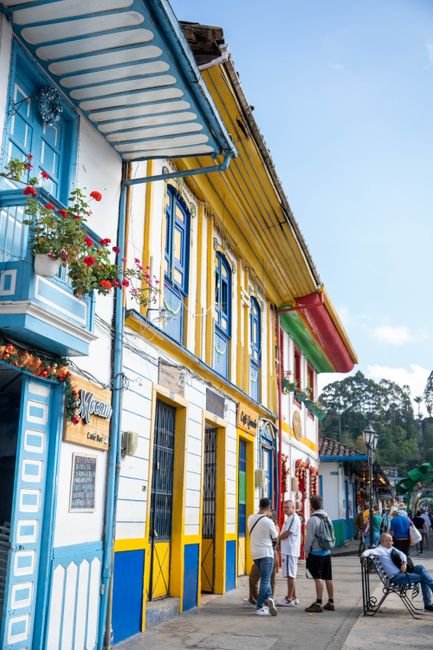
Key Takeaways
- Walk the historic center and Zócalo to enjoy colonial architecture and lively street scenes
- Visit Santo Domingo church and the Museo de las Culturas for art and archaeology
- Take day trips to Monte Albán, Mitla, Teotitlán del Valle, and the Tule Tree
- Taste Oaxacan specialties at Mercado 20 de Noviembre and try mezcal in local tasting rooms
things to do in oaxaca city range from exploring a UNESCO-listed historic center to tasting mole and taking a day trip to ancient Zapotec ruins. Oaxaca City, officially Oaxaca de Juárez, is the capital of Oaxaca state in southern Mexico and a rewarding place to visit at a relaxed pace.
The city is known for its colorful streets, Indigenous cultures, lively markets, traditional crafts, and distinctive food. Many highlights are close together in the center, but the surrounding valleys offer worthwhile excursions if you have extra time.
This guide covers what to see, where to eat, how to get around, and what to know before you go. Oaxaca City sits at a high elevation, and its cobbled streets and sunny days can make a little planning useful, especially for first-time visitors.
20 Things to Do in Oaxaca City
Tip 1 – Explore the historic center on foot
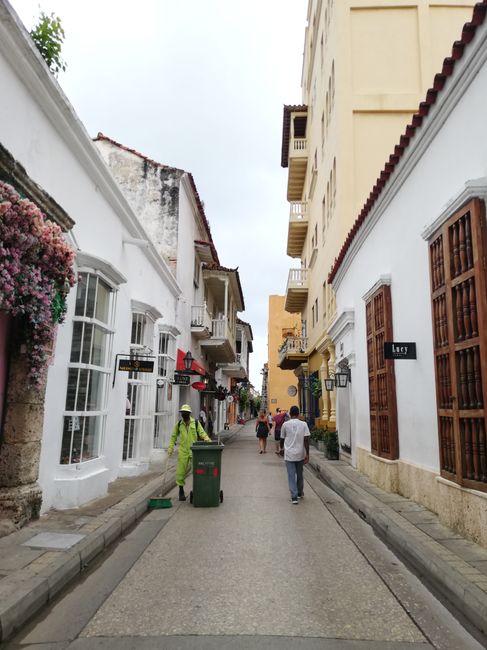
Start in the Centro Histórico, where pedestrian-friendly streets lead past colonial buildings, small galleries, courtyards, and cafés. The city’s historic center is part of a UNESCO World Heritage listing alongside the nearby archaeological site of Monte Albán. Give yourself time to wander rather than trying to see every landmark in one go.
Wear comfortable shoes with good grip. Stone pavements can be uneven, and the midday sun is strong. For background on the heritage designation, see the UNESCO page for Oaxaca and Monte Albán.
Tip 2 – Visit Santo Domingo de Guzmán and its cultural museum
The Templo de Santo Domingo is one of Oaxaca City’s best-known landmarks. Its elaborate interior is worth seeing even if you are not usually drawn to churches. Next door, the Museo de las Culturas de Oaxaca presents archaeological finds and regional history in the former convent rooms.
Opening hours and access can change for religious services, restoration, or special events, so check locally before setting aside a specific time. Allow a couple of hours if you want to visit both the church and museum without rushing.
Tip 3 – See Monte Albán, the ancient Zapotec city
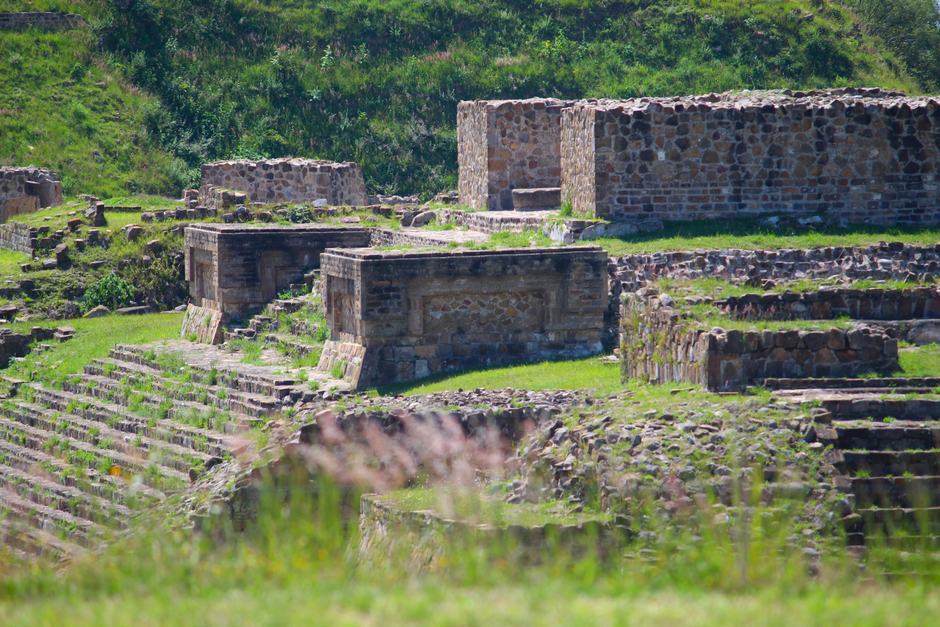
Monte Albán sits on a hilltop above the valleys outside Oaxaca City. Its plazas, carved stone monuments, and broad views make it one of the most memorable day trips in the region. Go early to avoid the hottest part of the day, and bring water, sun protection, and shoes suitable for uneven ground.
You can visit with a tour or arrange transport independently. Check current access details with Mexico’s National Institute of Anthropology and History (INAH). The site involves a fair amount of walking and is not fully accessible for visitors with limited mobility.
Tip 4 – Browse Mercado Benito Juárez
Mercado Benito Juárez is a lively place to look for local snacks, dried chiles, woven goods, and everyday essentials. It can feel busy, especially around lunchtime, but that is part of the experience. Walk through once to get your bearings before deciding what to buy.
Carry small bills, ask before taking close-up photographs of people or their stalls, and keep your belongings secure in crowds. For food, choose a stand with steady local traffic and freshly prepared dishes.
Tip 5 – Try the food at Mercado 20 de Noviembre
At Mercado 20 de Noviembre, follow the aromas toward stalls serving grilled meats, soups, and regional favorites. The market is famous for its pasillo de humo, a smoky corridor where cooks grill meat to order. It can be crowded and smoky, so it may not suit everyone, but it is a memorable lunch stop.
Look for tlayudas, memelas, and seasonal dishes as well as grilled meat. If you have dietary restrictions, ask what is in a dish before ordering. A few simple phrases or a translation app can help.
Tip 6 – Taste Oaxaca’s signature dishes
Food is a major reason many travelers visit Oaxaca City. Try a tlayuda, a large toasted tortilla with beans and other toppings, and sample different kinds of mole if you have the chance. Other local favorites include tamales wrapped in banana leaves, empanadas, and hot chocolate made with local cacao.
Menus may describe a dish differently from what you expect, and recipes vary by cook. Ask for a small serving or share plates if you want to taste several things. If you are sensitive to spice, say “sin picante, por favor” and confirm whether a sauce is served separately.
Tip 7 – Visit a mezcal tasting room or palenque
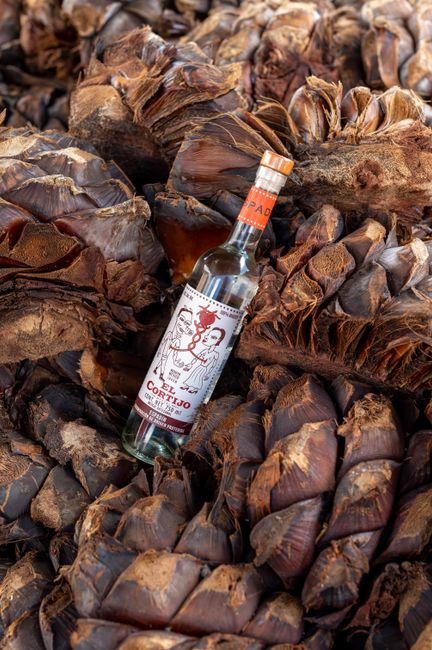
Mezcal is closely associated with Oaxaca, and tasting it with a knowledgeable host can explain how different agaves and production methods shape the flavor. In town, choose a reputable tasting room that describes its bottles and pours modest samples. You do not need to drink alcohol to enjoy the conversation or try a non-alcoholic drink.
For a distillery visit, look for a guided trip to a palenque in the surrounding region. Distances and road conditions vary, so confirm what transport is included and how long the outing lasts. Drink slowly, eat beforehand, and never feel pressured to finish a pour.
Tip 8 – Walk the Zócalo and nearby pedestrian streets
The Zócalo, or main plaza, is a natural place to pause between sights. You will often find families, street vendors, musicians, and people meeting under the trees. Nearby Andador Turístico connects the plaza with Santo Domingo and has shops, cafés, and galleries along the way.
Expect a lively atmosphere and occasional street activity. If you prefer a quieter visit, come earlier in the day. Take care when crossing streets, as vehicles and pedestrians share some busy areas.
Tip 9 – Discover local art and crafts
Oaxaca City has independent galleries, craft shops, and cultural spaces showcasing work from across the state. You may find textiles, ceramics, wood carvings, prints, and contemporary art. Take time to ask where an item was made and whether the maker receives a fair share of the sale.
Prices vary, and handmade work can take considerable time to produce. If you want to bargain, do so politely and avoid pushing for a very low price. Buying directly from a cooperative or artisan-run shop can make it easier to understand the story behind a piece.
Tip 10 – Take a day trip to the artisan village of Teotitlán del Valle
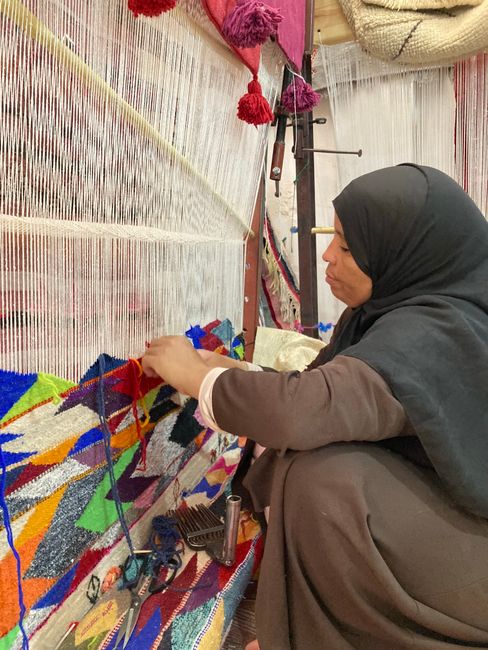
Teotitlán del Valle is known for woven rugs and other textiles. A visit can give you a closer look at weaving traditions, natural dyes, and the work behind finished pieces. Some family workshops welcome visitors, but it is considerate to ask before entering or taking photographs.
The village is outside the city, so plan transport in advance or join a small-group excursion. Many tours combine it with other Valley of Oaxaca stops. If shopping, ask about materials, care, and shipping before making a large purchase.
Tip 11 – See the trees and ruins at Mitla
The archaeological site of Mitla is known for its geometric stone mosaics, a distinctive feature of its architecture. The town is a longer outing from Oaxaca City than Monte Albán, and it is often paired with other attractions in the eastern valleys. Give the ruins enough time instead of treating them as a quick photo stop.
Check site access and transport before you leave. A guide can help explain the history and design, but you can also visit independently if you have researched the site. Bring water and sun protection for the open areas.
Tip 12 – Visit the Tule Tree
Santa María del Tule is home to a famous Montezuma cypress with an exceptionally broad trunk. The tree is an easy addition to a day trip east of Oaxaca City and can be a good choice for families or travelers wanting a gentler outing than a long archaeological-site visit.
It is a short visit for many people, so combine it with a nearby village, market, or craft workshop if you have a full day available. Confirm transport back to the city rather than assuming rides will be easy to find at any hour.
Tip 13 – Take a cooking class or market tour
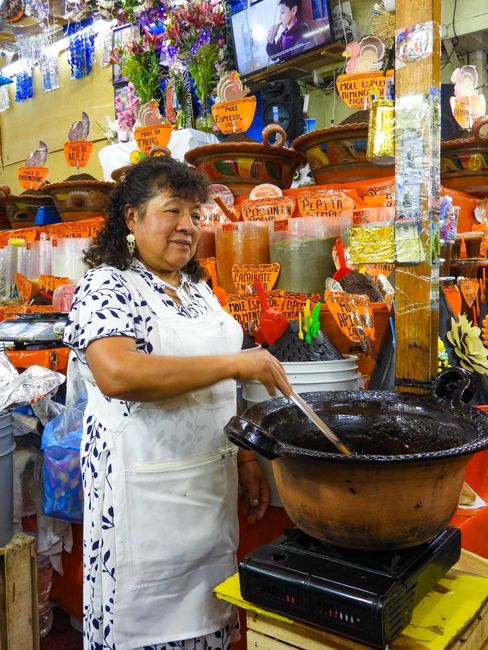
A cooking class is a practical way to learn about local ingredients and dishes beyond what you can pick up from a menu. Some classes include a market visit, while others focus on preparing a particular meal. Check the class language, duration, group size, and whether the price includes ingredients before booking.
Ask in advance if the host can accommodate allergies or dietary needs. If you would rather explore at your own pace, a guided market walk can be a shorter alternative.
Tip 14 – Find a calm moment in the Jardín Etnobotánico
The Jardín Etnobotánico de Oaxaca highlights plants from the state’s varied landscapes. It offers a quieter break from the busy center and helps put Oaxaca’s food, building materials, and local traditions into a wider context. Visits may be guided or limited to set times, so check current arrangements before you go.
Respect the garden rules and stay on marked paths. If you cannot join a tour in your preferred language, ask whether another time or language is available.
Tip 15 – Visit a neighborhood beyond the main tourist streets
Areas such as Jalatlaco are popular for their colorful streets, cafés, and relaxed atmosphere. They are close enough to reach from the center on foot, though walking times depend on where you are staying. Go during daylight for a first visit and remember that residential streets are people’s homes, not just photo backdrops.
For a broader city break, it can be useful to compare different kinds of destinations and travel styles. If you are also planning a heritage-town visit elsewhere, see this guide to 20 Fun and Best things to do in columbia ca.
Tip 16 – Plan around festivals and the seasons
Oaxaca City has cultural events throughout the year, including the Guelaguetza celebrations in July and the Day of the Dead period in late October and early November. These can be special times to visit, but they also bring larger crowds, higher demand, and busy transport. Book accommodation early if your dates are fixed.
The dry season is generally popular for sightseeing, while the rainy season can bring afternoon showers. Weather varies, so check a current forecast and keep plans flexible. Festival dates and event details can change from year to year.
Tip 17 – Use taxis and local transport thoughtfully
The central attractions are walkable, but taxis are useful for longer distances, late evenings, or trips to places outside town. Agree on the fare before setting off if the taxi does not use a meter. For airport journeys, use the official taxi counter or another clearly authorized service rather than accepting unsolicited offers.
Shared vans and buses may be useful for regional travel, but routes and departure points can be confusing to newcomers. Ask your accommodation for current local advice. For flights, check your airline and the Oaxaca airport information page for airport details and services.
Tip 18 – Choose a base that suits your plans
Staying in or near the historic center makes it easier to walk to restaurants, markets, and major sights. Jalatlaco offers a quieter neighborhood feel within reach of the center, while lodging farther out may offer more space but require extra transport planning.
Check whether your room faces a busy street, whether stairs are involved, and what is included in the rate. During major festivals, quieter areas can still be affected by increased citywide demand.
Tip 19 – Stay safe, comfortable, and prepared
Oaxaca City is a popular visitor destination, but ordinary city precautions still matter. Keep valuables out of sight, use well-lit routes after dark, and arrange a trusted ride if you are unsure about the walk back. Keep a note of your accommodation address and local emergency contact details.
The city is at a high elevation, around 1,550 meters above sea level. Some visitors feel tired or short of breath on arrival, especially when walking uphill. Take it easy on your first day, drink water, and carry sun protection. Pack layers for cooler evenings and comfortable shoes for cobbled streets.
Save offline maps before you go and use a translation app when needed. If you need emergency help in Mexico, 911 is the national emergency number. Ask your accommodation for the best nearby medical service and keep your travel insurance details accessible.
Tip 20 – Learn a few phrases and avoid the common tourist mistake
A little Spanish can make everyday interactions easier. Try “buenos días” for good morning, “por favor” for please, “gracias” for thank you, and “¿Cuánto cuesta?” to ask how much something costs. Oaxaca is also home to many Indigenous languages, including Zapotec and Mixtec, so Spanish is not everyone’s first language.
A common mistake is trying to squeeze Monte Albán, several villages, markets, and museums into one day. The distances add up, and rushing leaves little time to enjoy the city. Choose one or two main priorities each day, check opening times, and leave room for meals and unplanned discoveries.
Quick Reference for Oaxaca City
| Trip detail | What to know |
|---|---|
| Destination | Oaxaca de Juárez, Oaxaca state, Mexico |
| Best for | Food, history, crafts, markets, and cultural day trips |
| Getting around | Walk in the center; use taxis or organized transport for longer trips |
| Useful day trips | Monte Albán, Mitla, Santa María del Tule, and Teotitlán del Valle |
| What to pack | Comfortable walking shoes, sun protection, water bottle, and a light layer |
| Busy periods | Guelaguetza in July and Day of the Dead in late October and early November |
| Useful phrase | “Por favor” means “please” in Spanish |
Practical Travel Information
Visa & Entry Requirements
Oaxaca City is in Mexico, and entry requirements depend on the passport you travel with and the rules in force when you arrive. Visa exemptions, permitted visit lengths, electronic authorizations, and other entry conditions are not the same for every traveler. Do not assume that a rule applying to one nationality also applies to yours.
Before booking, check Mexico’s official immigration information and the Mexican embassy or consulate responsible for your place of residence. The National Institute of Migration (INM) is Mexico’s immigration authority. Use official government guidance for the latest instructions, and contact an embassy or consulate if your circumstances are unclear.
Check your passport’s expiry date and condition, and make sure you have any required blank pages. Confirm whether you need a visa or an electronic travel authorization, how long you may stay, and whether you must complete an arrival form or other procedure. Rules can also depend on how you enter Mexico and your purpose of travel.
Some travelers may be asked to show a return or onward ticket, details of accommodation, or evidence that they can support their stay. Requirements and enforcement can vary, so keep useful booking information accessible. Travel insurance is a sensible precaution for medical care, trip disruption, or lost belongings, even when it is not an entry requirement.
Vaccination recommendations and health measures can change with current government policy and your travel history. Check official public-health advice before departure. Mexico also has customs rules for items brought into the country, including restricted goods and declaration requirements. Review current customs guidance rather than carrying items based on assumptions or advice from an old travel forum.
Keep copies of important documents separately from your passport and store digital copies securely. These checks are practical preparation, not legal advice or a guarantee of entry. The immigration officer makes the final decision at the border, so rely on current official guidance for your specific passport and travel plans.
Frequently Asked Questions About Things to Do in Oaxaca City
How many days should I spend in Oaxaca City?
Three full days is a good starting point for the historic center, markets, museums, and a day trip such as Monte Albán. With four or five days, you can add a village visit or cooking class without making every day feel rushed.
Is Oaxaca City walkable?
The historic center is very walkable, and many restaurants, markets, and major sights are close together. Expect uneven paving and some hills. For day trips and destinations farther from the center, arrange transport in advance or use a reputable local service.
What is Oaxaca City best known for?
Oaxaca City is known for its food, mezcal, historic architecture, markets, crafts, and cultural traditions. It is also a useful base for visiting Monte Albán and towns in the surrounding valleys.
When is the best time to visit Oaxaca City?
Many visitors prefer the drier months for sightseeing, but the best timing depends on your plans. July brings Guelaguetza events, and late October to early November is a popular time for Day of the Dead traditions. These periods can be busy, so arrange accommodation early.
Is Oaxaca City suitable for families?
Yes. Families can enjoy the central plazas, markets, gardens, and manageable day trips. Plan breaks from the sun, keep walking distances realistic, and check whether a museum or tour is suitable for your children’s ages and mobility needs.
What should I eat in Oaxaca City?
Try tlayudas, memelas, tamales, mole, and hot chocolate. Food stalls and markets offer many choices, but ingredients and spice levels vary. Ask about allergens and sauces, and choose busy vendors with freshly prepared food.
Do I need to book tours in advance?
For popular festival dates, small-group experiences, and tours with limited departures, booking ahead is helpful. You can often make flexible plans for ordinary sightseeing, but confirm transport and opening arrangements for archaeological sites and village visits.
Conclusion: Enjoy the Best Things to Do in Oaxaca City
The best things to do in Oaxaca City mix major landmarks with ordinary moments: an unhurried market lunch, a walk through Jalatlaco, a museum visit, or a conversation with an artisan. The historic center is easy to explore on foot, while nearby archaeological sites and craft villages make worthwhile day trips.
Plan around the season, bring comfortable shoes and sun protection, and leave space in your schedule for meals and rest. With a few practical checks and a flexible pace, Oaxaca City offers a rich introduction to the culture and flavors of southern Mexico.
