
Key Takeaways
- Explore UNESCO gardens such as Humble Administrator’s Garden and Lingering Garden
- Stroll historic canals on Pingjiang Road and Shantang Street, optional boat rides
- Taste Suzhou’s Jiangsu cuisine, sweets and tea in local eateries
- Use the metro, set up mobile payments, and pack walking‑friendly gear
things to do in suzhou include wandering old canals, visiting classical gardens, and tasting local Jiangsu food in eastern China. Suzhou is a welcoming stop for first-time visitors, whether you come for a day from Shanghai or stay longer to explore its historic lanes and modern lakeside districts.
The city is best known for its UNESCO-listed gardens and water-town atmosphere, but it also has contemporary art, shopping, temples, and peaceful green spaces. Many sights are easy to reach by metro, although popular gardens can feel crowded during holidays.
This guide to things to do in Suzhou covers the main sights, local experiences, transport, food, and practical details to help you plan a comfortable visit.
20 Things to Do in Suzhou: Gardens, Canals, Food, and Local Tips
Tip 1 – Visit the Humble Administrator’s Garden

The Humble Administrator’s Garden is one of Suzhou’s best-known classical gardens, with ponds, pavilions, bridges, and carefully framed views. Give yourself at least two hours to explore instead of rushing from one photo spot to another.
It is a popular attraction, so check current opening hours and ticket arrangements before you go. Arriving early on a weekday can make the paths more pleasant. If you are comparing other destination guides while planning a wider trip, see these 20 fun and best things to do in Anderson, Indiana.
Tip 2 – Compare Suzhou’s classical gardens
Each garden has a different feel. The Lingering Garden is known for its varied spaces and rockwork, while the Lion Grove Garden is famous for its maze-like limestone formations. Choose one or two rather than trying to see every garden in a single day.
The UNESCO listing for the Classical Gardens of Suzhou explains why these historic designs are important. Use it for background, then enjoy the gardens at your own pace.
Tip 3 – Walk the lanes of Pingjiang Road

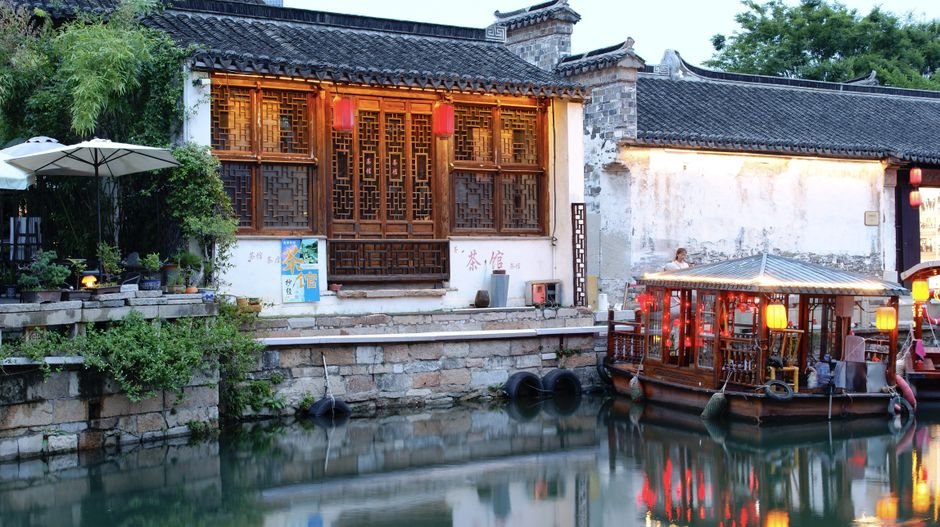
Pingjiang Road is a historic canal-side street with small shops, snack stalls, teahouses, and narrow lanes branching away from the water. It is a good area for a gentle walk and a first look at Suzhou’s old-town character.
The main route gets busy, especially in the afternoon and evening. Step into a side lane for a quieter atmosphere, and be considerate around homes and residents.
Tip 4 – See Shantang Street after dark
Shantang Street is another canal district, with traditional-style buildings, bridges, and places to eat. The section near the main entrance is lively and photogenic when lanterns are lit, though it can be crowded at peak times.
Go earlier if you want a calmer walk, or visit in the evening for the reflections and illuminated streets. Check the last metro time before staying late.
Tip 5 – Take a canal boat ride
A short boat trip offers a different view of Suzhou’s waterways, stone bridges, and old houses. Boarding points, routes, and operating hours can vary, so check details locally rather than assuming every boat follows the same route.
Boat rides are a pleasant extra, not a must for every traveler. If you are watching your budget or short on time, walking beside the canals is a satisfying alternative.
Tip 6 – Visit Suzhou Museum
Suzhou Museum combines historic collections with a distinctive modern building designed by I. M. Pei, who was born in Suzhou. The architecture, garden spaces, and exhibits make it a useful stop for understanding the city’s history and design.
Check the museum’s official information for current opening days, entry arrangements, and any reservation requirements. Museums may have limited hours or special closure days, so do not leave the visit until the last moment.
Tip 7 – Explore Tiger Hill

Tiger Hill is a historic scenic area with gardens, temple remains, and the leaning Yunyan Pagoda. Allow a few hours to walk the grounds, and wear comfortable shoes because paths include steps and uneven sections.
It is farther from the central old-town lanes than some headline sights. Check the route and travel time before combining it with several other attractions in one day.
Tip 8 – Spend time around Jinji Lake
Jinji Lake shows a more modern side of Suzhou, with waterside paths, shopping, restaurants, and contemporary architecture in the Suzhou Industrial Park area. It works well for an easy evening walk after a day among gardens and canals.
The district is spread out, so pick a specific lakeside area rather than expecting to walk around the entire lake. Metro and taxis can make moving between locations easier.
Tip 9 – Visit a temple, including Hanshan Temple
Hanshan Temple is a well-known Buddhist temple associated with Suzhou’s literary history. Visitors can see temple halls and courtyards, but it remains a place of worship, so keep your voice low and follow posted rules.
Temple visits are most enjoyable when you allow time to observe rather than treating the grounds as a quick photo stop. Check current access arrangements before making a special trip.
Tip 10 – Try Suzhou’s local dishes

Suzhou belongs to Jiangsu’s food culture, which is often associated with delicate flavors and careful presentation. Look for Suzhou-style noodles, squirrel-shaped mandarin fish, seasonal crab dishes, and small savory pastries.
Menus may have limited English, so a translation app or a photo of the dish can help. Ask about ingredients if you have allergies, and do not assume a dish is vegetarian just because it contains vegetables.
Tip 11 – Taste local sweets and tea
Traditional bakeries and snack shops sell pastries and sweets that make easy treats between sightseeing stops. Try one or two rather than buying a large selection before you know how sweet or rich they are.
A teahouse can be a restful place to pause, especially during a rainy afternoon. Check prices before ordering, as tea service and set menus can vary by venue.
Tip 12 – Look for silk and traditional crafts
Suzhou has a long association with silk, embroidery, and other crafts. A silk museum or reputable shop can help you learn how the materials are made and compare different products.
Ask about fabric content, care instructions, and prices before buying. If a product is described as handmade or antique, request clear details and a receipt rather than relying only on a sales pitch.
Tip 13 – Consider a day trip to Tongli Water Town
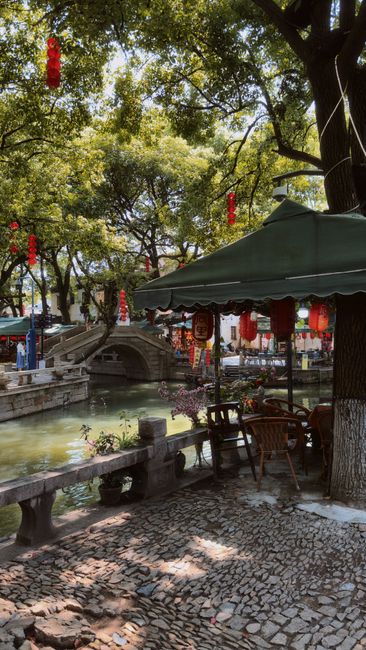
Tongli is a water town near Suzhou, with canals, stone bridges, historic houses, and small lanes. It makes a worthwhile day trip if you have already seen the city’s main gardens and want a slower change of scenery.
Allow time for transport in both directions and check current ticket and access details before setting out. The central lanes can be busy on weekends and public holidays.
Tip 14 – Use Suzhou’s metro and high-speed trains
The metro is useful for covering longer distances within the city, while walking is often best around the old-town lanes. For rail travel between cities, book through the official China Railway 12306 website and check the station printed on your ticket.
Suzhou has more than one major railway station, and the wrong one can add unnecessary travel time. Keep your passport accessible because it may be needed for identity checks during ticketing or boarding.
Tip 15 – Prepare payment and map apps before arrival
Mobile payments are widely used in China, and visitors can check whether Alipay or WeChat Pay supports their card and travel needs before arrival. Keep a backup payment option and some cash for situations where a phone, connection, or payment service does not work.
Some familiar international apps and map services may not work normally in China. Download useful translation and map tools in advance, save your hotel address in Chinese, and confirm directions with your accommodation when needed.
Tip 16 – Pick the right season and time of day
Spring and autumn are often comfortable seasons for garden walks, though weather and crowds vary from year to year. Summer can be hot and humid, while winter visits may be chilly and damp.
Check the forecast shortly before your trip. Start outdoor sightseeing early in warm weather, and keep indoor options such as museums, shops, or teahouses in mind for rainy periods.
Tip 17 – Book popular sights and accommodation thoughtfully
Check whether a garden, museum, or performance requires advance booking, timed entry, or passport details. Rules can change, especially around public holidays, so use the attraction’s current official information rather than an old travel post.
Staying near an old-town metro stop makes canal walks and garden visits convenient. Jinji Lake is a better fit if you prefer modern hotels, shopping, and a more contemporary neighborhood.
Tip 18 – Travel comfortably with children or on a budget
Families can balance garden visits with open space around Jinji Lake, snack breaks, and short canal walks. Strollers may be awkward on narrow lanes, steps, and crowded paths, so a lightweight carrier can be more practical for younger children.
Budget travelers can enjoy many of Suzhou’s streets and canals on foot, eat at simple local restaurants, and choose one paid garden rather than several in a day. Set aside extra time for walking and metro connections.
Tip 19 – Know basic etiquette and useful phrases
Be patient in queues, keep your voice respectful at temples, and ask before photographing people at close range. Carry your hotel address in Chinese characters, which can be easier to show a taxi driver than a spoken English name.
A few Mandarin phrases can help: “ni hao” means hello, “xie xie” means thank you, and “qing wen” is a polite way to begin asking a question. Translation apps are useful, but short phrases and written addresses are good backups.
Tip 20 – Pack for walking and know what to do in an emergency
Bring comfortable shoes, a light rain layer, sun protection in warmer months, and any personal medication you need. Carry a portable phone charger, especially if you rely on digital payments, maps, or translation.
China’s emergency numbers include 110 for police, 120 for medical emergencies, and 119 for fire services. Ask your hotel for help if you need assistance communicating. The most common planning mistake is trying to fit too many gardens and distant sights into one day. Group nearby places together and leave time for meals and transport.
Quick Reference for Visiting Suzhou
| Planning detail | Helpful guidance |
|---|---|
| Best for | Classical gardens, canals, historic lanes, local food, and day trips |
| Suggested stay | Two or three days for the city, with extra time for a water-town trip |
| Getting around | Use the metro for longer journeys and walk around compact old-town areas |
| Popular areas | Pingjiang Road, Shantang Street, Tiger Hill, and Jinji Lake |
| What to book | Check current garden, museum, train, and performance arrangements |
| Useful preparation | Save your hotel address in Chinese and set up suitable payment and map options |
Visa & Entry Requirements
Suzhou is in China, and entry requirements are set by Chinese authorities. The rules that apply depend on the passport you hold, your reason for travel, your planned length of stay, and the government policy in force when you travel. Visa exemptions and transit arrangements can change, so do not assume that another traveler’s experience applies to you.
Before booking, check the latest instructions from the Chinese embassy or consulate responsible for your place of residence and the official Chinese immigration authority. The National Immigration Administration of China publishes entry and immigration information on its official English-language website. For visa application details, follow the current directions provided by the relevant Chinese embassy or official visa application service for your location.
Confirm that your passport will remain valid for the period required for your trip and has any blank pages requested for visas or entry stamps. Check whether you need a visa, an electronic travel authorization, or another form of approval, and make sure the permitted length of stay covers your full itinerary. If you plan to enter China more than once, verify that your visa or permission allows the number of entries you need.
Keep copies of your return or onward travel details, accommodation bookings, and travel insurance information. Border officers may ask questions about your plans, but the documents requested can vary. Check whether any vaccination or health documentation applies to your route and travel dates. Customs rules also depend on what you bring into the country; declare restricted or controlled items as required and review official guidance before packing medicines, food, or valuable equipment.
Recheck entry rules shortly before departure, including any health, customs, or registration requirements. Keep your passport and visa information accessible while traveling between cities. This is practical planning information, not legal advice, and no summary can guarantee entry. Use official government sources for the final requirements for your passport and circumstances.
Frequently Asked Questions About Things to Do in Suzhou
How many days should I spend in Suzhou?
Two full days allow time for several gardens, an old canal district, and local food. Add another day if you want to visit Tiger Hill at a relaxed pace or take a day trip to Tongli.
Can I visit Suzhou as a day trip from Shanghai?
Yes, Suzhou is a popular rail day trip from Shanghai. Check train times and station locations in advance, and focus on a small area or a few attractions rather than trying to see the entire city.
What are the best things to do in Suzhou for first-time visitors?
Start with a classical garden, walk Pingjiang Road or Shantang Street, try a local noodle dish, and spend time beside a canal. If you have an extra day, consider Tiger Hill or Tongli.
Is Suzhou easy to explore without speaking Mandarin?
You can visit major sights without fluent Mandarin, but translation tools and saved Chinese addresses are very helpful. Some signs and menus may have limited English, and a hotel can assist with directions when needed.
Is Suzhou suitable for families?
Yes. Gardens, canals, museums, and lakeside walks offer variety, although some historic lanes have steps and crowded sections. Plan shorter visits, take snack breaks, and check whether stroller access is suitable for each attraction.
What is the most common tourist mistake in Suzhou?
Trying to visit too many major sights in one day is a common mistake. Attractions can be spread out, and gardens deserve time to explore, so group nearby places and allow room for meals and travel.
When is the best time to visit Suzhou?
Spring and autumn are often pleasant for walking, but conditions vary. Summer can be hot and humid, and winter can feel cold and damp. Check the forecast and plan outdoor visits for cooler parts of the day.
Conclusion: Plan a Relaxed Visit to Suzhou
The best things to do in Suzhou combine famous classical gardens with everyday pleasures: walking beside canals, trying local dishes, browsing craft shops, and taking time to notice the city’s small details. A visit does not need to be packed to be rewarding.
Choose a few main attractions each day, check current ticket and transport information, and leave room for a quiet tea stop or an unplanned lane walk. With a little preparation, Suzhou makes a memorable introduction to China’s garden heritage and canal-side city life.
