
Key Takeaways
- Visit Gorée Island by ferry to explore historic slave trade museum and colonial streets.
- Stroll Plateau, Kermel Market, and IFAN museum for culture, art, and daily life.
- Enjoy coastal views at Corniche, Mamelles Lighthouse, Ngor village, and safe beach spots.
- Use taxis, shared cars, or buses wisely; keep valuables secure and plan transport ahead.
things to do in dakar range from exploring historic Gorée Island to eating fresh fish beside the Atlantic. Senegal’s lively capital is a mix of busy markets, oceanfront neighborhoods, music, and layered history.
Dakar sits at the western tip of Senegal, where the city’s streets meet the Atlantic coast. It can feel hectic at first, but allow time for its different neighborhoods and you will find plenty of welcoming places to eat, stroll, and learn.
This guide to things to do in dakar covers the main sights, local experiences, practical transport advice, and a few easy ways to avoid common first-visit frustrations.
If you enjoy planning trips around waterfront walks and local history, you may also like this guide to 20 Fun and Best things to do in essex ct.
Quick Guide to Things to Do in Dakar
| Travel detail | What to know |
|---|---|
| Best time to visit | November to May is generally drier and more comfortable for sightseeing. June to October is hotter and wetter. |
| How long to stay | Plan at least three full days for central Dakar, Gorée Island, and the coast. Add time for day trips. |
| Getting around | Use taxis or ride-hailing where available for direct trips. Buses and shared cars are cheaper but take more local knowledge. |
| Currency | Senegal uses the West African CFA franc (XOF). Keep small notes for markets, buses, and snacks. |
| Useful languages | French is widely used in official settings; Wolof is commonly spoken in daily life. |
| Plan ahead | Check ferry schedules for Gorée and confirm opening hours for museums and cultural sites before setting out. |
20 Best Things to Do in Dakar
Tip 1 – Take the ferry to Gorée Island

Gorée Island is one of the most memorable outings from Dakar. The small island is known for its colonial-era streets and its place in the history of the Atlantic slave trade. Take time to visit the House of Slaves and its museum, and approach the history with care and respect.
Ferries leave from Dakar’s port area. Check the current timetable and ticket arrangements before you go, especially on weekends and public holidays. The island is largely explored on foot, so wear comfortable shoes and bring water.
Tip 2 – Walk around central Plateau
Plateau is Dakar’s civic and commercial heart, with government buildings, shops, cafes, and busy streets. It is a good area for a daytime walk and a chance to see the city’s mix of older architecture and modern daily life.
Combine the walk with a visit to Place de l’Indépendance or nearby Kermel Market. Keep valuables out of sight in crowded areas, and take a taxi if the heat or traffic makes walking unpleasant.
Tip 3 – Visit the African Renaissance Monument
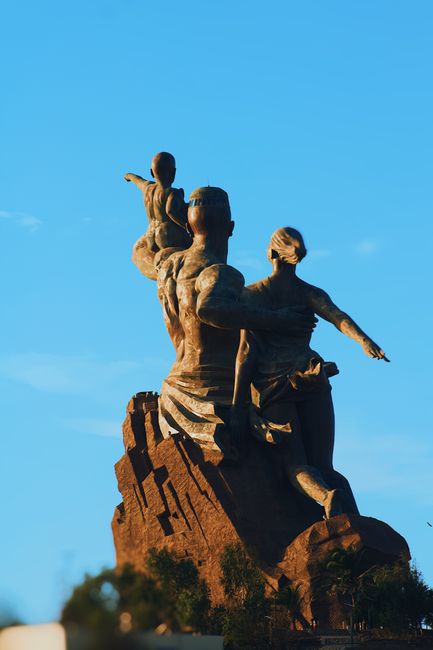
The African Renaissance Monument stands on the Mamelles hills and is visible from many parts of Dakar. Its scale is striking, and the hilltop setting gives broad views over the city and coast on a clear day.
There are stairs to climb if you want to reach the monument’s interior viewing area, so check access and opening arrangements locally. Go earlier in the day or later in the afternoon to avoid the strongest heat.
Tip 4 – Spend time at the IFAN Museum of African Arts
The IFAN Museum, also known as the Théodore Monod African Art Museum, is a useful stop for learning more about art and cultural traditions across West Africa. Exhibitions and opening hours can change, so confirm current details before making a special trip.
It is a quieter counterpoint to Dakar’s busy streets and works well as part of a Plateau itinerary. Allow time to read the displays rather than treating it as a quick photo stop.
Tip 5 – Browse Kermel Market
Marché Kermel is a central market with produce, flowers, and small food stalls. It is a good place to see everyday commerce and pick up fruit or a simple snack. Ask before photographing vendors or their goods.
Prices may not be marked, so ask politely before buying and carry small CFA franc notes. For a less polished, more everyday market atmosphere, ask locally about other neighborhood markets that are open during your visit.
Tip 6 – See the coast at the Corniche
Dakar’s Corniche roads trace parts of the rocky Atlantic shoreline and offer a change of pace from the city center. Some sections are better for a short walk or a view from a cafe than for swimming, because surf and currents can be strong.
Choose a well-used stretch during daylight, and check local advice before entering the water. The coast is beautiful, but not every rocky inlet is a safe beach.
Tip 7 – Watch the sunset from the Mamelles Lighthouse area

The Mamelles area is a rewarding place to see the coastline and the city from higher ground. The lighthouse is a local landmark, and the surrounding viewpoints can be especially attractive around sunset.
Access arrangements may vary, so check locally before planning to enter the lighthouse itself. Arrange your return ride before it gets late, and bring a light layer if the ocean breeze picks up.
Tip 8 – Explore Ngor village and its island
Ngor has a relaxed fishing-village feel alongside cafes, guesthouses, and beach spots. Small boats make the short crossing to Ngor Island, where visitors can stroll, eat, and enjoy a slower pace.
Agree on the boat fare and return plan before boarding. Conditions and services can vary, and the island’s small lanes are easier to explore in sandals with good grip than in delicate shoes.
Tip 9 – Try local food at a neighborhood restaurant
Make time for Senegalese dishes such as thieboudienne, a rice and fish meal often served with vegetables, or yassa, commonly prepared with onion and lemon. Menus and recipes differ between restaurants, so ask what is fresh and available that day.
For a casual meal, look for busy local spots and check prices before ordering. If you have food allergies or dietary needs, explain them clearly in French when possible, and do not assume every dish is prepared the same way.
Tip 10 – Visit the Soumbédioune fishing harbor
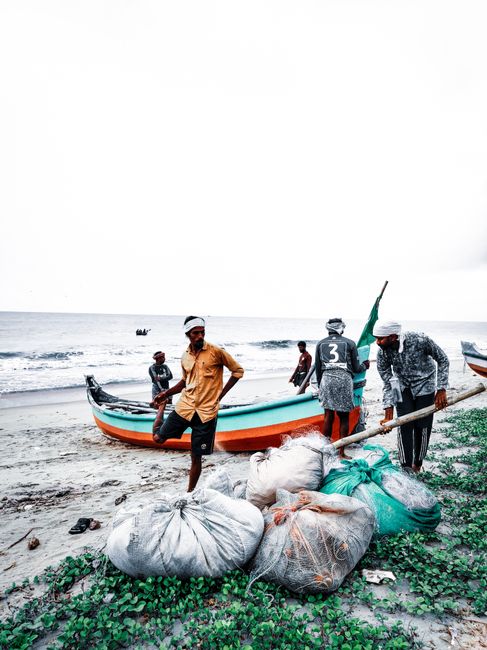
Soumbédioune is a working fishing area where you may see boats coming in and fish being sold. It gives a lively glimpse of Dakar’s connection to the sea, but it is an active workplace rather than a staged attraction.
Visit during daylight, watch your footing, and ask before taking close-up photos of people. You can pair the harbor with a meal nearby, but check that seafood is freshly prepared and properly cooked.
Tip 11 – Find live music or a cultural performance
Dakar has a strong music culture, including mbalax, jazz, and contemporary Senegalese sounds. Ask your hotel or a trusted local contact about current concerts and venues, as schedules can change and some events are announced locally.
For evening outings, plan how you will get back before the show starts. Use a reputable taxi or ride service and keep your phone charged.
Tip 12 – Spend an afternoon in Yoff
Yoff is a large coastal neighborhood with a strong local identity and a busy fishing community. It offers a different perspective from central Dakar’s business districts and more visitor-focused areas.
Be respectful around religious and community spaces, dress modestly when appropriate, and ask before taking photographs. A local guide can help explain the area’s traditions and make the visit easier to navigate.
Tip 13 – Take a day trip to Lac Rose
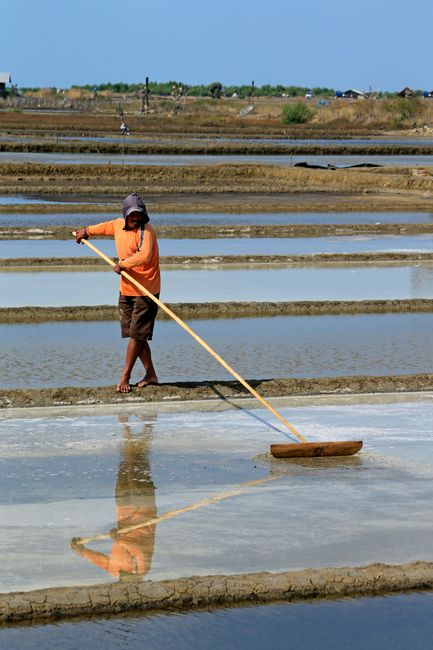
Lac Rose, also called Lake Retba, lies outside central Dakar and is a popular day trip. The color of the water can vary with the season, light, and conditions, so do not expect it to look vividly pink every day.
Arrange transport in advance and ask about current road and visitor conditions. Some trips combine the lake with nearby coastal stops, but leave enough time for the return journey to Dakar.
Tip 14 – Relax at a beach, but check swimming conditions
Dakar has several beach areas, including spots around Ngor and Yoff. Conditions differ from beach to beach, and the Atlantic can have strong waves and currents. Ask residents or lifeguards where swimming is currently considered safe.
Choose a supervised or well-used beach when possible, keep belongings secure, and follow local warnings. A beachside lunch or a walk can be enjoyable even when the water is not suitable for swimming.
Tip 15 – Try bissap, attaya, and other local drinks
Bissap, a hibiscus drink, is a refreshing non-alcoholic option found at many restaurants and juice stands. You may also come across ginger drinks and attaya, the sweet green tea traditionally prepared in several rounds.
Ask for bottled water if you prefer it, and check that drinks made with ice suit your comfort level. Trying attaya with a local host can be a lovely way to slow down and enjoy conversation.
Tip 16 – Use Dakar’s buses and shared transport thoughtfully
Dakar has public buses and shared cars, including colorful car rapides, but routes and payment can feel confusing to first-time visitors. Ask your accommodation which options serve your route, and confirm the fare before boarding shared transport.
For time-sensitive plans or late returns, a taxi may be simpler. Traffic can be heavy, so build extra time into airport transfers, ferry plans, and restaurant bookings.
Tip 17 – Make a family-friendly day plan
For families, combine one main attraction with a relaxed meal and time by the coast rather than packing in several distant stops. Gorée Island, the monument area, and a calm cafe or beach visit can each work well depending on children’s ages and the day’s heat.
Bring water, sun protection, snacks, and a light change of clothes. Strollers may be awkward on uneven lanes and crowded sidewalks, so a carrier can be more practical for younger children.
Tip 18 – Keep costs manageable without rushing
Dakar can suit different budgets. Eat at local restaurants, use public transport where routes make sense, and choose a small number of paid attractions rather than trying to see everything in one day.
Carry small notes for everyday purchases and agree on taxi fares before starting a ride when a meter is not being used. Free activities such as walking through neighborhoods and enjoying ocean views can fill a satisfying afternoon.
Tip 19 – Learn a few useful phrases and observe local customs
French is useful for signs, hotels, and many service interactions, while Wolof is widely spoken in daily life. A polite “bonjour” or “salaam aleekum” can help start a conversation, and “jërëjëf” is a common Wolof way to say thank you.
Dress respectfully, especially when visiting religious or community spaces. Ask permission before photographing people, and be patient if service feels unhurried. A friendly greeting and calm tone go a long way.
Tip 20 – Plan for safety, weather, and the common tourist mistake
Use normal city precautions: keep valuables secure, avoid displaying expensive devices in crowded places, and use trusted transport after dark. Save your accommodation address offline and keep a charged phone with you. In an emergency, local commonly used numbers include 17 for police, 18 for fire services, and 15 for medical assistance, but confirm current arrangements with your accommodation.
The most common tourist mistake is trying to cover too many parts of Dakar in a single day. Traffic, ferry timings, and the city’s spread can make short distances take longer than expected. Choose one or two areas each day, check opening times, and leave a buffer for transport.
Visa & Entry Requirements
Entry requirements for Senegal depend on the passport you travel with and the government rules in force when you arrive. Visa requirements, permitted length of stay, passport-validity rules, and any electronic travel authorization can differ by nationality and may change. Do not rely on another traveler’s experience as confirmation that the same rules apply to you.
Before booking or travelling, check the Senegalese government’s official information and contact the Senegalese embassy or consulate responsible for your place of residence if anything is unclear. The Senegal Ministry of African Integration and Foreign Affairs is a useful official starting point. Confirm details with an official government source close to departure, since entry decisions are made by the authorities and requirements can be updated.
Check that your passport is valid for the period required for your trip and has enough blank pages for entry stamps. Confirm whether you need a visa, an electronic authorization, or any supporting documents. Depending on your circumstances, officials or carriers may ask for proof of onward or return travel, accommodation details, or evidence that you can cover your stay. Keep copies of key documents separately from the originals.
Review current health guidance for any vaccination or medical documentation that may apply to your route, including requirements linked to countries you have recently visited. Ask a travel-health professional about recommended vaccinations and consider travel insurance that covers medical care and trip disruption. Check customs rules before packing medicines, cash, professional equipment, or restricted goods, and make any required declarations. These checks are practical guidance, not legal advice or a guarantee of entry. The final requirements depend on your passport, travel history, and current Senegalese policy.
Frequently Asked Questions About Things to Do in Dakar
How many days should I spend in Dakar?
Three full days is a useful starting point for central Dakar, a visit to Gorée Island, and time by the coast. Add another day or two if you want a more relaxed pace or a trip to Lac Rose.
Is Dakar worth visiting for first-time travelers to Senegal?
Yes. Dakar offers history, food, art, music, and access to the Atlantic coast. It is busy and spread out, so plan a few activities each day and allow extra time for traffic.
What is the best time of year to visit Dakar?
The drier months, generally from November to May, are often more comfortable for walking and sightseeing. The wetter season is usually hotter and may bring heavy rain, so check forecasts and plan flexibly.
Is Dakar safe for tourists?
Many visitors enjoy Dakar by taking sensible city precautions. Keep valuables secure, use trusted transport, stay aware in crowded areas, and ask your accommodation about current neighborhood advice and safe routes.
Can I visit Gorée Island as a day trip from Dakar?
Yes. The ferry makes Gorée a practical day trip. Check the current schedule in advance, arrive with time to spare, and leave enough time to visit the island’s historic sites and return to the city.
What should I eat in Dakar?
Try thieboudienne, yassa, and fresh seafood at a restaurant with good local recommendations. Bissap is a popular hibiscus drink. Ask about ingredients if you have allergies or dietary restrictions.
Do I need to book Dakar attractions in advance?
For some places, such as Gorée ferry trips and organized day tours, checking schedules or arranging tickets ahead is helpful. For museums and cultural venues, confirm current opening hours before you travel across town.
Conclusion: Enjoying the Best Things to Do in Dakar
The best things to do in dakar are not limited to a list of landmarks. A ferry trip to Gorée, a walk through Plateau, a meal of Senegalese food, and time by the coast all reveal a different side of the city.
Keep your plans flexible, respect local customs, and give yourself room for traffic and changing schedules. With a little preparation, Dakar can be an engaging introduction to Senegal and a rewarding destination in its own right.
