
Key Takeaways
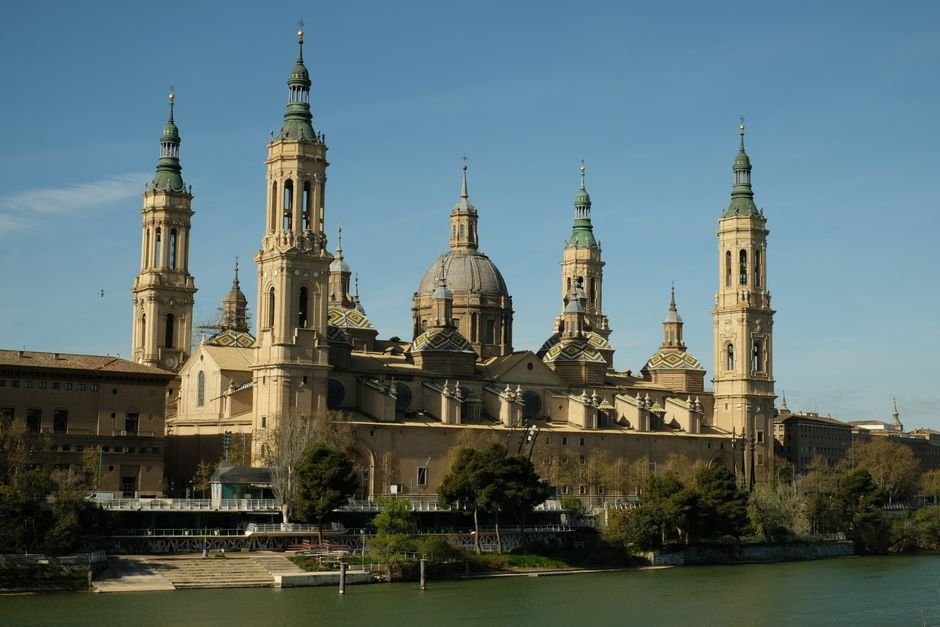
- Visit the iconic Basilica of Our Lady of the Pillar and enjoy panoramic city views from its tower.
- Explore the historic old town, Plaza del Pilar, La Seo Cathedral, and the lively tapas lanes of El Tubo.
- Discover Zaragoza’s Roman heritage at the Roman Theatre Museum and the Aljafería Palace, a former Islamic fortress.
- Relax by the Ebro river, stroll the riverside paths, and unwind in Parque Grande’s gardens.
things to do in zaragoza include exploring Roman ruins, admiring grand basilicas and tasting local tapas in the lively capital of Aragon, Spain. This welcoming city is a rewarding stop between Madrid and Barcelona, with many of its best sights close together.
Zaragoza is known for the Basilica of Our Lady of the Pillar, but there is much more to see, from the Aljafería Palace to riverside paths and atmospheric old-town lanes. It is also a practical city for first-time visitors: central sights are easy to reach on foot, and public transport helps when you need it.
Use this guide to plan your visit, choose what suits your interests and avoid common timing mistakes. Zaragoza can be very hot in summer, and some attractions have changing opening hours, so check details before you set out.
20 Things to Do in Zaragoza
Tip 1 – Visit the Basilica of Our Lady of the Pillar

The Basilica of Our Lady of the Pillar, or Basílica del Pilar, is Zaragoza’s best-known landmark. Its broad domes and towers dominate Plaza del Pilar, beside the Ebro River. Step inside to see the richly decorated chapels and frescoes, including work by Francisco de Goya.
Entry to the basilica is generally free, though access and service schedules can affect visiting times. Dress respectfully and keep your voice low if a service is underway. For a memorable view over the city, check whether the tower lift is operating during your visit.
Tip 2 – Explore Plaza del Pilar and the old town
Give yourself time to walk around Plaza del Pilar rather than treating it as a quick photo stop. The vast square brings together the basilica, La Seo Cathedral, the Goya Monument and the Fuente de la Hispanidad. It is especially atmospheric in the evening when the buildings are illuminated.
From here, wander into the lanes of the Casco Histórico. Wear comfortable shoes because some streets are cobbled, and keep an eye out for small cafés and local shops tucked between the main sights.
Tip 3 – See La Seo Cathedral and its tapestry museum
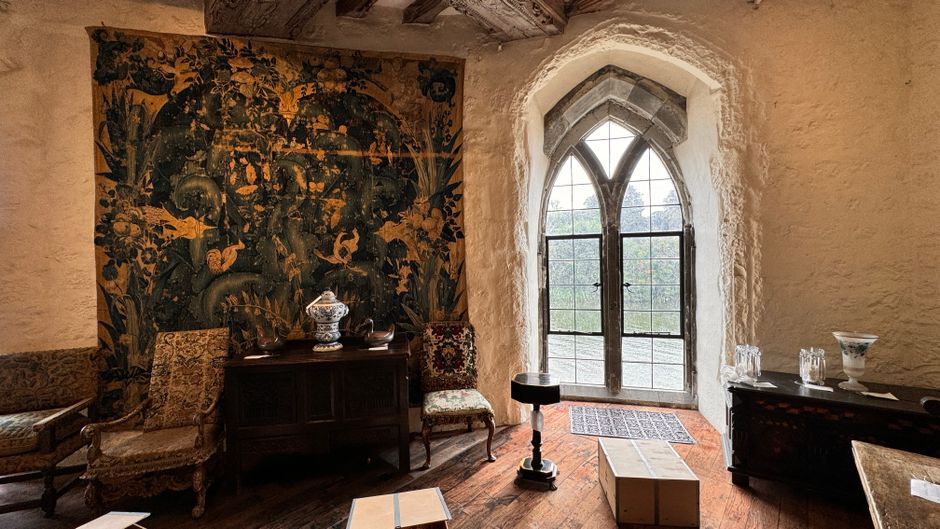
La Seo, formally the Cathedral of the Savior, is an architectural mix shaped by centuries of change. Look for its Mudéjar brickwork, Gothic details and richly decorated interior. The nearby cathedral museum displays an impressive collection of tapestries.
Allow around an hour for the cathedral and museum, more if you enjoy religious art and architecture. Check the combined ticket and opening arrangements before arriving, as access can vary around services and special events.
Tip 4 – Tour the Aljafería Palace
The Aljafería is a fortified palace with a remarkable history, including its origins as an Islamic palace in the 11th century. Its carved arches, peaceful courtyard and later royal rooms make it one of the most rewarding historic sites in Zaragoza.
It is a little outside the central sightseeing cluster, so plan a walk or use local transport. Book or check entry details ahead, particularly during busy periods. Remember that the palace also serves as the seat of the regional parliament, which can affect access to some areas.
Tip 5 – Find Zaragoza’s Roman past
Ancient Caesaraugusta was an important Roman city, and several remains are preserved in museums around the centre. The Roman Theatre Museum is a good place to start, while the museums of the forum, river port and public baths help explain how the settlement worked.
A combined ticket may offer better value if you plan to visit several sites. The displays make more sense when you take them in sequence, but you do not need to see every museum to appreciate Zaragoza’s Roman history.
Tip 6 – Walk across the Puente de Piedra
The Stone Bridge is one of the oldest crossings over the Ebro and offers a classic view back towards the Basilica del Pilar. Walk across for photographs, then return along the riverbank or pause at the Balcón de San Lázaro on the northern side.
Go early or near sunset for softer light. In windy weather, the bridge can feel exposed, so hold on to hats and loose belongings.
Tip 7 – Spend time beside the Ebro
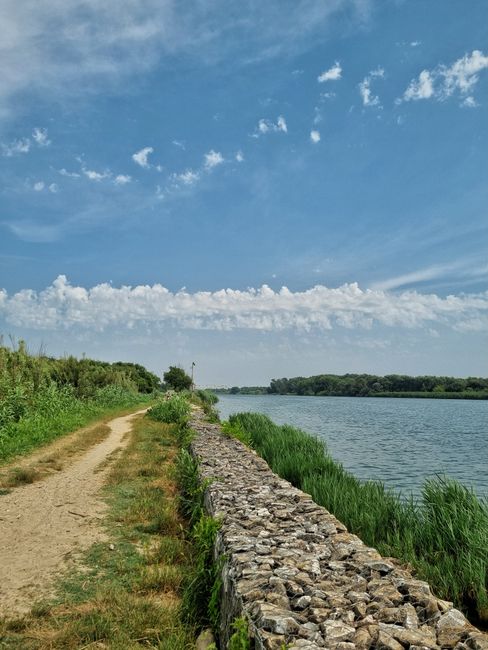
The riverfront offers a calmer side of the city, with walking and cycling paths and open views of the bridges. It is a pleasant place to take a break between museums, especially on a mild day.
Conditions change with the season, and the riverside can be windy. If you want to rent a bike, check current rental options and routes locally rather than assuming every path is suitable for casual cycling.
Tip 8 – Admire the Mudéjar architecture
Zaragoza is an excellent place to learn about Aragonese Mudéjar architecture, which blends Islamic artistic traditions with Christian buildings. Look closely at the brick patterns, glazed ceramic details and geometric decoration on historic churches and towers.
The Mudéjar sites are spread across the city and region, so choose a few that fit your schedule instead of trying to see everything in one day. The style is easier to appreciate when you slow down and notice the details.
Tip 9 – Visit the Goya Museum
Francisco de Goya was born in Fuendetodos, near Zaragoza, and the city has a strong connection to the artist. The Goya Museum presents his work alongside paintings by artists from earlier periods, offering useful context for understanding his career.
Check the museum’s current exhibitions and hours before visiting. If you are mainly interested in Goya’s prints, take time to read the explanations rather than rushing through the galleries.
Tip 10 – Try tapas around El Tubo

El Tubo is a compact maze of streets known for tapas bars and a lively evening atmosphere. Try a few small dishes rather than ordering a full meal in the first place you enter. Local menus may feature jamón, croquetas, mushrooms, seafood and regional produce.
Many bars get busy later in the evening, especially on weekends. If you prefer a quieter meal, arrive earlier or explore streets just beyond the main tapas lanes. Ask about ingredients if you have dietary needs, as menus may not always explain every component.
Tip 11 – Taste local Aragonese food
Look beyond tapas for dishes associated with Aragon, including ternasco, a tender young lamb, and seasonal vegetables. Zaragoza’s restaurants also serve familiar Spanish favourites, so it is easy to find something simple if you are travelling with children or have cautious eaters.
Lunch is often a substantial meal, and some restaurants offer a set menu on weekdays. Check the menu and serving times before sitting down, especially if you are used to eating earlier than local diners.
Tip 12 – Visit Mercado Central
Mercado Central is a handsome market building where you can browse stalls selling fruit, vegetables, meat, fish and other local products. It is a good place to see everyday food shopping in the city and pick up a snack for later.
Market hours are typically more useful in the morning, and individual stall schedules can differ. Be considerate when taking photos, and ask before photographing sellers or customers.
Tip 13 – Discover Zaragoza’s museums and modern art
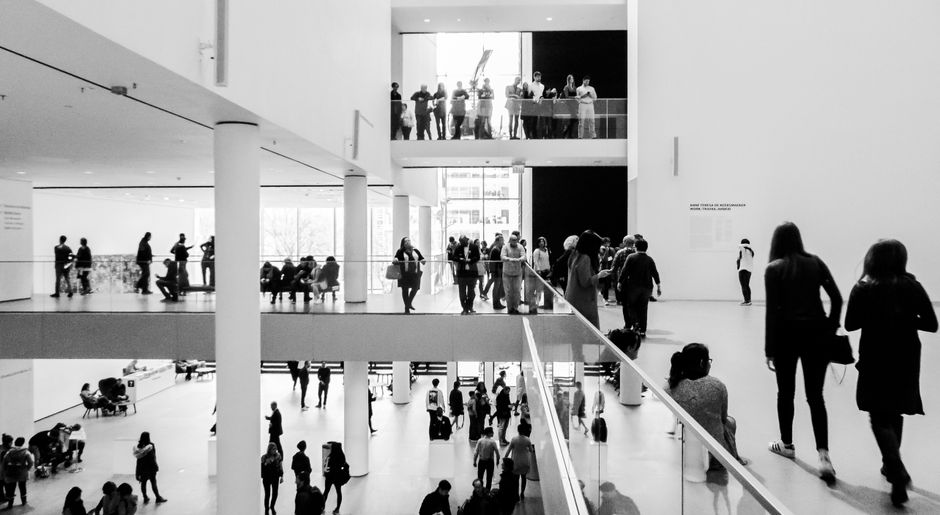
For a change from historic buildings, visit CaixaForum Zaragoza, a contemporary cultural centre with exhibitions and activities. The Pablo Serrano Museum is another option, with modern and contemporary art in a striking building.
Exhibition programmes change, so check what is showing before you go. These museums work well on a hot afternoon or a rainy day, and can be a useful choice for families looking for an indoor activity.
Tip 14 – Relax in Parque Grande José Antonio Labordeta
Parque Grande is a spacious city park with shaded paths, gardens, fountains and places to sit. It is a welcome break from the compact old town, particularly if you need room for children to move around.
The park is a little farther from the main historic sights, so consider combining it with a tram or bus ride. Bring water in warm weather, and remember that shade can be limited in some open areas.
Tip 15 – See the Expo 2008 area
The former Expo 2008 site has modern architecture, open spaces and river views. The area feels different from central Zaragoza and gives a sense of the city’s more recent development.
Some facilities and attractions may have seasonal or changing access, so check current details before making a special trip. It is best for visitors with extra time or an interest in contemporary urban design.
Tip 16 – Take a day trip to Fuendetodos
Art lovers can consider a trip to Fuendetodos, the village where Goya was born. The birthplace museum and nearby sites offer a closer connection to the artist’s early life, outside the city centre.
Check transport options and opening schedules well ahead, as services may be limited compared with Zaragoza. A rental car or organised excursion can make the visit simpler, but compare costs and timings before deciding.
Tip 17 – Use the tram, buses and trains wisely
Zaragoza’s central sights are walkable, but the tram and city buses are useful for longer distances. The tram runs through important parts of the city, while regional and high-speed trains connect Zaragoza-Delicias station with other Spanish destinations.
Check routes, tickets and service updates using the relevant transport operator’s current information. Zaragoza-Delicias is outside the old town, so leave extra time to reach the station and find your platform.
Tip 18 – Choose the right time of year
Spring and autumn are often comfortable seasons for walking around Zaragoza. Summer can bring intense heat, while winter is usually cooler and can feel especially cold when the cierzo, a strong regional wind, is blowing.
Pack layers and check the forecast before each day out. During hot weather, plan outdoor sightseeing in the morning or late afternoon and take a midday break indoors.
Tip 19 – Plan bookings, budgets and family stops
Prioritise timed-entry attractions such as the Aljafería if booking is available, and confirm opening hours for museums and religious sites. A central hotel can save time if you plan to explore mainly on foot, while accommodation farther out may suit a tighter budget if it is close to transport.
Families can balance major sights with the riverfront, parks and relaxed meal stops. If Zaragoza is one stop on a wider international itinerary, you may also find our guide to 20 Fun and Best things to do in dakar useful when planning a visit to Senegal.
Tip 20 – Learn local customs and stay prepared
A few Spanish phrases make everyday interactions easier: “hola” means hello, “por favor” means please, “gracias” means thank you, and “la cuenta, por favor” means the bill, please. Spanish is the main language, though you may also hear Aragonese in the region.
Zaragoza is generally straightforward to visit, but use normal city awareness around busy transport hubs and crowded areas. Keep valuables secure, save your accommodation address, and call 112 for emergency services in Spain. Useful travel tools include an offline map, a translation app and the official transport operator’s current app or website.
Visa & Entry Requirements
Zaragoza is in Spain, which is part of the Schengen Area. Entry requirements are not the same for every traveler. Visa rules, passport-validity requirements, permitted length of stay, electronic travel authorization requirements, vaccination guidance and customs rules depend on the passport you hold and the policies in force when you travel.
Some visitors may enter Spain for a short stay without a visa, while others must obtain a Schengen visa before departure. A short-stay allowance, where applicable, is subject to the relevant Schengen rules and does not automatically permit work or a longer stay. Any electronic authorization requirement can also depend on your nationality and the date you travel, so check whether one applies rather than relying on old travel advice.
Before booking, consult the Spanish Ministry of Foreign Affairs and the European Commission’s official Schengen visa information. For final instructions, use the Spanish embassy or consulate responsible for your place of residence. These government sources should be checked close to departure because rules and procedures can change.
Confirm that your passport meets the validity rules that apply to your situation and has any required blank pages. Check whether you need a visa or travel authorization, how long you may stay, and whether your plans involve more than one Schengen country. Border officials may ask for evidence of return or onward travel, accommodation, sufficient funds or travel insurance, depending on the applicable rules.
Review current health advice and any vaccination requirements relevant to your circumstances. Check customs allowances for items such as food, alcohol, tobacco, cash or goods purchased abroad, especially if arriving from outside the European Union. Keep copies of key documents, but carry originals securely. This is general travel information, not legal advice, and it cannot guarantee entry.
Quick Reference for Visiting Zaragoza
| Travel question | Practical answer |
|---|---|
| How long to stay | Two or three days covers the main sights at a comfortable pace. |
| Best seasons | Spring and autumn are often pleasant for walking; summer can be very hot. |
| Getting around | Walk around the historic centre, and use the tram or buses for longer trips. |
| Where to eat | Try tapas in El Tubo and look for Aragonese dishes at local restaurants. |
| Useful emergency number | Call 112 for emergency services in Spain. |
| Common planning mistake | Assuming every attraction is open all day. Check schedules and book where needed. |
Frequently Asked Questions
What are the best things to do in Zaragoza for a first visit?
Start with the Basilica del Pilar, Plaza del Pilar, La Seo and the Aljafería Palace. Add a Roman museum and an evening tapas stop in El Tubo if you have time.
How many days should I spend in Zaragoza?
Two full days are enough for many of the central highlights. Stay three days if you want a slower pace, more museums or a day trip to Fuendetodos.
Is Zaragoza worth visiting between Madrid and Barcelona?
Yes. Zaragoza makes a convenient stop between the two cities by train and offers a distinctive mix of Roman, Islamic, Mudéjar and Christian heritage. Check train schedules and station transfer times when planning your route.
Is Zaragoza easy to explore without a car?
Yes. Many central attractions are within walking distance, and the tram and buses help with longer journeys. A car is more useful for reaching some destinations outside the city.
What should I eat in Zaragoza?
Try tapas in El Tubo, regional lamb known as ternasco, and seasonal produce from Aragon. Restaurant menus vary, so ask about ingredients if you have allergies or dietary needs.
What is the most common tourist mistake in Zaragoza?
A common mistake is arriving at a major attraction without checking its opening hours or entry arrangements. Religious services, holidays and special events can affect access, so verify details before travelling across town.
Conclusion
Zaragoza combines major landmarks with a relaxed, lived-in feel. You can admire the Basilica del Pilar, explore the Aljafería, trace the city’s Roman history and finish the day with tapas in El Tubo.
Plan around the weather, check attraction schedules and leave room for unhurried walks beside the Ebro. With a little preparation, the best things to do in zaragoza fit comfortably into a rewarding city break in Spain.
Whether you are visiting for a weekend or adding Zaragoza to a longer Spanish itinerary, this historic Aragonese city offers plenty of reasons to stay a little longer.
