
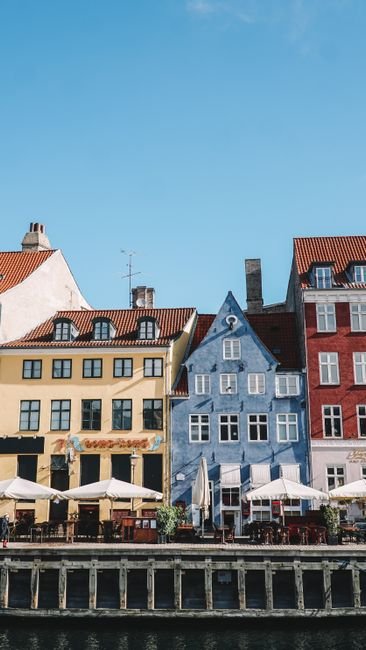
Key Takeaways
- Cycle historic streets and explore neighborhoods for authentic Copenhagen experience.
- Visit iconic sites like Nyhavn, Amalienborg, Tivoli Gardens, and the Little Mermaid.
- Use bikes, metro, or harbor buses to move efficiently across the city.
- Pack layers, a waterproof jacket, and comfortable shoes for variable weather.
top things to do in copenhagen include cycling historic streets, visiting grand palaces, and eating fresh pastries by the harbor. Denmark’s capital is compact, welcoming, and easy to explore, though popular attractions and restaurants can book up in busy seasons.
This guide covers the best sights, local experiences, food, neighborhoods, transport, and practical details for a first visit. Copenhagen can be expensive, so a little planning helps you decide where to spend and where to save.
Allow at least three days for the main attractions and time to explore at a relaxed pace. Longer stays make it easier to visit museums, try different neighborhoods, and take a day trip beyond the city.
20 Top things to do in copenhagen
Tip 1 – See the colorful waterfront at Nyhavn
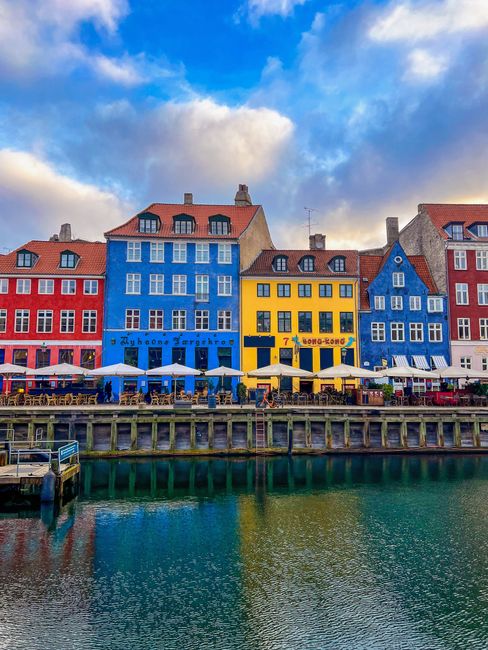
Nyhavn’s row of brightly painted townhouses is one of Copenhagen’s most recognizable sights. Walk along the canal, look at the historic wooden ships, and stop for a drink or meal if the waterfront atmosphere appeals to you.
Restaurants here are convenient but often cost more than places a few streets inland. Visit early in the morning for quieter photos, or come near sunset when the harbor gets a warm glow. The area is an easy walk from Kongens Nytorv metro station.
Tip 2 – Visit Amalienborg Palace and watch the changing of the guard
Amalienborg is the royal family’s winter residence, arranged around an elegant octagonal square. You can admire the palace buildings from outside at any time, while the museum offers a closer look at royal history and rooms from different periods.
The changing of the guard takes place on days when the monarch is in residence, but timing and ceremony can vary. Check the palace’s current visitor information before planning your day around it. Be respectful around the guards and follow any signs or instructions.
Tip 3 – Make time for Tivoli Gardens

Tivoli Gardens is a historic amusement park close to Copenhagen Central Station. Its rides, gardens, restaurants, and seasonal decorations make it enjoyable even if you are not interested in thrill rides. The park usually changes its opening schedule across the year, so check dates before you go.
Admission and ride access may be priced separately, and busy evenings can mean queues. Review ticket options and opening hours on the official Tivoli Gardens website. If you are visiting with children, agree on a meeting point in case anyone gets separated.
Tip 4 – Explore Christiansborg Palace
Christiansborg Palace brings several parts of Danish history together in one central location. Depending on the ticket and opening schedule, visitors can see the royal reception rooms, palace kitchen, ruins, stables, or tower. The tower is a popular stop for a view across the city.
Allow a few hours if you want to visit multiple areas. Some sections may close for official events, so confirm access on the day. The surrounding Slotsholmen island is pleasant for a walk and has several bridges leading back into the city center.
Tip 5 – Wander through the old center around Strøget
Strøget is a long pedestrian shopping street that links Rådhuspladsen with Kongens Nytorv. It is useful for getting your bearings, browsing Danish design shops, and finding cafés, but the busiest stretch can feel crowded during the middle of the day.
Step into nearby lanes for smaller shops, historic squares, and quieter places to eat. Keep an eye on bicycles when crossing streets, and do not walk in marked cycle lanes while checking a map. The lanes are for riders moving at city speed.
Tip 6 – Take a canal tour from the water
A canal cruise gives you a different view of Copenhagen’s old harbor, modern waterfront, and landmarks such as the Opera House and the Little Mermaid. It is a convenient way to learn the layout early in a trip, especially if you have limited time for walking.
Boat routes, commentary, and departure points vary by operator and season. Compare what is included before buying a ticket, and bring an extra layer because it can feel breezy on the water even on a sunny day.
Tip 7 – See the Little Mermaid, then explore the waterfront

The Little Mermaid statue is a small bronze figure on the harbor edge, inspired by Hans Christian Andersen’s story. It is worth seeing if you are interested in the city’s best-known landmarks, but it is smaller than many visitors expect and can be busy around the viewing area.
Make the visit part of a longer waterfront walk toward Kastellet, a star-shaped historic fortress with paths and green spaces. Wear comfortable shoes, and check a map for the easiest route back to public transport.
Tip 8 – Walk around Kastellet
Kastellet is a well-preserved fortress with grassy ramparts, historic buildings, and paths that are open to the public. It offers a peaceful break from the shopping streets and is close to the Little Mermaid and the Gefion Fountain.
People still use the grounds for exercise and everyday walks, so keep to public paths and respect any restricted areas. The open setting can be windy, particularly in cooler months.
Tip 9 – Find Danish design and art at SMK
SMK, the National Gallery of Denmark, has collections ranging from older European art to modern and contemporary works. It is a strong choice for a rainy afternoon or for visitors who want a quieter activity between outdoor sights.
Check current exhibitions, opening days, and ticket information before going. If you prefer a smaller museum, Copenhagen also has design, history, and photography museums, but opening schedules and admission policies differ.
Tip 10 – Take a break in the Botanical Garden

Copenhagen’s Botanical Garden is a restful green space near the city center, with outdoor gardens and a historic glasshouse. It is an easy addition to a museum day or a slow afternoon between sightseeing stops.
Glasshouse access and opening times can vary by season, and some areas may require a ticket. Check the current details before setting out. Stay on marked paths and avoid touching plants inside the collections.
Tip 11 – Discover Christiania respectfully
Freetown Christiania is a distinctive neighborhood known for its alternative community, murals, workshops, and independent cafés. Visit with curiosity, but remember that it is also a residential area, not just a tourist attraction.
Follow local signs and photography rules, which can be especially important around Pusher Street. Do not assume that every area is open to visitors, and avoid taking pictures where residents ask you not to. A calm, respectful visit is better for both travelers and the community.
Tip 12 – Eat your way through Torvehallerne
Torvehallerne is a covered market near Nørreport Station, with stalls selling Danish produce, baked goods, coffee, seafood, and quick meals. It is a useful place to sample several things without committing to a long restaurant meal.
Prices vary by stall, and seating can be limited at popular times. Go outside the lunch rush if you want a better chance of finding a table. Try a Danish open sandwich, known as smørrebrød, or pick up a pastry for a simple snack.
Tip 13 – Try a classic Danish meal
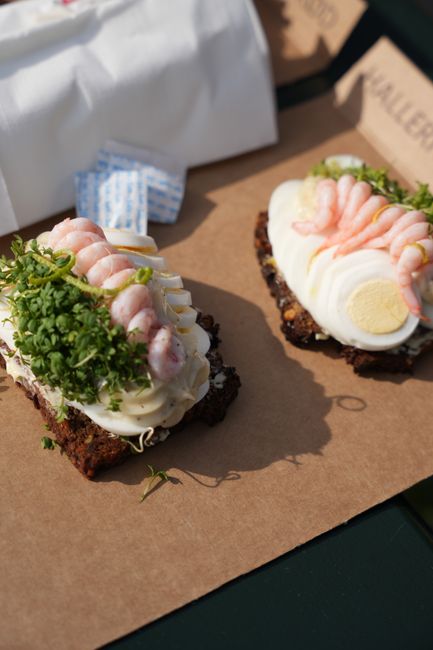
Food is one of the most rewarding top things to do in copenhagen, whether you choose a traditional lunch or a modern Nordic menu. Smørrebrød is rye bread topped with combinations such as fish, meat, eggs, or vegetables. Bakeries are also a good stop for a Danish pastry and coffee.
Restaurants range from casual counters to expensive tasting menus. Check menus and prices before sitting down, especially near major attractions. For better value, look for lunch offers, neighborhood cafés, and food markets rather than choosing only restaurants beside the harbor.
Tip 14 – Explore Nørrebro’s cafés and street life
Nørrebro has a lively mix of cafés, bakeries, independent shops, and places to eat. Jægersborggade is a popular street for browsing, while Assistens Cemetery is a green historic site where local people also walk and relax.
Allow time to explore without trying to cover every street. As in any busy urban area, keep valuables secure and be considerate in residential spaces. The neighborhood is easy to reach by bus, metro, or bicycle.
Tip 15 – See the colorful houses of Christianshavn
Christianshavn is a canal-side neighborhood with boats, old streets, and a relaxed feel. Walk along the water, browse local cafés, and take in the mix of historic and modern buildings. It is also a convenient area to connect with a canal tour or visit Christiania.
Some streets and waterside paths are narrow, so give cyclists and residents room to pass. If you want to climb the Church of Our Saviour’s tower, check opening times and access conditions first. The staircase is not suitable for everyone.
Tip 16 – Rent a bicycle or take a guided ride
Copenhagen is known for cycling, and a bike can make it easier to cover several neighborhoods in one day. Rent from a reputable provider or join a guided ride if you are unfamiliar with city cycling and local road layouts.
Use cycle lanes correctly, signal before turning, and stay alert at intersections. Do not stop suddenly in the lane to take a photo or check directions. If cycling feels stressful, public transport and walking are reliable alternatives.
Tip 17 – Use public transport to save time
The metro, buses, trains, and harbor buses make it straightforward to get around Copenhagen and reach the airport. Ticket prices depend on zones and ticket type, so check your route and current fare before travelling. The official Copenhagen Metro website has service and travel information.
Use the official ticket channels or a reputable travel app, and make sure your ticket is valid before boarding. If you are considering a city pass, compare its included attractions with your actual plans rather than assuming it will save money.
Tip 18 – Choose the right season for your trip
Summer brings long daylight hours, outdoor dining, and a busy events calendar, but accommodation can cost more and central sights get crowded. Spring and early autumn often offer a balance of milder weather and fewer peak-season visitors.
Winter is darker and colder, yet festive lights and seasonal markets can make the city appealing. Whatever the season, check the forecast and pack layers. Rain and wind can change how comfortable a day of walking feels.
Tip 19 – Plan for families and lower-cost days
Families can mix parks, canal views, museums, and Tivoli, choosing activities to match children’s ages and energy. Build in snack breaks and avoid packing too many timed attractions into one day. Strollers can be useful, but narrow historic sidewalks and busy areas may take extra patience.
To manage costs, enjoy public parks and waterfront walks, visit a food market, and check museum schedules for free or reduced-price access. Copenhagen is not a budget destination, but simple meals and careful transport planning can help keep spending in check.
Tip 20 – Prepare for local customs, safety, and small practical details
Copenhagen is generally comfortable for visitors, but take the usual precautions in crowded areas and keep valuables secure. In an emergency, call 112. For non-urgent health concerns, ask your accommodation or a local pharmacy for guidance, and make sure you have suitable travel insurance.
Useful Danish phrases include “hej” for hello, “tak” for thank you, and “undskyld” for excuse me. Many people in Copenhagen speak English, but a friendly greeting is appreciated. Carry a payment card, check whether your phone plan covers Denmark, and save your accommodation address offline.
One common tourist mistake is underestimating distances and trying to fit every landmark into a single day. Group nearby sights, leave room for meals and breaks, and check opening times before travelling across town. For official visitor ideas and current city information, use Visit Copenhagen’s official tourism website.
Quick reference for Copenhagen
| Plan | Useful information |
|---|---|
| Suggested visit | Three days for central sights, neighborhoods, and a slower pace |
| Getting around | Walk, cycle, or use the metro, buses, trains, and harbor buses |
| Good for a first visit | Nyhavn, Tivoli Gardens, Christiansborg, and a canal tour |
| Local food to try | Smørrebrød, Danish pastries, and market food |
| Budget note | Dining and accommodation can be costly; compare prices before booking |
| Emergency number | 112 for emergencies in Denmark |
Practical travel information for Copenhagen
Best time to visit Copenhagen
Late spring through early autumn is a popular time to visit, with longer days and more opportunities to enjoy outdoor cafés and waterfront walks. Summer is lively but can be busy and expensive. Spring and September can suit travelers seeking a quieter feel, while winter offers a different atmosphere with shorter days and colder weather.
Getting from the airport and around the city
Copenhagen Airport is connected to the city by public transport, including metro and train services. Routes and service conditions can change, so check the Copenhagen Airport website when planning your arrival. Buy the correct ticket for your journey and keep it available during travel.
Walking works well in the compact center, while the metro is useful for longer trips and late arrivals. Cycling is popular, but visitors should be comfortable following local traffic rules. Check current service notices before heading out, especially during maintenance or event periods.
What to pack
Pack comfortable walking shoes, a light waterproof layer, and clothes that can be worn in layers. Wind can make waterfront areas feel chilly, even when the forecast looks mild. In winter, bring a warm coat, gloves, and shoes with good grip. A reusable water bottle and a portable phone charger are useful year-round.
Useful apps and bookings
Use a current map app for walking and public transport directions, and check official attraction websites for opening hours and ticket information. Book popular restaurants and timed-entry attractions ahead during school holidays and summer weekends. Keep tickets and important travel details saved offline in case your mobile connection is unreliable.
Visa & Entry Requirements
Denmark is part of the Schengen Area, but entry conditions are not the same for every traveler. Visa requirements, permitted length of stay, passport-validity rules, electronic travel authorizations, vaccination guidance, and customs rules depend on your passport and the government policies in force when you travel. Do not assume that a rule applying to one nationality also applies to you.
Before booking or departing, check the Danish Immigration Service’s official information on short-stay visa requirements for Denmark. If you need information for a different travel purpose or cannot find a rule that fits your circumstances, contact a Danish embassy or consulate, or consult the relevant Danish government service. Treat official advice as the final reference because requirements can change.
Check that your passport meets the validity rules for your route and intended stay, and that it has any required blank pages. Confirm whether you need a visa or electronic travel authorization, and allow enough time to apply before departure if required. Travelers may also be asked to show return or onward travel, proof of accommodation, or evidence that they can support themselves during the visit.
Review travel insurance coverage for medical care, cancellations, and activities you plan to do. Vaccination requirements and health advice can change, so confirm current guidance with relevant official sources before travelling. Check customs allowances for items you are bringing into Denmark, including goods purchased abroad, and declare items when required. These are practical checks, not a legal guarantee or legal advice. For the final decision on your own entry requirements, rely on current Danish government guidance and the appropriate embassy or immigration authority.
Frequently asked questions about the top things to do in copenhagen
How many days should I spend in Copenhagen?
Three days is a useful starting point for major attractions, a canal tour, and one or two neighborhoods. Add more time if you want to visit several museums, take day trips, or explore at a slower pace.
What are the top things to do in copenhagen for first-time visitors?
Start with Nyhavn, Tivoli Gardens, Christiansborg Palace, and a canal tour. Add the Little Mermaid and Kastellet if you want to see the waterfront, then spend time in a neighborhood such as Nørrebro or Christianshavn.
Is Copenhagen expensive for tourists?
It can be expensive, particularly for hotels, restaurants, and popular attractions. Save by walking or using public transport, choosing casual cafés and food markets, and checking ticket prices before you go.
Is Copenhagen easy to explore without a car?
Yes. The city has public transport, walkable central areas, and extensive cycling routes. A car is usually unnecessary for a city break and can be inconvenient in busy central streets.
What food should I try in Copenhagen?
Try smørrebrød, a Danish open sandwich served on rye bread, along with a pastry from a local bakery. Food markets are convenient for sampling a range of meals, while traditional restaurants offer a longer sit-down experience.
Is Copenhagen suitable for families?
Yes. Families can combine Tivoli Gardens, parks, waterfront walks, and museums. Check age guidance, opening times, and ticket details in advance, and leave time for breaks between activities.
Conclusion
The top things to do in copenhagen range from classic sights such as Nyhavn and Amalienborg to market lunches, neighborhood walks, and time beside the canals. The city is easy to navigate, but its prices and busy summer periods are worth planning for.
Choose a few priority attractions each day, check current opening and transport information, and leave room for an unplanned café stop or waterfront stroll. With a practical plan and comfortable shoes, Copenhagen is a welcoming city to explore at your own pace.
