
fun things to do in singapore range from walking beneath the Supertrees to eating satay at a busy hawker centre. Singapore is a compact city-state in Southeast Asia, so you can pair gardens, museums, historic neighborhoods and waterfront views in one trip.
The city is easy to explore, but its tropical heat, frequent showers and choice of attractions can make planning feel busy. A little thought about timing and transport helps you enjoy more without rushing.
This guide covers memorable activities, local food, practical travel tips and useful details for first-time visitors to Singapore.
20 Fun Things to Do in Singapore
Tip 1 – See the Supertrees at Gardens by the Bay

Gardens by the Bay is one of the city’s most recognizable sights. Walk through the outdoor gardens, visit the Flower Dome or Cloud Forest, and return in the evening to see the Supertree Grove lit up. Some outdoor areas are free, while conservatories and certain attractions require tickets.
Check the Gardens by the Bay official website for opening hours, ticket details and any maintenance closures. The gardens are large, so allow a few hours if you plan to visit more than one paid attraction.
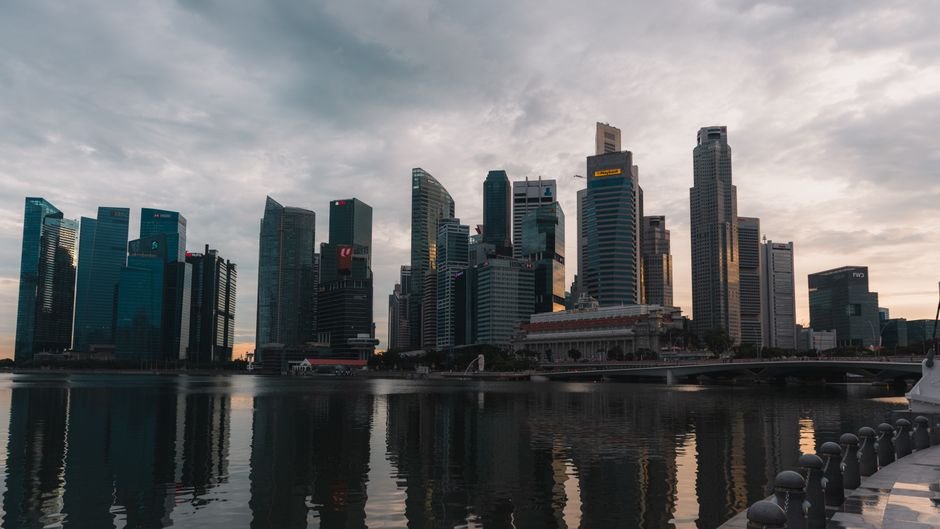
Tip 2 – Walk the waterfront at Marina Bay
Follow the walking paths around Marina Bay for views of the skyline, the ArtScience Museum and the Merlion. The route is particularly pleasant near sunset, when the light softens and the city begins to glow. Bring water and take breaks in air-conditioned buildings if the heat feels intense.
You can often see the Marina Bay Sands light and water show from the waterfront, but schedules may change. Check current timings before making it the centerpiece of your evening.
Tip 3 – Explore Chinatown’s temples, shops and food

Chinatown is a good place to combine heritage, shopping and a meal. Visit the Buddha Tooth Relic Temple, browse the shophouse-lined streets and stop at Chinatown Complex Food Centre for a wide choice of local dishes. Dress respectfully when entering religious sites and follow posted photography rules.
Go earlier in the day for a more relaxed walk. Some shops and food stalls keep different hours, so do not assume every place will be open late.
Tip 4 – Eat your way around a hawker centre
Hawker centres make it easy to try Singaporean favorites without committing to a formal restaurant meal. Look for dishes such as chicken rice, laksa, char kway teow, satay and roti prata. Maxwell Food Centre, Lau Pa Sat and Old Airport Road Food Centre are popular options, each with its own atmosphere and mix of stalls.
Bring a payment option accepted by the stall, and carry tissues if you want to use them to reserve a seat. This local practice is commonly known as “chope-ing,” but leave valuables with you and avoid saving seats you will not use.
Tip 5 – Take in the views from a rooftop or observation deck
For a broad view of the city, consider an observation deck or a rooftop venue. Marina Bay Sands SkyPark is a well-known choice, while other rooftops may suit visitors looking for a drink with a view. Tickets, access rules and weather conditions vary, so check details before you go.
Views can be hazy during some weather conditions, and rooftop venues may have dress requirements or minimum spending. If you are watching your budget, enjoy the public waterfront views instead.
Tip 6 – Spend time in Little India
Little India is full of color, spice shops, fabric stores, temples and casual eateries. Visit Sri Veeramakaliamman Temple, browse the Tekka Centre area and look for Indian snacks or a South Indian meal. The neighborhood is lively, so keep a close eye on your belongings in crowded streets.
Go in the morning or late afternoon if you prefer a less hot walk. Wear clothing that is comfortable for the weather and suitable for entering places of worship.
Tip 7 – Wander through Kampong Glam

Kampong Glam blends heritage with independent shops, cafes and street art. See the Sultan Mosque from the surrounding streets, then explore Haji Lane and the nearby shophouses. The area is a good stop for a relaxed afternoon, though popular lanes can get crowded on weekends.
Check mosque visitor guidance before entering, as access may be limited during prayer times or for certain areas. Be considerate when taking photographs around worshippers and residents.
Tip 8 – Visit the National Gallery Singapore
The National Gallery Singapore brings Southeast Asian art into two historic buildings, the former Supreme Court and City Hall. It is a useful indoor activity during a hot afternoon or rainy spell, and the scale of the collection means you can choose a few galleries rather than trying to see everything.
Check current exhibitions, admission details and opening hours on the National Gallery Singapore website. Allow extra time if you want to stop for a meal or visit the rooftop areas.
Tip 9 – Make a day of Sentosa Island
Sentosa offers beaches, attractions, resort facilities and coastal walks, making it an easy choice for families and visitors who want a change from the city center. Pick one or two activities in advance instead of trying to fit the whole island into a single day.
Some attractions can be expensive, and queues may be longer during weekends and school holidays. Compare ticket options and transport choices before you set out.
Tip 10 – Visit the Singapore Botanic Gardens

The Singapore Botanic Gardens offer a quieter break from the shopping districts and busy waterfront. The grounds are a UNESCO World Heritage Site, with shaded paths, lawns and themed garden areas. The National Orchid Garden has a separate admission charge, while much of the wider garden is free to enter.
Start early if you want to walk for a while in cooler conditions. Bring insect repellent, sun protection and water, and check the official Singapore Botanic Gardens visitor information before you visit.
Tip 11 – Take a Singapore River walk or cruise
A walk along the Singapore River connects areas such as Clarke Quay, Boat Quay and the historic civic district. A river cruise is another way to see the waterfront, especially if you want a seated break from walking. Compare the route and departure point before buying a ticket.
The riverside is lively in the evening, but restaurants and bars in popular areas can be pricier than hawker centres. For a quieter experience, walk earlier in the day and return after dark for the views.
Tip 12 – Discover the wildlife at Mandai
Singapore Zoo, Night Safari, River Wonders and Bird Paradise are part of the Mandai wildlife attractions. These can be rewarding for families and animal lovers, but each visit takes time. Choose the experience that interests you most rather than trying to see every park in one day.
Check official information for animal presentations, ticket arrangements, transport and current entry conditions. Bring comfortable shoes and plan for warm, humid weather, even when some areas are shaded.
Tip 13 – Walk the Southern Ridges

The Southern Ridges link several green spaces and offer a different perspective on the city. The route includes elevated paths and the curved Henderson Waves bridge. Choose a manageable section if you are short on time, and check park conditions before setting off.
There is limited shelter on some stretches, so go in cooler hours and bring water, sun protection and comfortable walking shoes. If heavy rain or thunder is forecast, postpone the walk.
Tip 14 – Find a beach or coastal walk at East Coast Park
East Coast Park is a popular place to cycle, walk, relax by the sea or enjoy a meal near the coast. It feels less like the central business district and can be a welcome change after several days among malls and museums.
Swimming conditions and facilities can vary, so check local signs and follow safety instructions. You can rent a bicycle in the area, but confirm rental hours and return arrangements before starting a longer ride.
Tip 15 – Browse shopping streets beyond the big malls
Orchard Road is known for its large shopping centers, while Bugis and Haji Lane offer a different mix of shops and smaller businesses. Even if shopping is not on your list, a mall can be a practical place to cool down, find a meal or wait out a tropical shower.
Prices and product selections vary widely. Compare costs before buying electronics or luxury goods, and keep receipts for purchases you may need to declare when returning home.
Tip 16 – Try a local breakfast and kopi
Start the day with kaya toast, soft-boiled eggs and kopi, Singapore-style coffee. Many local coffee shops and food courts serve these familiar breakfast combinations. Kopi is often sweetened or prepared with condensed milk, so ask how it is served if you prefer it differently.
Trying a neighborhood coffee shop gives you a glimpse of everyday life, but menus may use local terms. Pointing to a dish or asking staff for a recommendation is usually an easy way to order.
Tip 17 – Learn the city using the MRT and buses
Singapore’s Mass Rapid Transit system and buses make it straightforward to reach many attractions. You can generally pay using supported contactless bank cards or a stored-value travel card, but accepted payment methods and fees can depend on your card issuer. Check the Land Transport Authority rail network information and current fare guidance when planning.
Use a journey-planning app or station maps to check routes and service changes. If you expect to make many trips, compare the cost of pay-as-you-go travel with any tourist pass available for your dates.
Tip 18 – Plan around the weather and the calendar
Singapore is warm and humid throughout the year, and rain can arrive suddenly. Pack light clothing, a compact umbrella or rain jacket, sunscreen and a refillable water bottle. Build indoor options such as galleries, malls or conservatories into your plan in case of a downpour.
Festivals and school holidays can add energy to the city but also affect crowd levels, accommodation prices and restaurant availability. Check local event dates before booking if you have fixed travel dates.
Tip 19 – Use sensible safety habits and useful apps
Singapore is generally regarded as a safe destination, but normal precautions still matter. Keep valuables secure, use licensed transport, watch your belongings in crowded areas and follow signs at beaches and parks. In an emergency, the police emergency number is 999 and the ambulance and fire emergency number is 995.
Use a map app for walking and public transport, and keep your hotel address saved offline. A translation app can help with menus, while your airline and accommodation apps make it easier to check changes. Keep your phone charged and carry a small power bank.
Tip 20 – Avoid the most common first-time visitor mistake
A common mistake is trying to see every major attraction in one packed day. Singapore may look small on a map, but heat, queues, walking distances and time spent eating can slow you down. Group nearby sights together, leave time for breaks and book timed-entry attractions ahead when needed.
If you are planning future city breaks as well, our guide to things to do in High Point, NC offers ideas for a very different destination and pace of travel.
Quick Reference for Planning Your Singapore Trip
| Plan | Useful details |
|---|---|
| Best for a first visit | Marina Bay, Gardens by the Bay, Chinatown and a hawker centre |
| Good indoor options | National Gallery Singapore, conservatories, museums and shopping malls |
| Getting around | MRT and buses cover many visitor areas; check current payment and fare options |
| What to pack | Light clothing, comfortable shoes, sun protection, water and a compact rain layer |
| Book ahead | Popular paid attractions, timed-entry visits and accommodation during busy dates |
| Emergency numbers | Police: 999. Ambulance and fire: 995. |
Visa & Entry Requirements
Entry requirements for Singapore depend on the passport you travel with and the rules in force when you arrive. Visa requirements, passport validity, any required electronic authorization, vaccination or health requirements, customs rules and permitted length of stay can differ by traveler. Do not assume that a rule described for one nationality applies to you.
Before booking or departure, check the Immigration & Checkpoints Authority of Singapore entry requirements and, if needed, the Singapore embassy or consulate responsible for your location. The ICA is the official source for current entry information. Review the latest instructions again close to travel, since policies can change.
Check that your passport meets Singapore’s current validity requirements and has enough blank pages for your route and any other countries you will visit. Confirm whether you need a visa or electronic travel authorization, and submit any required application through the official channel within the recommended timeframe. Some visitors may need to complete an arrival declaration before entering Singapore. Check the current process and timing on the ICA website rather than relying on old travel advice.
Keep evidence of your onward or return travel and accommodation details available in case they are requested. Consider travel insurance that covers medical care, trip interruptions and activities you plan to do. Confirm whether any health or vaccination documents apply to your circumstances and itinerary. Requirements may depend on where you have recently traveled as well as your passport.
Singapore has strict rules for some imported goods and controlled items. Review the official Singapore Customs arrival guidance before packing, and declare goods when required. Rules also apply to prohibited drugs, vaping products and other controlled items, so do not bring something simply because it is allowed at home. This overview is practical guidance, not a legal guarantee. The official Singapore government sources and your relevant embassy are the best places to confirm the requirements that apply to your trip.
Frequently Asked Questions About Fun Things to Do in Singapore
What are the best fun things to do in Singapore for a first-time visitor?
Start with Marina Bay, Gardens by the Bay, a hawker centre and one heritage neighborhood such as Chinatown, Little India or Kampong Glam. This mix gives you city views, local food, green space and a sense of Singapore’s different communities.
How many days should I spend in Singapore?
Three to four days is a useful starting point for major sights and a few relaxed meals. Add time if you want to visit Sentosa, explore the wildlife parks, take longer walks or see more museums and neighborhoods.
Is Singapore expensive for travelers?
It can be, especially for hotels, private transport and major attractions. You can manage costs by eating at hawker centres, using public transport, enjoying free outdoor areas and choosing paid attractions selectively.
What are some fun things to do in Singapore with children?
Families may enjoy Gardens by the Bay, Sentosa, the Mandai wildlife parks, East Coast Park and interactive museums. Check age guidance, ticket prices, opening times and transport before choosing activities for the day.
What is the best way to get around Singapore?
The MRT and bus network are convenient for many visitor routes. Contactless payment is available for eligible cards, but check current conditions and possible foreign-card fees. Taxis and ride-hailing services can be useful when traveling with luggage or returning late.
When is the best time to visit Singapore?
Singapore is a year-round destination with a warm, humid climate and the possibility of rain in any month. Choose dates based on events, hotel prices and your schedule, then plan a mix of outdoor and indoor activities.
Do I need to book Singapore attractions in advance?
Advance booking is sensible for popular attractions, timed-entry experiences and busy travel periods. Check official attraction websites for current availability and ticket rules. You can leave more flexible time for public gardens, neighborhood walks and hawker centres.
Conclusion: Enjoy the Best of Singapore at Your Own Pace
The best fun things to do in Singapore combine its landmark skyline with local neighborhoods, green spaces and memorable food. Spend time around Marina Bay, visit a hawker centre and choose a few attractions that match your interests rather than trying to fit everything into one trip.
Plan for heat and sudden showers, use public transport where it suits your route, and check official sources for current opening, transport and entry information. With a little flexibility, Singapore is an easy city to explore and a rewarding destination for a first visit.
