
Key Takeaways
- Explore historic missions, the River Walk, and city parks—all free to visit.
- Use VIA buses and walk to keep transportation costs low.
- Check reservation needs, opening hours, and seasonal closures before you go.
- Pack water, sun protection, and comfortable shoes for outdoor walking tours.
things to do in san antonio for free include historic missions, shaded gardens, lively public spaces, and miles of riverfront paths. San Antonio, in Texas, USA, offers plenty to enjoy without paying an attraction admission fee.
Some of the city’s best-known places are free to visit, although transport, meals, special exhibits, and guided tours can add to your budget. A little planning helps you make the most of the free sights and avoid unnecessary costs.
This guide covers free things to do in San Antonio, plus practical advice on getting around, choosing a good time to visit, and planning a comfortable day in the city.
20 Things to Do in San Antonio for Free
Tip 1 – Walk along the San Antonio River Walk
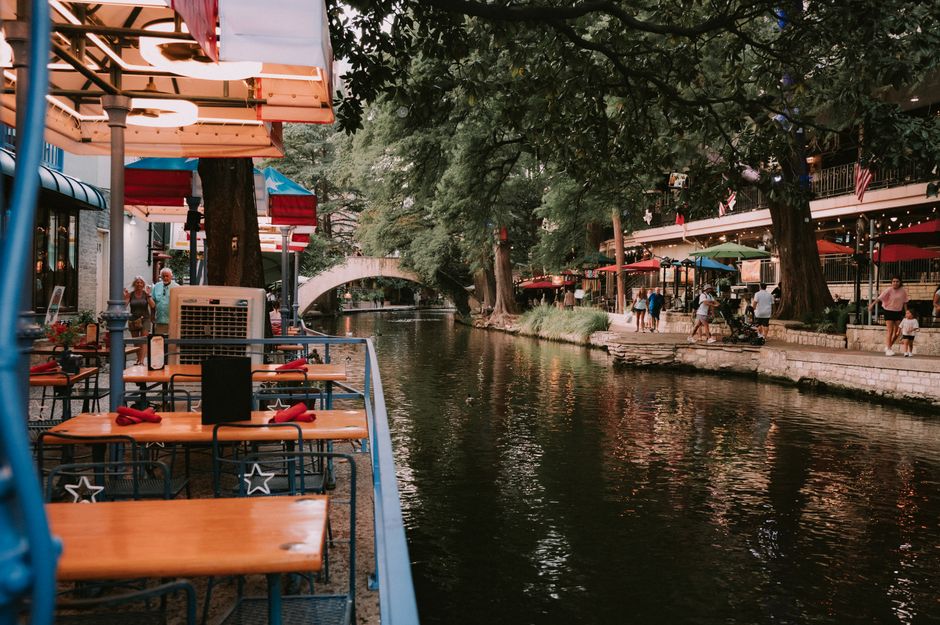
The River Walk is a pleasant place for a stroll, with paths beside the water, bridges, public art, and plenty of spots to pause. Walking the public paths is free. Boat rides, restaurant meals, and some special events cost extra, so check prices before joining an activity.
The downtown stretch can be busy, particularly around the Alamo and restaurant areas. For a quieter walk, explore sections farther from the central loop. Visit San Antonio’s official visitor website for current city information and trip-planning ideas.
Tip 2 – Visit the Alamo grounds
The Alamo is one of San Antonio’s most important historic sites. You can visit the grounds and gardens without an admission fee. Entry to the historic church is also free, but capacity is limited and advance reservations may be required. Some exhibits and experiences have a charge.
Arrive early if you want a quieter visit, and check the Alamo’s official website for current hours, reservations, and access details. Remember that this is a place of remembrance, so keep your voice low and follow posted rules.
Tip 3 – Explore San Antonio Missions National Historical Park

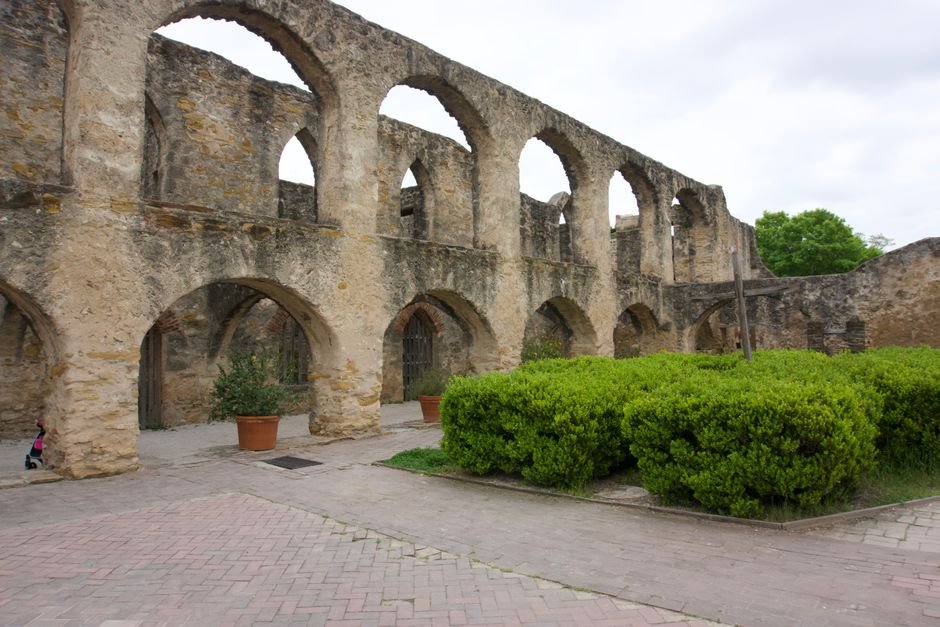
San Antonio’s Spanish colonial missions are among the city’s most rewarding free attractions. The National Historical Park includes Mission Concepción, Mission San José, Mission San Juan, and Mission Espada. The historic churches and grounds are generally free to visit, though hours and access can vary.
You can explore the missions by car, bike, or on foot along the Mission Reach section of the River Walk. Distances between sites make transport useful if you have limited time. Check the National Park Service guide to San Antonio Missions before setting out.
Tip 4 – Walk or cycle the Mission Reach Trail
Mission Reach connects the southern missions with a multi-use trail beside the San Antonio River. It is a good choice for walking, jogging, or cycling, with natural areas and public art along the way. The trail itself is free, but bike rental and refreshments are not.
Bring water, especially in warm weather, and check the weather before you go. The trail is exposed in places, so a hat and sunscreen can make a long outing more comfortable.
Tip 5 – Spend time at the Japanese Tea Garden
The Japanese Tea Garden is a peaceful public garden near Brackenridge Park, with stone paths, a koi pond, and a historic stone pavilion. Admission is free, making it a lovely stop for a relaxed walk or photographs.
Paths include steps and uneven surfaces, so the garden may not be equally easy to navigate for every visitor. Go earlier in the day for cooler weather and fewer people, and check current access information before travelling there.
Tip 6 – Enjoy Brackenridge Park
Brackenridge Park has shaded paths, lawns, picnic areas, and access to several nearby attractions. Walking around the park is free, and it gives you a quieter break from downtown sightseeing.
Some attractions within or beside the park charge admission, so check before entering. Bring snacks or a picnic if you want to keep the outing inexpensive, and use a map to plan a route that suits your group.
Tip 7 – Relax at Hemisfair

Hemisfair is a central public space with gardens, open areas, and places to sit. It is an easy stop between downtown sights and a good place for families to take a break. Public areas are free, while some nearby attractions, food, and events cost extra.
The park is close to the Tower of the Americas, but going up the tower requires a ticket. If you are visiting with children, check which play areas and facilities are open on the day.
Tip 8 – Browse Market Square
Market Square, also known as El Mercado, is a lively place to browse shops, admire colorful decorations, and experience Mexican-American culture in the heart of San Antonio. Walking through the public areas is free, though it is tempting to spend money on food, souvenirs, or handmade goods.
Give yourself time to look around without feeling you need to buy something. The atmosphere can be especially lively during festivals and weekends, but opening hours and event schedules vary.
Tip 9 – Take a self-guided downtown history walk
Downtown has historic buildings, plazas, monuments, and distinctive architecture within a walkable area. Make your own route between the Alamo, Main Plaza, San Fernando Cathedral, and nearby public spaces. You can enjoy the streets for free without booking a paid tour.
Use a map to keep your route manageable, and pause indoors during the hottest part of the day. If you want more context, look for free visitor information or public interpretation signs along the way.
Tip 10 – Visit San Fernando Cathedral and Main Plaza

San Fernando Cathedral is a historic downtown landmark facing Main Plaza. Visitors can usually enter the church outside service times, but access may change for worship, weddings, or special events. Be respectful, dress appropriately, and avoid interrupting services.
Main Plaza is a convenient place to sit and take in the city’s historic center. Check the cathedral’s current visitor information before planning your visit, as church schedules can affect public access.
Tip 11 – Explore the King William Historic District
The King William Historic District is known for its grand homes, tree-lined streets, and historic character. Walking through the neighborhood is free, and the area makes a pleasant change from the busier downtown core.
Remember that many homes are private residences. Keep to public sidewalks, avoid looking into windows, and be considerate when taking photographs. You can combine the walk with a visit to nearby river paths.
Tip 12 – Look for public art and murals
San Antonio has murals and public art across downtown and its neighborhoods. You can discover many pieces simply by walking, particularly around central cultural districts and public spaces. It is an easy way to add color and local character to a low-cost itinerary.
Artworks and access can change, so treat any online mural map as a guide rather than a guarantee. Take photos from public areas and avoid blocking sidewalks or nearby businesses.
Tip 13 – Browse the Pearl district

The Pearl is a former brewery site turned into a popular district with shops, restaurants, public spaces, and a riverside path. Browsing the area and walking by the river is free, although meals and shopping can quickly raise your costs.
Markets and events may take place on selected days, so check the schedule if you are hoping to see one. If you are planning other trips with a mix of outdoor scenery and local culture, this guide to 20 Fun and Best things to do in exuma offers ideas for a very different kind of destination.
Tip 14 – Find a quiet spot at San Pedro Springs Park
San Pedro Springs Park is a historic city park with open green space, shade, and places to sit. It is a useful stop if you want a break from sightseeing or a simple outdoor activity without an admission charge.
Facilities and conditions can vary, so check local notices before visiting. As with any city park, keep an eye on your belongings and choose a busy, well-used area if you are visiting alone.
Tip 15 – Visit the city’s public library
The Central Library is a striking downtown building and a comfortable place to take a break from the heat. Public libraries offer a chance to sit quietly, use facilities, and explore local displays or events when available.
Opening hours and visitor services can change, so check the San Antonio Public Library website before you go. Be mindful that the library is a working public space, not simply a tourist attraction.
Tip 16 – Look for free museum hours and community events
Some San Antonio museums offer free admission at selected times, and community festivals may include free performances or activities. These offers can change by season, day, and exhibition, so confirm directly with the museum or event organizer before making plans.
Free admission does not always include special exhibitions, parking, or timed-entry reservations. If a museum is a priority, check its official calendar and book any required free ticket in advance.
Tip 17 – Watch the sunset from a public riverside path
The River Walk and other public paths offer pleasant places to enjoy the changing light at the end of the day. Choose a well-lit, busy section and allow time to return to your hotel or transport stop before it gets late.
Sunset times change through the year. Check the forecast too, since summer storms can arrive quickly in Texas.
Tip 18 – Use VIA Metropolitan Transit to save on transport
Walking works well in the compact downtown area, but San Antonio is spread out. VIA Metropolitan Transit buses can help you reach places such as the missions and other neighborhoods without paying for rideshares or parking. Fares, routes, and schedules can change, so check the VIA Metropolitan Transit website before travelling.
Use the official transit information to plan transfers and check service updates. If you are visiting several outlying attractions in one day, compare the time and cost of public transport with other options before committing.
Tip 19 – Choose low-cost local food and drinks
You can keep food spending under control by picking up a casual meal, sharing plates, or bringing snacks and water for a day of sightseeing. San Antonio is known for Tex-Mex and Mexican-American food, but popular restaurants and special drinks can be much more expensive than a simple local meal.
Check menus before sitting down, including taxes and any service charges. If you are carrying food into a park, pack out your rubbish and follow posted rules.
Tip 20 – Plan around the weather and avoid the common tourist mistake
Spring and autumn are often comfortable times to explore outdoors, while summer can bring intense heat and occasional storms. Winter is usually milder than in many parts of the United States, but temperatures can still vary. Check the forecast and plan outdoor walks for morning or late afternoon in hot weather.
A common mistake is assuming that every attraction is within an easy walk of the River Walk. San Antonio covers a large area, and the missions, parks, and neighborhoods are not all next door to downtown. Group nearby sights together, check transport times, carry water, and leave room in your schedule.
Quick Reference: Free Things to Do in San Antonio
| Place or activity | What is free | Useful planning note |
|---|---|---|
| San Antonio River Walk | Walking the public paths | Boat rides, meals, and some events cost extra. |
| The Alamo | Grounds and garden, plus free church admission subject to access rules | Check reservation requirements and current hours. |
| San Antonio Missions | Visiting the historic mission sites | Allow time for travel between the missions. |
| Japanese Tea Garden | Garden admission | Paths and steps may be uneven. |
| Hemisfair | Public park areas | Nearby attractions and events may charge admission. |
| Market Square | Browsing the public areas | Food, souvenirs, and shopping are extra. |
| King William Historic District | Walking public streets and sidewalks | Respect private homes and residents. |
Practical Travel Advice for San Antonio
Getting around the city
Downtown is walkable, but distances between downtown and attractions farther south or north can be significant. Combine walking with VIA buses, and check routes before leaving your hotel. Rideshares and taxis can be convenient, but they add to the cost of a budget trip.
Safety and emergency information
Use normal city precautions: keep valuables secure, stay aware of your surroundings, and use well-lit routes at night. In an emergency in the United States, call 911 for police, fire, or medical help. For non-emergency questions, ask your accommodation or consult the relevant local agency.
Useful apps and advance planning
A current map app is useful for walking routes, bus stops, and checking distances. Check official attraction and transit websites for closures, service changes, timed-entry rules, and event schedules. Reserve free timed tickets when required, especially for popular historic sites.
What to pack
Comfortable walking shoes, a refillable water bottle, sun protection, and light layers are useful for most visits. Bring a compact rain jacket during stormier periods, and carry a portable phone charger if you plan to navigate on your phone throughout the day.
Local customs and useful phrases
English is widely spoken, and Spanish is also common in San Antonio. A friendly “hola” means hello, while “gracias” means thank you. Be courteous in churches and historic sites, ask before photographing people, and remember that tips are customary at many sit-down restaurants in the United States.
Visa & Entry Requirements
San Antonio is in the United States, and entry rules depend on your passport, travel purpose, and the policies in effect when you travel. There is no single visa rule for all visitors. Some travelers need a visitor visa, while eligible travelers may be able to travel under the Visa Waiver Program with an approved Electronic System for Travel Authorization (ESTA). An ESTA is not a visa, and approval does not guarantee admission at the border.
Before booking, check the U.S. Department of State’s official visa information and the U.S. Customs and Border Protection guidance for international visitors. Use the official U.S. government pages to confirm the process that applies to your passport and situation. Requirements can change, so check again close to your departure date.
Review your passport’s expiry date and condition, and confirm whether your route or circumstances require a particular amount of remaining validity or blank pages. Check whether you need a visa or electronic travel authorization, how long you may stay, and whether your planned activities fit the permission granted. Authorities or airlines may ask about return or onward travel and your accommodation plans, but requirements vary.
Vaccination and health-related entry rules can change with government policy. Check current official guidance before travelling rather than relying on an old checklist. Travel insurance is worth considering for medical care, cancellations, and lost belongings, even when it is not an entry requirement. Review U.S. customs rules for food, plants, medicines, cash, and other items you plan to bring, and make any required declarations. The final decision on entry rests with U.S. authorities. This information is general travel guidance, not legal advice.
Frequently Asked Questions
What are the best free things to do in San Antonio?
The River Walk, Alamo grounds, San Antonio Missions, Japanese Tea Garden, Market Square, and Hemisfair are all strong options. Check current opening details before visiting, as access rules and event schedules can change.
Can I visit the San Antonio Missions for free?
Yes. The four mission sites in San Antonio Missions National Historical Park are generally free to visit. Check the National Park Service website for current hours, visitor information, and any temporary access changes.
Is the Alamo free to visit?
The Alamo grounds are free to visit, and the historic church has free admission subject to capacity and current reservation rules. Some exhibits and experiences require a paid ticket.
Can I get around San Antonio without a car?
Yes, especially if you focus on downtown and use VIA buses for longer distances. San Antonio is spread out, so check travel times before planning several attractions in different areas on the same day.
What is the best time of year for free outdoor activities in San Antonio?
Spring and autumn often bring more comfortable conditions for walking. Summer can be very hot, so plan outdoor activities early or later in the day, carry water, and check the weather forecast.
How many days should I spend in San Antonio?
Two or three days gives many first-time visitors time to see downtown, the missions, and a few parks or neighborhoods. Add time if you want a slower pace or plan to travel across the city using public transport.
Is San Antonio good for a budget trip?
Yes. Many historic sites, public parks, and walking routes are free. Keep an eye on transport, restaurant meals, paid exhibits, and parking, since these costs can add up even when your sightseeing is free.
Conclusion: Enjoy San Antonio Without Spending Much
There are plenty of memorable things to do in San Antonio for free, from walking beside the river to exploring historic missions and relaxing in public gardens. The city’s history and local character are easy to experience on foot, especially when you plan your route carefully.
For the best value, group nearby sights together, check official schedules, and use public transport for longer journeys. Carry water and sun protection, and leave room in your budget for meals or an activity you especially want to try.
With a little preparation, things to do in San Antonio for free can fill several enjoyable days in Texas without making your trip feel limited.
