
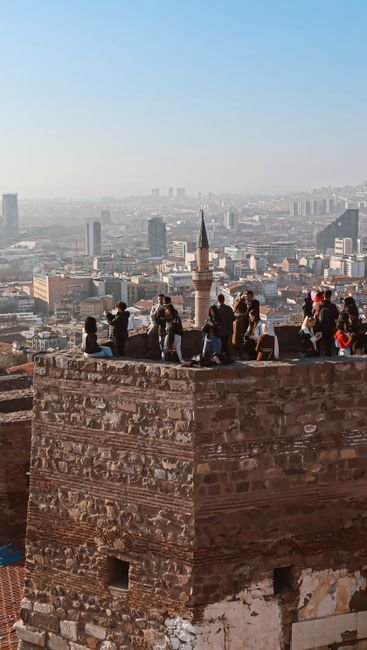
things to do in ankara include exploring ancient citadels, visiting powerful modern-history museums, and eating well in Türkiye’s lively capital. Ankara is a working city with a quieter feel than Istanbul, but it rewards visitors who make time for its neighborhoods and landmarks.
Türkiye’s capital sits in the country’s central Anatolian region. Its wide avenues and government buildings tell one story, while the old streets around Ankara Castle and the collections at the Museum of Anatolian Civilizations tell another. The city is spread out, so a little planning helps you make the most of each day.
This guide brings together the main sights, local food, transport advice, and practical details for a first visit. You will find ideas for different budgets and travel styles, plus tips on when to go and what to check before you set out.
Quick Guide to Ankara
| Plan | Useful details |
|---|---|
| Best time to visit | Spring and autumn usually bring comfortable sightseeing weather. Summers can be hot, while winters are cold and may bring snow. |
| How long to stay | Allow two full days for central highlights. Three days gives you more time for museums, local neighborhoods, and a slower pace. |
| Getting around | Use the metro, buses, taxis, and walking. Check routes and service details with Ankara’s EGO transport authority. |
| Good areas to explore | Ulus for historic sights, Kızılay for central city life, and Kavaklıdere and Tunalı Hilmi for cafés and shopping. |
| Local currency | The Turkish lira. Keep some cash for small purchases, though cards are widely accepted in many businesses. |
| Emergency number | Call 112 for emergency services in Türkiye. |
20 Things to Do in Ankara
Tip 1 – Visit Anıtkabir, the Mausoleum of Mustafa Kemal Atatürk
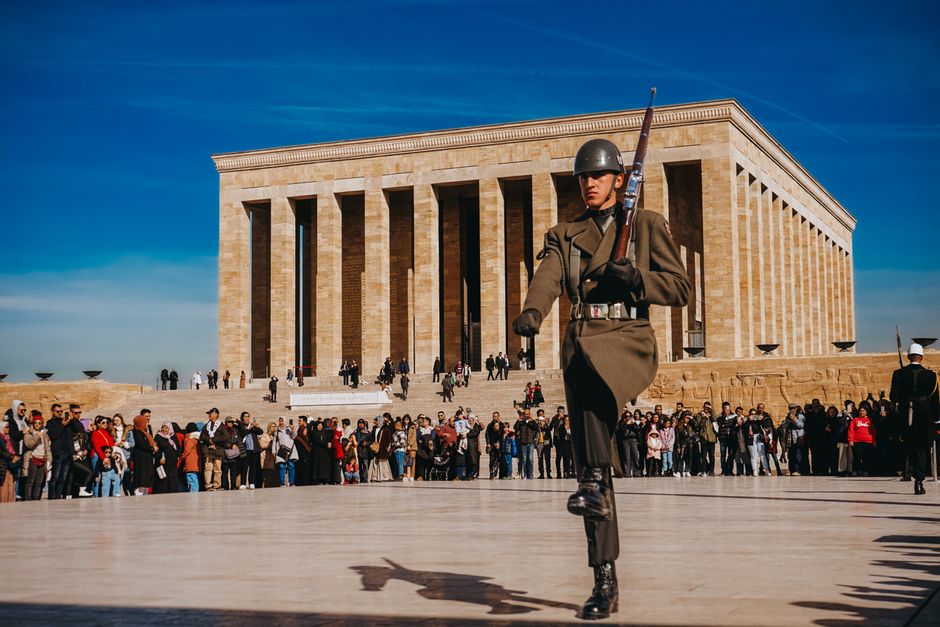
Anıtkabir is one of the most important places to visit in Ankara. This monumental complex is the mausoleum of Mustafa Kemal Atatürk, founder of the Republic of Türkiye. Its broad ceremonial approach, formal towers, and peaceful grounds make a strong impression even before you enter the museum.
Allow at least two hours to walk through the complex and view the exhibits about Atatürk and the early republic. Security procedures and opening times can change, so check current visitor information before you go. Dress respectfully, and remember that this is both a national landmark and a place of remembrance.
Tip 2 – Explore the Museum of Anatolian Civilizations
Set below Ankara Castle, this museum is one of the best introductions to the region’s long history. Its collection covers civilizations from prehistoric Anatolia through the Hittite, Phrygian, and Roman periods. The displays include everyday objects, sculptures, and archaeological finds that help put the country’s famous ancient sites in context.
Go early if you prefer quieter galleries, and check the museum’s current hours and ticket information before visiting. The historic buildings are part of the experience, but there is a lot to see, so give yourself time rather than rushing through every room.
Tip 3 – Walk through Ankara Castle and the old lanes of Ulus
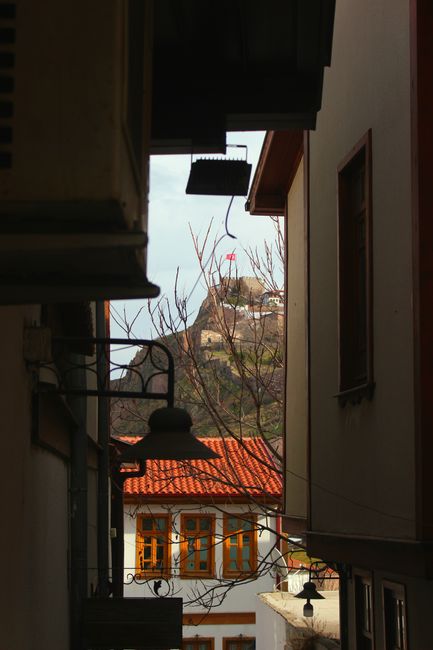
Ankara Castle, or Ankara Kalesi, stands above the older part of the city. Inside and around its walls, narrow streets pass traditional houses, small shops, cafés, and viewpoints. It is a good place to slow down after visiting the nearby museum and to see a more historic side of the capital.
The lanes can be steep and uneven, so wear comfortable shoes. Some viewpoints have open edges and the old streets can be busy, so take care while walking and keep an eye on children. Visit in daylight for an easier first look at the area.
Tip 4 – See the Temple of Augustus and the Roman remains
Near Hacı Bayram Mosque, the remains of the Temple of Augustus offer a glimpse of Roman Ankara. The temple is known for an inscription recording the achievements of Emperor Augustus. You can view the surviving walls from the surrounding area, making this a short stop that fits naturally into a walk around Ulus.
Pair it with the nearby mosque and historic neighborhood rather than planning a long visit around the ruins alone. As with other archaeological remains in the city, access and conservation work may affect what you can see up close.
Tip 5 – Visit Hacı Bayram Mosque and its surrounding square
Hacı Bayram Mosque is an important place of worship and a striking stop in the historic center. The mosque sits beside the Temple of Augustus, linking different periods of the city’s history in one compact area. The square and nearby streets are also a good place to observe everyday city life.
Visitors should dress modestly and follow posted rules. If you enter during prayer times, be quiet and respectful, and avoid interrupting worshippers. Check whether visitor access is available when you arrive.
Tip 6 – Spend time in Ulus, Ankara’s historic center
Ulus is a useful base for a day of sightseeing because several major attractions are close together. In addition to the castle, temple, mosque, and Museum of Anatolian Civilizations, the area has older commercial streets and public squares. It can feel busy and less polished than newer parts of the city, which is part of its character.
Walk between sights where practical, but use a taxi or public transport if you are tired or the weather is harsh. Keep valuables secure in crowded areas, as you would in any busy city center.
Tip 7 – Take in the views from Atakule
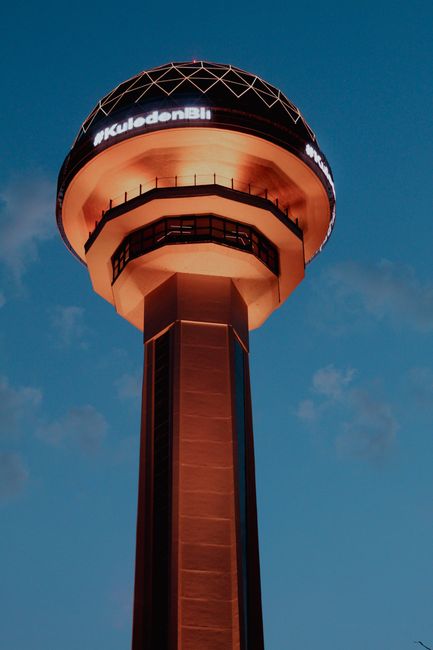
Atakule is a well-known observation tower in the Çankaya area. It gives visitors a chance to look across Ankara’s broad urban landscape and understand how widely the city spreads across the hills. The complex also has places to eat and shop, making it an easy option for a relaxed afternoon or evening.
Visibility varies with weather and air conditions, so the view may be clearer on some days than others. Check current tower access and ticket details before making a special trip.
Tip 8 – Walk or relax in Gençlik Park
Gençlik Park is a central green space near Ulus and Ankara’s main railway station. It offers a break from traffic and museums, with paths and landscaped areas for a gentle stroll. It is a practical stop if you are visiting nearby attractions or have some time between activities.
Facilities and activity levels can vary by season. Visit during daylight, keep track of your belongings, and check locally for current events or any areas that may be closed.
Tip 9 – Browse the shops and cafés around Kızılay
Kızılay is one of Ankara’s busiest central districts, with shops, food stops, offices, and transport connections. It is less of a traditional sightseeing quarter and more a place to see the city going about its day. Stop for a coffee, browse the shopping streets, or use the area as a base for getting across town.
Expect crowds around major intersections and transport hubs. If you are meeting someone, choose a clear landmark or café rather than relying on a vague street address.
Tip 10 – Spend an afternoon around Tunalı Hilmi and Kuğulu Park
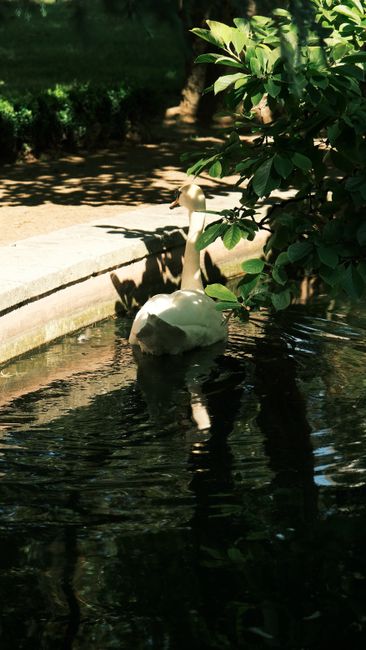
Tunalı Hilmi Street is a popular stretch for cafés, restaurants, shops, and people-watching. Nearby Kuğulu Park is a small green retreat with a pond and paths. The combination makes this a pleasant choice when you want a change from monuments and museums.
The area is especially lively later in the day and at weekends. If you are choosing a restaurant, look at menus and prices before sitting down, as options range from casual to more expensive.
Tip 11 – Try Ankara’s local dishes
Make time for Ankara tava, a hearty dish often made with lamb and rice or pasta, and döner served in local restaurants. You may also see bazlama, a soft flatbread, and regional versions of kebab and grilled meat. Menus can vary, so ask what is freshly prepared if you are unsure.
For a simple lunch, look for a busy lokanta serving home-style dishes. If you have dietary needs, carry a translated note or use a translation app to explain them clearly. Ask about ingredients rather than assuming a dish is vegetarian or free from allergens.
Tip 12 – Enjoy Turkish tea, coffee, and a slow café stop
A café break is an easy way to take a pause between Ankara’s larger attractions. Turkish tea is commonly served in small glasses, while Turkish coffee is strong and prepared unfiltered. In central neighborhoods, you will also find modern coffee shops and bakeries.
Tea is often offered as a gesture of hospitality, but you are not obliged to accept. If you order Turkish coffee, let the grounds settle before drinking and leave the last sediment in the cup.
Tip 13 – Visit the Ethnography Museum for local culture
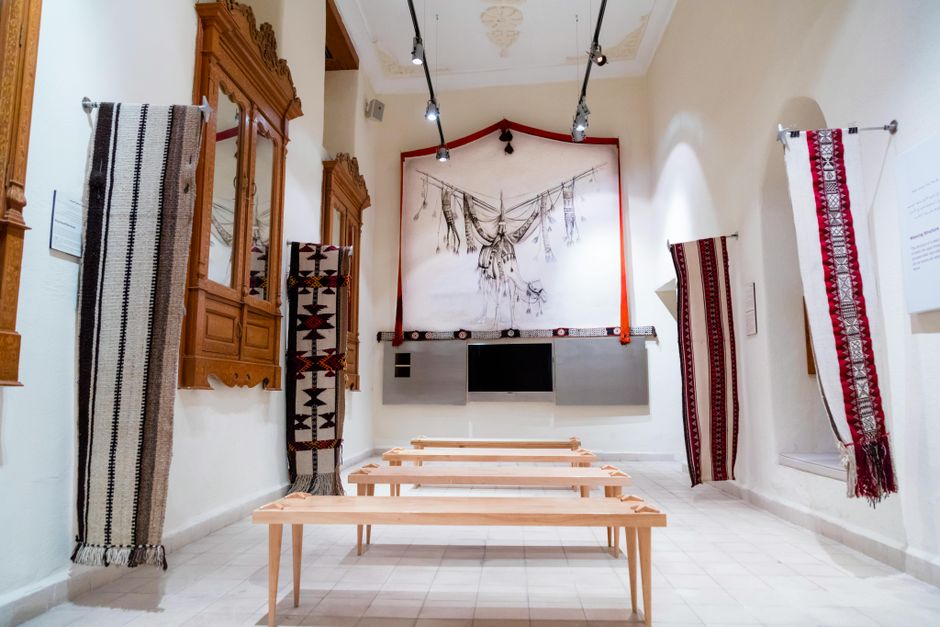
The Ethnography Museum offers a closer look at Turkish arts, crafts, clothing, and traditions. Its collection is a useful complement to the archaeological displays at the Museum of Anatolian Civilizations, especially if you want to understand more about the country’s cultural life.
Check opening hours and any temporary gallery closures before setting out. If you have limited time, choose the museum that best matches your interests rather than trying to fit every collection into one day.
Tip 14 – Add a modern-art or gallery visit to your plans
Ankara has museums and cultural spaces that show a more contemporary side of the capital. Exhibition schedules change, so check current listings before you go. A gallery visit can be a good alternative on a hot afternoon, a cold winter day, or during rain.
Keep some flexibility in your itinerary because temporary exhibitions may have separate admission arrangements or limited hours. Ask at your hotel or check official venue information for what is open during your stay.
Tip 15 – Make time for a local market or neighborhood bakery
Markets and small food shops are an easy way to see ordinary routines beyond the main tourist sights. Depending on the neighborhood and day, you may find fresh produce, olives, cheeses, breads, and seasonal goods. A bakery stop for simit, a ring-shaped sesame bread, is a simple and inexpensive snack.
Market opening days and locations differ, so ask locally rather than assuming a particular market is open every day. Carry small notes or coins for modest purchases, and ask before photographing vendors or customers.
Tip 16 – Choose a family-friendly pace and activities
Families can combine open spaces, shorter museum visits, and easy café breaks rather than packing the day with long indoor stops. Gençlik Park and Kuğulu Park offer room for a pause, while Anıtkabir’s open grounds can be interesting for older children who are ready to learn about modern Turkish history.
Plan around meal times and rest breaks, especially in summer or winter weather. If you are comparing city breaks for younger travelers, this guide to things to do in Savannah, Georgia, with kids offers family-focused ideas for another destination.
Tip 17 – Use public transport for longer journeys
Ankara is large, and walking between distant neighborhoods can take longer than it looks on a map. The metro and bus network can help you reach major areas, while taxis are useful for trips that are awkward by transit. Check routes, operating information, and payment guidance with EGO, Ankara’s public transport authority.
Keep your destination written down or saved on your phone, and confirm the route before boarding. Service hours and fares can change, so check current details rather than relying on an old travel post.
Tip 18 – Take a day trip only if you have enough time
Ankara makes a convenient base for seeing parts of central Anatolia, but day trips can involve long journeys. If you have several days in the capital, look into nearby archaeological sites or towns and compare travel time, transport options, and opening arrangements before booking.
Do not squeeze a distant excursion into a tight schedule. For a short first visit, you will usually get more from staying in Ankara and exploring its museums and neighborhoods at an unhurried pace.
Tip 19 – Pick the season and pack for the weather
Spring and autumn are often comfortable for walking, though temperatures can still shift during the day. Ankara’s inland climate brings hot, dry summer periods and cold winters, sometimes with snow. Check a forecast close to your trip and pack layers, comfortable shoes, and sun protection when needed.
In winter, allow extra time for slippery paths or weather-related transport delays. In summer, carry water and plan outdoor sightseeing for cooler parts of the day.
Tip 20 – Avoid the common mistake of treating Ankara as a quick stop
Many travelers expect Ankara to be only a transport hub or a place for government offices. That can lead them to skip its museums, historic center, and food scene. Give the city at least two full days if you can, and group nearby sights together so you spend less time crossing town.
Another useful habit is checking opening days before you leave your accommodation. Museums, cultural venues, and transport services may have different schedules, and a quick check can save a wasted journey.
Practical Travel Tips for Ankara
Getting from the airport into the city
Ankara Esenboğa Airport is outside the central districts. Depending on your arrival time and destination, you can use an airport bus, taxi, or pre-arranged transfer. Check current services and fares before you travel, and use official airport information at Ankara Esenboğa Airport for airport details.
If you arrive late, confirm that your chosen transport is running and that your accommodation can receive you. For a taxi, use an official taxi rank or a reputable booking option, and make sure the meter is used where applicable.
Safety, useful apps, and emergencies
Ankara is a large city, so use the same awareness you would in other urban destinations. Keep your phone and wallet secure in crowded areas, use well-lit routes at night, and agree on taxi details before the trip. Follow local news and official instructions if there is a public event or disruption.
Save your accommodation address offline, download a map for offline use, and keep a translation app available. The emergency number in Türkiye is 112. For health concerns, ask your insurer or accommodation for suitable local medical options.
Local customs and a few helpful phrases
Polite greetings make everyday interactions easier. You can say “Merhaba” for hello, “Teşekkür ederim” for thank you, and “Lütfen” for please. A simple “İngilizce konuşuyor musunuz?” means “Do you speak English?” Not everyone will speak English, so a translation app can help with menus and directions.
Dress modestly when visiting mosques, remove your shoes where requested, and keep your voice low during prayer. Ask before taking close-up photos of people, and show respect at memorials and religious sites.
Money, bookings, and everyday planning
Cards are accepted in many hotels, restaurants, and larger shops, but cash can be useful for smaller purchases. Check exchange rates and bank fees before changing money, and avoid carrying more cash than you need. Keep a backup payment method separate from your main wallet.
For major museums or special events, check whether tickets need to be booked in advance. For most city walks, advance booking is not essential, but checking opening hours and transport routes is worthwhile.
Visa & Entry Requirements
Entry requirements for Türkiye depend on the passport you travel with and the government rules in force on your travel dates. Visa, passport-validity, electronic authorization, vaccination, customs, and permitted length-of-stay rules are not the same for every traveler. Do not assume that a friend’s experience or an old travel article applies to you.
Before booking or travelling, check the Turkish Ministry of Foreign Affairs’ official visa information for foreigners. Confirm whether your passport requires a visa, whether an electronic visa is available to you, and whether you must apply through an embassy or consulate. Use only official government channels for applications and payments.
Check your passport’s expiry date and any required remaining validity, as well as whether you need blank pages. Requirements can depend on your nationality, the type of document you hold, and the length and purpose of your visit. If you plan to work, study, or stay beyond a short visit, look for the relevant residence or permit information instead of relying on tourist-entry guidance.
It is sensible to carry evidence of your return or onward journey and accommodation details if requested. Consider travel insurance that covers your planned activities and medical needs. Check current health guidance for vaccination requirements, and review customs rules for cash, medicines, food, and other restricted or declarable items before packing.
Keep copies of important documents separately from the originals and save official contact details for your nearest Turkish embassy or consulate. Rules can change without much notice, so recheck the official government information shortly before departure. This is practical travel guidance, not legal advice, and only the relevant authorities can confirm the requirements for your circumstances.
Frequently Asked Questions About Things to Do in Ankara
What are the best things to do in Ankara for a first-time visitor?
Start with Anıtkabir, the Museum of Anatolian Civilizations, Ankara Castle, and the historic sights around Ulus. Add a meal of local food and a walk around Tunalı Hilmi or Kuğulu Park to see a different side of the city.
How many days should I spend in Ankara?
Two full days are enough for several major attractions, but three days allow a more relaxed schedule and time for additional museums or neighborhoods. If you have only one day, focus on sights in Ulus and choose either Anıtkabir or another major museum rather than trying to cover everything.
Is Ankara worth visiting?
Yes, especially if you are interested in Turkish history, museums, modern national landmarks, and everyday city life. Ankara is less geared toward leisure tourism than some Turkish destinations, but its cultural sights and local character make it rewarding with a little planning.
What is the best area to stay in Ankara?
Kızılay is central and useful for transport and dining. Kavaklıdere and the area around Tunalı Hilmi have cafés and shops, while Ulus is convenient for historic attractions. Compare your planned sights, transport access, and evening preferences before choosing accommodation.
Is Ankara easy to get around without a car?
Yes. Metro, buses, taxis, and walking can cover most visitor needs. Since the city is spread out, plan journeys between distant sights and check current service information with EGO before travelling.
What should I eat in Ankara?
Look for Ankara tava, döner, Turkish tea, Turkish coffee, and fresh simit from a bakery. Menus and recipes vary by restaurant, so ask about ingredients if you have dietary restrictions or allergies.
When is the best time to visit Ankara?
Spring and autumn are generally comfortable for sightseeing. Summer can be hot and dry, while winter is cold and may bring snow. The best dates for you depend on your weather preferences and the activities you want to do.
Conclusion: Make Time for the Best Things to Do in Ankara
The best things to do in Ankara bring together the city’s ancient past, modern history, and everyday Turkish life. Visit Anıtkabir, explore the old streets of Ulus, and leave room for a long meal or a relaxed café stop.
Plan your days by neighborhood, check transport and museum information before you set out, and dress for the season. With two or three days, you can see the capital at a comfortable pace and discover why Ankara is more than a stop between destinations.
