
Key Takeaways
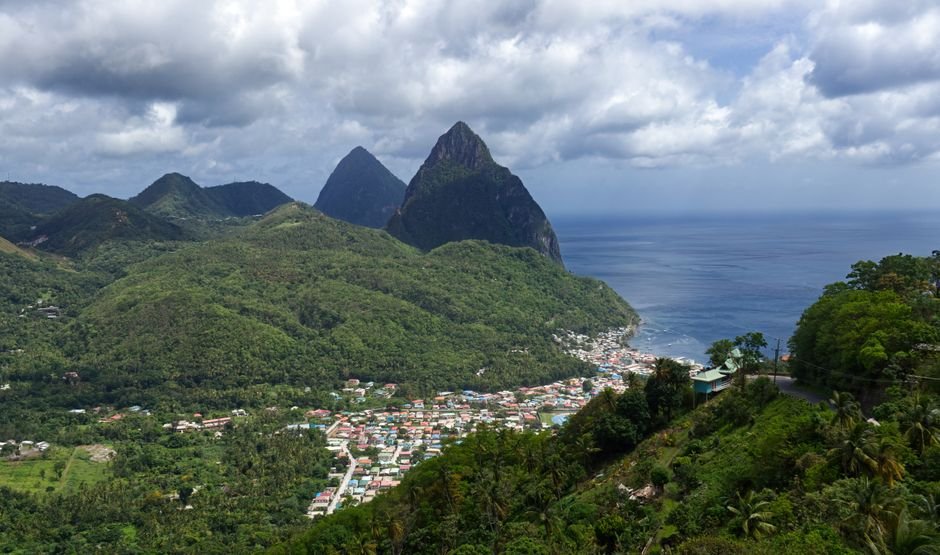
- See the iconic Pitons from Soufrière and choose a guided hike or boat view
- Experience Sulphur Springs mud baths and nearby Toraille Waterfall
- Explore Castries Market, local food, and village life such as Anse La Raye
- Enjoy Reduit Beach, snorkeling and scenic drives while allowing extra time for winding roads
best things to do in st lucia include visiting the Pitons, relaxing in warm Caribbean water, and getting to know Castries and the island’s smaller communities. Saint Lucia is both an island and a country, so this guide covers its capital, Castries, as well as worthwhile trips around the island.
First-time visitors can combine beaches and rainforest with local food, historic sights, and easy-going village stops. The distances may look short on a map, but winding roads can make journeys take longer than expected, so leave room in your plans.
Use this guide to choose experiences that suit your time, budget, and travel style. Some days are best spent on the water, while others call for a slower morning at a market or a scenic drive through the south.
20 Best Things to Do in St Lucia
These ideas cover the island’s best-known attractions and a few simple ways to experience local life. You do not need to fit them all into one trip. Pick a few highlights, then leave time to enjoy the scenery without rushing.
| Experience | Where | Good to know |
|---|---|---|
| See the Pitons | Soufrière | Plan a full day if adding a hike or boat trip. |
| Visit the Sulphur Springs | Near Soufrière | Bring swimwear and sandals for the mud bath area. |
| Explore Castries Market | Castries | Go in the morning for the liveliest atmosphere. |
| Spend time at the beach | Across the island | Beach access and facilities vary by location. |
| Try local food | Castries, Rodney Bay, and village food spots | Ask what is fresh and what is available that day. |
| Walk in the rainforest | Interior and west coast | Use a guide on unfamiliar trails and check conditions. |
Tip 1 – Take in the Pitons from Soufrière

The twin peaks of Gros Piton and Petit Piton are Saint Lucia’s most recognizable landmarks. Soufrière is a useful base for seeing them, whether you admire the view from the coast, take a boat trip, or make a day of exploring nearby attractions.
The Pitons are part of a UNESCO World Heritage Site. Read the UNESCO description of the Pitons Management Area for background on this dramatic landscape. Visibility can change with clouds, so do not worry if the peaks are partly covered during your visit.
Tip 2 – Hike Gros Piton with a guide
A guided hike up Gros Piton is a challenging way to see the island’s interior and coastline. The route is steep and can be hot, with uneven sections that require steady footing. It is not a casual stroll, so consider your fitness and the weather before booking.
Arrange the hike through an authorized local operator or visitor center, and confirm what the fee includes. Wear proper walking shoes, carry water, and start early. If you have knee, heart, or mobility concerns, enjoy the view from lower ground instead.
Tip 3 – Visit the Sulphur Springs and take a mud bath

The Sulphur Springs near Soufrière are a popular stop for the geothermal landscape and warm mud baths. The visit is easy to pair with a Pitons viewpoint or a waterfall. Expect a well-visited attraction rather than a quiet natural pool, especially when tour groups arrive.
Bring an old swimsuit, sandals, and a towel, and follow staff instructions around the hot areas. The mud can stain light-colored fabric, and people with sensitive skin may prefer to skip it. Check current admission details and opening arrangements before setting out.
Tip 4 – Cool off at Toraille Waterfall
Toraille Waterfall is an accessible stop near Soufrière, where water drops into a small pool surrounded by greenery. It is often included in island tours, so arriving early or visiting outside the busiest tour hours can make the experience more relaxed.
Wear shoes that can handle wet ground and check the water conditions before entering. The pool is not a substitute for a supervised swimming area, and conditions may change after heavy rain. Keep valuables secured rather than leaving them unattended near the water.
Tip 5 – Explore Castries Market and the waterfront
Castries is the capital and a practical place to get a feel for everyday island life. Castries Market is a good stop for fruit, spices, local crafts, and quick conversations with vendors. Mornings are usually the best time to browse, though the market’s pace changes with the day and cruise-ship schedules.
After the market, walk around the waterfront and central streets, allowing time for traffic and the tropical heat. Ask before photographing people or their stalls, and compare prices politely if you are shopping for souvenirs. The city is useful for culture and errands, but it is not a resort-style beach town.
Tip 6 – Spend a beach day at Reduit Beach
Reduit Beach in the Rodney Bay area is a convenient choice for swimming, a long sandy shoreline, and nearby places to eat. Facilities and activity levels can vary, and parts of the beach may be busier when visitors arrive from cruise ships or hotels.
Check whether loungers or water activities have a separate charge before settling in. Keep an eye on your belongings, use reef-safe sun protection where available, and follow local advice about currents. For a quieter beach outing, ask your accommodation which nearby stretches are suitable on that day.
Tip 7 – Snorkel in clear water

Snorkeling is one of the easiest ways to enjoy Saint Lucia’s coastal scenery. You can join a boat outing or ask a local operator about suitable shore spots. Water clarity, waves, and marine life vary, so a tour cannot promise a particular sighting.
Use a well-fitting mask, avoid touching coral, and follow the guide’s instructions. If you are not a confident swimmer, choose a supervised outing with flotation support. Check what is included in the price and whether equipment is provided before booking.
Tip 8 – Take a boat trip along the west coast
A boat trip can offer a different view of the Pitons and the villages along Saint Lucia’s west coast. Some excursions combine coastal sightseeing with time for swimming or snorkeling. Choose a trip length that leaves you enough time to get back to your accommodation without a rushed evening journey.
Ask about the boat’s safety equipment, weather cancellation policy, and return time. Bring sun protection, drinking water, and any medication you may need. If you are prone to motion sickness, prepare before departure and choose a seat that feels comfortable.
Tip 9 – Walk through Pigeon Island National Landmark
Pigeon Island National Landmark combines coastal views, historic remains, and walking paths in the north of the island. It is a good option for visitors who want a break from resort time without committing to a long hike. Allow a few hours to explore at an easy pace.
Some paths are exposed to the sun and include slopes, so wear comfortable shoes and carry water. Check current access and admission information before going. The views are a highlight, but the site is not fully shaded, so a hat makes a difference.
Tip 10 – Try local food and fresh island produce

Make room for Saint Lucian dishes such as green fig and saltfish, provisions, stewed meats, and fresh seafood. Menus and ingredients change with the season and the restaurant, so ask what is made locally that day. Castries Market is also a friendly place to see the produce used in home cooking.
For a relaxed meal, try a local café or roadside food spot recommended by your host. If you have allergies or dietary needs, explain them clearly before ordering. A dish described as spicy may be hotter than expected, so ask for the seasoning on the side if you are unsure.
Tip 11 – Sample cocoa and local chocolate
Cocoa has a long history in Saint Lucia, and some farms and visitor experiences introduce travelers to the process from cacao pod to chocolate. Tours and availability vary, so check directly with the operator and book ahead if you have a particular farm in mind.
This can be a rewarding choice for families and food lovers, especially on a rainy day. Expect a mix of learning and tasting rather than a large factory-style attraction. Ask whether transport is included, as rural roads and distances can make independent visits less straightforward.
Tip 12 – Visit a fishing village such as Anse La Raye
Smaller communities can show a quieter side of the island. Anse La Raye is known for its coastal setting and local food, while other villages offer their own shops, churches, and everyday rhythms. Be respectful when walking through residential areas and remember that people are going about their normal routines.
Check locally for community events or food evenings, as schedules can change. These gatherings are not guaranteed to take place every week, and transport back to your hotel may be limited late at night. Arrange a return ride in advance and carry cash for small purchases.
Tip 13 – Explore the rainforest with a local guide

Saint Lucia’s forested interior is a welcome contrast to its beaches. Guided walks can help you learn about local plants, birds, and the island’s landscape while reducing the chance of losing your way. Choose a route that suits your fitness and ask how long it takes in normal conditions.
Wear light clothing that covers your skin, shoes with a good grip, and carry water and insect repellent. Rain can make trails slippery, even when the coast is sunny. Follow park and guide instructions, and do not leave food or rubbish along the trail.
Tip 14 – Enjoy a sunset in Rodney Bay
Rodney Bay is one of the island’s more developed areas, with restaurants, shops, and places to spend an easy evening. It is a practical base for visitors who want services close by, though it can feel busier and more built-up than Soufrière or smaller coastal villages.
Choose a restaurant with a view, take a short waterfront walk, or simply enjoy the evening atmosphere. Prices can vary widely, so look at menus before sitting down. If you are traveling as a couple, you might also enjoy our guide to 20 Fun and Best romantic things to do in dallas when planning a separate city break.
Tip 15 – Take a scenic drive through the south
The route between the north and Soufrière passes through striking coastal and mountain scenery. A day trip by taxi or with a driver can include viewpoints, villages, and selected attractions without the stress of navigating unfamiliar roads. Build in extra time because bends, roadworks, and local traffic can slow the journey.
Agree the itinerary and price with a taxi driver before leaving, including any waiting time. Self-driving is possible, but narrow, steep roads and left-side driving may take adjustment. Avoid planning too many stops in one day, especially if you need to return after dark.
Tip 16 – Choose a family-friendly day outdoors
Families can combine a short beach visit with a waterfall stop, a market walk, or a gentle garden visit. Keep the schedule flexible and choose activities with shade, toilets, and places to rest. A full island tour may be tiring for young children because of the winding roads.
Check age limits and safety arrangements for boat trips and hikes before booking. Pack snacks, water, sun protection, and a change of clothes. For younger children, a calm beach with easy access may be more enjoyable than trying to cover several attractions.
Tip 17 – Find low-cost ways to enjoy the island
Not every memorable day in Saint Lucia needs a tour. You can browse Castries Market, spend time at a public beach, take a village walk, or enjoy views from accessible roadside viewpoints. Some attractions charge admission or require a guide, so check current costs before you travel across the island.
Local minibuses are generally cheaper than private taxis, but routes and schedules may not suit every sightseeing plan. Carry small Eastern Caribbean dollars for fares and snacks. If you are on a tight budget, choose one paid activity each day and fill the rest with beach time and local food.
Tip 18 – Learn a few local phrases and customs
English is the official language of Saint Lucia, and Saint Lucian Creole, often called Kwéyòl, is widely spoken. A warm greeting such as “Bonjou” in the morning or “Bonswè” in the evening is a thoughtful way to start a conversation. People may appreciate a polite “please” and “thank you” just as much.
Dress respectfully when visiting churches and local communities, and ask permission before taking close-up photos. Tipping practices depend on the business, and some bills include a service charge. Check the receipt rather than assuming a tip has or has not been added.
Tip 19 – Pick the right season for your trip
Saint Lucia is warm throughout the year. The drier period, usually from December to April, is popular with visitors and can bring higher prices and busier accommodation. The wetter months can still include plenty of sunshine, but showers may affect hiking, road travel, or water activities.
The Atlantic hurricane season runs from June to November. That does not mean a storm will affect your trip, but it is sensible to review forecasts, understand your accommodation’s cancellation policy, and consider travel insurance. Book popular hotels and tours early for peak holiday dates.
Tip 20 – Plan transport, safety, and practical details
Saint Lucia drives on the left, and roads can be steep, narrow, and winding. Taxis are convenient but may be costly for long journeys, while minibuses are a more local and budget-friendly option. Ask your accommodation about trusted drivers and current route details. Agree taxi fares before you set off.
Use offline maps because mobile coverage can vary, and save your accommodation’s contact details. Keep valuables out of sight, use well-lit routes at night, and follow local advice about swimming conditions. Carry a light rain layer, insect repellent, sun protection, comfortable shoes, and a plug adapter if your devices need one. Confirm the local emergency number with your hotel or host when you arrive.
Visa & Entry Requirements
Saint Lucia’s entry rules depend on the passport you travel with and the government policies in force on your travel date. Visa requirements, passport validity, any electronic travel authorization, vaccination rules, customs procedures, and permitted length of stay can differ between travelers. Do not rely on another visitor’s experience as confirmation that the same rules apply to you.
Before booking or departure, check the Government of Saint Lucia website and contact a Saint Lucian embassy, consulate, or official immigration office if you need clarification. Confirm whether you need a visa or other authorization, how much passport validity is required, and whether your passport needs blank pages. Requirements can change, so check again close to your departure date.
Keep practical travel documents easy to access. Depending on your circumstances, border officials may ask about your return or onward journey, accommodation, and ability to support your stay. Carry copies of hotel bookings and travel insurance details, but protect your personal information and keep the originals secure. Travel insurance is not a substitute for meeting entry conditions, but it can help with unexpected medical or travel costs.
Review current customs rules before packing food, medicines, plants, alcohol, or other restricted goods. Declare items when required and keep prescriptions with their original labels where possible. Any vaccination or health documentation requirement must be checked against the current official policy for your route and passport. Transit countries may have their own conditions too.
These are practical planning reminders, not legal advice or a guarantee of entry. The final decision rests with the relevant authorities, and airline staff may check documents before boarding. Use official government information for the latest requirements and allow time to resolve questions before your flight.
Frequently Asked Questions
What are the best things to do in St Lucia for a first visit?
For a first trip, consider seeing the Pitons, visiting the Sulphur Springs, spending time at a beach, and trying local food in Castries or a village. Add a boat outing or a guided rainforest walk if you have enough days. The best things to do in St Lucia depend on whether you prefer active days, easy beach time, or a mix.
How many days should I spend in Saint Lucia?
Five to seven days gives many visitors time for a few major sights and some relaxed beach time. A shorter stay can work if you choose one base and limit long drives. The island’s roads are winding, so avoid judging travel time by distance alone.
Is Castries a good base for exploring the island?
Castries is useful for the market, services, and transport connections, but it is not the best base for every visitor. Rodney Bay offers more resort facilities in the north, while Soufrière is convenient for the Pitons and southwest attractions. Choose based on the places you most want to see.
What is the best time of year to visit Saint Lucia?
December to April is usually the drier and busiest period. May to November can bring lower rates and occasional heavy rain, with hurricane season running from June to November. Check forecasts and booking conditions before travel, whatever month you choose.
Is Saint Lucia suitable for a family holiday?
Yes, families can enjoy beaches, boat outings, markets, and shorter nature visits. Check age and safety requirements before booking activities, and avoid packing too many stops into one day. Travel times on winding roads can be tiring for children.
Can I get around Saint Lucia without renting a car?
Yes. Taxis and local minibuses are options, and many hotels can arrange drivers or tours. Minibuses are often less expensive but may not reach every attraction at convenient times. Ask about return transport before heading to a remote beach or village.
What currency should I bring to Saint Lucia?
The Eastern Caribbean dollar is the local currency. Some businesses may accept US dollars, but the exchange rate and change given can vary. Carry some local cash for markets, small shops, and minibus fares, and check card acceptance before relying on it.
Conclusion
The best things to do in St Lucia range from an ambitious Gros Piton hike to an unhurried morning in Castries Market. The island’s scenery is the main draw, but local meals, village stops, and time on the water can make a visit feel more personal.
Choose a convenient base, allow extra time for road journeys, and check conditions before outdoor activities. You will have a better trip by selecting a handful of highlights rather than trying to see every corner at once.
With thoughtful planning and room for a slower day, you can enjoy Saint Lucia at your own pace. Whether you come for the Pitons, the beaches, or the welcoming food and culture, the island offers plenty of reasons to return.
