
Key Takeaways
- Walk Tribeca's cast-iron streets and admire historic architecture.
- Enjoy waterfront views at Hudson River Park and the Irish Hunger Memorial.
- Sample local bakeries, cafes, and diverse restaurants for budget-friendly meals.
- Use subway or bus for longer trips and check transit updates before heading out.
things to do in tribeca range from admiring cast-iron buildings to eating well and strolling beside the Hudson River in Lower Manhattan. This New York City neighborhood is in the United States, and its mix of quiet streets, galleries, restaurants, and waterfront paths makes it a rewarding break from busier parts of Manhattan.
Tribeca is short for “Triangle Below Canal Street,” although the neighborhood’s borders are not always defined in exactly the same way. It is easy to explore on foot, but a little planning helps because attractions and shops are spread across several blocks.
Use this guide to choose things to do in tribeca that suit your schedule, budget, and travel style. You will find landmark walks, food ideas, family-friendly stops, transport tips, and practical advice for a first visit.
20 Things to Do in Tribeca
Tip 1 – Walk among Tribeca’s cast-iron buildings
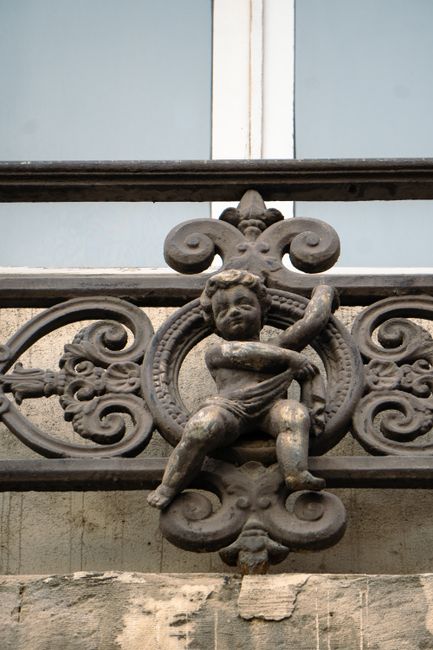
Start with a slow walk along streets such as Franklin, White, and Jay. Look up to notice old warehouses, broad windows, fire escapes, and decorative ironwork that recall the area’s industrial past.
Many buildings now hold homes, studios, shops, and restaurants, so keep to public sidewalks and be considerate around residential entrances. Comfortable shoes are useful on the neighborhood’s paved streets.
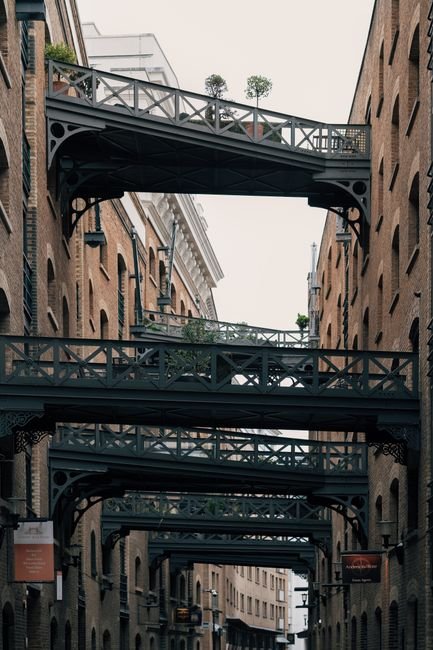
Tip 2 – Find the Staple Street skybridge
Staple Street is one of Tribeca’s most photographed little lanes. Its narrow passage and elevated bridge between buildings make an unusual sight in a city of broad avenues.
It is a residential area, not a visitor attraction with facilities. Take a quick look from the public street, keep noise low, and avoid blocking doorways or photographing residents at close range.
Tip 3 – Browse the neighborhood’s galleries

Tribeca has contemporary art galleries tucked into former industrial spaces. Gallery schedules and opening hours can change, so check individual listings before setting out. Some spaces welcome casual visitors, while others may be appointment-based.
Plan a gallery stroll around a few nearby addresses rather than expecting a large museum-style collection. If you want a major museum visit, the Whitney Museum’s visitor information can help you plan a separate trip nearby in the Meatpacking District.
Tip 4 – Take a waterfront walk in Hudson River Park
Head west to Hudson River Park for open-air paths, river views, benches, and a change of pace from city blocks. It is a pleasant place for a morning walk or a short rest between visits.
Park features and pier access can vary with weather, maintenance, and events. Check the Hudson River Park website for current information, and follow signs around construction or restricted areas.
Tip 5 – Visit Washington Market Park
Washington Market Park is a compact green space with a playground and seating that can make a welcome stop for families. It is also a good place to pause with a takeaway snack after exploring nearby streets.
Facilities and programming may vary by season. Keep an eye on children near play equipment, and remember that this is a neighborhood park used by local families as well as visitors.
Tip 6 – See the Irish Hunger Memorial
The Irish Hunger Memorial, close to the Hudson River, combines a stone landscape with a memorial to the Great Irish Famine. It offers a thoughtful visit and a different kind of outdoor stop from the area’s architecture and shops.
Allow time to read the information on site and approach the memorial respectfully. It is an easy addition to a waterfront walk, but check access conditions before going.
Tip 7 – Make time for the 9/11 Memorial and Museum
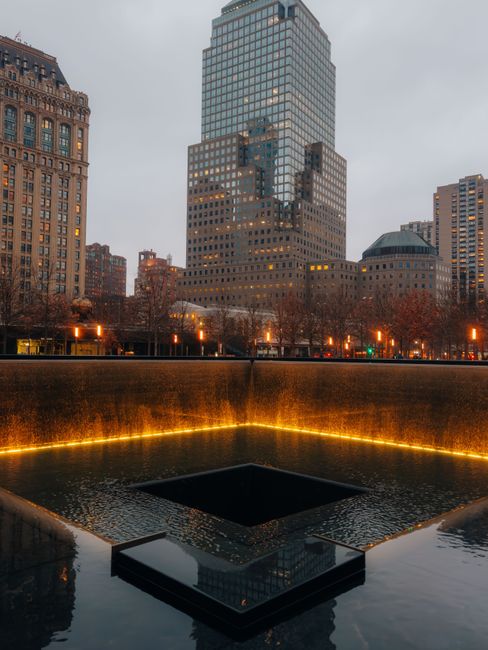
The 9/11 Memorial is just east of Tribeca, at the World Trade Center site. The outdoor memorial pools are a quiet place for reflection, while the museum offers a detailed account of the attacks and their impact.
Give yourself time for the visit and check the 9/11 Memorial & Museum visitor information for opening hours, tickets, and visitor guidance. The subject matter can be emotionally difficult, so consider whether the museum is right for everyone in your group.
Tip 8 – Try a neighborhood bakery or coffee shop
One of the simple pleasures of things to do in tribeca is taking a break at a local bakery or café. Choose a spot that catches your eye, order a coffee and pastry, and enjoy the slower feel of the side streets.
Popular places can be busy at breakfast and weekend brunch. If you have a specific café in mind, check its hours and whether it offers counter service, table service, or takeaway.
Tip 9 – Plan a proper meal in Tribeca
The neighborhood has restaurants serving a range of cuisines, from casual meals to special-occasion dining. Check menus and prices before you book, as Tribeca includes plenty of higher-priced options.
For dinner on a weekend or at a well-known restaurant, reserve ahead when possible. Ask about dietary needs before arriving, and check whether the listed price includes service or whether a tip is expected.
Tip 10 – Explore the neighborhood on foot
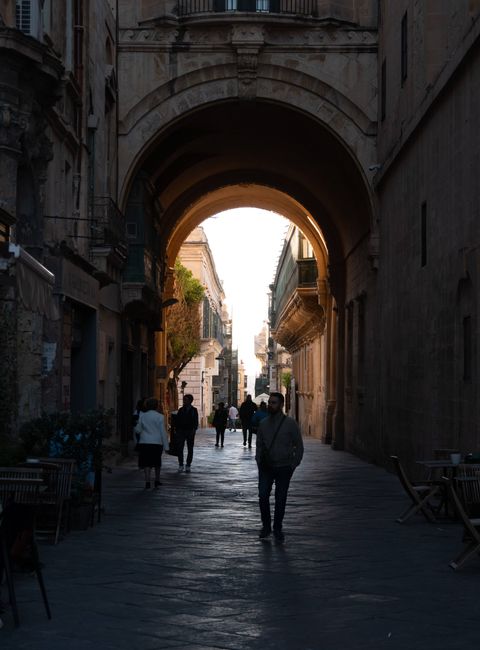
Walking is one of the best ways to appreciate Tribeca’s changing streets and old warehouse details. Make a loose route between the waterfront, Franklin Street, and the blocks near Broadway, then leave time to wander.
Check a map before you set off, since Manhattan’s street grid can feel confusing where it meets older, irregular streets. Watch for cyclists and traffic at crossings, and do not stop in the middle of narrow sidewalks for photos.
Tip 11 – Look for film and television locations
Tribeca’s architecture and quiet lanes have appeared in film and television productions. You may recognize a building or street from a screen, but there is no single official route covering every location.
Enjoy the search as part of a walk rather than treating private buildings as attractions. If a location is a home or workplace, view it from the public sidewalk and respect people who live or work there.
Tip 12 – Visit during the Tribeca Festival if dates suit
The Tribeca Festival brings film, television, music, talks, and other events to venues across New York City. Some screenings and programs may be in or near Tribeca, but the festival’s footprint and schedule can change each year.
Check the official festival program before planning around it. Tickets for popular events can sell quickly, and a festival visit may mean busier streets and higher demand for nearby dining.
Tip 13 – Enjoy the neighborhood’s river views at sunset

Walk west toward the Hudson River near the end of the day for open sky and changing light over the water. Sunset time shifts through the year, so check the local forecast and sunset time before you go.
Bring a light layer because the waterfront can feel breezier than the streets inland. Stay on marked paths and use care near the water, especially when visiting with children.
Tip 14 – Make it an easy outing with children
For families, combine a short architecture walk with Washington Market Park or a waterfront break. A flexible plan works better than trying to cover too many stops in one day, especially with young children.
Build in snack and restroom breaks, and check ahead for accessible facilities. If you are traveling with teenagers, a few offline activities can help during waits or subway rides. These fun ideas for things to do when bored may also offer inspiration for a quiet travel moment.
Tip 15 – Keep a budget-friendly day simple
You can enjoy Tribeca without booking a costly activity. Walk the streets, visit public outdoor spaces, admire the architecture, and choose an affordable café or takeaway meal.
Prices in Lower Manhattan can add up, particularly for sit-down meals and drinks. Look at menus before entering, and remember that New York City sales tax may be added to advertised prices.
Tip 16 – Choose the best time to visit
Spring and fall often bring comfortable walking weather, while summer can be hot and humid and winter can be cold and windy. Each season has its own appeal, so dress for the forecast rather than relying on averages.
Weekday mornings can feel quieter than weekend brunch hours, though gallery and business opening times vary. Check local event calendars if you prefer to avoid festival crowds or busy restaurant periods.
Tip 17 – Use the subway and buses for longer trips
Tribeca is walkable, but the subway and buses are useful for reaching other parts of Manhattan and New York City. Stations and lines serving the area vary by exact starting point, so check the route before leaving.
Use the Metropolitan Transportation Authority website for service changes, fare information, and accessibility details. A contactless payment method or accepted transit card can make trips easier, but confirm current payment options with the MTA.
Tip 18 – Download useful apps and keep your phone ready
A map app helps with the neighborhood’s uneven street pattern, while transit apps can show route changes and estimated journey times. Save your hotel address and important reservations offline in case your data connection drops.
Carry a portable charger if you plan to use your phone for navigation and photos throughout the day. For current service information, rely on transport authority updates rather than an old screenshot of a route.
Tip 19 – Know basic safety and emergency information
Tribeca is a busy part of a major city, so use the same awareness you would in other urban neighborhoods. Keep valuables secure, pay attention when crossing streets, and avoid displaying expensive items unnecessarily.
In the United States, call 911 for an immediate police, fire, or medical emergency. For a non-urgent problem, ask your hotel or a local authority for the appropriate service. At night, stay on well-lit streets and use a licensed ride service or taxi if you do not want to walk.
Tip 20 – Avoid the most common visitor mistake
A common mistake is treating Tribeca as one compact attraction with everything on a single street. It is a residential neighborhood with points of interest spread across several blocks, and some shops and galleries have limited hours.
Choose a few priorities, check opening times, and leave room for walking and meals. That approach makes things to do in tribeca feel more relaxed and helps you avoid spending the whole visit rushing between pins on a map.
Quick Reference for Visiting Tribeca
| What to plan | Useful advice |
|---|---|
| Best way to explore | Walk between streets and waterfront stops, then use transit for longer journeys. |
| Good outdoor breaks | Hudson River Park, Washington Market Park, and the Irish Hunger Memorial. |
| Food and drink | Check menus and reserve ahead for popular dinner spots or weekend brunch. |
| What to wear | Comfortable walking shoes and layers suited to the day’s weather. |
| Useful planning step | Check attraction hours, transit service, and event dates before setting out. |
| Emergency number | Call 911 in the United States for an immediate emergency. |
Visa & Entry Requirements
Visa & Entry Requirements
Tribeca is in New York City, United States, so visitors must meet the entry requirements set by the U.S. government. The rules depend on your passport, reason for travel, travel history, and current government policy. Requirements can change, so do not rely only on an old travel blog or advice from someone with a different nationality.
Before booking or departure, check the U.S. Department of State’s official visa information and the U.S. Customs and Border Protection website. Travelers using the Visa Waiver Program may need authorization through ESTA before travel. Eligibility and approval are not automatic, and an approved travel authorization is not the same as a guarantee of admission at the border.
Check that your passport meets the rules that apply to your nationality and travel dates. Passport-validity requirements and any need for blank pages can vary, so confirm them with the relevant official guidance or U.S. embassy or consulate. Also check whether you need a visa or electronic travel authorization, how long you may stay, and whether your planned activity is allowed under your travel status.
Keep useful supporting details accessible, such as return or onward travel information, your accommodation address, and evidence of funds or travel plans if requested. Travel insurance is not a substitute for entry permission, but it can help with unexpected medical or trip costs. Check vaccination and health recommendations from appropriate official sources before traveling.
Customs rules also depend on what you bring into the United States. Declare goods when required, and check restrictions for food, plants, medicines, cash, and other items with U.S. Customs and Border Protection. These are general planning points, not legal advice or a guarantee of entry. Use the official U.S. government guidance and your nearest U.S. embassy or consulate for the final requirements that apply to your passport.
Frequently Asked Questions
Is Tribeca worth visiting on a first trip to New York City?
Yes, especially if you enjoy architecture, galleries, restaurants, and quieter walks. It is easy to pair with the World Trade Center area or a walk along the Hudson River, though it has fewer big-ticket attractions than some other Manhattan neighborhoods.
How long should I spend exploring Tribeca?
Allow a few hours for a neighborhood walk, a meal, and one or two nearby stops. If you plan to visit the 9/11 Museum or attend a festival event, set aside more time and check ticket and opening details in advance.
What are the best free things to do in Tribeca?
Walking the streets to see the architecture, spending time in public park areas, and viewing the Irish Hunger Memorial are good low-cost options. The 9/11 Memorial outdoor site is also a place for reflection; check current visitor guidance before your visit.
Is Tribeca easy to explore without a car?
Yes. Walking is practical within the neighborhood, and New York City subway and bus services connect Tribeca with other areas. Check current MTA routes and service notices because the most convenient station depends on your exact destination.
What should I wear for a day in Tribeca?
Wear comfortable shoes and dress for the season and forecast. You may cover several blocks on foot, and the waterfront can be windier than streets farther inland. A light layer is useful in changing weather.
Are things to do in tribeca suitable for families?
Yes. Families can enjoy a manageable architecture walk, a park stop, and a relaxed meal. Consider the age and interests of children before choosing the 9/11 Museum, as its subject matter is serious and may be upsetting for some visitors.
Conclusion
Tribeca offers a quieter, more neighborhood-focused side of New York City. Its cast-iron architecture, small galleries, waterfront paths, parks, and restaurants make it easy to shape a visit around your interests.
Check opening hours and transit updates, plan a few stops rather than trying to see everything, and leave time to walk without a strict schedule. With those simple preparations, things to do in tribeca can fit naturally into a first trip to New York City and the United States.
