
Key Takeaways
- Walk Savannah’s historic squares for free, enjoying gardens and shaded benches
- Relax in Forsyth Park’s fountain area, bring water and watch locals on weekends
- Use the free Savannah Belles Ferry for river views and easy crossing to Hutchinson Island
- Explore River Street, City Market, and Starland murals at your own pace, staying aware of uneven surfaces
free things to do in savannah ga include wandering under live oaks, exploring historic squares, and watching the riverfront without spending much. Savannah, Georgia, is a welcoming city in the United States where many of the best experiences are outdoors and easy to enjoy at your own pace.
The historic district is compact, but summer heat, occasional rain, and paid parking can affect your plans. A little preparation helps you make the most of the free attractions while keeping costs under control.
This guide covers free sights, neighborhood walks, local transport, practical safety tips, and useful planning advice for a first visit to Savannah.
20 Free Things to Do in Savannah GA
Tip 1 – Walk through the Historic District squares

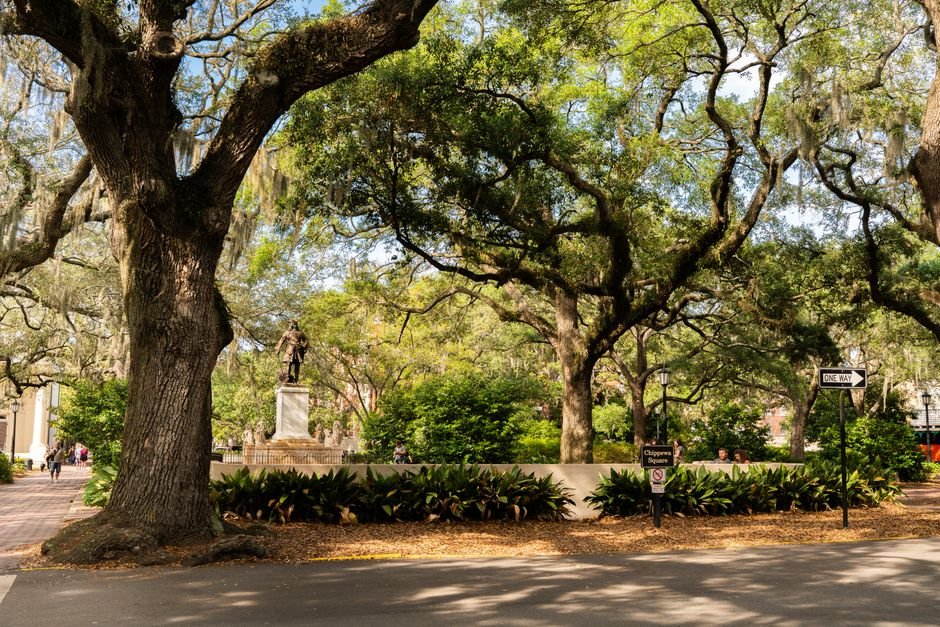
Savannah’s historic squares are small public gardens set among streets of preserved homes, churches, and shops. Start near Chippewa Square or Wright Square, then follow the shaded streets toward Monterey Square and Forsyth Park. The squares are free to visit and make good places to pause between walks.
Take care when crossing streets, as cars use many of the same routes. Some squares have benches and shade, but availability varies.
Tip 2 – Relax in Forsyth Park
Forsyth Park is one of Savannah’s best-known green spaces. Walk past the famous fountain, explore the paths, or find a quiet bench beneath the trees. The park is free to enter and is a pleasant break from the busier downtown streets.
Bring water on warm days, and remember that the fountain is a popular photo spot. The park can be busy on weekends and during local events.
Tip 3 – Stroll along River Street

River Street runs beside the Savannah River and is lined with historic buildings, shops, restaurants, and public viewpoints. Browsing the street and watching ships pass is free, though shops and restaurants can make it tempting to spend more.
The old cobblestones can be uneven and slippery after rain. Wear comfortable shoes, especially if you plan to walk down toward the riverfront from the higher streets.
Tip 4 – Ride the Savannah Belles Ferry
The Savannah Belles Ferry connects the downtown riverfront with the Savannah Convention Center and Hutchinson Island. The ferry is free, making it a useful way to enjoy river views without paying for a sightseeing cruise.
Check the current operating schedule before setting out, as service times and routes can change. The ferry is a transport service, so allow extra time if you are relying on it to reach a specific destination.
Tip 5 – Explore City Market
City Market is a lively pedestrian area with galleries, restaurants, and historic buildings. You can walk through the open public spaces, look at the architecture, and enjoy the atmosphere without buying anything.
There are often musicians and other activity nearby, but performances and events vary. If you are keeping to a strict budget, decide on a food or shopping allowance before you arrive.
Tip 6 – Visit Colonial Park Cemetery
Colonial Park Cemetery is a historic burial ground in the center of Savannah. Visitors can walk along the paths and read some of the visible gravestones, which offer a quiet look at the city’s past.
Be respectful of the site and follow any posted opening hours or rules. It is an active historic place, not simply a photo backdrop, so avoid stepping on graves or disturbing markers.
Tip 7 – See Bonaventure Cemetery

Bonaventure Cemetery is known for its historic monuments, live oaks, and peaceful setting. Visitors can explore on foot during public opening hours. Check current visitor information before going, and remember that guided tours may have a fee even when self-guided entry is free.
The cemetery is outside the main downtown walking area, so plan how you will get there and back. Be respectful of mourners and cemetery staff, and follow any posted photography rules.
Tip 8 – Admire Jones Street’s historic homes
Jones Street is a beautiful route for a quiet architecture walk. Look for iron balconies, brick sidewalks, old trees, and carefully maintained homes. It is a residential street, so enjoy the scenery quietly and avoid blocking entrances or photographing people without permission.
Pair the walk with nearby squares to create an easy, free route through the historic district.
Tip 9 – Look around the Cathedral Basilica of St. John the Baptist
The cathedral’s twin spires and detailed exterior are among Savannah’s most recognizable sights. You can admire the building from outside for free. If you hope to enter, check the current visitor and service schedule, as access may be limited during worship or special events.
Dress respectfully if you go inside, and follow any guidance from staff. Donations may be welcomed, but they are not the same as a required admission charge.
Tip 10 – Take a self-guided architecture walk

Make your own route through the Historic District and notice the range of architecture, from Georgian and Federal details to Greek Revival and Victorian styles. Savannah’s official tourism site, Visit Savannah, can help you identify neighborhoods and current visitor information.
Take photos from public sidewalks and do not enter private courtyards or buildings unless they are open to visitors. A free self-guided walk offers flexibility, but it will not include the detailed stories provided by a paid guide.
Tip 11 – Find free events and outdoor performances
Community events, seasonal festivals, and outdoor performances sometimes take place in Savannah’s parks and public spaces. Check local event listings before your trip, and confirm whether an event is free, ticketed, or donation-based.
Outdoor schedules can change because of weather. Keep a flexible backup plan, especially during the hot or rainy months.
Tip 12 – Explore the Starland District
The Starland District has murals, independent businesses, and a different feel from the historic center. Walking around and viewing public art is free, while cafes, shops, and galleries offer optional ways to spend.
It is a longer walk from some parts of downtown. Consider local transit or a rideshare if the weather is hot or you are short on time.
Tip 13 – Watch ships and the river from public viewpoints

Find a public spot along the riverfront and watch cargo ships, ferries, and smaller boats move along the Savannah River. The scale of the port gives this part of the city a working waterfront feel that is different from the garden squares.
Stay behind barriers and use marked pedestrian areas. Riverfront surfaces can be uneven, and the water’s edge is not a place for unsupervised children.
Tip 14 – Visit the African-American Monument
The African-American Monument on River Street honors the strength and history of African Americans in the region. Take time to read the inscription and reflect on the history it represents. The outdoor memorial is free to visit.
Approach it thoughtfully and avoid treating a memorial as only a photo stop. You can include it in a longer walk along the riverfront.
Tip 15 – Browse the public spaces at Plant Riverside District
Plant Riverside District is a riverfront area with restaurants, shops, and public walkways. Browsing the outdoor spaces and looking at the restored industrial buildings is free, although food, drinks, and some events cost extra.
Check event details before making a special trip. Access to particular indoor attractions or performances may require a ticket.
Tip 16 – Spend time at a neighborhood playground
Families can add a playground stop to a walking day. Savannah has public parks and play areas where children can move around between historic sights. Check the City of Savannah’s current park information for facilities and any temporary closures.
Bring snacks and water, and keep children close near streets, monuments, and waterfront areas. A playground visit is an easy way to balance sightseeing with time to play.
Tip 17 – Enjoy a budget-friendly picnic
Pick up groceries or affordable takeout and enjoy a picnic in a suitable public park, such as Forsyth Park. Eating outdoors can help keep meal costs down, especially if you have a family or are spending several days in town.
Use bins where available, take your rubbish with you if they are full, and check local rules before bringing alcohol or setting up equipment.
Tip 18 – Walk the riverfront at different times of day
The riverfront feels different in the morning, late afternoon, and after dark. A daytime walk is good for seeing the historic buildings, while early evening can bring softer light and more activity.
Use well-lit, busy routes after dark and stay aware of your surroundings. If an area feels quiet or uncomfortable, choose a more active street or use a licensed transport option.
Tip 19 – Take a low-cost day trip to Fort Pulaski
Fort Pulaski National Monument is a popular historic site outside central Savannah. The fort itself may require an entrance fee, so it is not a guaranteed free activity, but exploring the surrounding area can be worthwhile if you are interested in coastal history and nature. Check official Fort Pulaski visitor information for current fees, hours, and access details before traveling.
Transport is not included in any entrance fee, so factor in the cost of getting there. Do not assume that a national park site is free on every date.
Tip 20 – Compare neighborhoods and plan around your budget
Central Savannah is convenient for walking between many historic sights, while areas such as Starland provide a different local atmosphere. Compare accommodation locations with your daily plans so that transport costs do not cancel out savings on free activities.
If your trip includes other destinations in North America, you can also compare budget ideas with this guide to 20 Fun and Best things to do in mexicali. Keep your Savannah plans focused on local attractions, and check opening times before traveling across town.
Quick Reference: Free Things to Do in Savannah
| Activity | Area | Useful to know |
|---|---|---|
| Historic squares walk | Historic District | Free, with plenty of places to pause |
| Forsyth Park | South end of the Historic District | Free public park, bring water in warm weather |
| River Street stroll | Riverfront | Free to walk, but surfaces can be uneven |
| Savannah Belles Ferry | Riverfront and Hutchinson Island | Free service, check the current schedule |
| Colonial Park Cemetery | Historic District | Free to visit during public opening hours |
| Jones Street walk | Historic District | Residential area, keep noise low |
| Starland District murals | South of downtown | Public art walk, shops and food cost extra |
| Bonaventure Cemetery | East of downtown | Check visitor information and transport options |
Practical Tips for Visiting Savannah
Best time to visit
Spring and fall are popular for comfortable walking weather, but they can also bring more visitors and higher accommodation prices. Summer is hot and humid, with frequent afternoon showers. Winter is generally milder, though you should still check the forecast and pack layers.
For outdoor sightseeing, start early during warmer months. Build in indoor breaks and keep a flexible schedule in case of rain.
Getting around Savannah
The Historic District is walkable, but the heat and distance between neighborhoods can make a full day on foot tiring. The Savannah Belles Ferry is a free river crossing, while local buses and other transport options can help with longer trips. Check routes, fares, and service updates on the Chatham Area Transit website.
If you are arriving by air, review ground transport and visitor information through the Savannah/Hilton Head International Airport website. A car can be useful for outlying sites, but parking in the historic center may add to your costs.
Food, drinks, and budget choices
Savannah is known for Southern cooking, seafood, and regional specialties, but dining at popular restaurants can quickly raise your daily budget. Look at menus before sitting down, and consider a picnic or a casual lunch if you plan to spend more on dinner.
Carry a refillable water bottle where practical. In hot weather, hydration is more important than trying to fit too many stops into one day.
Useful apps and local information
Use a map app with saved places or offline access so you can navigate if your mobile signal is weak. Check official transit updates for current routes and service changes, and use the National Weather Service or a trusted weather app for heat and storm alerts.
For broader trip planning and current local visitor information, consult official city and tourism sources rather than relying only on old social media posts.
Safety, customs, and emergency information
Keep valuables secure and avoid leaving bags visible in a parked car. Be alert when crossing streets, especially around busy downtown intersections, and take care on old brick and cobblestone surfaces. In an emergency in the United States, call 911 for police, fire, or medical assistance.
U.S. customs rules apply when entering the country. Declare items when required, and check official guidance before bringing food, plants, medicines, or other restricted goods. Tipping is customary at many sit-down restaurants and for some service workers, so include it in your spending plan.
Local phrases and respectful behavior
English is the main language used in Savannah. A friendly “hello,” “please,” and “thank you” are appreciated. If you are visiting a church, cemetery, or memorial, dress and behave respectfully, follow posted rules, and ask before taking close-up photographs of people or private spaces.
Packing and advance bookings
Pack comfortable walking shoes, sunscreen, a hat, and a light rain layer. In summer, bring breathable clothing and plan for sudden showers. For travel in cooler months, add a light jacket for mornings and evenings.
Book accommodation early for busy spring weekends, festivals, and major holidays. You generally do not need to reserve a place to walk through public squares or parks, but tours, special events, and popular restaurants may require advance planning.
The most common tourist mistake in Savannah
A common mistake is trying to see every landmark on foot in one hot afternoon. Savannah’s historic center is walkable, but heat, humidity, and uneven paving can make distances feel longer than they look on a map.
Choose a few nearby sights, take breaks in shaded places, and leave time to enjoy the squares instead of rushing between them.
Visa & Entry Requirements
Savannah is in the United States, and entry requirements are set at the national level. Visa rules, passport-validity requirements, authorization to travel, vaccination guidance, customs procedures, and permitted length of stay depend on your passport and current U.S. government policy. Rules can also differ depending on the purpose of travel, such as tourism, business, study, or transit.
Before booking, check the U.S. Department of State’s official U.S. visa information and the relevant U.S. government guidance for your circumstances. Some travelers may need a visa, while others may be eligible to travel under the Visa Waiver Program and obtain an approved Electronic System for Travel Authorization, known as ESTA. Eligibility and approval are not automatic, so use official information and apply through the correct government process when required.
Check that your passport is valid for the period required for your trip and has any necessary blank pages. Do not assume that the same validity rule applies to every passport. Confirm whether you need a visa or electronic authorization before travel, and keep records of your return or onward journey and accommodation details in case they are requested.
Review current rules for medicines, food, agricultural products, and other goods you plan to bring. Customs declarations may be required, and some items are restricted. Vaccination or health-related entry guidance can change, so verify the latest government notices before departure rather than relying on older travel advice.
Travel insurance is not a substitute for entry permission, but it may help with unexpected medical or travel costs. Keep copies of important documents separately from the originals. For a final decision about your own eligibility and stay, consult the official U.S. immigration or government sources and, if needed, the U.S. embassy or consulate responsible for your location. This information is general planning guidance, not legal advice or a guarantee of admission.
Frequently Asked Questions
What are the best free things to do in Savannah GA?
Start with Forsyth Park, the historic squares, River Street, and a walk along Jones Street. Colonial Park Cemetery and the public spaces around City Market are also good options, subject to current opening hours and any posted rules.
Is Savannah easy to explore without a car?
Yes, many central sights are within walking distance of each other. The city also has local buses and the free Savannah Belles Ferry. A car may be helpful for places farther from downtown, but consider parking costs before renting one.
Is the Savannah Belles Ferry really free?
The Savannah Belles Ferry is a free public service. Check the current schedule and route information before you travel, as operating times can change.
How many days should I spend in Savannah?
Two or three days gives many first-time visitors time to explore the Historic District, enjoy Forsyth Park and the riverfront, and visit another neighborhood. Add time if you plan to visit outlying sites or take a day trip.
When is the best time to enjoy free things to do in Savannah GA?
Spring and fall usually offer pleasant conditions for walking, though they can be busy. Summer has more heat and humidity, so plan outdoor activities early in the day and take breaks in the shade.
Is Savannah safe for visitors walking around?
Many visitors explore the central areas on foot, but use normal city precautions. Stay aware of traffic, secure your belongings, choose well-lit and active routes at night, and take care on uneven historic streets.
Are Savannah’s beaches free to visit?
Tybee Island’s public beaches are generally accessible without an admission ticket, but parking and other services may cost money. It is outside central Savannah, so check transport, parking, and current beach information before going.
Conclusion
Free things to do in Savannah GA range from quiet garden squares and shaded park paths to riverfront walks and historic architecture. These simple experiences can fill much of a first visit without requiring a packed schedule or a large budget.
Plan around the weather, check transport and opening information, and give yourself time to enjoy each neighborhood. With comfortable shoes, water, and a flexible itinerary, Savannah’s public spaces and historic streets make an easy and memorable trip.
