
Key Takeaways
- Walk the San Fermín route to experience historic streets.
- Visit Plaza del Castillo for coffee and a central meeting point.
- Explore parks like Taconera and the Citadel for free outdoor relaxation.
- Taste local pintxos, wine, and pacharán while respecting local customs.
things to do in pamplona include walking medieval streets, tasting Navarra pintxos and exploring the city’s famous San Fermín route. Pamplona, in northern Spain, is compact, welcoming and rewarding well beyond its best-known festival.
The city is the capital of Navarra, a region with its own food traditions and a strong local identity. You can see many central sights on foot, then use buses or a short taxi ride to reach places farther out.
This guide to things to do in pamplona covers historic landmarks, parks, local food, transport, practical planning and quieter alternatives to festival crowds. Whether you have one day or a long weekend, you can shape your visit around the parts of the city that interest you most.
20 Things to Do in Pamplona: A Practical Guide
Tip 1 – Walk the San Fermín route through the Old Town

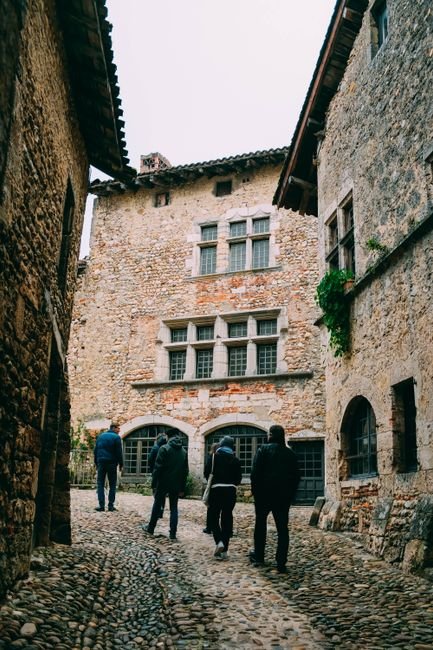
The running-of-the-bulls route passes through the Old Town from Santo Domingo to the bullring. Walking it at a calm pace gives you a sense of the narrow streets and steep turns that make the event so well known. Look for route markers set into the pavement and signs along the way.
It is a lively area during San Fermín, held from 6 to 14 July, but much quieter during the rest of the year. The route is a public street, not a purpose-built attraction, so give space to residents and businesses as you explore.
Tip 2 – Visit Plaza del Castillo
Plaza del Castillo is Pamplona’s central meeting place, lined with cafés, shops and historic buildings. Find a table for a coffee, watch the local pace of life and use the square as a starting point for exploring the Old Town.
Prices can be higher at the most prominent terrace tables. If you want a less expensive drink, check the menu before sitting down or choose a café on a nearby side street.
Tip 3 – Explore the Cathedral of Santa María la Real

Pamplona Cathedral stands in the heart of the Old Town and is one of the city’s most important historic buildings. Its Gothic interior and cloister are worth seeing if you enjoy architecture and religious history. Check current opening times and admission details before setting out, as access can change around services and events.
Dress respectfully and keep your voice low inside. If you are following the Camino de Santiago, the cathedral is also a meaningful stop on the route through the city.
Tip 4 – Climb the city walls and visit the Portal de Francia
The old fortifications offer a different view of Pamplona, with paths overlooking the river, gardens and rooftops. Start near the Portal de Francia, a historic gateway associated with pilgrims arriving from the north, then follow the wall walks where open.
Some sections involve slopes, steps or uneven paving, so wear comfortable shoes. The route is especially pleasant in the morning or late afternoon, when the light is softer and the paths are cooler.
Tip 5 – Spend time in the Citadel
The Citadel is a large Renaissance-era fortification surrounded by green open space. Today, its grounds are used for walking, relaxing and cultural events, and some buildings host exhibitions. It is a good place to take a break from the busy streets without leaving the centre.
Allow time to wander rather than treating it as a quick photo stop. Event schedules and access to individual buildings can vary, so check local notices if a particular exhibition is important to you.
Tip 6 – See Pamplona from Taconera Park
Taconera Park is one of the city’s most appealing places for a quiet walk. Its landscaped paths, mature trees and garden spaces sit close to the historic centre. A small animal enclosure can also be a point of interest for families, although it is best to check local information for current access.
Bring water on warm days and take care on damp paths after rain. The park is a simple, low-cost addition to a day of sightseeing.
Tip 7 – Make time for the Museo de Navarra

The Museo de Navarra introduces visitors to the region’s history and art, with collections spanning different periods. It is a useful stop if you want context for Navarra beyond Pamplona’s most famous festival. Plan around the museum’s current opening schedule, which may include a weekly closing day or reduced hours.
Even a short visit can add background to what you see in the city’s churches, streets and monuments. Check the museum’s own information for current exhibitions and admission details.
Tip 8 – Find the Church of San Saturnino
San Saturnino, also known as San Cernin, is a striking church in the Old Town with two distinctive towers. It has a close connection to Pamplona’s history and is an easy stop while walking between the main squares and the San Fermín route.
Look around the square as well as inside the church. Opening access may be limited during services, so be flexible if the doors are closed when you arrive.
Tip 9 – Try Navarra food and local pintxos
Eating is one of the best things to do in pamplona. Look for pintxos, small portions often served at bars, and regional ingredients such as asparagus, piquillo peppers, seasonal vegetables and local cheeses. Chistorra, a thin, spiced sausage, is another familiar Navarra speciality.
In many bars, people order one or two bites and move on to another place. Check whether each item is priced individually, and ask about ingredients if you have allergies or dietary needs. For a relaxed meal, book a table at a restaurant serving seasonal Navarra cooking.
Tip 10 – Taste local wine or pacharán responsibly

Navarra produces wines in several styles, and local bars often have regional options by the glass. You may also see pacharán, a sweet anise-flavoured liqueur made with sloe berries. Ask staff for a recommendation if you would like to try something local without committing to a full bottle.
Alcohol is not essential to enjoying the city. Cafés and bars also serve coffee, soft drinks and non-alcoholic options, and it is sensible to pace yourself, especially in summer heat or festival crowds.
Tip 11 – Follow a section of the Camino de Santiago
The Camino Francés passes through Pamplona, making the city a natural stop for pilgrims and curious walkers alike. Even if you are not hiking a long-distance route, you can follow a short section through the city and notice the scallop-shell signs and pilgrim facilities.
Give way to people carrying full packs, and avoid blocking narrow pavements for photos. If you plan to continue beyond the city, check trail conditions and accommodation ahead, especially during busy months.
Tip 12 – Visit Yamaguchi Park and the Planetarium
Yamaguchi Park, in the newer part of Pamplona, offers a change of scenery from the medieval centre. Its Japanese-inspired garden is a calm place to stroll, and the nearby Planetarium can be a good option for families or a rainy afternoon.
The park is outside the main historic core, so allow time to walk there or use a city bus. Check the Planetarium’s current programme and language options before planning your visit around a show.
Tip 13 – Take a slower walk beside the Arga River

The Arga River paths give you a greener view of Pamplona and a break from the busiest streets. Choose a short riverside stroll or connect it with a walk along the old walls. The route is popular with local walkers and cyclists, so keep to the appropriate side and watch for bikes.
After rain, some paths may be muddy or slippery. Comfortable shoes and a little extra time make this an easy, low-cost way to see another side of the city.
Tip 14 – Look for views from the city’s elevated paths
Pamplona’s walls and higher paths provide useful viewpoints over rooftops, green spaces and the surrounding landscape. Rather than searching for one single lookout, pause at different points along the fortifications and choose a view that suits the light.
For clear photos, early morning or late afternoon can be more comfortable than midday. Do not climb over barriers or stand in cycle lanes to get a better angle.
Tip 15 – Visit during a festival only if you want the crowds
San Fermín brings parades, music, crowded bars and the famous bull-running event to Pamplona from 6 to 14 July. It is a major cultural event, but it changes the feel and cost of the city. Accommodation can book up well in advance, streets become crowded, and noise may continue late into the night.
If you want a calmer visit, choose another time of year. If you do come for the festival, arrange a place to stay early, follow official safety instructions and remember that the bull run is dangerous to watch from inside the course.
Tip 16 – Choose your season with weather and events in mind
Spring and early autumn can be pleasant for walking, while summer brings warmer days and the biggest visitor numbers around San Fermín. Winters are cooler, and rain is possible in any season. Check the forecast before you pack, as conditions can change between a sunny afternoon and a chilly evening.
For fewer crowds and more flexible hotel choices, consider dates outside major festivals and holiday periods. Some smaller attractions may have shorter seasonal hours, so verify opening times close to your trip.
Tip 17 – Use buses for longer trips and walk around the centre
The historic centre is compact, and walking is usually the easiest way to visit its main sights. Pamplona’s urban buses are useful for reaching areas such as Yamaguchi or travelling when you are tired. Check routes, fares and service times through the local transport operator before you go.
For journeys beyond the city, compare train and bus options based on your destination and schedule. Pamplona Airport has limited connections compared with larger Spanish airports, so check flight availability and onward transport before booking.
Tip 18 – Plan a family-friendly or low-cost day
Families can combine a walk along the walls with time in Taconera Park, the Citadel or Yamaguchi Park. These open spaces let children move around between indoor visits. For a lower-cost day, focus on public parks, historic streets and free outdoor sights, then choose one paid museum or attraction that suits your interests.
If you enjoy finding free activities in different cities, you may also like this guide to 20 Fun and Best free things to do in savannah ga. It is a separate destination, but offers more ideas for keeping a city break affordable.
Tip 19 – Book the essentials and use practical phone tools
Book accommodation early for San Fermín and other busy dates. For regular visits, you may not need to reserve every meal or attraction, but check opening hours and ticket rules before travelling across town. Keep offline maps available in case mobile data is unreliable, and save your accommodation address for taxi rides.
Useful tools include a map app, a weather forecast and the official transport information for Pamplona. Carry a portable charger if you rely on your phone for tickets, directions or translations.
Tip 20 – Stay aware, learn a few phrases and avoid the common mistake
Pamplona is generally straightforward to explore, but normal city awareness still matters. Keep your phone and wallet secure in crowded areas, especially during San Fermín, and avoid leaving bags unattended. In an emergency in Spain, call 112. For non-emergency help, ask your accommodation or contact the relevant local service.
Spanish is widely useful, and you may also hear Basque in Navarra. A few phrases can make interactions easier: “hola” means hello, “por favor” means please, and “gracias” means thank you. The most common tourist mistake is treating Pamplona as only a San Fermín destination. Give the city time for its walls, parks, cathedral, food and everyday neighbourhood life.
Quick Reference for Visiting Pamplona
| Topic | Practical note |
|---|---|
| Country and region | Spain, in the autonomous community of Navarra |
| Best for | Historic streets, local food, parks, architecture and Camino walks |
| Getting around | Walk in the Old Town; use city buses for farther neighbourhoods |
| Major festival | San Fermín, held from 6 to 14 July |
| Useful emergency number | 112 in Spain |
| What to pack | Comfortable walking shoes, a light rain layer and seasonal clothing |
Visa & Entry Requirements
Pamplona is in Spain, which is part of the Schengen Area. Entry rules are not the same for every visitor: visa requirements, permitted stay and any travel authorization depend on the passport you hold and the government rules in force for your trip. A visa-free visit for one traveler does not mean another traveler has the same permission.
Before departure, check the Spanish government’s consular information and the European Union’s official guidance for visitors from outside the EU. Start with the Spanish Ministry of Foreign Affairs website and the EU guidance on entry for non-EU nationals. If an electronic travel authorization applies to your passport and travel date, confirm the rules and application process through the official government service rather than a third-party site.
Check that your passport meets the validity rules for your route and intended stay, and that it has any required blank pages. Confirm whether you need a visa or authorization before booking non-refundable travel. Border officials may ask about your return or onward journey, accommodation, or the purpose and length of your visit, so keep relevant booking details accessible.
Vaccination, health documentation, customs and declaration requirements can change and may depend on where you are travelling from, what you are carrying and your personal circumstances. Check current official advice before departure, especially if you are bringing medication, food, cash or goods that may be restricted. Travel insurance is a practical safeguard for medical care, cancellations and lost belongings, even when it is not an entry requirement for your situation.
Rules can change, and this information is general rather than legal advice or a guarantee of entry. For the final requirements, consult the relevant Spanish embassy or consulate and official government sources for your passport and travel dates.
Frequently Asked Questions About Things to Do in Pamplona
How many days should I spend in Pamplona?
One full day is enough to see several central sights, including Plaza del Castillo, the cathedral area and part of the walls. Two or three days allow more time for museums, parks, local food and a relaxed visit to neighbourhoods beyond the Old Town.
What are the best things to do in pamplona besides San Fermín?
Walk the historic walls, visit the cathedral and Museo de Navarra, explore the Citadel and Taconera Park, and try pintxos made with regional ingredients. A riverside walk or visit to Yamaguchi Park also shows a quieter side of the city.
Is Pamplona walkable?
Yes. The central historic area is compact and best explored on foot. Comfortable shoes help because some streets are cobbled or sloped. Use a city bus for longer trips, such as travelling to Yamaguchi Park or other outer neighbourhoods.
When is the best time to visit Pamplona?
Spring and early autumn are good choices for comfortable sightseeing and potentially lighter crowds. July is the busiest period because of San Fermín. Choose it for the festival atmosphere, not for a quiet or low-cost city break.
Is Pamplona expensive for visitors?
Costs depend on the season and your choices. Accommodation prices can rise sharply during San Fermín. Outside festival dates, you can keep costs manageable by walking, visiting public parks and choosing casual bars for pintxos rather than eating every meal at a sit-down restaurant.
Is Pamplona safe for tourists?
Many visitors find Pamplona easy to navigate, but use ordinary precautions in busy public places. During festivals, crowds can make it easier to lose track of belongings, and the bull run itself is dangerous. Follow official instructions and call 112 in an emergency.
Can I visit Pamplona without a car?
Yes. You can reach the main sights on foot and use local buses for journeys farther from the centre. Check airport and intercity connections when planning your route, as options depend on your arrival point and travel dates.
Conclusion: Enjoy Pamplona at Your Own Pace
The best things to do in pamplona are not limited to one festival or one famous street. The city rewards visitors who make time for its medieval centre, historic walls, green spaces and Navarra food culture.
Plan around the season you want, check opening times and transport details, and book early if you are travelling during San Fermín. Outside the busiest dates, Pamplona is a comfortable city to explore slowly, with plenty to see between a morning walk and an evening of pintxos.
