
Key Takeaways
- The park spans a long stretch between Cleveland and Akron, so plan travel between spread‑out sites.
- Top attractions include Brandywine Falls, the Ledges Trail, the scenic railroad, and the Ohio & Erie Canal Towpath.
- Bring sturdy shoes, water, layered clothing, and offline maps; mobile reception can be unreliable.
- Check park alerts, trail conditions, and train schedules before you leave, and pack a snack for energy.
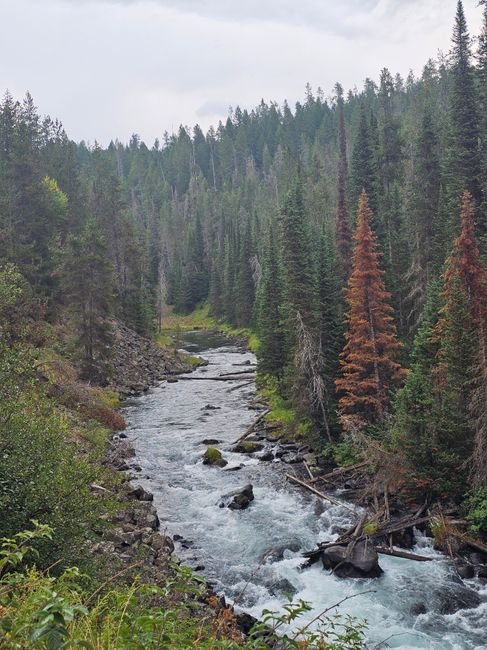
things to do in cuyahoga valley national park include hiking to waterfalls, riding a historic train, and exploring Ohio’s quiet river valleys. The park sits between Cleveland and Akron in the United States, making it an easy nature escape from either city.
Cuyahoga Valley National Park is not a single entrance with one central visitor area. Its trails, historic sites, river views, and facilities are spread across a long stretch of northeast Ohio, so a little planning helps you make the most of your visit.
Use this guide to choose activities, plan your transport, and prepare for the season. Whether you have a few hours or a full weekend, there are plenty of ways to enjoy the park at your own pace.
20 Things to Do in Cuyahoga Valley National Park
These things to do in cuyahoga valley national park range from easy scenic stops to longer outdoor outings. Check the official Cuyahoga Valley National Park website before you go for current trail conditions, closures, and alerts.
Tip 1 – Walk to Brandywine Falls
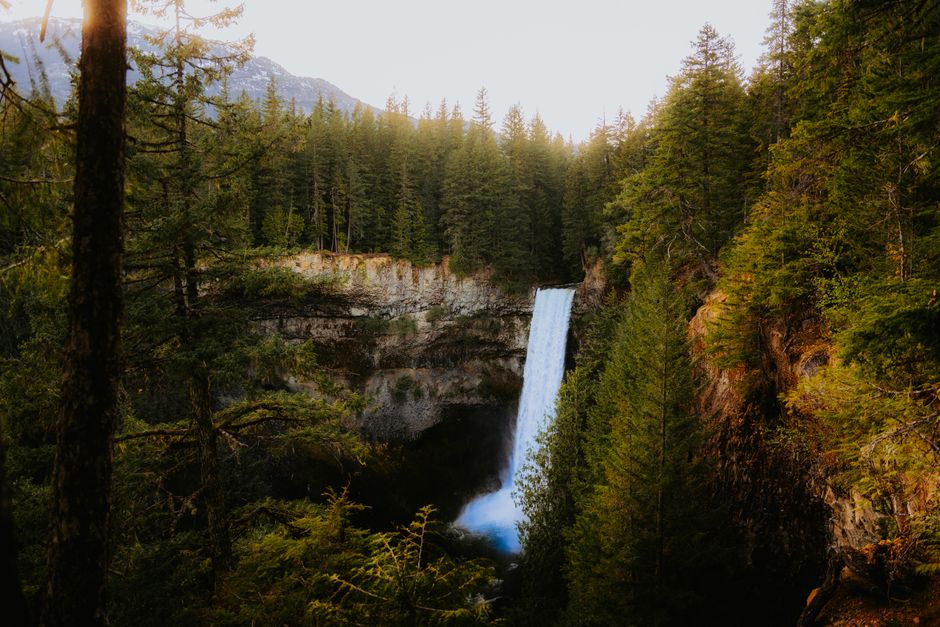
Brandywine Falls is one of the park’s best-known sights. A short boardwalk route leads to viewing platforms overlooking the 60-foot waterfall. Steps and slopes are part of the route, so it may not suit every visitor. Arrive early on busy weekends, when the small parking area can fill quickly.
Water flow changes with rainfall and the season. Stay on the boardwalk and marked paths to protect the area and avoid slippery rocks.
Tip 2 – Hike the Ledges Trail
The Ledges Trail winds through sandstone formations and shaded woodland in the Virginia Kendall area. The loop is about 2.2 miles, with uneven ground and stone steps in places. Wear shoes with good grip, and allow time to stop at the Overlook for a broad view across the valley.
This is a popular route, especially in autumn. If the main parking area is full, consider returning later rather than leaving your car along the road.
Tip 3 – Ride the Cuyahoga Valley Scenic Railroad
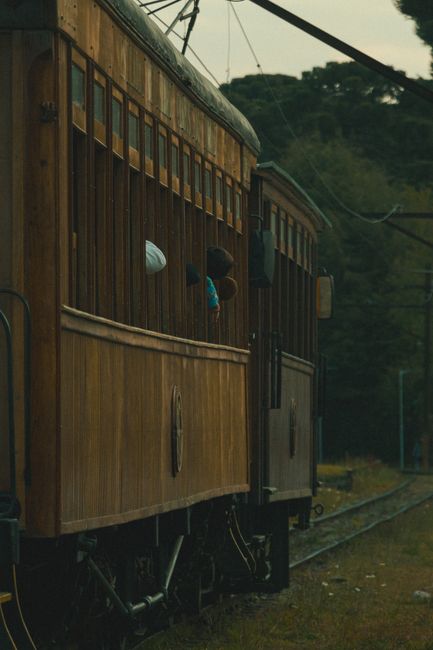
The Cuyahoga Valley Scenic Railroad offers a relaxed way to see the landscape from the historic rail corridor. Routes, schedules, and onboard options vary by date, so check the railroad’s official schedules and ticket information before making plans.
Some services allow passengers to bring a bicycle, making it possible to ride the train one way and cycle part of the Ohio & Erie Canal Towpath Trail the other way. Confirm current bike policies and available departures in advance.
Tip 4 – Cycle the Ohio & Erie Canal Towpath Trail
The Towpath Trail follows the historic route of the Ohio & Erie Canal for many miles through the park. Its mostly flat surface is popular with cyclists, walkers, and families. You do not need to cover the full trail: choose a trailhead, ride as far as suits your group, then turn back.
Trail surfaces and conditions can vary. Bring water, check the forecast, and look for current construction or closures on the park website.
Tip 5 – Visit the Canal Exploration Center
At the Canal Exploration Center, exhibits explain how canal travel shaped life and trade in Ohio. The historic setting makes it a useful stop if you want context before walking the Towpath Trail. Opening days and hours can change seasonally, so check the National Park Service schedule before setting out.
Tip 6 – See the park from a scenic overlook
Stop at a marked overlook for a quiet view of the Cuyahoga River valley and surrounding forest. The Ohio & Erie Canal Reservation and the Virginia Kendall area offer different settings, from open views to wooded trails. Use signed parking areas and never stop in a traffic lane to take photographs.
Tip 7 – Explore the Beaver Marsh boardwalk
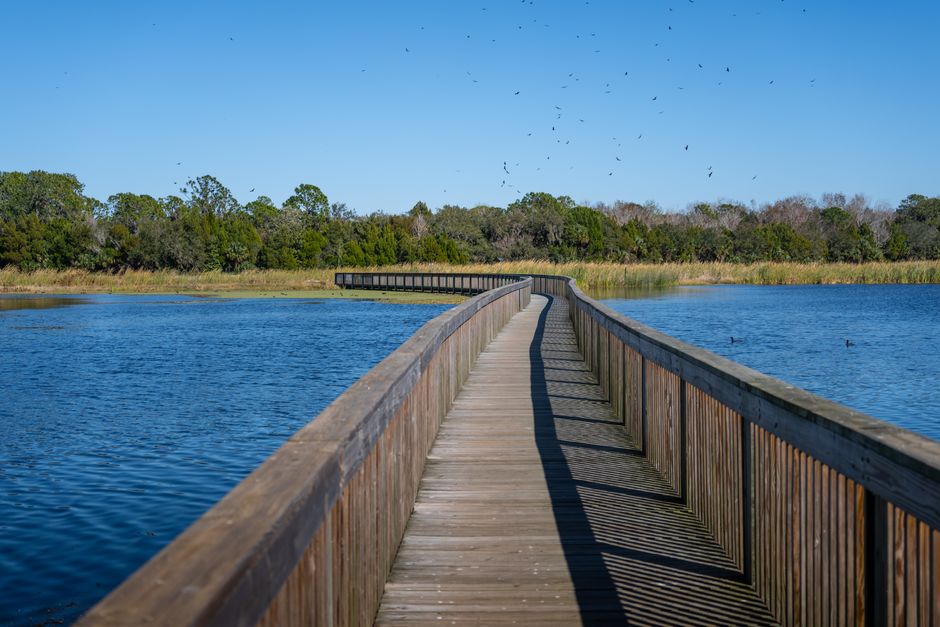
Beaver Marsh is a rewarding place to watch for birds, turtles, and other wetland wildlife. Boardwalk sections and nearby trail paths make it a good choice for a gentle outing. Bring binoculars if you have them, and keep a respectful distance from animals.
Wildlife sightings are never guaranteed. A quiet visit in the morning may offer a better chance to hear birds and enjoy the marsh without as many people around.
Tip 8 – Look for wildlife along the river
The park’s wetlands, forests, and riverbanks support many kinds of wildlife. Watch for birds, deer, frogs, and signs of beaver activity, especially near marshes and quieter trail sections. Keep food secured, do not feed animals, and give wildlife space.
A pair of binoculars and a little patience can make a short walk more interesting. Early morning and dusk are active times, but stay on open trails and return to your car before dark.
Tip 9 – Walk a section of the Ohio & Erie Canalway
The old canal route links historic sites, towpath access points, and small communities around the park. A short walk is a practical way to combine nature with local history without committing to a long hike. Check a current park map to choose a section with suitable parking and facilities.
For another travel idea that combines local culture and city exploration, see this guide to 20 Fun and Best things to do in odessa. Odessa is a separate destination, so treat it as inspiration for a different trip rather than an extension of your Ohio visit.
Tip 10 – Visit Hale Farm & Village
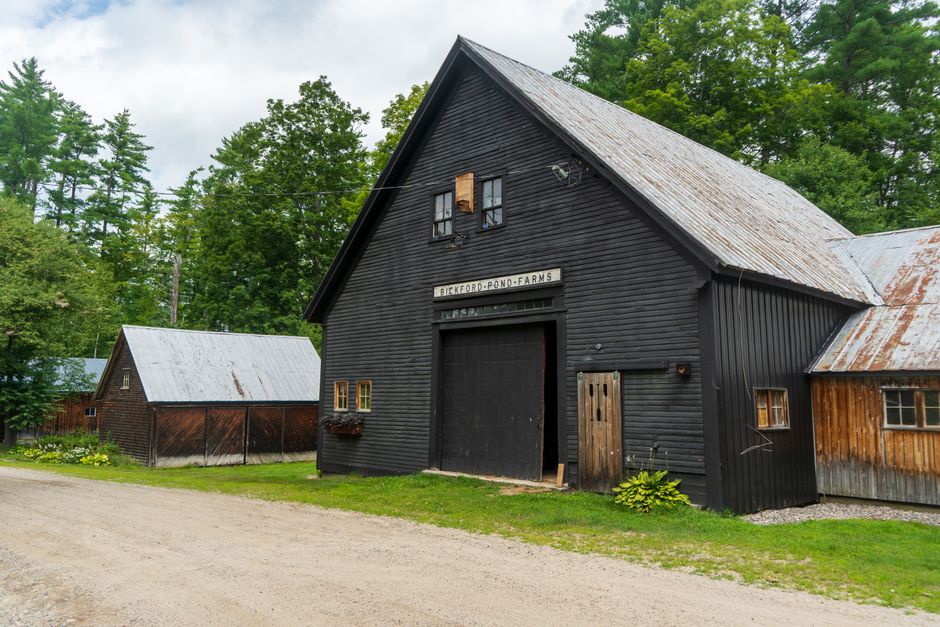
Hale Farm & Village is a living-history site near the park, with historic buildings and demonstrations that introduce visitors to 19th-century rural life. It is a useful change of pace from hiking, particularly for families and history fans. The site has separate operating dates and admission details, so check its official information before visiting.
Tip 11 – Find the Blue Hen Falls trail
Blue Hen Falls is a smaller waterfall reached by a trail in the southern part of the park. The route has uneven sections and can be muddy or slippery after rain. Check access information before you go, as trail and parking arrangements may change, and do not assume the falls will have a strong flow in dry weather.
Tip 12 – Explore the Boston Mill Visitor Center area
The Boston Mill Visitor Center is a helpful starting point for maps, park information, and questions about current conditions. Nearby, the historic village area provides a glimpse of the canal-era community. Check the National Park Service for current visitor-center hours, as they can vary by season and day.
Tip 13 – Try a family-friendly nature walk
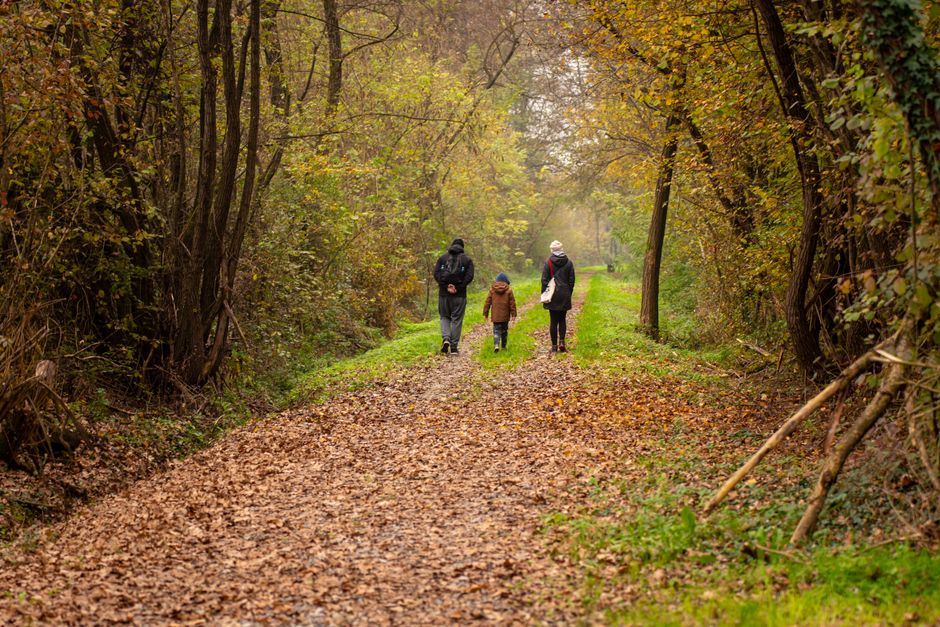
Families can choose a short, familiar trail rather than trying to fit several major sights into one day. The Towpath Trail has relatively gentle sections, while the Beaver Marsh boardwalk offers an easy wildlife-watching stop. Bring snacks, water, and a spare layer for children.
Before setting out, check distance, surface, steps, and restroom access. The park’s trails are not all equally accessible, and conditions may change after storms.
Tip 14 – Try fishing where permitted
Fishing is possible in designated waters, subject to applicable Ohio regulations and park rules. Check current licensing requirements, seasons, and local restrictions before bringing gear. Keep a safe distance from other visitors and pack out fishing line and other waste.
Tip 15 – Enjoy birdwatching in different habitats
The park’s mix of forest, marsh, river, and open land attracts a variety of birds. Beaver Marsh and other wetland areas are good places to watch quietly, while wooded trails offer a different range of species. A local birding checklist can help beginners identify what they see.
Tip 16 – Plan a picnic with a backup option
A picnic can make a relaxed break between walks. Use designated picnic areas and carry out all rubbish. Weather in northeast Ohio can change, so keep a nearby café or restaurant in Peninsula or another surrounding community in mind as a backup.
Tip 17 – Explore nearby Peninsula
The village of Peninsula sits beside the park and is a convenient place to pause for a meal or browse local shops. It is small, so do not expect a large selection of restaurants or late-night services. Check business hours ahead, especially if you are visiting outside the peak season.
Tip 18 – Choose your season and time of day
Spring brings fresh greenery and stronger waterfall flows after rain, while summer offers long daylight hours and busy trails. Autumn color draws many visitors, and winter can bring quiet walks and snowy scenery, though ice and closures may affect access.
Weekdays and early mornings are often calmer than sunny weekends. Check the forecast and park alerts on the day of your visit, and adjust your route if storms, heat, or icy conditions are expected.
Tip 19 – Bring the right gear and use sensible safety habits
Wear comfortable walking shoes, carry drinking water, and pack a light rain layer. Download a park map or save one for offline use because mobile reception can be unreliable in some areas. Tell someone your plan before a longer hike, and stay on marked trails.
For emergencies in the United States, call 911. For non-emergency park information, use the contact details listed on the official National Park Service website. Do not rely on a phone signal as your only safety plan.
Tip 20 – Avoid the most common visitor mistake
The most common planning mistake is treating the park as one compact attraction. Its points of interest are spread out, and driving between them takes time. Pick two or three nearby stops for a half-day visit, or group locations by area if you have a full day.
Check parking, opening hours, and trail conditions before leaving your accommodation. A flexible plan is more enjoyable than rushing between distant trailheads.
Quick Reference for Visiting Cuyahoga Valley National Park
| Planning detail | Useful advice |
|---|---|
| Location | Northeast Ohio, between Cleveland and Akron |
| Best for | Waterfalls, hiking, cycling, wildlife, history, and scenic train rides |
| Getting around | A car is useful for reaching separate trailheads; the scenic railroad serves selected locations on scheduled dates |
| Good first visit | Choose Brandywine Falls, a Towpath Trail section, and one nearby historic site |
| What to pack | Walking shoes, water, weather layers, a map, and a charged phone |
| Before you go | Check current park alerts, opening hours, road access, and train schedules |
Practical Travel Tips for Cuyahoga Valley National Park
Getting there and getting around
The park lies between Cleveland and Akron and is easiest to explore by car because attractions and trailheads are spread out. Cleveland Hopkins International Airport and Akron-Canton Airport serve the wider region. Public transportation options to individual park sites are limited, so check current routes and schedules if you are travelling without a car.
The Cuyahoga Valley Scenic Railroad can help connect selected stops on operating days, but it does not replace a full local transport network. Review its route and timetable before planning a train-and-trail day.
When to book and what to check
Many trails and outdoor areas do not require advance reservations, but train rides and special events may have limited availability. Book those ahead during busy seasons. Before every visit, check the National Park Service alerts page for closures, construction, weather issues, and changes to facilities.
Food, drinks, and local customs
Bring enough water and snacks for your chosen route. Food options inside and near the park are limited compared with a city, and opening hours can vary. In nearby communities such as Peninsula, restaurants and cafés offer places to stop, but check hours before you rely on a particular business.
Follow Leave No Trace principles: stay on trails, take rubbish with you, respect wildlife, and keep noise low in natural areas. English is the main language in the region. A friendly “hello” or “thank you” is appreciated, but no special local phrase is needed to enjoy the park.
Useful apps and emergency information
Use the National Park Service website for official alerts and park information. A map app can help with driving directions, but download offline maps before entering areas with weak reception. In an emergency, call 911. For routine questions, use the park’s official contact information rather than relying on unofficial social media posts.
Visa & Entry Requirements
Cuyahoga Valley National Park is in the United States, and entry requirements depend on your passport and current U.S. government policy. There is no single visa rule for all international visitors. Some travelers need a visitor visa, while eligible travelers may be able to use the Visa Waiver Program and obtain an approved Electronic System for Travel Authorization (ESTA) before travel. Check the U.S. Department of State’s official U.S. visa information and the official ESTA website for the rules that apply to your situation.
Review your passport’s validity and blank-page requirements with the relevant U.S. embassy or consulate. Passport-validity rules can depend on nationality, and exceptions may apply, so do not assume that one traveler’s experience applies to everyone. Confirm whether you need a visa or electronic travel authorization, and make sure any approval is in place before you travel.
Length-of-stay permissions depend on your entry category and the decision made at the U.S. border. Travelers may be asked to explain their plans or show return or onward travel and accommodation details. Keep copies of your itinerary and lodging information accessible, but remember that documents do not guarantee admission.
Vaccination and health-related entry requirements can change and may depend on current policy or your travel circumstances. Check official U.S. government guidance before departure. Review customs rules too, including restrictions on food, plants, animals, medicines, and items you are bringing into the country. Follow any required customs declarations and answer border questions accurately.
Travel insurance is worth considering for medical care, trip interruptions, and emergency transport, although it is not a substitute for entry documents. Rules can change, so confirm the latest details with official U.S. government sources and your nearest U.S. embassy or consulate shortly before travel. This information is general trip-planning guidance, not legal advice.
FAQs About Things to Do in Cuyahoga Valley National Park
What are the best things to do in Cuyahoga Valley National Park for a first visit?
Start with Brandywine Falls, a short section of the Ohio & Erie Canal Towpath Trail, and either Beaver Marsh or the Boston Mill area. These stops give you a mix of scenery, nature, and local history without trying to cover the entire park.
How much time should I spend in Cuyahoga Valley National Park?
A half day is enough for a few nearby highlights, but a full day gives you time for a longer walk, a scenic train ride, or a historic site. A weekend is a better choice if you want to explore several parts of the park at a relaxed pace.
Is Cuyahoga Valley National Park free to visit?
Many park areas and trails are free to access, but some nearby attractions, special programs, or train services may charge fees. Check official information for the specific activity you plan to do.
Can I visit Cuyahoga Valley National Park without a car?
It is possible to visit selected locations without driving, particularly if you plan around the scenic railroad or arrange a ride. However, public transport to different trailheads is limited, so a car is the simplest way to explore more of the park.
What is the best time of year to visit Cuyahoga Valley National Park?
Late spring through autumn is popular for hiking, cycling, waterfalls, and train trips. Autumn foliage can be beautiful but attracts crowds. Winter visits can be peaceful, though ice, snow, and seasonal closures may affect trails and facilities.
Are the trails in Cuyahoga Valley National Park suitable for families?
Yes, families can find gentle Towpath Trail sections and short nature walks. Check the distance, surface, steps, and facilities before choosing a route, and carry water and snacks for children.
Conclusion: Make the Most of Your Visit
The best things to do in cuyahoga valley national park depend on how much time you have and what you enjoy. A waterfall visit, an easy towpath walk, and a stop at a historic site make a rewarding first outing.
Plan around the park’s spread-out layout, check official alerts, and leave room for a slower stop along the way. With a flexible route and sensible preparation, you can enjoy the forests, river scenery, and history that make this Ohio destination special.
