
Key Takeaways
- Explore iconic scenic drives and backroads for breathtaking vistas.
- Choose from guided jeep tours, horseback rides, and cultural experiences.
- Hike a variety of trails ranging from easy loops to challenging backcountry routes.
- Plan ahead for weather, permits, and accommodations to make the most of your trip.
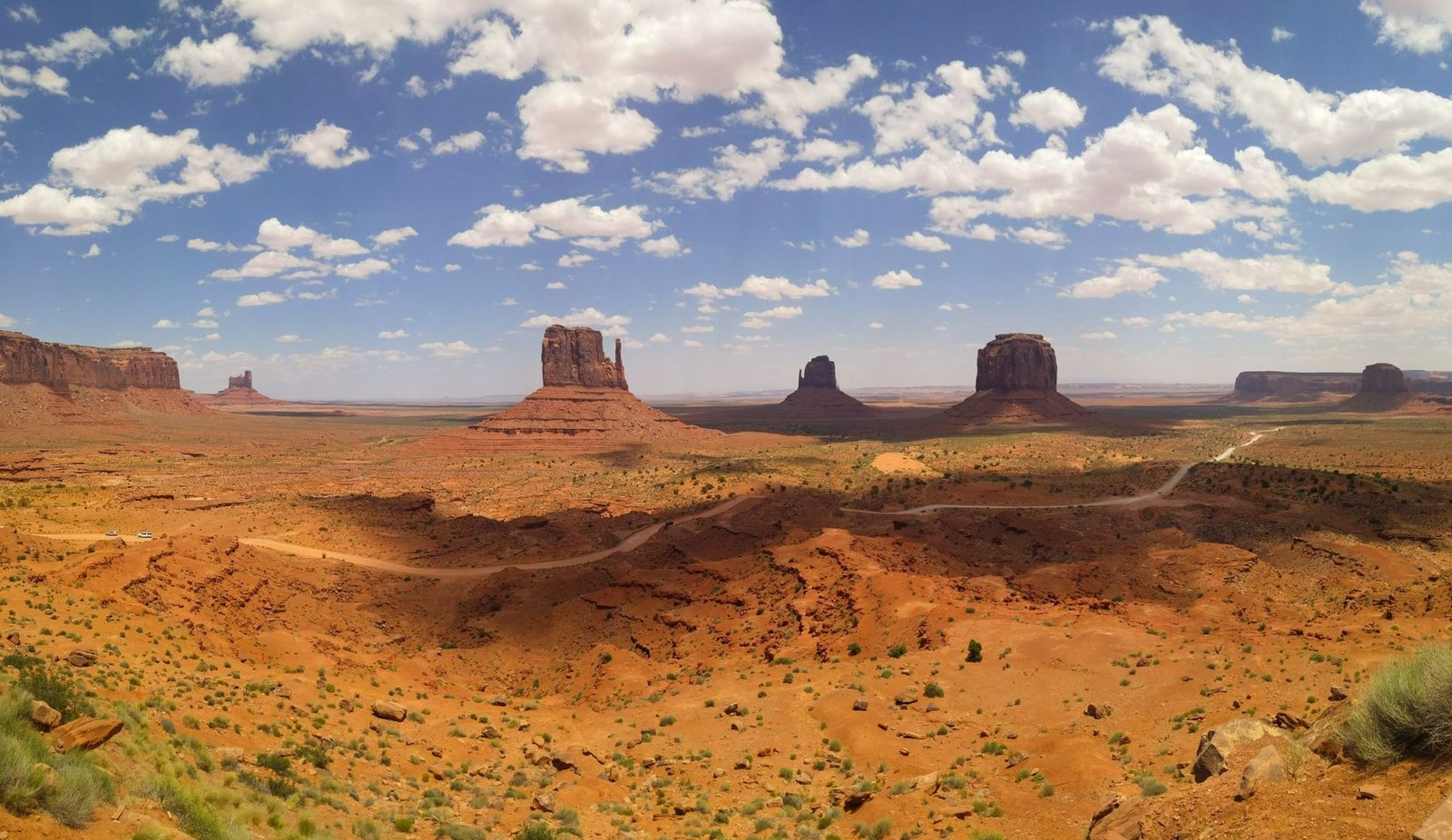
When you type Things to do in monument valley into a search engine, you’re probably picturing the towering red sandstone buttes that have framed countless movies and postcards. The reality lives up to the myth: a blend of dramatic geology, rich Navajo culture, and endless outdoor adventure. This guide walks you through every major activity, practical tip, and hidden gem so you can plan a trip that feels both epic and personal.
Monument Valley straddles the Arizona‑Utah border and is managed by the Navajo Nation. Because it’s a protected tribal land, respect for local customs and regulations is essential. Most attractions are accessible via the main Valley Drive, but there are also lesser‑known backroads that reveal quieter perspectives. Whether you’re a first‑time visitor or a seasoned photographer, the valley offers a surprisingly diverse menu of experiences.
Things to do in monument valley: Scenic Drives
Valley Drive (U.S. Route 163)
Valley Drive is the classic 17‑mile loop that brings you face‑to‑face with the most famous formations: Merrick, John Ford, and the Three Sisters. The road is paved and well‑marked, with pull‑outs every few miles for photo stops. Expect a leisurely pace; the speed limit is low, and the scenery rewards frequent pauses.
Backcountry Roads
If you crave solitude, consider the unpaved routes that branch off from the main loop. The Wildcat Trail Road and the White House Road require a high‑clearance vehicle, but they open up vistas that few tourists see. Bring plenty of water, a spare tire, and a detailed map, cell service is spotty.
- Best time to drive: early morning or late afternoon for soft light.
- What to bring: sunglasses, water, and a camera with a zoom lens.
- Safety tip: watch for sudden dust storms, especially in summer.
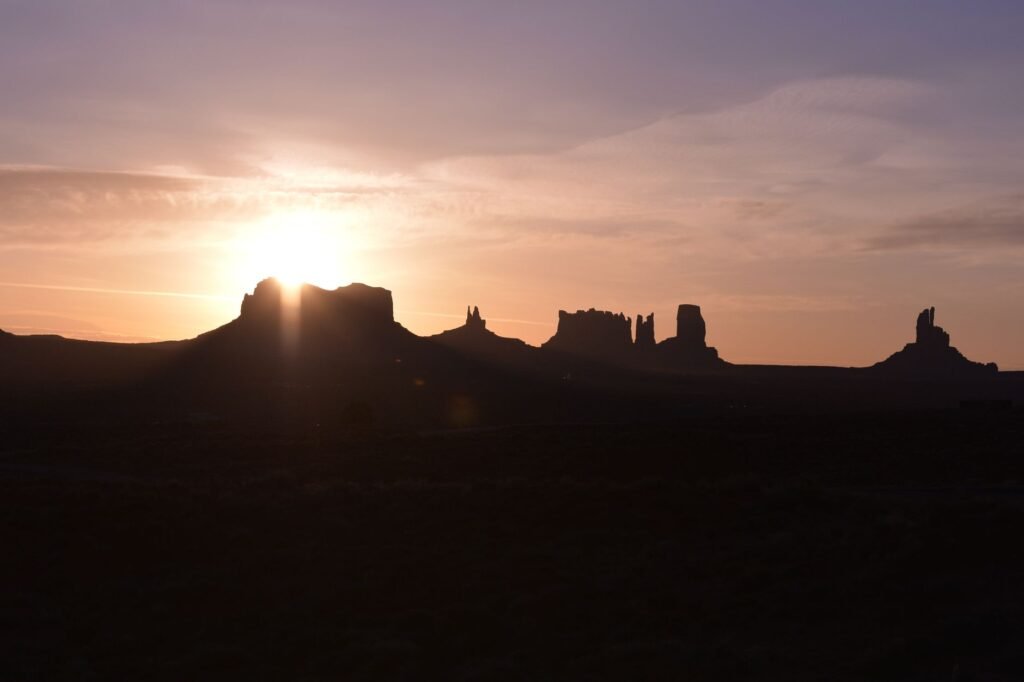
Driving the loop at sunrise or sunset adds a magical glow to the red rocks, turning ordinary photos into gallery‑worthy shots.
Guided Tours and Adventures
Jeep Tours
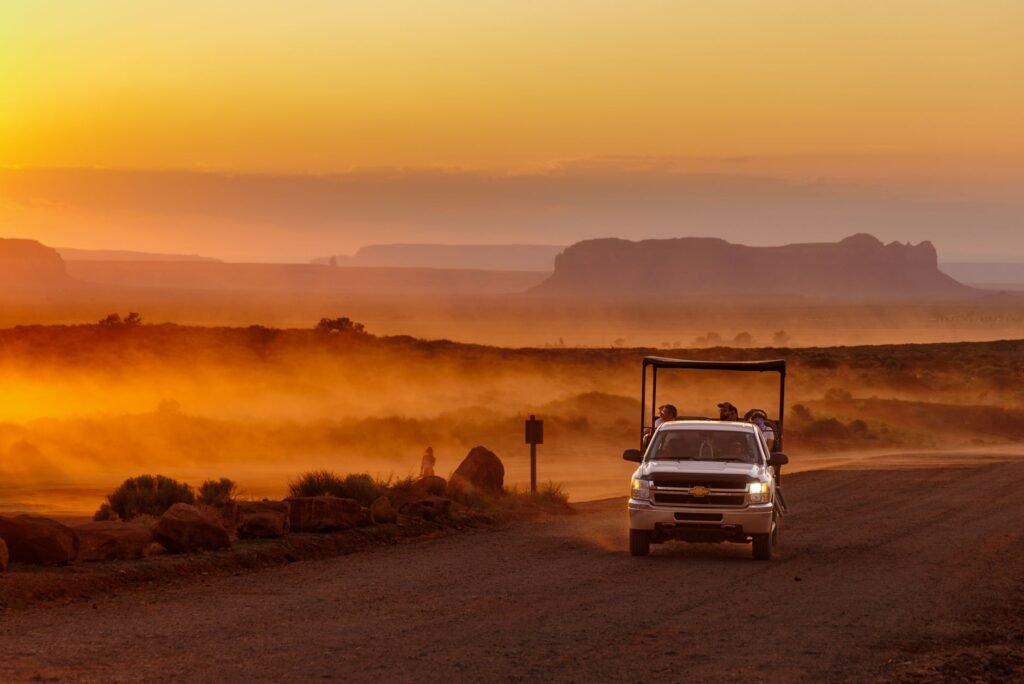
Professional Navajo guides operate a variety of jeep tours that venture beyond the paved loop. These tours range from 2‑hour “quick‑look” trips to full‑day adventures that include remote canyons and ancient petroglyphs. Guides share stories about the land’s geological history and Navajo legends, providing cultural context that you won’t get on your own.
Most tours start at the Monument Valley Navajo Tribal Park visitor center, where you can book a spot and learn about any required permits. Prices are typically per vehicle, and groups of four or more often receive a discount.
Horseback Riding
For a slower, more immersive experience, try a guided horseback ride. Riding along the same trails used by Navajo cowboys for generations lets you feel the rhythm of the valley in a way a vehicle never can. Rides usually last 1‑2 hours and include a brief safety briefing.
- Dress in long pants and closed‑toe shoes.
- Bring a hat and sunscreen; shade is limited.
- Listen closely to the guide’s instructions for a safe ride.
Hiking Trails for Every Ability
Easy Loop: Wildcat Trail
The Wildcat Trail is a 2‑mile loop that starts near the visitor center and offers panoramic views of the valley floor. The path is mostly flat, with a few gentle climbs that reward hikers with sweeping vistas of the Mittens and the iconic buttes.
Moderate Hike: John Ford’s Point
Named after the famous director who filmed many westerns here, this 3‑mile out‑and‑back trail climbs to a viewpoint that frames the Three Sisters perfectly. The ascent is steady but manageable for most moderately fit hikers.
Strenuous Trek: Mystery Valley
For the adventurous, Mystery Valley is a remote, unmarked canyon that requires a high‑clearance vehicle to reach the trailhead, followed by a 5‑mile hike through narrow slot canyons and ancient ruins. This trek is best attempted with a guide, especially for first‑time visitors.
- Carry at least 2 L of water per person.
- Start early to avoid afternoon heat.
- Check the weather forecast; flash floods can occur in monsoon season.
Cultural Experiences and Education
Monument Valley Navajo Tribal Park Visitor Center
The visitor center offers exhibits on geology, flora, fauna, and Navajo history. Interactive displays explain how the landscape shaped the Navajo way of life. Staff members are happy to answer questions and can suggest personalized itineraries.
Traditional Storytelling Sessions
Many guided tours conclude with a storytelling session around a campfire, where Navajo elders share myths about the land’s formation. These sessions are optional but provide a deep, emotional connection to the place.
Artisan Markets
Near the park entrance, a small market sells authentic Navajo crafts, hand‑woven rugs, silver jewelry, and pottery. Purchasing directly supports local families, and you’ll find one‑of‑a‑kind souvenirs that reflect the valley’s spirit.
Photography Opportunities
Monument Valley is a photographer’s dream. The interplay of light and shadow across the sandstone creates constantly changing scenes. Here are three must‑capture moments:
- Sunrise at the Mittens: The first rays turn the rocks a deep orange.
- Midday Light on the Three Sisters: Harsh light emphasizes texture and color contrast.
- Golden Hour from John Ford’s Point: Warm glow adds depth to the landscape.
Use a tripod for low‑light shots and a polarizing filter to reduce glare. Remember to respect the environment, stay on designated paths and avoid disturbing wildlife.
Stargazing and Night Sky Experiences
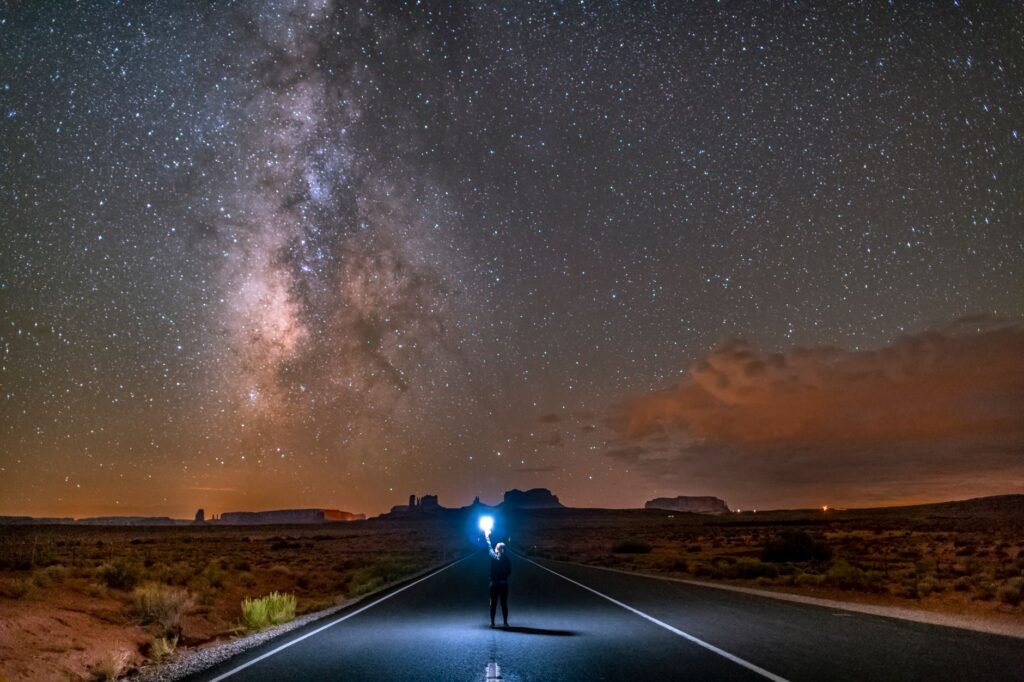
Because Monument Valley sits far from major cities, the night sky is exceptionally clear. Dark‑sky enthusiasts can enjoy Milky Way photography, meteor showers, and even organized astronomy talks offered by the park during peak seasons.
Bring a blanket, a warm jacket, and a headlamp with a red filter to preserve night vision. Some campgrounds provide basic fire pits; check local regulations before lighting a fire.
Practical Planning and Logistics
Getting There
| Starting Point | Driving Time | Recommended Route |
|---|---|---|
| Flagstaff, AZ | ≈ 2 hrs 30 min | US‑89 N → US‑163 W |
| Moab, UT | ≈ 3 hrs | UT‑191 S → US‑163 S |
| Las Vegas, NV | ≈ 6 hrs | I‑15 N → US‑89 N → US‑163 W |
Accommodations
There are three main lodging options within the park: The View Hotel (luxury with direct views), Goulding’s Lodge (mid‑range with historic charm), and several campgrounds for tent and RV camping. All require reservations, especially in spring and fall.
When to Visit
Spring (March‑May) and fall (September‑October) offer mild temperatures and fewer crowds. Summer brings intense heat and occasional monsoon storms, while winter can be cold but spectacular with occasional snow on the mesas.
Camping Options in Monument Valley
The View Campground
The View Campground sits on the rim of the valley and offers unobstructed panoramas of the iconic buttes. Each site is equipped with a picnic table, fire ring, and a composting toilet nearby. Campers can hear the wind whisper through the sandstone at night, creating a memorable backdrop for a campfire. Reservations are recommended during the peak summer months.
Goulding’s Campground
Goulding’s Campground is part of the historic Goulding’s Lodge complex, providing easy access to the visitor center and museum. The campground features full‑size sites with electrical hookups, making it suitable for both tents and RVs. A short shuttle runs from the campground to the main scenic drive, reducing the need for personal vehicles. The on‑site store sells basic supplies and souvenirs.
Backcountry Camping
For a more rugged experience, backcountry camping is permitted in designated areas outside the developed campgrounds. Campers must obtain a permit from the Navajo Nation Parks and Recreation Department and follow Leave No Trace principles. Water sources are scarce, so a reliable filtration system is essential. Nighttime temperatures can drop sharply, so warm sleeping bags are advisable.
- Campground amenities: fire rings, picnic tables, composting toilets
- RV hookups available at Goulding’s
- Backcountry permits required
Wildlife Watching and Birding
Prime Viewing Times
Early morning and late afternoon provide the best light and the highest animal activity. During these periods, mule deer often graze near the valley floor, while coyotes may be heard calling across the mesas. Patience and quiet observation increase the chances of spotting elusive species. Binoculars with a 8x to 10x magnification are ideal for detailed viewing.
Species to Look For
The valley is home to a variety of birds, including the greater sage‑grouse, golden eagle, and peregrine falcon. Mammals such as the pronghorn antelope and the desert bighorn sheep are also present, especially near water sources. Reptiles like the chuckwalla and horned lizard blend perfectly with the rocky terrain. Seasonal migrations bring additional species, making each visit unique.
Guided Birding Walks
Local outfitters offer birding walks that focus on the region’s most sought‑after species. Guides provide field guides and share insights into the birds’ habitats and behaviors. Walks typically last two to three hours and cover both the valley floor and the surrounding mesas. Group sizes are kept small to minimize disturbance to wildlife.
- Key birds: greater sage‑grouse, golden eagle, peregrine falcon
- Mammals: mule deer, pronghorn, bighorn sheep
- Reptiles: chuckwalla, horned lizard
Seasonal Events and Nearby Attractions
Navajo Nation Powwow
The annual Navajo Nation Powwow takes place in late summer near Kayenta, a short drive from Monument Valley. Participants showcase traditional dance, music, and vibrant regalia, offering visitors a deep cultural immersion. Vendors sell authentic crafts, jewelry, and native foods. Attendance is open to the public, though some events may require a modest entry fee.
Monument Valley Film Festival
Held each October, the Monument Valley Film Festival celebrates the region’s role in cinema. Screenings feature classic westerns, contemporary documentaries, and indie films shot on location. Filmmakers often hold Q&A sessions that explore the challenges of filming in a protected landscape. The festival draws both locals and tourists, creating a lively atmosphere.
Day Trips to Canyon de Chelly
Canyon de Chelly, located about two hours east, offers a contrasting landscape of towering cliffs and lush canyon floor. The park provides self‑guided drives, short hikes, and opportunities to learn about ancient cliff dwellings. Guided tours by the Navajo Nation highlight the canyon’s historical significance. A visit complements a Monument Valley itinerary by showcasing another facet of the Navajo homeland.
- Events: Navajo Nation Powwow (late summer), Monument Valley Film Festival (October)
- Nearby attraction: Canyon de Chelly (2‑hour drive)
- Activities: dancing, film screenings, guided hikes
Frequently Asked Questions
Do I need a permit to hike in Monument Valley?
Most day‑hikes on marked trails do not require a permit, but backcountry routes like Mystery Valley do. Check the visitor center for the latest requirements and obtain any necessary permits before heading out.
Are pets allowed in the park?
Pets are permitted on paved roads and in campgrounds, but they are not allowed on hiking trails or in the Navajo Tribal Park to protect wildlife and cultural sites.
What is the best time of day for photography?
Early morning and late afternoon provide soft, directional light that highlights the red hues of the sandstone. Midday can be harsh, but it works well for high‑contrast black‑and‑white images.
Is there cell phone service in Monument Valley?
Cell coverage is limited and varies by provider. Most visitors rely on offline maps and satellite communication devices for safety in remote areas.
The Bottom Line
Monument Valley delivers a blend of iconic scenery, cultural depth, and outdoor adventure that few places can match. By planning your drives, tours, hikes, and stargazing sessions thoughtfully, you’ll experience the valley’s grandeur while respecting the land and its people.
