
Key Takeaways
- Sunbathe on world‑class beaches
- Explore vibrant coral reefs by snorkel or dive
- Sample Egyptian and international cuisine
- Enjoy nightlife and cultural excursions
Sharm el Sheikh sits at the southern tip of the Sinai Peninsula, where the Red Sea meets dramatic desert cliffs. It has become a magnet for sun‑seekers, underwater enthusiasts, and culture lovers alike. If you are wondering about Things to do in sharm el sheikh, you have arrived at the right place. This guide walks you through the most rewarding experiences, from pristine beaches to bustling souqs, ensuring you make the most of every hour.
Whether you are traveling solo, as a couple, or with family, Sharm offers a blend of relaxation and adventure that feels both exotic and accessible. The city’s infrastructure is tourist‑friendly, with a range of accommodations, reliable transport, and English‑speaking staff at most venues. Below you will find practical advice, realistic expectations, and insider tips to help you plan a seamless itinerary.
Beaches and Sunbathing
Naama Bay
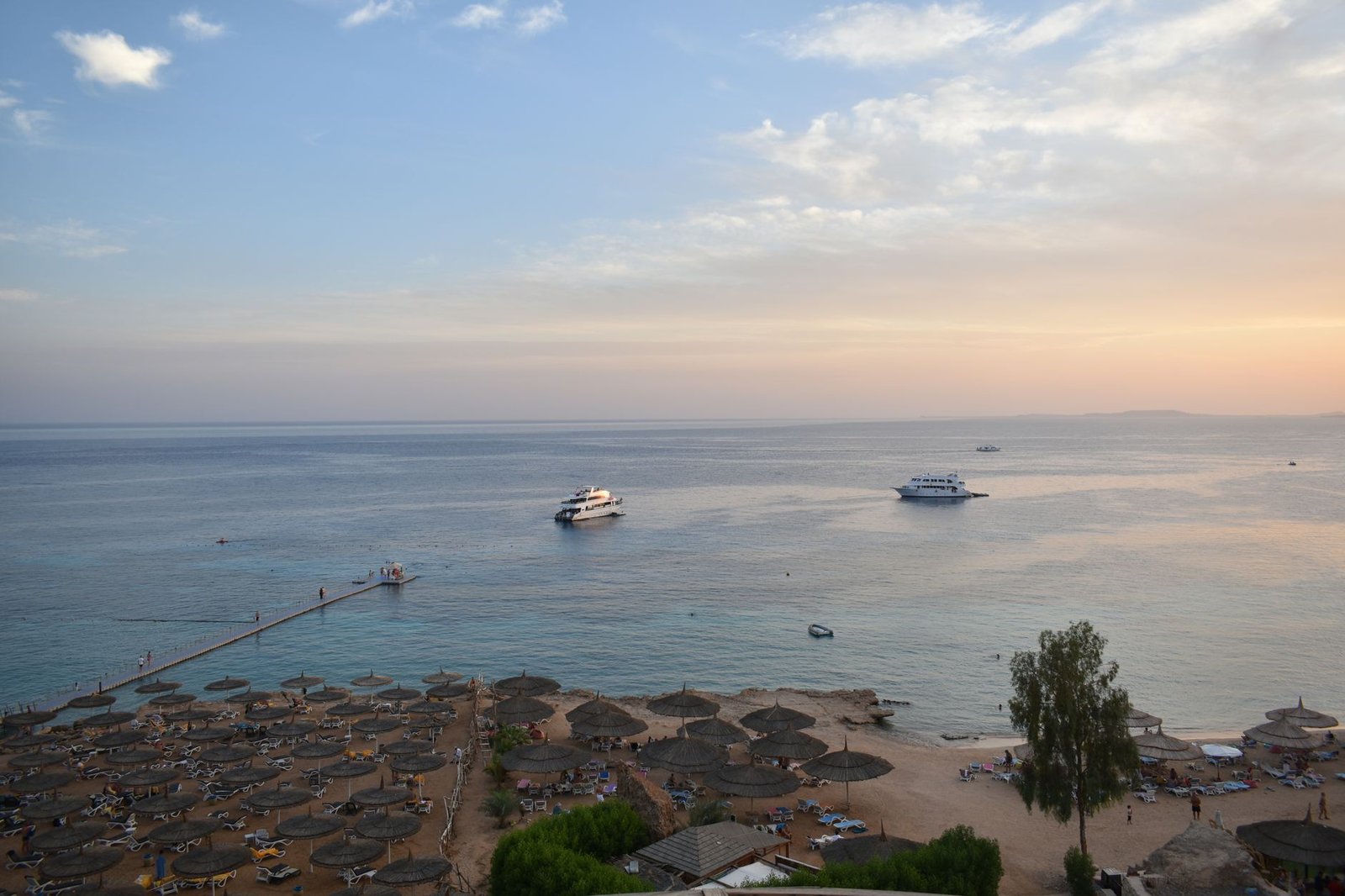
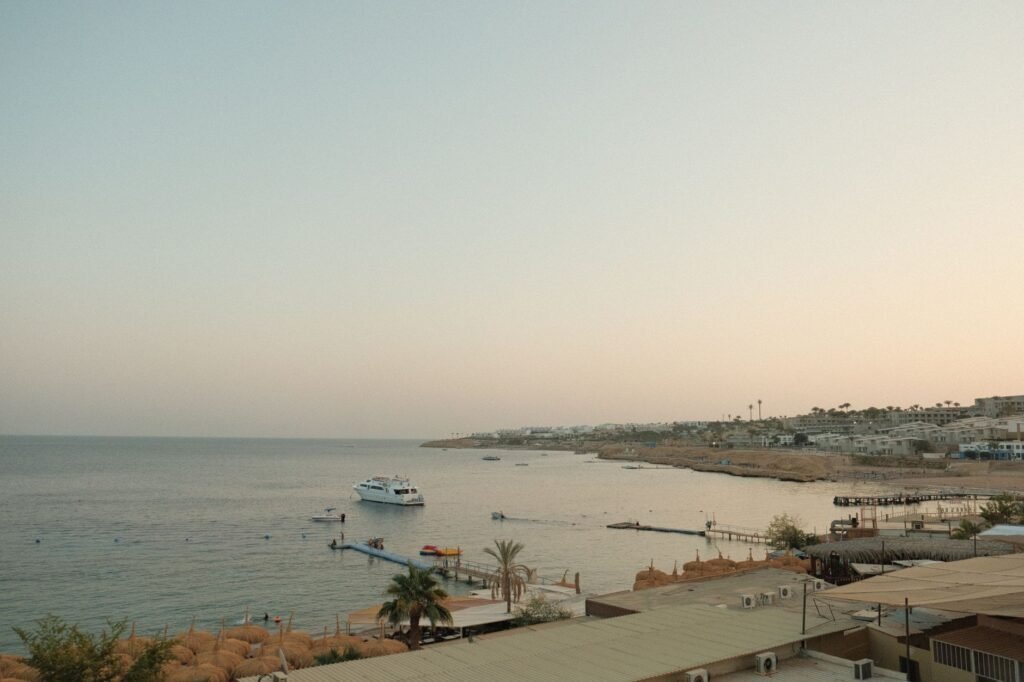
Naama Bay is the heart of Sharm’s beach scene. A long, crescent‑shaped stretch of golden sand is lined with palm trees, beach clubs, and cafés. The water is shallow and calm, making it ideal for families and beginners in water sports. You can rent a sun lounger for a few hours, sip a fresh juice, and watch the sunset from the promenade.
Shark’s Bay
Just north of Naama, Shark’s Bay offers a more tranquil atmosphere. The bay is protected by a reef, creating clear, turquoise water that is perfect for snorkeling. The beach is less crowded, and several upscale resorts provide private beach access for guests.
Ras Mohamed National Park
Ras Mohamed is a protected marine reserve at the southern tip of the peninsula. Its rugged coastline includes secluded coves, dramatic cliffs, and some of the most intact coral formations in the Red Sea. While you need a permit to enter the park, many tour operators include it in day‑trip packages.
| Beach | Best For | Facilities |
|---|---|---|
| Naama Bay | Family, nightlife | Restaurants, water‑sports rentals, showers |
| Shark’s Bay | Snorkeling, quiet | Basic changing rooms, nearby resorts |
| Ras Mohamed | Nature, diving | Limited; bring your own gear |
Snorkeling and Diving
Top Dive Centers
Sharm is home to dozens of licensed dive schools, many of which have international affiliations such as PADI and SSI. Popular choices include Emperor Divers, Blue Ocean Diving, and Pharaoh Divers. These centers offer courses ranging from introductory “Discover Scuba” experiences to advanced technical dives.
- Emperor Divers – known for small group sizes and personalized instruction.
- Blue Ocean Diving – offers night‑dive packages and reef conservation trips.
- Pharaoh Divers – specializes in wreck diving and deep‑water excursions.
Best Dive Sites
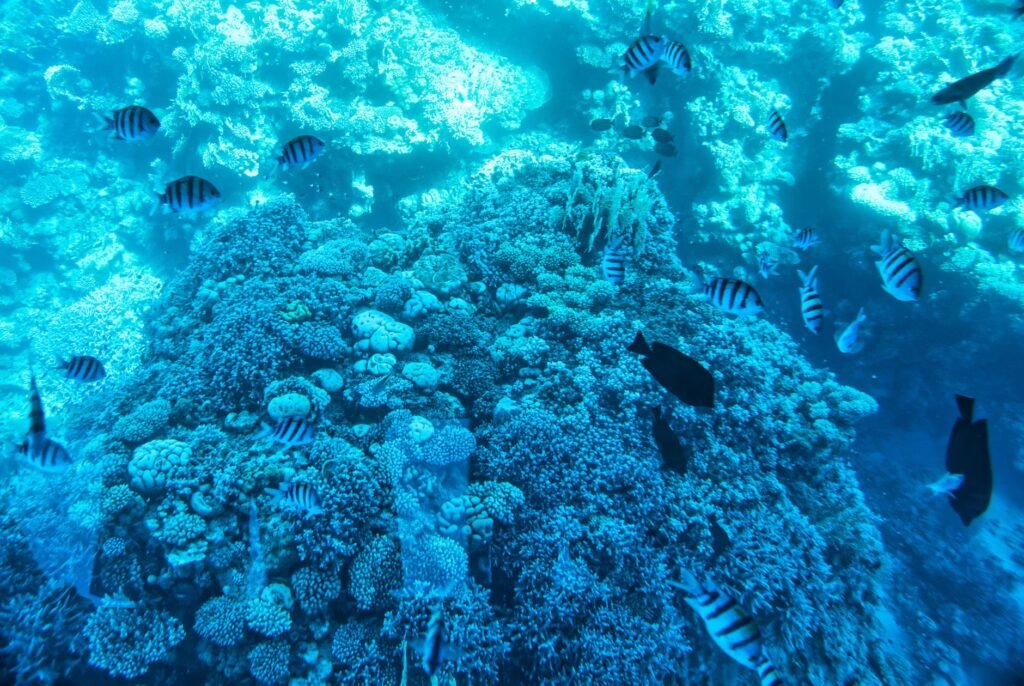
The Red Sea’s biodiversity is legendary, and Sharm provides access to several world‑renowned sites. Ras Mohamed boasts vibrant coral walls and abundant fish life. Jackson Reef is famous for its “Manta Ray City” where large pelagic species gather seasonally. For a more adventurous experience, head to St. John’s Reef, where you can explore dramatic drop‑offs and occasional shipwrecks.
Most dive trips last 3-4 hours and include equipment, a safety briefing, and a professional guide. Always check the latest weather and sea‑condition reports, and remember to respect marine life by not touching the coral.
Water Sports and Adventure
Parasailing and Jet‑Skiing
For an adrenaline boost, try parasailing over the crystal‑clear waters of Naama Bay. Operators such as Red Sea Parasail provide tandem flights that last about 15 minutes, giving you panoramic views of the coastline. Jet‑ski rentals are also widely available, with hourly rates that include a brief safety tutorial.
Wind‑surfing and Kite‑surfing
The steady breezes that sweep across the bay make Sharm a reliable spot for wind‑surfing. Several schools, like WindPower Sharm, rent boards and offer lessons for all skill levels. Kite‑surfing is less common but possible during the windy months of March to May.
All water‑sport providers require a short waiver and a brief orientation. Bring sunscreen, a hat, and a waterproof bag for your valuables.
Cultural Experiences
Old Market (Souq)
The Sharm Old Market, or Souq, is a labyrinth of stalls selling spices, textiles, handcrafted jewelry, and traditional souvenirs. It’s best visited in the late afternoon when the heat eases and the market buzzes with locals and tourists alike. Haggling is expected, so start by offering about 60 % of the asking price and negotiate politely.
St. Catherine’s Monastery Day Trip
Located about two hours north of Sharm, St. Catherine’s Monastery is a UNESCO World Heritage site perched at the foot of Mount Sinai. The monastery houses ancient manuscripts, icons, and a library that dates back to the 6th century. Many tours include a hike up Mount Sinai for sunrise, offering a spiritual and photographic highlight.
Dress modestly for the monastery (shoulders and knees covered) and bring a light jacket for the early‑morning climb, as temperatures can drop quickly.
Nightlife and Entertainment
Bars and Clubs
After sunset, Naama Bay transforms into a vibrant nightlife hub. Bars such as Hard Rock Café Sharm and Baracca Club offer live music, DJ sets, and themed nights. Dress codes are relaxed but smart‑casual attire is appreciated in upscale venues.
Shows and Performances
For a taste of local culture, attend a Bedouin dinner show. These performances combine traditional music, dance, and a hearty meal of grilled meats and mezze. The shows are often held in desert‑style tents on the beach, providing a memorable backdrop of the night sky.</n
Most venues have a minimum spend requirement, so it’s wise to check in advance and budget accordingly.
Food and Drink
Local Egyptian Cuisine
Sharm’s culinary scene reflects the broader flavors of Egypt. Don’t miss staples such as koshari (a lentil‑rice‑pasta dish), ful medames (stewed fava beans), and fresh seafood grilled with local herbs. Restaurants near the beach often serve a “seafood platter” that includes shrimp, calamari, and fish, all cooked in a light garlic‑lemon sauce.
International Restaurants
For those craving familiar tastes, Sharm offers a range of international eateries. Italian pasta houses, Japanese sushi bars, and American‑style steakhouses line the promenade. Aladin Restaurant is popular for its extensive buffet that blends Middle Eastern and Mediterranean dishes.
- Best for seafood: Fish Market – fresh daily catch.
- Best for vegetarian: Veggie Garden – creative plant‑based menu.
- Best for a romantic dinner: Blue Ocean – seaside setting with sunset views.
Day Trips and Excursions
Mount Sinai and St. Catherine’s Monastery
Climbing Mount Sinai is a spiritual pilgrimage for many visitors. The ascent can be done on foot or via a camel ride, with the latter offering a more relaxed experience. Reaching the summit for sunrise rewards you with breathtaking vistas over the Sinai desert and the Red Sea.
Colored Canyon
The Colored Canyon, located near Nuweiba, is a hidden gem of sandstone formations painted in vibrant reds, oranges, and yellows. Guided hikes typically last 2-3 hours and include opportunities to wade through shallow pools. Bring sturdy shoes and a camera to capture the natural artwork.
Both excursions can be booked through local tour agencies; they usually include transportation, a guide, and a light lunch.
Marine Conservation Tours
Ras Mohammed National Park Guided Walks
Guided walks in Ras Mohammed let visitors explore the park’s fragile coral ecosystems on foot. Knowledgeable naturalists point out the symbiotic relationships between coral, fish and sponges, helping tourists understand why protection matters. The trails avoid sensitive areas while offering panoramic views of the Red Sea coastline. Each walk ends with a brief talk on ongoing conservation projects supported by local NGOs.
Eco‑Diving with the Egyptian Environmental Affairs Agency
Eco‑diving trips are organized in partnership with the EEAA to monitor reef health. Participants help record marine life sightings and collect data on coral bleaching, contributing to scientific research. The dives are limited to small groups to minimize impact, and all equipment follows strict eco‑friendly guidelines. After the dive, divers receive a summary of findings and tips for reducing their own ocean footprint.
- Ras Mohammed Visitor Center – information hub and meeting point.
- Coral restoration workshops – hands‑on experience planting coral fragments.
- Citizen‑science app – log observations directly from the water.
Desert Safari Experiences
Quad Biking across the Sinai Dunes
Quad biking tours launch from the outskirts of Sharm and wind through the towering dunes of the Sinai desert. Guides provide safety briefings and share stories about Bedouin traditions that have shaped the landscape for centuries. The routes include natural arches, hidden wadis and sunrise viewpoints that reward early‑rising adventurers. Riders are encouraged to respect the desert by staying on marked paths.
Starlit Bedouin Camp Night
After a day of desert exploration, many operators offer an authentic Bedouin camp experience under the night sky. Guests sit around a fire, listen to traditional music, and taste freshly baked flatbread with dates. The host often explains the constellations visible from the desert, linking them to ancient navigation methods. This immersive night fosters a deeper appreciation for the region’s cultural heritage.
- Recommended providers: Sinai Desert Adventures, Desert Safari Egypt.
- What to bring: sunscreen, water, sturdy footwear, and a light jacket for evening chill.
- Typical duration: 4‑6 hours, including travel to and from Sharm.
Wellness and Spa Retreats
Seaside Yoga at Naama Bay
Morning yoga sessions are held on the soft sand of Naama Bay, with instructors guiding participants through gentle flows that harmonize breath with the sound of waves. Classes cater to all levels, from beginners to seasoned practitioners, and often incorporate meditation focused on the sea horizon. The tranquil environment promotes stress reduction and improves flexibility, making it an ideal start to a day of exploration.
Luxury Spa Treatments at Four Seasons Resort
The Four Seasons Resort offers a comprehensive spa menu that blends international techniques with local ingredients such as Egyptian papyrus and marine algae. Signature treatments include a Red Sea mineral wrap and a hammam ritual that purifies the skin. Skilled therapists tailor each session to individual needs, ensuring a personalized rejuvenation experience. Guests can also enjoy a quiet lounge area overlooking the resort’s private beach.
- Popular services: aromatherapy massage, sea‑salt scrub, hydrotherapy circuit.
- Booking tip: reserve at least 24 hours in advance during peak season.
- Additional amenities: tea ceremony, wellness lounge, and sunrise meditation deck.
Frequently Asked Questions
When is the best time to visit Sharm el Sheikh?
The peak season runs from October to April, when temperatures are comfortable (20‑28 °C) and sea conditions are calm. Summer months are hotter but still popular for diving due to clear water visibility.
Do I need a visa to travel to Sharm el Sheikh?
Most nationalities can obtain a visa on arrival at the airport, valid for 30 days. It is advisable to check the latest entry requirements on the Egyptian consulate website before you travel.
Is it safe to swim in the Red Sea?
The Red Sea is generally safe for swimming and diving. Always follow local safety guidelines, avoid swimming alone at night, and be aware of occasional jellyfish blooms during summer.
What currency is used and can I use credit cards?
The Egyptian pound (EGP) is the official currency. Credit cards are accepted in most hotels, restaurants, and larger shops, but it’s useful to carry cash for small markets and tips.
The Bottom Line
Sharm el Sheikh offers a diverse palette of experiences that cater to sun lovers, underwater explorers, cultural curious, and night‑life seekers alike. By mixing beach time, marine adventures, local flavors, and a few day‑trips, you can craft a balanced itinerary that showcases the best of this Red Sea gem.
