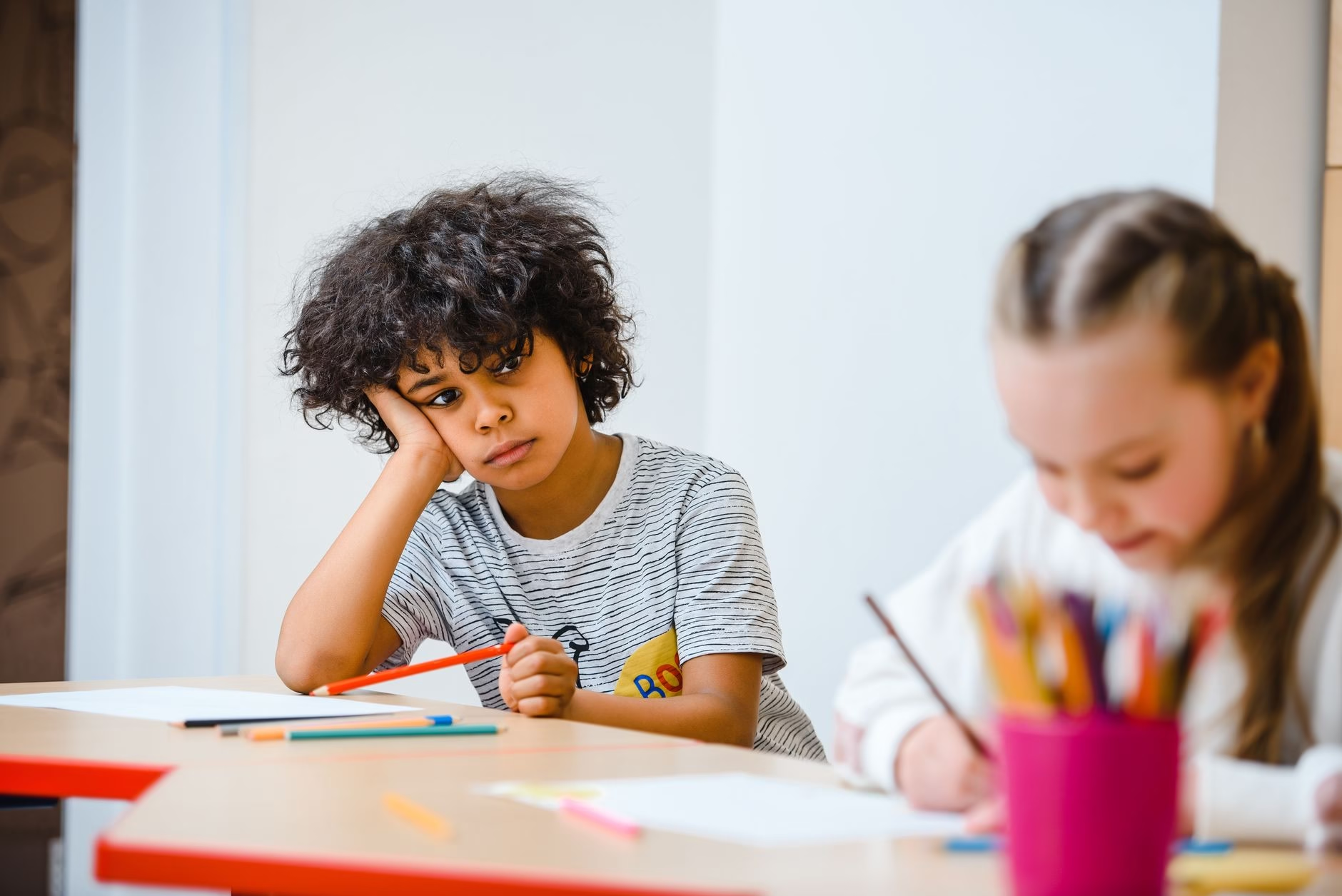
It’s a common situation: you’re in class, and you suddenly feel bored. The teacher is going on about a topic you just can’t get interested in. Instead of zoning out or staring at the clock, why not make the most of your time? There are plenty of fun and creative things you can do right at your desk. Getting through a dull lesson can be a lot easier with a few clever tricks up your sleeve.
Today, we’ll share some exciting ideas for what to do in class when boredom strikes. From creative doodling to engaging your classmates in games, you can turn a dull moment into something enjoyable. Let’s find ways to keep your mind active while still being respectful to your teacher and classmates!
things to do in class when bored
1. Start a Doodle Wall with Your Classmates
Creating a doodle wall in class can spark creativity and brighten the room. Gather some large sheets of paper or use a whiteboard. Invite all your classmates to join in the fun and contribute doodles over time. Whether it’s funny faces, intricate patterns, or inspirational quotes, everyone can add their unique touch.
Set aside a specific time each week to work on the doodle wall. This can be during a break or when you have some free time in class. Encourage classmates to come up with themes or ideas to keep the doodling exciting. You might even organize a mini-competition for the best doodle at the end of each month!
Beyond creativity, the doodle wall can also serve as a conversation starter. It might inspire students to bond over shared artistic interests. Moreover, it keeps the classroom environment lively and engaging. A colorful doodle wall can help reduce stress and energize everyone in the room.
Make sure to showcase the work proudly. Take photos of the doodles to share with your friends or on social media. This is not just fun but also creates a sense of community and belonging in your classroom.
So, grab those markers and start doodling today!
Address: Your classroom, local school.
2. Organize a Mini Book Club
A mini book club can make reading both fun and social. Gather a group of classmates who share an interest in reading. Choose a book that everyone is excited about and set a timeline for reading it. This way, you create a shared adventure while improving literacy skills.
During breaks, dedicate some time to discuss what you’ve read. You can talk about characters, settings, and plot twists. Encourage everyone to share their thoughts and feelings. This will spark deeper conversations and provide new insights into the stories you explore together.
Consider mixing genres to keep it interesting. One week can be fiction, the next, non-fiction or even graphic novels! Don’t forget to celebrate when you finish a book. You might host small parties or even outings related to the story.
This activity not only enhances reading skills but also strengthens friendships. It also allows classmates to bond over shared interests, fostering an inclusive classroom culture. Creating a positive atmosphere around reading helps everyone develop a love for literature.
So, grab your favorite book and invite your friends for an enriching experience!
Address: Your school library or classroom.
3. Write a Collaborative Story
Writing a collaborative story is a fantastic way to combine creativity with teamwork. Start with a simple sentence or scenario. Each person can take turns adding a sentence to the story. This will create a unique narrative where everyone contributes their ideas.
Encourage classmates to think outside the box while adding their sentences. This adventurous approach can lead to hilarious twists and turns. It’s fun to see how the narrative evolves based on everyone’s input. Keep a designated notebook or digital document to record the story as it grows.
At the end of the process, read the story aloud as a group. You may want to assign roles, like a narrator, to make it exciting during the reading. Discuss what everyone liked about different parts and ask for suggestions on how to improve the story further.
This activity sparks humor and creativity while enhancing writing and communication skills. It’s an enjoyable way to bond with classmates. You can even illustrate the story, making it a fun art project as well!
Collaborative storytelling can foster a sense of community in your classroom, leaving lasting memories!
Address: Your classroom or any comfortable group setting.
4. Make Homemade Stress Balls
Creating stress balls can be both therapeutic and entertaining. Collect some balloons and flour (or rice) as your primary materials. Start by filling balloons with flour or rice, then tie them securely. You can help your classmates create their stress balls during a workshop in class.
As you make these stress balls, discuss the benefits of stress relief techniques. Explain how squeezing a stress ball can help concentrate or calm nerves. This activity can also lead to engaging conversations about mental well-being and the importance of relaxation.
After making them, organize a small contest to see who can create the most unique or creative stress ball! Maybe add faces or colors with markers to personalize them. This promotes a fun atmosphere and allows for creativity.
By the end of the session, everyone will leave with their stress ball, ready to tackle the challenges of school. It will serve as a constant reminder to take breaks and manage stress positively.
This engaging hands-on activity not only boosts creativity but also promotes well-being in your classroom.
Address: Your classroom or designated arts and crafts area.
5. Create a Class Quiz Game
Creating a class quiz game can make learning more enjoyable and interactive. Choose subjects you are studying and formulate interesting yet educational questions. Divide the class into teams and let the competition begin! This game can reinforce knowledge while bringing excitement.
As you design the quiz, encourage your teammates to contribute questions. This way, everyone feels involved in the process. You can use props like buzzers or bells for answers to make it more engaging. Set a time limit for answers to increase the thrill of the game.
After each round, tally the scores and reward the winning team with small prizes or accolades. This strategy builds a friendly competitive spirit and motivates students to engage with the material more actively.
Interacting through a quiz helps revise the lessons in a fun manner. It fosters teamwork and collaboration among classmates. Through this activity, you can also identify areas where more study might be beneficial.
In no time, your peers will look forward to learning days, excited by the quiz game! Make knowledge fun!
Address: Your classroom during educational sessions.
6. Set Up a Classroom Scavenger Hunt
A classroom scavenger hunt is a thrilling way to learn and explore. Create a list of educational items or clues hidden around the room. Divide students into groups and give them a set time to find all the items on the list. This will create excitement and teamwork.
Incorporate items that relate to the subjects being taught. For example, math puzzles, science facts, or historical artifacts can enrich the experience. As students engage in this activity, they will reinforce their knowledge while having fun.
Set clear rules beforehand to avoid chaos. Ensure that everyone knows where they can and cannot go. You can assign points for each item found. At the end, recognize the winning group and celebrate everyone’s effort with fun rewards!
This hands-on experience will create memorable learning moments. It encourages movement and collaboration in a classroom setting. The scavenger hunt can also foster critical thinking skills as they solve clues and work together.
So prepare your scavenger hunt and get your classmates excited for the adventure!
Address: Your classroom or designated learning area.
7. Challenge Your Classmates to a Puzzle-Solving Race
Puzzle-solving races can boost your problem-solving skills while fostering teamwork. Organize this fun competition in class by preparing various puzzles or brain teasers. Divide the class into small teams, and challenge them to see who can solve the puzzles the quickest.
This race can involve riddles, logic puzzles, or physical challenges like jigsaw puzzles. Set a clear time limit for each round to create urgency, and encourage teamwork by allowing everyone in the group to contribute their ideas. The lively atmosphere will encourage enthusiasm and excitement!
After completing the puzzles, hold a discussion. Ask teams what strategies worked best and how they solved specific puzzles. This reflection promotes critical thinking and learning from each other.
Consider offering small prizes or certificates for the winning team to raise the stakes. Celebrating each team’s effort fosters a positive vibe in the classroom, encouraging a culture of collaboration.
So get ready to tackle those puzzles and ignite the competitive spirit in your class!
Address: Your classroom or outdoor learning space.
8. Plan a ‘Show and Tell’ Session
A ‘Show and Tell’ session can enhance communication skills and creativity in the classroom. Invite your classmates to bring unique items and share their stories. This event promotes self-expression and helps build confidence in speaking publicly.
Set a theme for each session to generate excitement. Topics can range from favorite books, hobbies, or even cultural artifacts. Encourage everyone to ask questions after each presentation to stimulate discussion. This will create a friendly and interactive atmosphere.
Consider establishing basic guidelines to support an organized flow of presentations. For instance, set a time limit for each speaker and ensure everyone has a chance to present. This ensures everyone can share their interests and stories equally.
This session encourages listening skills while showcasing individual talents and experiences. It’s a great way for students to better understand each other and foster friendships. By sharing personal objects, classmates will feel more connected.
So, gather those unique items and prepare to share exciting stories!
Address: Your classroom during designated sharing times.
9. Start a Small Garden in the Classroom
Starting a small garden can teach students about nature and responsibility. Choose easy-to-care-for plants, like herbs or flowers, to grow inside your classroom. You can create a designated space, such as a windowsill or corner table, to nurture and observe the plants.
Assign roles within the group—some can be in charge of watering, while others can monitor growth. This fosters teamwork and responsibility among classmates. Regularly discuss the importance of plants in the environment and how they grow.
Consider holding workshops to teach students about planting techniques. Discussing topics like photosynthesis, soil types, and plant care can be integrated into your curriculum. Plus, it will keep the students engaged as they learn from hands-on experiences.
As plants grow, students can share updates, creating a sense of accomplishment. A classroom garden can also brighten the space and create a more welcoming atmosphere. It serves as a reminder of the beauty of nature inside a classroom!
So, gather your gardening supplies and get those green thumbs working!
Address: Your classroom with sufficient light and space.
10. Initiate a Classroom Debate
Classroom debates can broaden perspectives and enhance critical thinking skills. Choose relevant or fun topics that encourage involvement and interest among classmates. Create teams where students can research and prepare arguments to present during the debate.
Establish rules and a structure for the debate. Set time limits for each speaker and ensure everyone gets a chance to present their points. This way, everyone can feel involved in the process while learning about the importance of respectful discourse.
Encourage classmates to express their opinions and listen to differing viewpoints. After the debate, initiate discussions about what they learned. Highlighting the art of persuasion and reasoning will deepen understanding of the subject matter.
Consider offering recognition for the most compelling arguments or the best team collaboration. Celebrating the efforts puts everyone in a positive light, encouraging future participation.
Debates are not just academic; they will develop skills that benefit students in many aspects of their lives. Get ready to challenge perspectives and sharpen those argumentative skills!
Address: Your classroom or designated debate area.
11. Create a Vision Board
Creating a vision board can be an inspiring activity that helps classmates visualize their goals. Gather materials like magazines, scissors, glue, and large posters. Encourage everyone to express their hopes and dreams through images and words they relate to.
This process allows students to reflect on their aspirations in various life aspects, such as academics, hobbies, or future careers. Setting aside time for everyone to create their boards promotes self-discovery and intention-setting.
After creating the boards, arrange a sharing session. Everyone can take turns explaining the elements on their boards and what they represent. This sharing will help foster connection and support among classmates as they learn about each other’s goals.
Your vision boards can be displayed in the classroom as colorful reminders of your aspirations. Use them to motivate and encourage each other throughout the year. They can serve as a positive influence during challenging times.
Vision boards are a fun way to encourage dreaming big while developing clarity around personal goals!
Address: Your classroom during creativity sessions.
12. Write Compliments on Sticky Notes
Writing compliments on sticky notes can promote kindness and positivity in the classroom. Gather a stack of colorful sticky notes and pens. Invite classmates to write sincere compliments for each other anonymously and place them on classmates’ desks.
This small but meaningful action can brighten someone’s day and contribute to a positive classroom environment. Encourage everyone to be specific with their compliments, whether it’s about someone’s work, personality, or effort. This also allows students to recognize and appreciate the strengths of their peers.
Set a regular time to do this activity, making it a part of your class routine. Sharing the compliments through reading aloud or discussing their impact can create a warm and supportive classroom atmosphere.
This activity not only builds self-esteem but also strengthens relationships among classmates. Taking time to acknowledge one another fosters a culture of kindness and support.
Imagine coming into class and finding cheerful notes waiting for you! Such a small effort can create significant positive change.
Address: Your classroom during designated kindness periods.
13. Host a Silent Reading Session
A silent reading session inspires a love for literature while allowing students to relax. Dedicate a quiet period in class where everyone can read their chosen books in silence. This time encourages focus and concentration while improving reading skills.
Set a comfortable atmosphere with soft lighting and pillows if possible. Encourage classmates to bring and share their favorite books, magazines, or comics. Discussing reading materials beforehand can help create excitement for the session.
After the reading period, hold a sharing session where classmates can discuss what they read. This enhances comprehension skills and allows them to express their thoughts. Sharing can spark interest in new genres and authors among peers.
Consider starting a book review exchange where students can write brief reviews of what they read. Display them in the classroom to encourage others to pick up those books. This cultivates a culture of reading and enhances literacy skills.
A silent reading session fosters relaxation and promotes the joy of reading together. Get ready to dive into your next great adventure!
Address: Your classroom during reading periods.
14. Draw a Giant Floor Map of a Historical Location
Creating a giant floor map is an interactive way to learn about history. Choose a historical location your class is studying. Use large sheets of paper or tape to create the outline on the floor, and invite classmates to help fill in details.
Each student can be responsible for researching a different aspect of the location, like landmarks, events, and significant figures. As you work together to build the map, students learn to coordinate and collaborate. This hands-on approach will enhance memory retention.
After completing the map, host a presentation where each contributor shares the research they gathered. You could even have themed days to celebrate milestones in history using the map as your backdrop.
This collaborative project can reinforce history lessons while igniting creativity. Students will remember the hands-on experience when discussing history in the future.
From maps in the classroom to inspired learning, creating floor maps can change the way history is taught!
Address: Your classroom or designated learning area with floor space.
15. Make Friendship Bracelets
Making friendship bracelets is a fun and crafty way to bond with classmates. Gather colorful threads and materials to create beautiful bracelets that symbolize friendship. Set aside a crafting session and teach classmates how to weave and design their bracelets.
Encourage creativity by allowing everyone to choose their unique colors and patterns. You can also have a theme for the bracelets, such as school colors or favorite colors, to personalize them even more. Crafts can be a conversational icebreaker and help classmates get to know each other better.
Once everyone has made their bracelets, host a ceremony where classmates exchange their creations. This act fosters friendship and goodwill among classmates, reinforcing social connections.
Consider incorporating stories or memories behind each color choice during the exchange. Sharing these moments further enhances the emotional connection. It will make each bracelet even more special!
Crafting and exchanging bracelets not only beautifies the day but also creates lasting memories and deeper friendships.
Address: Your classroom or designated arts and crafts area.
16. Start a Classroom Pen Pal Exchange
Starting a classroom pen pal exchange, either within your class or with another class, can build writing skills and friendships. Choose a theme, such as cultural exchange or personal experiences, and pair up students as pen pals. Each student can write letters to share stories, perspectives, and questions.
Encourage creativity by allowing students to decorate their letters or share small token items, such as drawings. This adds excitement and keeps the writing process engaging. Set a schedule for sending and responding to letters to create anticipation.
After a few exchanges, facilitate storytelling sessions where students can share their experiences and learnings from their pen pals. This promotes active listening and helps students appreciate diverse perspectives.
If possible, plan an eventual in-person visit or video call to meet their pen pals! This strengthens the connections and enhances communication skills.
Participating in a pen pal exchange can create lasting friendships and foster a love for writing. It’s an inspiring way to build connections beyond the classroom walls!
Address: Your classroom or partnered school.
17. Create a Group Art Project
Creating a group art project can unleash creativity and foster teamwork. Choose a theme for the art piece and gather a variety of supplies, including paints, markers, and large canvases. Each student can contribute to the project by adding their unique touch.
Work together to brainstorm ideas and form a plan for the design. Collaboration promotes communication and allows classmates to express their visions as they work together. Throughout the process, encourage everyone to share their artistic skills and techniques.
Once the art piece is complete, proudly display your group work in the classroom or school hallway. This showcases the collective effort and can even serve as a conversation starter for visitors.
Consider hosting an art reveal session where students can discuss the creative process and what the piece represents. This promotes confidence and peer recognition.
Collaborative artwork encourages camaraderie and creates a sense of accomplishment, uniting the classroom through creativity and self-expression!
Address: Your classroom or designated art space.
18. Organize a Themed Costume Day
Organizing a themed costume day can make the school environment lively and exciting! Choose a fun theme that everyone can participate in, such as favorite book characters, historical figures, or even a color day. Announce it ahead of time to build anticipation!
On the costume day, encourage enthusiasm and creativity among classmates. Take photos for class memories, and recognize everyone’s efforts, big or small. To make it even more engaging, consider hosting a parade or costume showcase in the school hall.
In addition to the fun, you can integrate the theme into the day’s lessons. For instance, if it’s a historical figures day, discuss important events relating to their costumes. This can help enhance the educational experience.
Afterwards, celebrate with a small party or refreshments that align with the theme. This will build community spirit and create lasting memories!
Remember, it’s not just about the costumes; it’s also about creating connections and having fun together!
Address: Your classroom or school hall.
19. Prepare a Short Presentation on an Interesting Topic
Preparing short presentations can enhance public speaking skills and ignite enthusiasm for research. Invite classmates to choose a topic they are passionate about, from science to pop culture. This allows students to share their interests and knowledge with others.
Set a time limit for each presentation to keep it concise. Encourage classmates to use visuals, such as slideshows, props, or posters, to engage their audience during the presentation. This can make their ideas more memorable!
After each presentation, allow time for Q&A sessions. This promotes interaction and discussion, encouraging classmates to think critically about the material presented. You can even give feedback and recognition for standout contributions!
Incorporating educational topics that classmates are passionate about can foster curiosity and encourage collaborative learning. It’s an opportunity for everyone to learn from one another!
This activity not only develops presentation skills but also cultivates a sense of community and openness within the classroom.
Address: Your classroom during activity sessions.
20. Have a Talent Show in Class
Hosting a talent show in class can celebrate the unique abilities of your classmates! Encourage everyone to share their talents, whether it’s singing, dancing, magic tricks, or poetry reading. This creates a platform for self-expression and builds confidence.
Organize auditions beforehand so students can prepare. Set up a stage area and arrange seating for classmates. Make sure to create a friendly atmosphere, and promote supportive behavior during performances. Applaud everyone’s efforts, regardless of their performance level.
To elevate the excitement, consider giving awards for categories such as “Most Creative” or “Audience Favorite.” This will encourage more participation and excitement among your peers.
After the talent show, host a reflection session where everyone can discuss their favorite acts and share what they enjoyed. This promotes appreciation for individual talents while fostering friendships.
Remember, it’s all about having fun and enjoying the diverse skills students bring to the classroom!
Address: Your classroom or designated performance area.
21. Compile a Class Cookbook
Compiling a class cookbook can be a fantastic way to celebrate culture and diversity while engaging in a fun group project. Invite classmates to share their favorite family recipes. Put together everyone’s contributions into a shared document or booklet.
Encourage creativity by allowing students to decorate their pages with illustrations or photos of the dishes. This adds a personal touch and makes the cookbook special to everyone. Consider categorizing the recipes by meal type or culture to enhance the organization.
A recipe tasting day can be an exciting add-on. Invite classmates to prepare their recipes to share with the class. This fosters a sense of community and helps everyone bond over food.
Sharing stories behind the recipes can deepen connections and help classmates appreciate each other’s backgrounds. It’s a great opportunity for cultural exchange and love for food!
Creating a class cookbook not only preserves memories but also builds camaraderie through a shared love of cooking and eating together!
Address: Your classroom or designated gathering area.
22. Start a Class Podcast
Starting a class podcast can be an innovative way for students to express their ideas and creativity. Gather a few interested classmates to brainstorm topics that appeal to everyone. This could be about school life, hobbies, or community issues.
Assign roles within the group so that everyone has a part in the podcast-making process. Some can research topics, while others can handle recording or editing. This promotes teamwork and encourages students to learn valuable skills.
Keeping the podcast informal and fun will help make it engaging. Encourage discussions and incorporate interviews with classmates or teachers to add variety. Create segments like “news updates” or “favorite moments” to enhance creativity.
Once completed, share the podcast with your class or school community. This fosters a sense of accomplishment while showcasing everyone’s hard work!
Starting a podcast can inspire creativity among classmates and create lasting bonds as they explore various topics together!
Address: Your classroom during recording sessions.
23. Settle Down for a Group Mindfulness Session
Organizing a group mindfulness session can enhance well-being and foster a calm classroom environment. Schedule regular mindfulness breaks during the day. Gather everyone in a comfortable area and guide classmates through simple breathing exercises or meditation.
Utilize calming music or nature sounds to create a soothing atmosphere. Encourage students to focus on their breathing and relax their bodies as they clear their minds. This practice helps reduce stress and anxiety while enhancing focus in class.
Consider closing the session with a discussion about everyone’s feelings. This allows students to share their experiences and creates a supportive environment. This practice fosters connections among classmates and encourages emotional expression.
Mindfulness doesn’t just benefit individual well-being; it cultivates a positive classroom atmosphere. It helps build resilience and coping strategies to handle stress positively.
Make mindfulness a part of your class’s culture, leading to happier and more focused students!
Address: Your classroom or quiet area.
24. Negotiate a ‘No-Technology’ Day
Negotiating a ‘no-technology’ day can foster creativity, interaction, and conversation among students. Propose this idea to your classmates and teachers, emphasizing the benefits of disconnecting from devices. On this day, everyone should leave their phones and tablets behind.
Organize activities that encourage interaction, like board games, storytelling, or outdoor activities. This approach allows classmates to connect with each other face-to-face and explore new interests. This can lead to richer conversations and shared experiences.
Discuss how reducing screen time can lead to improved focus and creativity. During this time, students can express ideas and encourage brainstorming without distractions. This can inspire new collaborations and friendships.
The experience of navigating a day without technology can be eye-opening. Students may realize the joys of connecting without their devices. This fosters a more collaborative, engaging environment and hones interpersonal skills.
Embrace a ‘no-technology’ day for a refreshing and meaningful experience!
Address: Your classroom or school area.
25. Plan a Class Charity Project
Planning a class charity project can instill a sense of community and empathy among students. Discuss local charities or causes that need support. Gather input from classmates to decide on a project that resonates with everyone, such as fundraising, volunteering, or donating items.
Set achievable goals for the project, such as raising funds within a month or collecting a certain number of items. Divide tasks and responsibilities across the class to ensure everyone is involved in the process.
Consider organizing events like bake sales, car washes, or school presentations to raise awareness. These activities can generate excitement and motivate classmates to participate actively. Highlighting the impact of their efforts fosters a sense of accomplishment and responsibility.
After the project, celebrate successes together and reflect on the positive changes made in the community. This reinforces the importance of altruism and teamwork.
Through engaging in charity work, students learn valuable lessons about kindness and the impact of giving back!
Address: Your classroom during planning sessions.
Final Thoughts
Creating engaging activities in class can significantly enhance the learning experience. From art projects to community service initiatives, these activities promote creativity, build teamwork, and help students develop essential life skills. If you’re curious about other enriching experiences, check out unique things to do in Salem, MA, or explore activities in Alexandria, VA!
These activities encourage positive interactions and foster a sense of belonging among classmates. As students engage in these exciting projects, they will leave with lasting memories and friendships while deepening their connections to the curriculum.
Through collaboration and exploration, students not only learn academically but also grow personally, preparing them for the future. Embracing this type of interactive learning will inspire a healthy, vibrant classroom culture!
Further Reading
20 Best and Fun Things To Do In Aspen
20 Best and Fun Things To Do In Valencia