
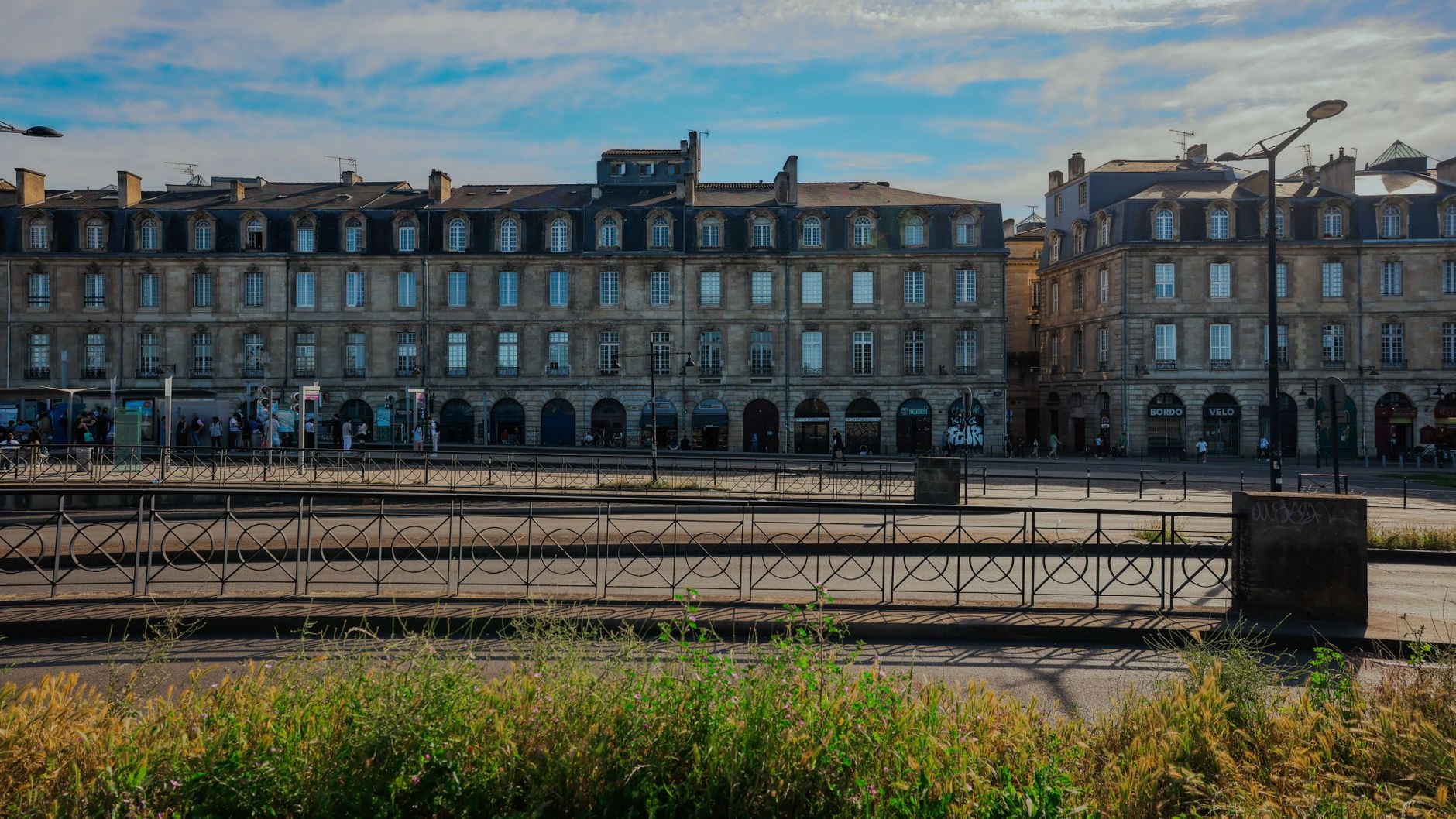
Why Bordeaux Captivates Travelers
Bordeaux sits on the banks of the Garonne River, a city that effortlessly blends historic grandeur with a contemporary, cosmopolitan vibe. Its UNESCO‑listed historic center is a showcase of elegant stone façades, wide boulevards, and a network of elegant squares that whisper stories of centuries past. Yet beyond the architecture, Bordeaux is the gateway to some of the world’s most celebrated vineyards, offering a unique blend of urban culture and wine‑driven terroir. The city’s reputation for fine food, vibrant arts, and a thriving riverfront scene makes it a destination that appeals to history buffs, gourmands, wine lovers, and casual wanderers alike.
What sets Bordeaux apart is its sense of scale. The city feels intimate enough to explore on foot, yet it is large enough to provide a diverse range of neighborhoods, each with its own character. Whether you’re strolling along the reflective surface of the Water Mirror at Place de la Bourse, sipping a glass of Merlot in a historic cellar, or cycling along the newly revitalized riverbanks, Bordeaux offers a rhythm that feels both relaxed and purposeful.
When to Visit: Climate, Events, and Seasonal Highlights
Bordeaux enjoys a temperate oceanic climate, with mild winters and warm summers. The most popular time to visit is from late spring to early autumn (May – October), when the weather is generally sunny and the city’s outdoor cafés buzz with life. May and June bring blooming gardens and fewer crowds than the peak July‑August period, making them ideal for leisurely sightseeing.
September is a favorite among wine enthusiasts because it aligns with the start of the harvest season in the surrounding vineyards. Many châteaux open their doors for special tastings, and the city’s wine festivals showcase the latest vintages. If you love music and street performance, the Fête du Vin in June transforms the riverfront into a lively stage of live bands, food stalls, and pop‑up wine bars.
Winter (December – February) offers a quieter experience. While the temperatures can dip to around 5 °C (41 °F), the festive lights on the quays and the cozy ambiance of the historic inns provide a romantic setting. Many museums and monuments remain fully accessible, and you’ll find fewer tourists in line for the major attractions.
How to Arrive: Airports, Trains, and Road Connections
The primary gateway to Bordeaux is Bordeaux‑Mérignac Airport (BOD), located about 12 km west of the city centre. It receives regular flights from major European hubs such as Paris, London, Amsterdam, and Frankfurt, as well as seasonal charter connections from North America. Upon arrival, the airport’s shuttle bus links directly to the city’s main railway station, Gare de Bordeaux Saint‑Jean.
For travelers preferring rail, Bordeaux Saint‑Jean is a key stop on the high‑speed TGV network, connecting the city to Paris in roughly two hours. The station also offers regional TER services to surrounding towns and the Atlantic coast, making it a convenient base for day trips.
If you’re driving, the A10 motorway runs north‑south along the western side of the city, linking Bordeaux to Paris and the southwestern coast. Parking in the historic centre can be limited, but there are several park‑and‑ride facilities on the outskirts that connect to the tram network, allowing you to leave the car and explore the city on public transport.
Getting Around: Trams, Bicycles, and Walkable Streets
Bordeaux’s public transport system is anchored by an efficient tram network operated by TBM. The main lines (A, B, C, and D) radiate from the city centre, covering major districts, the riverfront, and the university area. Trams run every 5‑10 minutes during peak hours and are a reliable way to reach attractions such as the Quais de Bordeaux and the CAPC Musée d’Art Contemporain. A single ticket is valid across trams, buses, and the river shuttle, and a day pass provides unlimited travel for a full day.
Bicycle culture is strong in Bordeaux, thanks in part to the city’s flat terrain and an extensive network of bike lanes. The public bike‑share system, Vélô’v, offers stations throughout the city, allowing you to pick up a bike at one location and drop it off at another. Many visitors find that a combination of tram and bike lets them explore both the historic centre and the newer waterfront districts with ease.
Because many of Bordeaux’s treasures are clustered within the UNESCO‑listed core, walking is often the most enjoyable mode of transport. The pedestrian‑friendly streets, wide avenues, and well‑marked signage make it easy to discover hidden squares, local boutiques, and charming cafés on foot.
Top Historic Attractions: From Grand Theatres to Riverfront Mirages
Begin your cultural immersion at Place de la Bourse, arguably the most iconic square in Bordeaux. Its grand 18th‑century façade frames the Water Mirror, a reflective pool that creates a stunning illusion of the building’s architecture shimmering on the surface of the river. The mirror is especially magical at night when the lights illuminate the reflections.
Just a short walk away lies the Grand Théâtre de Bordeaux, an elegant neoclassical opera house that has hosted performances since 1780. Guided tours offer insight into the theatre’s architecture, its original stage machinery, and the sumptuous décor of the auditorium. If you time your visit with a performance, you’ll experience the acoustics that have dazzled audiences for centuries.
The Cathedral of Saint‑André (Cathédrale Saint‑André) stands as a testament to the city’s medieval past. Its soaring nave, towering spire, and stunning stained‑glass windows invite contemplation. Adjacent to the cathedral is the Tour Pey-Berland, a 14th‑century bell tower offering panoramic views of the city’s rooftops and the Garonne River.
For a deeper dive into Bordeaux’s maritime heritage, visit the Miroir d’Eau promenade along the river. The area has been transformed into a lively promenade lined with modern sculptures, cafés, and the Quais de Bordeaux promenade, perfect for a leisurely stroll.
Wine Experiences: From Grand Cellars to Boutique Tastings
No visit to Bordeaux is complete without immersing yourself in its wine culture. The city’s flagship wine museum, La Cité du Vin, offers an interactive journey through the world of wine, from ancient viticulture to contemporary winemaking. Its architecture—a striking, wave‑shaped building—houses an extensive tasting bar where you can sample wines from the Bordeaux region and beyond.
Beyond the museum, the historic Chartrons district is peppered with historic wine merchants’ houses that have been converted into tasting rooms and boutique wine bars. Walking through the narrow streets, you’ll find small venues where knowledgeable staff guide you through tastings of classic appellations such as Médoc, Saint‑Émilion, and Graves.
If you prefer a more structured exploration, numerous guided tours depart from Bordeaux’s train station and take you to vineyards in the surrounding countryside. These tours often include a visit to a château, a walk through the vines, and a sit‑down tasting paired with local cheese and charcuterie. While some tours require advance booking, many local operators offer spontaneous departures for small groups.
Neighbourhoods to Explore: Chartrons, Saint‑Pierre, and the Emerging Bassins à Flot
The Chartrons area, once the heart of Bordeaux’s wine trade, now buzzes with a creative energy. Its cobbled streets are lined with antique shops, art galleries, and hip cafés. The district’s historic warehouses have been repurposed into loft‑style apartments and modern co‑working spaces, giving it a blend of old‑world charm and contemporary flair.
Just north of Chartrons lies the Saint‑Pierre quarter, one of the oldest parts of the city. This lively neighbourhood is famous for its narrow alleys, vibrant market stalls, and the Place Saint‑Pierre square, where locals gather for outdoor concerts and street performances. The district’s eclectic mix of bars and bistros makes it an ideal spot for an evening aperitif.
The Bassins à Flot district, located along the Garonne’s left bank, has undergone a dramatic transformation in recent years. Formerly an industrial zone, it now hosts the contemporary art museum CAPC, the modern Space cultural venue, and a series of stylish riverfront restaurants. The area’s wide promenades and striking modern architecture provide a contrast to the historic centre, illustrating Bordeaux’s forward‑looking spirit.
Food & Culinary Scene: Signature Dishes, Markets, and Must‑Try Flavours
Bordeaux’s gastronomy reflects its Atlantic location and rich agricultural surroundings. The city’s cuisine is characterised by fresh, seasonal ingredients, generous use of butter and cream, and, of course, a close partnership with its wines.
- Entrecôte à la Bordelaise – a steak cooked in a sauce of butter, shallots, and red wine.
- Magret de Canard – duck breast, often served with a sweet‑sour orange or plum reduction.
- Canelés – small caramelised pastries with a custardy centre, a true Bordeaux specialty.
- Huîtres du Bassin d’Arcachon – oysters harvested from the nearby Arcachon Bay, enjoyed fresh on the half‑shell.
- Foie Gras – traditionally served as a pâté or torchon, typically paired with sweet Sauternes.
The Marché des Capucins, known locally as “the belly of Bordeaux,” is the city’s largest market and a food lover’s paradise. Stalls overflow with fresh produce, cheese, charcuterie, and seafood. It’s the perfect place to sample regional delicacies, pick up a picnic for the riverbanks, or simply watch locals haggle over the day’s catch.
For a more structured dining experience, Bordeaux offers a range of establishments from traditional bistros serving classic dishes to Michelin‑starred restaurants pushing culinary boundaries. Many eateries emphasize a “wine‑first” philosophy, curating menus that pair each course with a carefully selected local wine.
Day Trips from Bordeaux: Vineyards, Coastlines, and Medieval Villages
One of Bordeaux’s greatest advantages is its proximity to a wealth of attractions that can be explored in a day. The most iconic of these is Saint‑Émilion, a UNESCO‑listed medieval village nestled among vineyards. A short train ride (about 35 minutes) from Bordeaux Saint‑Jean takes you to the heart of this charming town, where narrow stone streets lead to historic monasteries, underground cellars, and a viewpoint that offers sweeping panoramas of the surrounding vines.
Wine lovers can also venture into the Médoc region, home to legendary châteaux such as Château Margaux and Château Lafite Rothschild. Guided tours often include a visit to the vineyards, a walk through the grand estates, and a tasting of the estate’s flagship wines. The region’s coastal stretch, known as the Côte de Beauté, offers scenic beaches and the historic town of Arcachon, famous for its dunes and fresh oysters.
For a coastal escape, the Arcachon Bay peninsula is reachable by a 1‑hour train ride to the town of Arcachon. The area is renowned for the Dune du Pilat, Europe’s tallest sand dune, which provides breathtaking views of the Atlantic and the surrounding pine forest. A short hike to the summit rewards you with a sweeping vista that is especially stunning at sunrise or sunset.
Another worthwhile excursion is the historic town of Bazas, located about an hour’s drive southeast. Known for its impressive cathedral and traditional market, Bazas offers a glimpse into the region’s medieval past away from the tourist crowds.
Budget‑Friendly Tips: Free Attractions, Affordable Eats, and Smart Transport
Traveling on a budget in Bordeaux is entirely feasible with a few strategic choices. Many of the city’s most iconic sites, such as the Place de la Bourse and the riverfront promenade, are free to enjoy. The Jardin Public, a sprawling park with lakes, a playground, and a small botanical garden, provides a pleasant setting for a picnic without any entrance fee.
To keep dining costs low, seek out the city’s bustling market stalls and small cafés away from the main tourist thoroughfares. The Marché des Capucins offers affordable options like fresh seafood platters, regional cheeses, and ready‑to‑eat sandwiches. You’ll also find “prix fixe” lunch menus in many bistros, which provide a multi‑course meal at a modest price.
Transportation savings can be achieved with the TBM 1‑day Pass, which grants unlimited rides on trams and buses for a full day. For those planning multiple days of travel, the TBM 2‑day or 7‑day passes provide better value. Bicycles from the Vélô’v system are also economical; the first 30 minutes are free, and subsequent minutes are charged at a low rate.
When venturing into the wine region, consider joining a group tour rather than booking a private one. Group tours often include transportation, a guide, and multiple tastings, offering a cost‑effective way to experience several châteaux in a single day.
Practical Logistics: Language, Currency, Safety, and Connectivity
The official language in Bordeaux is French, but most staff in hotels, restaurants, and major tourist sites speak at least basic English. Learning a few courteous French phrases—such as “Bonjour,” “Merci,” and “S’il vous plaît”—goes a long way in creating a positive impression.
Bordeaux, like the rest of France, uses the Euro (€) as its currency. Credit cards are widely accepted, especially Visa and Mastercard. Small cash amounts may be required for market purchases or small cafés, so it’s wise to keep some cash on hand. ATMs are plentiful throughout the city, and many banks provide multilingual service.
Overall, Bordeaux is a safe city for travelers. The historic centre is well‑lit at night, and petty crime rates are low. As with any popular tourist destination, keep an eye on personal belongings in crowded areas and use hotel safes for passports and valuables.
Staying connected is straightforward. Free Wi‑Fi is available in many public spaces, including the city library and several cafés. For broader coverage, local mobile operators offer prepaid SIM cards that can be purchased at the airport or in city shops.
Suggested Itineraries: Making the Most of Two or Four Days
Two‑Day Highlights
Day 1: Start with a morning walk along the riverfront, taking in the Water Mirror and Place de la Bourse. Continue to the Grand Théâtre for a guided tour, then enjoy lunch at a café in the Saint‑Pierre district. In the afternoon, explore the historic centre, visiting the Cathedral of Saint‑André and the Tour Pey‑Berland for panoramic views. Finish the day with an evening glass of wine at a Chartrons wine bar.
Day 2: Dedicate the morning to La Cité du Vin, allowing ample time for the interactive exhibits and tasting sessions. After lunch, head to the Jardin Public for a relaxing stroll, then explore the modern Bassins à Flot area, visiting the CAPC museum and enjoying dinner at a riverfront restaurant.
Four‑Day Exploration
Day 1 and Day 2 follow the same structure as the two‑day itinerary, giving you a solid foundation of Bordeaux’s urban attractions.
Day 3: Take a day trip to Saint‑Émilion. Arrive early to explore the medieval streets, visit a subterranean wine cellar, and enjoy a leisurely lunch paired with a local wine. Return to Bordeaux in the late afternoon for a relaxed evening in the Chartrons district.
Day 4: Choose between a coastal adventure to Arcachon Bay and the Dune du Pilat or a vineyard tour of the Médoc. Both options provide a contrasting perspective to the city’s urban charm—whether you prefer sandy dunes and fresh oysters or grand châteaux and refined tastings. Conclude your trip with a farewell dinner featuring classic Bordeaux cuisine, such as canelés for dessert.
