
Introduction: Why Cusco Captivates Every Traveler
Cusco, once the capital of the Inca Empire, sits high in the Andes at nearly 3,400 meters (11,200 feet) above sea level. Its cobblestone streets weave together layers of pre‑colonial stonework, colonial baroque architecture, and vibrant modern life. The city is the gateway to the world‑famous Machu Picchu, but it is also a destination that rewards explorers who linger long enough to discover its hidden plazas, bustling markets, and living traditions. Whether you are an avid trekker, a history buff, a foodie, or simply a curious wanderer, Cusco offers a compact yet richly varied playground of experiences.
When to Visit: Climate, Seasons, and Cultural Calendars
The Andean highlands enjoy two main seasons: a dry season from May to October and a rainy season from November to April. The dry months provide the best conditions for trekking and exploring archaeological sites, with clear skies that make the surrounding mountains glow. However, the rainy season brings lush green landscapes, fewer crowds, and lower prices on accommodation.
Altitude can feel more demanding when humidity rises, so many travelers prefer the dry season for the first few days of acclimatization. Keep in mind that major festivals—such as Inti Raymi (the Sun Festival) in late June and the Corpus Christi celebrations in early June—draw large crowds but also offer unforgettable cultural spectacles. Planning your trip around these events can add a vibrant layer to your itinerary.
Getting There and Getting Around: From Airport to City Streets
The main international gateway to Cusco is Alejandro Velasco Alvarado Airport (CUZ), which receives flights from Lima, Santiago, and a handful of North‑American and European hubs via connections. From the airport, taxis and shared shuttles are readily available. Always confirm the fare before boarding, or request that the driver use the meter if one is present.
Within the city, walking is the most pleasant way to explore the historic center, thanks to its compact layout and pedestrian‑friendly streets. For longer distances—such as trips to the Sacred Valley or the airport—buses and collective taxis (known locally as “colectivos”) run regularly. Rental cars are an option for those planning multiple day trips, though the winding mountain roads require confidence in high‑altitude driving.
Exploring the Historic Center: Plaza de Armas and Beyond
The Plaza de Armas serves as the beating heart of Cusco. Surrounded by grand colonial buildings, it is the perfect starting point for a walking tour. Highlights include:
- Cusco Cathedral: A masterpiece of Spanish baroque that houses intricate altarpieces and colonial art.
- Church of the Society of Jesus (La Compañía de Jesús): Renowned for its dazzling gold‑leaf interior and ornate façade.
- Municipal Palace: Featuring a balcony where the city’s mayor traditionally greets visitors.
Just a short stroll from the plaza, you’ll find the Qorikancha (Temple of the Sun), once the most important Inca temple. Its walls were once covered in gold, and the Spanish built the Church of Santo Domingo atop its foundations, creating a striking juxtaposition of Inca stonework and colonial plaster.
Wandering through the side streets, you’ll encounter charming cafés, artisan workshops, and hidden courtyards. The narrow lanes of the San Blas neighborhood, for instance, are lined with studios where local artists create traditional and contemporary works.
Inca Archaeological Sites Around Cusco: A Walk Through Ancient Engineering
The Inca legacy is visible in a series of impressive ruins that surround the city. These sites are easily reachable by taxi, bike, or on foot for the more adventurous.
- Sacsayhuamán: Perched on a hill overlooking Cusco, this massive fortress showcases the Incas’ skill in fitting gigantic stone blocks together without mortar. The panoramic view of the city from its terraces is worth the short uphill climb.
- Qenko: A short drive north of the city, Qenko features a series of carved stone pillars believed to have served astronomical or ceremonial purposes.
- Pukara: An early pre‑Inca fortress that provides insight into the defensive strategies of the region’s earlier inhabitants.
- Tambomachay: Known as the “Bath of the Inca,” this site contains a network of aqueducts, waterfalls, and canals that demonstrate sophisticated water‑management techniques.
Each location offers guided tours that explain the engineering marvels, cultural significance, and myths associated with the stones. Even without a guide, informative signage and mobile apps can help you appreciate the details.
The Sacred Valley: Day Trips to Pisac, Ollantaytambo, Moray, and Maras
The Sacred Valley (Valle Sagrado) stretches between Cusco and Machu Picchu, encompassing fertile valleys, terraced hillsides, and lively towns. A full day or two can be devoted to exploring its highlights.
- Pisac Market and Ruins: The weekly market (especially on Sundays) bursts with colorful textiles, pottery, and fresh produce. The adjacent ruins feature a temple complex with steep terraces.
- Ollantaytambo: This town retains its original Inca layout, and the fortress perched above the plaza offers dramatic stonework and sweeping views of the Urubamba River.
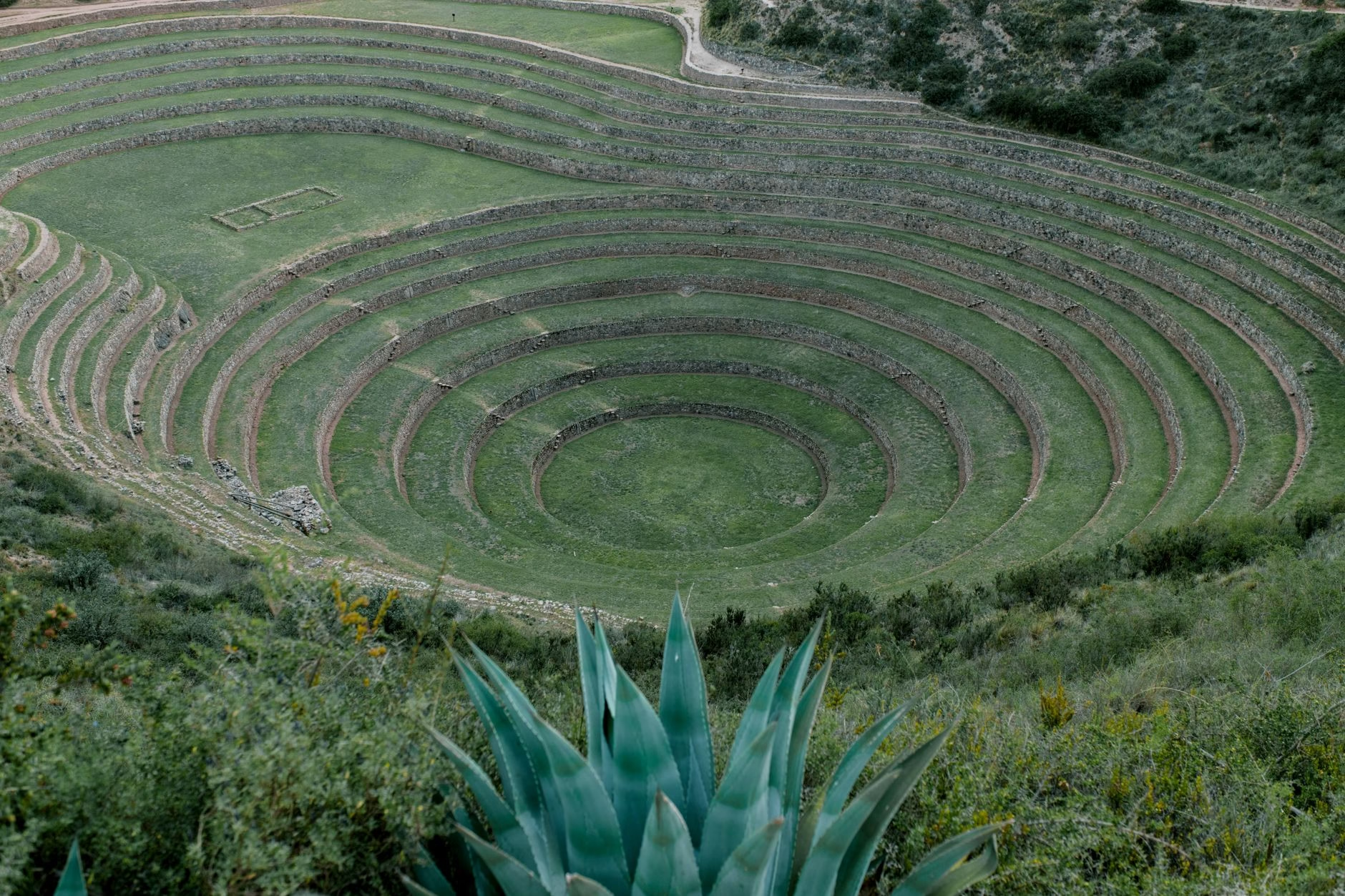
- Moray: A series of concentric terraces resembling a giant amphitheater, thought to have been an agricultural laboratory for testing microclimates.
- Salineras de Maras: An impressive network of over 3,000 salt pans that have been harvested using the same methods for centuries.
Travel between these sites is straightforward via the same colectivos that shuttle tourists to Machu Picchu, or you can arrange a private driver for more flexibility. Many visitors combine a visit to the Sacred Valley with a night in Ollantaytambo, which places them closer to the train station for the journey to Aguas Calientes.
Trekking Options: From Classic Trails to Off‑the‑Beaten‑Path Routes
Cusco is the launchpad for several iconic treks that wind through the Andes, each offering a different level of difficulty and scenery.
- Classic Inca Trail: The four‑day trek that culminates at Machu Picchu is the most famous, passing through iconic sites such as Wiñay Wayna and the “Dead Woman’s Pass.” Permits are required and must be secured months in advance.
- Salkantay Trek: A high‑altitude alternative that traverses snow‑capped peaks, cloud forests, and remote villages, ending at Aguas Calientes without the need for a permit.
- Lares Trek: Focuses on cultural immersion, taking hikers through traditional Quechua communities where you can share meals and stories with local families.
- Choquequirao Trek: Often called the “sister city” of Machu Picchu, this more demanding route leads to a massive but less‑visited archaeological complex.
Regardless of the path you choose, proper acclimatization in Cusco for at least two days is essential. Pack layers, a reliable rain jacket, and sturdy hiking boots. Many trekkers opt for reputable local agencies that provide porters, guides, and meals, which also contributes to the local economy.
Culinary Delights: Sampling Andean Flavors in Cusco
Peruvian cuisine is celebrated worldwide, and Cusco offers a concentrated taste of the highland palate. Traditional dishes often combine corn, potatoes, quinoa, and locally raised alpaca or llama meat.
- Ceviche de Trucha: Fresh trout from the Andean rivers, “cooked” in lime juice and served with sweet potatoes.
- Alpaca Steak (Bistec de Alpaca): Tender, lean meat usually grilled and accompanied by aji verde (green chili sauce).
- Adobo Cusqueño: A slow‑cooked pork stew marinated in chicha de jora (corn beer), garlic, and paprika, often served with boiled potatoes.
- Chicha Morada: A sweet, non‑alcoholic beverage made from purple corn, spices, and fruit.
- Pachamanca: A communal earth oven dish where meat, potatoes, and corn are layered with herbs and cooked underground.
For a taste of daily life, head to the San Pedro Market. Here you can sample fresh fruit, traditional sweets, and street food while watching locals haggle over produce. The market also offers a small food court where you can sit on wooden benches and enjoy a quick, authentic meal.
Cultural Experiences: Festivals, Workshops, and Living Traditions
Cusco’s cultural calendar is packed with events that showcase its indigenous roots and colonial history. Apart from the grand Inti Raymi celebration—re‑enacting the winter solstice ceremony with thousands of participants—there are smaller yet equally vibrant festivals throughout the year, such as the “Señor de los Milagros” procession in October.
For a hands‑on experience, consider joining a weaving workshop in the San Blas district. Skilled artisans teach the basics of backstrap loom weaving, allowing you to create a small textile souvenir while learning about the symbolism woven into traditional patterns.
Music lovers will find nightly performances of Andean folk music, featuring the charango (a ten‑string lute) and panpipes. Many cafés host open‑mic nights where local musicians share contemporary interpretations of classic melodies.
Shopping and Souvenirs: From Hand‑Woven Textiles to Silver Jewelry
The city’s markets and boutique shops offer a range of handcrafted items that reflect the region’s artistic heritage.
- Textiles: Look for alpaca and llama wool garments—ponchos, scarves, and blankets—featuring intricate geometric designs that differ by village.
- Ceramics: Hand‑painted pottery often depicts mythological scenes and everyday life in the Andes.
- Silver Jewelry: Traditional filigree work, sometimes set with turquoise or lapis, makes a striking keepsake.
- Organic Coffee and Cacao: High‑altitude beans and beans from nearby farms can be purchased in resealable bags.
When buying, ask the vendor about the origin of the piece and the techniques used. Many artisans are happy to share the story behind their work, adding depth to your purchase.
Practical Logistics: Health, Safety, and Money Matters
Altitude Acclimatization: Cusco’s elevation can cause mild to moderate altitude sickness. Drink plenty of water, avoid alcohol for the first 24 hours, and consider a light activity schedule for the first day. If symptoms persist, local pharmacies carry acetazolamide (a medication that helps with acclimatization) and other remedies.
Health Precautions: Tap water is not potable; use bottled or filtered water for drinking and brushing teeth. Street food is generally safe if it is cooked fresh in front of you.
Safety: Cusco is considered a safe city for tourists, but petty theft can occur, especially in crowded markets. Keep valuables in a money belt and use reputable taxis at night.
Currency: The Peruvian sol (PEN) is the official currency. ATMs are widely available in the city center, and many establishments accept credit cards, though small vendors may prefer cash.
Budget Tips: Stretching Your Sol While Enjoying the Best of Cusco
Traveling in Cusco can fit a range of budgets. Here are a few practical pointers:
- Accommodation: Hostels and budget inns in the historic center often provide dormitory rooms and private rooms at modest rates. For a slightly higher price, boutique guesthouses offer a more intimate atmosphere with breakfast included.
- Food: Street stalls and market eateries serve generous portions of local dishes for a fraction of the price of restaurant meals. A “menú del día” (set lunch) at a modest restaurant typically includes a soup, main course, and a drink.
- Transport: Using colectivos for trips to the Sacred Valley and nearby ruins is far cheaper than private tours. Walking wherever possible also saves money and reveals hidden corners.
- Entry Fees: Many archaeological sites have modest admission charges. Purchasing a combined ticket for multiple sites can reduce overall cost.
Plan ahead for the Inca Trail permit if you choose that route, as it represents a significant portion of the budget. Alternatives like the Salkantay trek generally require fewer upfront costs while delivering comparable scenery.
Nightlife and Relaxation: Evening Options After Daylight Exploration
After a day of climbing ruins or trekking high passes, Cusco offers a relaxed evening scene. The San Blas neighborhood features low‑key bars with live Andean music and a selection of craft beers and pisco cocktails. For a more tourist‑friendly atmosphere, the Plaza de Armas is lined with cafés that stay open late, serving coffee, hot chocolate, and light snacks.
If you prefer a quiet night, several rooftop terraces provide panoramic views of the city lights and the surrounding mountains—a perfect spot to reflect on the day’s adventures while sipping a glass of Peruvian wine.
Suggested Itineraries: Sample Plans for 3‑Day and 5‑Day Stays
3‑Day Highlights:
- Day 1: Arrive, acclimatize, explore Plaza de Armas, visit the Cathedral and Qorikancha, enjoy dinner at a market stall.
- Day 2: Early morning visit to Sacsayhuamán and nearby ruins (Qenko, Tambomachay), afternoon walk through San Blas, evening cultural show.
- Day 3: Full‑day Sacred Valley tour (Pisac market and ruins, Ollantaytambo fortress), return to Cusco for a relaxed evening.
5‑Day Adventure:
- Day 1‑2: Same as above, adding a visit to the San Pedro Market and a weaving workshop.
- Day 3: Begin a two‑day Inca Trail or Salkantay trek, camping under the stars.
- Day 4: Arrive at Machu Picchu early, explore the citadel, return to Cusco by train in the evening.
- Day 5: Light morning walk, souvenir shopping, and departure.
These itineraries are flexible; you can swap a trek for additional cultural experiences, or extend your stay to explore lesser‑known sites like the ruins of Tipón or the highland lakes of Laguna Humantay.
Final Thoughts: Embracing the Spirit of Cusco
Cusco is more than a transit hub for Machu Picchu; it is a living museum where ancient stonework meets bustling modern life. By taking the time to wander its plazas, taste its flavors, and engage with its people, you will uncover a depth of experience that goes far beyond the typical postcard image. Whether you have a week or just a long weekend, the city’s blend of history, culture, and natural beauty ensures that every moment feels both enriching and unforgettable.
