
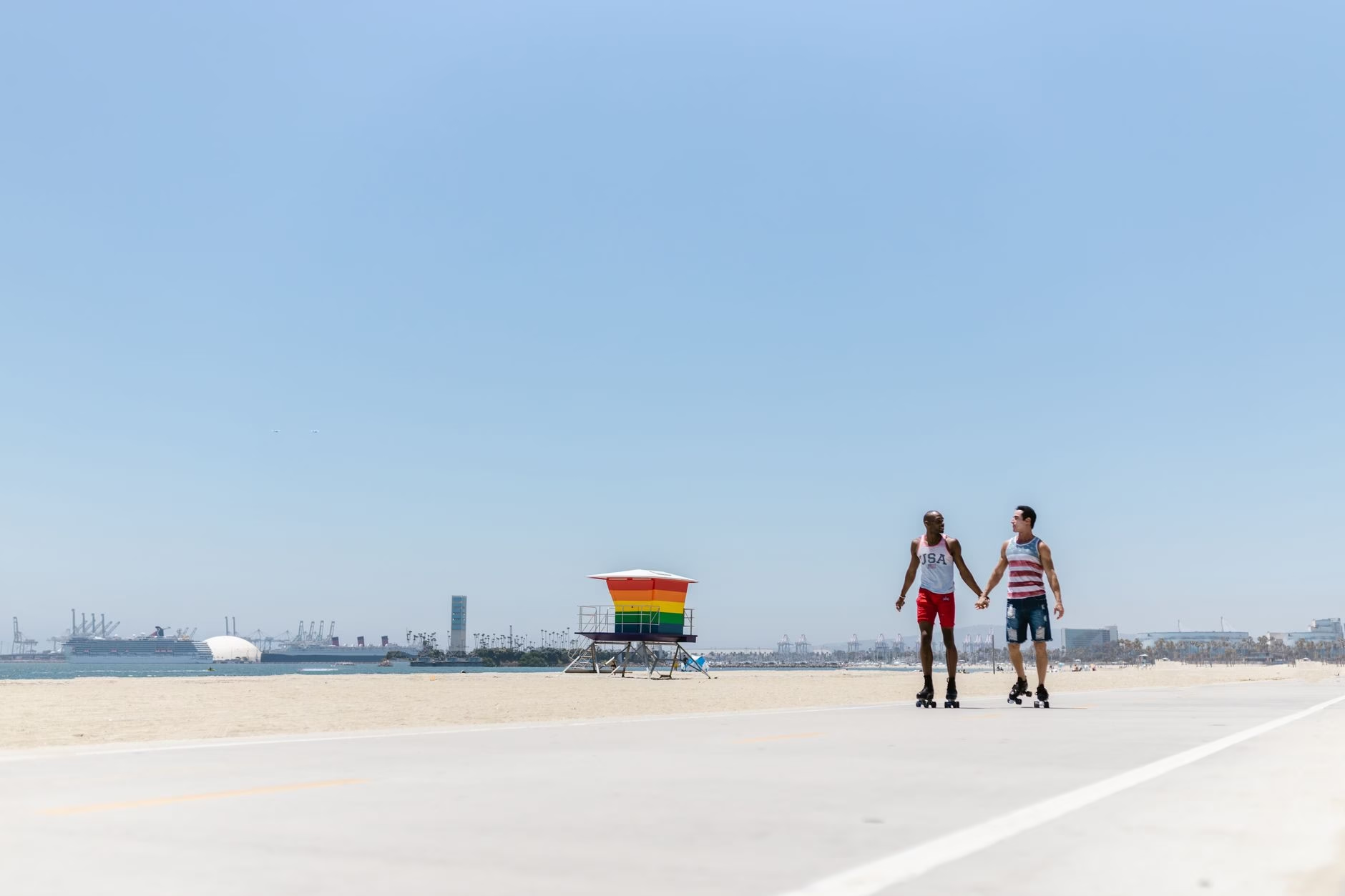
Overview – Why Long Beach?
Long Beach, nestled on the southern edge of Los Angeles County, blends the relaxed vibe of a coastal town with the cultural punch of a major city. Its 32‑mile shoreline offers everything from bustling boardwalks to quiet coves, while its downtown district brims with museums, historic ships, and a lively arts scene. What sets Long Beach apart is its easy‑going multicultural flavor—think Asian markets beside Mexican taquerías, a historic British ocean liner docked beside sleek modern architecture, and a calendar packed with festivals that celebrate everything from jazz to kite‑flying. Whether you’re a solo traveler seeking urban exploration, a family looking for beachside fun, or a couple in search of sunset romance, the city’s compact layout lets you sample a wide variety of experiences without feeling rushed.
Getting There and Around
The primary gateway is the Long Beach Airport (LGB), a small but efficient hub that welcomes several domestic carriers and offers convenient shuttle services to hotels and downtown. For those coming from farther afield, Los Angeles International (LAX) and John Wayne International (SNA) are both within a 30‑minute drive, with rideshare, rental cars, or the Metro Rail providing onward connections.
Once in town, the Metro Blue Line (now part of the A Line) runs a reliable north‑south route between downtown Long Beach and downtown Los Angeles, stopping at key attractions such as the Aquarium of the Pacific and the Long Beach Transit Mall. The city also operates an extensive bus network—Routes 1, 2, and 3 cover the beachfront, while Route 45 loops around the East Side. For a more scenic commute, the Long Beach Bike Path runs parallel to the shoreline, connecting the Harbor District to the Belmont Shore neighborhood. If you prefer the flexibility of a car, ride‑sharing apps are plentiful, and most hotels provide complimentary or low‑cost parking, though street parking can be competitive during peak summer weekends.
When to Visit – Weather & Events Calendar
Long Beach enjoys a Mediterranean climate, with mild winters (highs in the mid‑60s °F) and warm summers (highs in the upper 70s‑low 80s °F). The most popular months are June through September, when the ocean water is at its warmest and beachside festivals fill the calendar. However, visiting in the shoulder seasons—April to May or October—offers pleasant weather, fewer crowds, and lower hotel rates. September, in particular, retains warm sea temperatures while the humidity drops, making it ideal for water sports.
Key annual events add extra sparkle to the city:
- Long Beach Grand Prix (April) – A high‑speed street race that turns the downtown streets into a temporary circuit.
- Long Beach Jazz Festival (July) – Free concerts on the waterfront featuring local and national acts.
- Dragon Boat Festival (May) – Spectacular races on the harbor, accompanied by cultural performances and food stalls.
- Long Beach Pride Parade (June) – A vibrant celebration of LGBTQ+ community with marching bands, floats, and beach parties.
Planning your trip around one of these events can give you a deeper taste of local culture, but be prepared for higher demand on accommodation and transportation.
Top Attractions – Must‑See Highlights
Long Beach’s attractions can be grouped into three categories: maritime heritage, cultural institutions, and outdoor spaces.
The Queen Mary dominates the harbor skyline. This 1930s ocean liner, now a floating museum and hotel, offers guided tours that reveal its art‑deco interiors, wartime service, and reputed hauntings. While tickets are required for most tours, the exterior promenade is free to explore, and the on‑board dining rooms provide a nostalgic culinary experience.
Aquarium of the Pacific sits on the waterfront, showcasing more than 11,000 marine animals from the Pacific Rim. Its interactive tide‑pool exhibits and immersive “Shark Lagoon” are especially popular with families. The aquarium’s rotating exhibitions often spotlight conservation topics, making each visit feel fresh.
Long Beach Museum of Art resides on a bluff overlooking the ocean. The museum’s permanent collection focuses on California artists, and its sculpture garden offers panoramic sunset views. Admission is modest, and the museum frequently hosts free community workshops.
Other notable spots include the historic Rancho Los Cerritos—a preserved 19th‑century adobe estate with gardens and period furnishings—and the Earl Burns Miller Japanese Garden, a tranquil oasis featuring koi ponds, bamboo groves, and a tea house.
Beach Life – Sun, Sand, and Water Sports
Long Beach’s shoreline is diverse, catering to sunbathers, surfers, and families alike. Alamitos Beach is the most centrally located, offering a wide promenade for joggers, a volleyball court, and a convenient bike‑share station. The surf break here is gentle, making it a good spot for beginners.
Further south, Belmont Shore provides a laid‑back atmosphere with a boardwalk lined with boutique shops and cafés. The beach’s soft sand and relatively calm waters attract families, while the nearby bike path connects to the Harbor District.
For a more upscale seaside experience, Naples features a series of man‑made canals and a private beach club. The calm lagoon waters are perfect for paddle‑boarding, and the surrounding streets are dotted with Mediterranean‑style architecture.
Water sports enthusiasts will find a range of rentals—kayaks, stand‑up paddleboards, and surfboards—available at kiosks near the main piers. Many providers offer hour‑long lessons, so even novices can glide over the Pacific within a short time.
Cultural Gems – Museums, Art, and History
Beyond the major attractions, Long Beach nurtures a vibrant cultural scene. The Museum of Latin American Art (MOLAA) is the only museum in the United States dedicated exclusively to modern and contemporary Latin American art. Its rotating exhibitions highlight emerging artists from across the continent, and the museum’s café serves a selection of Latin‑inspired snacks.
For a glimpse into the city’s maritime past, the Long Beach Maritime Museum offers small‑scale exhibits on the local fishing industry and the historic cargo ships that once frequented the harbor. Admission is free, though donations are appreciated.
The downtown Arts District hosts a cluster of galleries, street murals, and performance spaces. A walking tour of the murals—many created under the city’s “Arts in Public Places” program—reveals stories of immigrant communities, marine life, and abstract expressionism. Most murals are self‑guided, but a few local organizations offer free map PDFs at the visitor center.
Music lovers will appreciate the Long Beach Convention & Entertainment Center, which hosts concerts ranging from indie bands to symphonic orchestras. Check the schedule in advance, as many performances are ticketed and can sell out quickly during the summer months.
Food & Drink – Where to Eat and What to Try
Long Beach’s culinary landscape mirrors its cultural mosaic. While it’s tempting to name specific establishments, the city’s strength lies in the variety of cuisines you can explore within a short walk.
Start your day at a local coffee shop near the waterfront; many roasters serve beans sourced from California farms, paired with freshly baked pastries. For breakfast, try a Mexican “chilaquiles” or a Japanese “tamago” sandwich—both are staples in the city’s multicultural cafés.
Mid‑day meals often revolve around seafood, given the city’s proximity to the Pacific. A classic “fish‑taco” with fresh mahi‑mahi, cabbage slaw, and a drizzle of lime‑cilantro crema is a must‑try at any beachfront eatery. If you prefer Asian flavors, the city’s Little Tokyo‑inspired eateries serve sushi rolls featuring locally caught fish, as well as ramen bowls simmered with seaweed stock.
For a taste of the city’s historic roots, seek out a “Long Beach style” burger—typically a patty topped with caramelized onions, a slice of provolone, and a tangy mustard sauce, served on a toasted bun. This modest sandwich reflects the working‑class origins of many early Long Beach neighborhoods.
Evening dining options expand to upscale waterfront terraces where you can enjoy fresh oysters, grilled octopus, or a farm‑to‑table salad featuring local kale and citrus. Many restaurants source produce from nearby farmers’ markets, ensuring seasonal freshness.
Don’t forget dessert: a scoop of “salted‑caramel” ice cream from a local creamery or a slice of “key‑lime pie” from a beachside bakery provides a sweet finish while you watch the sunset.
Neighborhood Walks – Exploring Belmont Shore, Naples, and Downtown
Each Long Beach neighborhood offers a distinct flavor, and strolling through them is one of the best ways to absorb the city’s character.
Belmont Shore is a vibrant, walkable district known for its “Second Street” promenade. Here, boutique clothing stores, vintage record shops, and quirky art galleries sit side by side with coffee houses and casual eateries. The neighborhood’s relaxed vibe makes it ideal for an afternoon of window shopping followed by a sunset dinner at a patio restaurant.
Naples feels like a slice of Italy on the Pacific coast. Its streets are lined with pastel‑colored homes, and a network of canals offers paddle‑boat rentals for a romantic glide past waterfront cafés. A short walk from the canals brings you to the Naples Pier, a small but picturesque spot perfect for photography.
Downtown Long Beach, anchored by the Long Beach Transit Mall, blends historic architecture with modern developments. The area’s “The Pike” district—revitalized after a major redevelopment— now features a waterfront promenade, public art installations, and a collection of craft breweries offering local ales and lagers. The downtown streets also host a weekly “Art Walk” where galleries stay open late, and musicians play on the sidewalks.
Each neighborhood is easily navigable on foot or by bike, and many have dedicated signage that highlights points of interest, historic markers, and public restrooms.
Outdoor Adventures – Parks, Gardens, and Bike Trails
Long Beach isn’t just about the ocean; its inland green spaces provide a refreshing break from the sand.
El Dorado East Regional Park offers a network of hiking trails that wind through oak‑lined hills, a lake for paddle‑boat rentals, and expansive picnic areas. The park’s “Nature Trail” includes interpretive signs about local wildlife, making it an educational stop for families.
The Earl Burns Miller Japanese Garden, located within the California State University, Long Beach campus, is a meticulously landscaped space featuring a koi pond, tea house, and stone lanterns. Admission is free, and the garden hosts seasonal tea ceremonies and cultural workshops.
Long Beach’s extensive Bike Path runs for more than 20 miles, connecting the harbor, downtown, and beach neighborhoods. The path is flat and well‑marked, making it suitable for casual cyclists and families with children. Several bike‑share stations are placed strategically along the route, allowing you to rent a bike for short hops or an all‑day adventure.
For a unique outdoor experience, consider the Long Beach Harbor Shoreline Walk. This paved walkway meanders along the waterfront, offering views of the Queen Mary, the bustling cargo ships, and the city skyline. Benches and interpretive panels provide rest stops and insight into the harbor’s history.
Day Trips from Long Beach – Easy Getaways
Long Beach’s central location makes it a perfect springboard for several rewarding day trips.
- Catalina Island – A short ferry ride from the nearby harbor (the ferry departs from nearby Newport Beach) brings you to an island where you can hike, snorkel, or ride the historic “Mini‑Train” around the town of Avalon.
- San Pedro – Just north, the Port of Los Angeles offers a waterfront park, the USS Missouri battleship museum, and a vibrant fish market where you can sample fresh ceviche.
- Orange County Beaches – A quick drive south takes you to Huntington Beach’s iconic “Surf City” vibe or Laguna Beach’s art‑filled Main Street.
- Los Angeles Downtown – The Metro A Line delivers you to the heart of LA in under an hour, where you can explore museums, theaters, and historic neighborhoods such as Chinatown and Little Tokyo.
Each destination is reachable by public transit, rideshare, or a short car ride, allowing you to pack multiple experiences into a single weekend without feeling rushed.
Budget‑Friendly Tips – Seeing More for Less
Traveling in Long Beach can be affordable with a few strategic choices. First, consider staying in a boutique guesthouse or a short‑term rental in the Belmont Shore area; many offer kitchenettes, which let you prepare simple meals using fresh produce from the weekly farmers’ market. Second, take advantage of free attractions: the Harbor Shoreline Walk, the Japanese Garden, and many of the city’s public art installations cost nothing.
For museum lovers, look for “free‑admission” days—several institutions, including the Long Beach Museum of Art and the Maritime Museum, waive entry fees on the first Saturday of each month. Purchasing a Metro Day Pass provides unlimited rides on the A Line and buses, making it cheaper than multiple single‑ticket purchases.
Dining on a budget is simple when you explore the city’s food trucks and street vendors, especially around the harbor during events. A taco or a Korean‑style “tteokbokki” bowl often costs less than a sit‑down restaurant but delivers authentic flavor.
Lastly, plan your beach day early in the morning. Parking at the public lots fills up quickly after 10 a.m., but early arrivals secure a spot for a fraction of the cost of later hourly rates. Pack a cooler with snacks and drinks to avoid pricey beachside concessions.
Family‑Friendly Fun – Activities for Kids
Long Beach is a playground for families, offering a blend of educational and entertaining experiences.
The Aquarium of the Pacific features touch‑tank stations where children can gently handle sea stars and sea urchins. The “Sea Trek” underwater walk provides a unique perspective of marine life, while the daily “Penguin Feeding” shows are always a crowd‑pleaser.
Nearby, the Shoreline Village amusement area boasts a carousel, mini‑golf, and a family‑friendly arcade. Its boardwalk is stroller‑friendly, and the adjacent waterfront promenade offers an open space for kids to run and play.
For a hands‑on learning experience, the Long Beach Natural History Museum (located at the historic City Hall) hosts rotating exhibits on dinosaurs, local geology, and paleontology. Admission is modest, and the museum often schedules free weekend workshops.
Outdoor spaces like the El Dorado East Regional Park provide safe playgrounds, a skate park, and a lake where families can rent pedal boats. The park’s “Adventure Playground” includes climbing walls and zip lines designed for children over eight.
Practical Logistics – Safety, Parking, and Accommodations
Long Beach is generally safe for tourists, with a visible police presence in downtown and beach areas. As with any coastal city, keep an eye on personal belongings, especially on crowded beaches and public transit. The city’s “Neighborhood Watch” program partners with local businesses to maintain a secure environment.
Parking options vary by neighborhood. Downtown offers metered street parking and several municipal garages; rates are higher during business hours but drop after 6 p.m. Beachside lots, such as those at Alamitos Beach, operate on a first‑come‑first‑served basis and fill quickly during summer weekends. Many hotels provide valet or self‑parking for a fee, and some even offer complimentary shuttle service to the main attractions.
Accommodation ranges from beachfront resorts with ocean‑view rooms to budget‑friendly motels and boutique inns in the Belmont Shore district. For extended stays, serviced apartments near the Metro station provide kitchen facilities and easy transit access. Booking in advance—especially for events like the Grand Prix—ensures better rates and availability.
Public restrooms are plentiful at major attractions, parks, and the downtown transit hub. Free Wi‑Fi is offered at the Long Beach Public Library and several coffee shops throughout the city, making it easy to stay connected while you explore.
Final Thoughts – Making the Most of Your Visit
Long Beach is a city that rewards curiosity. Its compact geography means you can spend a morning wandering the harbor, an afternoon surf‑boarding at Belmont Shore, and an evening tasting global cuisine on a neighborhood street—all without spending hours in transit. By timing your trip to avoid peak crowds, using public transportation, and tapping into free cultural offerings, you’ll experience the city’s vibrant spirit without breaking the bank.
Whether you’re drawn by the historic allure of the Queen Mary, the marine wonders of the aquarium, or simply the simple pleasure of watching a sunset over the Pacific, Long Beach offers a mosaic of experiences that linger long after you leave the sand. Pack your sunglasses, a reusable water bottle, and a sense of adventure, and let the city’s blend of beachside charm and urban culture show you why it’s a hidden gem on Southern California’s coastline.
