
Why Queretaro? A Quick Overview
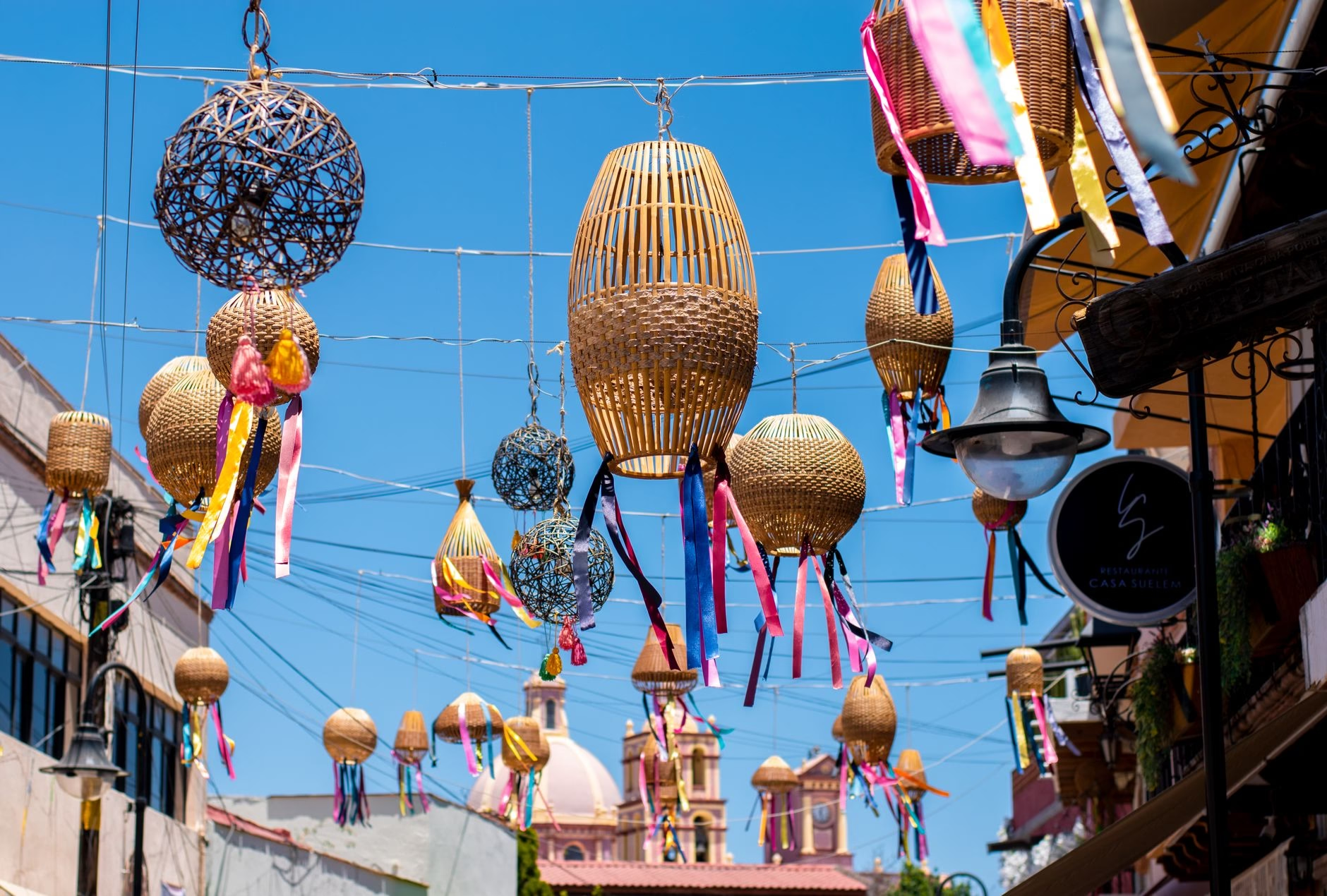
Queretaro, officially known as Santiago de Querétaro, sits at the crossroads of Mexico’s colonial past and its vibrant present. The city’s UNESCO‑listed historic centre is a living museum of baroque façades, cobblestone streets, and lively plazas, while the surrounding state offers a mosaic of vineyards, desert landscapes, and charming pueblos. Its size makes it feel intimate enough for strolling, yet its cultural calendar is packed with events that rival those of larger metropolises. First‑time visitors often remark that Queretaro feels both “authentically Mexican” and refreshingly modern—a rare combination that makes it a compelling stop on any central‑Mexico itinerary.
When to Visit: Climate and Festivals
Queretaro enjoys a temperate highland climate, thanks to its altitude of roughly 1,800 metres (about 6,000 ft). The dry season stretches from November through May, with clear skies and daytime highs that comfortably sit between 25 °C and 30 °C (77 °F‑86 °F). Nights can dip to a pleasant 10 °C‑12 °C (50 °F‑54 °F), so a light jacket is advisable.
The rainy season, from June to October, brings occasional afternoon showers that rarely last more than an hour. This period also coincides with the city’s most colorful festivities. The most famous is La Feria de la Vendimia in late August, celebrating the region’s burgeoning wine industry with tastings, concerts, and traditional dances. Another highlight is the Festival Internacional de Jazz in late October, which transforms historic venues into intimate stages for world‑class musicians.
If you prefer a quieter visit, the shoulder months of March and early November offer comfortable weather and fewer crowds, while still providing access to most attractions.
Getting There: Airports, Buses, and Flights
The primary gateway to Queretaro is Querétaro Intercontinental Airport (QRO). It handles domestic flights from Mexico City, Guadalajara, and Monterrey, as well as a limited selection of international routes, notably to the United States and some Central American destinations. The airport’s modern terminal is within a 15‑minute taxi ride of the historic centre.
For travelers on a tighter budget, the Central de Autobuses de Querétaro (the main bus station) welcomes long‑distance coaches from major hubs such as Mexico City, Puebla, and San Luis Potosí. Companies like Primera Plus and ETN operate comfortable, air‑conditioned services with frequent departures throughout the day.
Driving is also an option: the city sits along the México‑Querétaro highway (Federal 57D), a well‑maintained toll road that connects directly to Mexico City in about two hours. Rental agencies are available at the airport and downtown, offering compact cars that are ideal for navigating the narrow colonial streets.
Getting Around: Public Transport, Walking, and Rentals
Queretaro’s historic centre is best explored on foot. The pedestrian‑friendly layout means you can hop from the iconic aqueduct to the bustling Plaza de Armas in a few minutes. Many of the city’s attractions are clustered together, and the gentle slope of the streets makes strolling pleasant for most visitors.
For longer distances, the city’s bus network is extensive and affordable. The main lines—identified by colour‑coded routes—connect the centre with neighborhoods such as Juriquilla, El Refugio, and the university district. Buses run from early morning until late evening, and you can purchase a reusable tarjeta de transporte at most kiosks.
Taxis are readily available, though it’s wise to request that the driver use the meter or agree on a fare before departing. Ride‑hailing apps like Uber and DiDi operate throughout the city and can be a convenient way to reach attractions outside the centre, such as the wine route in Tequisquiapan.
If you plan to explore the surrounding countryside—peñascos, vineyards, and natural reserves—a rental car gives you the flexibility to set your own schedule. Most agencies offer compact models that are easy to park in narrow lanes, and the fuel cost remains reasonable compared to larger Mexican cities.
Top Historical Attractions
Queretaro’s historic centre is a treasure trove of colonial architecture, each building telling a story of conquest, faith, and commerce. Here are the must‑see sites that capture the city’s layered past:
- Plaza de Armas – The heart of the old town, surrounded by the stunning Templo de San Francisco and the Palacio de Gobierno. The square’s stone benches and the occasional street performer create a lively ambience.
- Templo de Santa Rosa de Viterbo – Known for its intricate façade and a striking interior that blends baroque and neoclassical elements. The adjoining museum houses religious art dating back to the 18th century.
- Casa de la Zacatecana – A preserved colonial mansion famous for the legend of “La Zacatecana,” a woman who allegedly betrayed the city during the 1810 independence movement. Its courtyard and period furniture offer a glimpse into elite life of the era.
- Convento de San Juan de Dios – Now a cultural centre, this former convent features a beautiful cloister and hosts temporary art exhibitions.
- Museo de la Ciudad – Located in a former municipal building, the museum narrates Queretaro’s evolution from pre‑hispanic settlements to modern metropolis.
All of these sites are within a short walking distance of each other, making a self‑guided walking tour both feasible and rewarding.
Architectural Gems and the Aqueduct
The Querétaro Aqueduct is perhaps the city’s most iconic silhouette. Built in the 18th century to supply water to the growing settlement, its 74 arches stretch for nearly a kilometre across the valley. The best viewpoints are along Jardín Zenea and the Calzada de los Frailes, where you can watch the sunset paint the stone in golden hues.
Beyond the aqueduct, the city boasts a blend of architectural styles. The Casa de los Corregidores showcases a rare combination of stone and adobe, while the Teatro de la República—the site where the 1917 Mexican Constitution was drafted—exhibits a sober neoclassical façade with an interior that still hosts performances and conferences.
Modern Queretaro has also embraced contemporary design. The University of Queretaro campus features sleek glass structures that contrast with the colonial core, and the newly renovated Centro Cultural El Quijote blends historic brickwork with modern exhibition spaces.
Neighbourhoods Worth Exploring
While the historic centre draws most first‑time visitors, Queretaro’s surrounding districts each possess a distinct flavour worth discovering.
Juriquilla is a leafy, upscale neighbourhood popular with university students and expatriates. Its tree‑lined avenues host cafés, boutique stores, and the Centro Cultural Juriquilla, which often schedules free concerts and art workshops.
El Refugio offers a more residential vibe, with traditional markets where locals purchase fresh produce. The weekly market on Saturdays is a sensory delight—vendors shouting out the day’s catch, the scent of grilled corn, and vibrant textiles displayed on makeshift stalls.
For a taste of Queretaro’s industrial past turned creative hub, head to Los Arcos. This former warehouse district has been revitalised with street art, pop‑up galleries, and hip eateries serving fusion cuisine. Evening walks here reveal illuminated murals that celebrate local legends and contemporary social themes.
Each neighbourhood is easily reachable by bus or a short taxi ride, and spending a few hours wandering off the main tourist routes gives you a richer sense of daily life in the city.
Culinary Highlights: What to Eat and Where
Queretaro’s gastronomy is a delightful blend of traditional Central‑Mexican flavours and innovative culinary trends. The region’s dishes often incorporate locally sourced corn, beans, and goat cheese, while the nearby vineyards inspire wine‑pairing menus that you won’t find elsewhere in Mexico.
Signature dishes to try include:
- Enchiladas queretanas – Corn tortillas rolled around a filling of cheese and shredded chicken, topped with a rich red sauce, sliced olives, and a drizzle of crema.
- Gorditas de chicharrón – Thick corn pockets stuffed with pork cracklings and served with salsa verde.
- Queso de cabra al horno – Baked goat cheese drizzled with honey and sprinkled with nuts, often enjoyed as an appetizer in local taverns.
- Tamales de rajas – Tamales filled with roasted poblano peppers and cheese, wrapped in corn husks and steamed to a tender perfection.
For a casual meal, head to the market stalls around Mercado de la Cruz. Here you’ll find fresh fruit, elote (grilled corn) with mayo, cheese, and chili, as well as freshly squeezed aguas frescas. If you prefer a sit‑down experience, the historic centre offers numerous “mesones”—family‑run restaurants that serve hearty plates in a relaxed setting.
Queretaro’s burgeoning wine scene is not to be missed. The state’s “Ruta del Vino” (Wine Route) stretches through the nearby towns of Tequisquiapan and Ezequiel Montes, where you can tour vineyards, learn about the Mexican winemaking process, and sample varietals ranging from crisp whites to robust reds. Many wineries also offer small‑plate menus that pair regional cheeses with their signature wines.
Shopping and Souvenirs: Markets and Artisan Streets
Finding a meaningful souvenir in Queretaro is easy, thanks to its thriving artisan communities. The Mercado de la Cruz is a bustling hub where you can purchase hand‑woven textiles, embroidered blouses, and silver jewellery crafted by local artisans. Prices are negotiable, especially if you purchase several items at once.
Another must‑visit is the Alameda de los Artesanos, a small plaza lined with stalls selling pottery, wooden masks, and traditional “talavera” ceramics that feature vibrant blue‑and‑white patterns unique to the region. Many of these pieces are made using techniques passed down through generations, making each item a piece of living heritage.
If you enjoy browsing boutique stores, the streets surrounding Jardín Hidalgo host a selection of contemporary design shops that showcase modern Mexican fashion, accessories, and home décor. These establishments often collaborate with emerging designers, offering one‑of‑a‑kind items that blend traditional motifs with modern aesthetics.
Remember to ask the vendors about the origin of the crafts—many artisans are happy to share the stories behind their work, adding depth to your purchase and supporting the local economy.
Day Trips and Natural Escapes
Queretaro’s location makes it an ideal base for exploring a diverse range of landscapes, from semi‑desert canyons to lush vineyards.
Peña de Bernal, about an hour’s drive north, is one of the world’s largest monoliths. Hiking to the summit offers panoramic views of the surrounding valleys, and the town of Bernal itself is famed for its handcrafted “piedras del perfume” (scented stones) and sweet pastries called “capirotada.”
Tequisquiapan lies roughly 45 minutes to the east and is the gateway to the Ruta del Vino. The town’s plaza is lined with pastel‑coloured houses and offers a relaxed ambience where you can sip a glass of “Vino de la Tierra” while watching locals play traditional music.
For a cooler, greener escape, head to the Sierra Gorda biosphere reserve. The region’s cloud‑forest trails, waterfalls, and pre‑hispanic rock‑art sites provide a refreshing contrast to the city’s dry climate. Guided tours often include a visit to the Mission of San Miguel de la Sierra, a 17th‑century Jesuit mission perched on a cliffside.
Those interested in water activities can make a short trip to the Laguna de Cañada de la Virgen, a tranquil reservoir surrounded by pine forests. Kayaking and bird‑watching are popular pastimes, and the area’s picnic spots are perfect for a family outing.
Budget Tips for the Savvy Traveler
Queretaro can be enjoyed comfortably on a modest budget without sacrificing the quality of experience. Here are some practical suggestions:
- Stay in a hostel or boutique guesthouse within walking distance of the historic centre. Many offer shared kitchens, allowing you to prepare simple meals with ingredients bought at local markets.
- Use public buses for most intra‑city travel; they are cheap, frequent, and cover the majority of the city’s routes.
- Eat at “taquerías” and market stalls rather than upscale restaurants. A hearty taco or a plate of enchiladas will cost a fraction of a menu at a tourist‑focused eatery, yet still deliver authentic flavours.
- Purchase a transport card for the bus system. It reduces the per‑ride cost and eliminates the need for exact change.
- Take advantage of free cultural events. Many museums offer free admission on certain days of the month, and the city’s plazas regularly host live music and dance performances that cost nothing to enjoy.
When planning day trips, consider joining a shared tour rather than hiring a private vehicle. This often lowers the per‑person cost while still providing a knowledgeable guide who can point out hidden gems along the way.
Practical Logistics: Safety, Language, Connectivity
Queretaro is generally considered safe for tourists, especially in the historic centre and well‑traveled neighbourhoods. As with any city, keep an eye on personal belongings in crowded areas and avoid poorly lit streets after dark. Police presence is noticeable in tourist zones, and the city’s emergency number is 911.
Spanish is the dominant language, and most locals appreciate even a few basic phrases. In the tourist sector—hotels, museums, and larger restaurants—staff often speak English, but learning greetings like “buenos días” and “por favor” can enhance interactions.
Connectivity is reliable: most cafés, hotels, and public libraries offer free Wi‑Fi. For more consistent access, consider purchasing a prepaid SIM card from major Mexican carriers (Telcel, AT&T, Movistar) at the airport or in downtown shops. Packages with data allowances suitable for navigation, translation, and social media are readily available.
Lastly, keep a copy of your passport and travel insurance documents in a separate location from the originals. While petty theft is uncommon, having digital copies stored in a secure cloud service can save you headaches in the unlikely event of loss.
