
Why Sag Harbor Deserves a Spot on Your Hamptons Itinerary
Sag Harbor is a small, historic whaling village on Long Island’s eastern tip that feels worlds away from the glossy, high‑end reputation of the Hamptons. Its cobblestone streets, red‑brick warehouses, and wind‑blown dunes create a timeless atmosphere that attracts artists, historians, and anyone looking for a quieter slice of coastal New York. In contrast to the more crowded beach towns, Sag Harbor offers a blend of maritime heritage, vibrant cultural life, and natural beauty—all within a walkable downtown that can be explored on foot or by bike. The town’s size makes it easy to fill a full day (or several) with varied activities, and the surrounding area provides countless day‑trip options.
Top Historical Attractions: Walking Through a Whaling Legacy
At the heart of Sag Harbor’s identity is its whaling past. The town was one of the three major whaling ports in the United States during the 19th century, and many of its original structures remain intact.
- Sag Harbor Whaling & Historical Museum – Housed in a former customs house, the museum showcases ship models, original whaling tools, and personal diaries of 19th‑century sailors. Admission is modest, and the museum often hosts rotating exhibits on maritime art.
- Old Custom House – This Greek‑Revival building, dating to 1810, offers a glimpse into the town’s role in regulating trade. Its rooftop provides panoramic views of the harbor.
- John J. Jermain Memorial Library – A Carnegie library built in 1910, the Jermain Library is not only an architectural gem but also a community hub that hosts local author talks and historical lectures.
- Historic District Walking Tour – Self‑guided maps are available at the museum and local visitor centers. The tour highlights Federal‑style homes, the old bank, and the iconic “Pine Hill” that once housed the town’s elite.
These sites are free or low‑cost, making them perfect for a budget‑friendly day of learning.
Exploring the Waterfront: Long Wharf, Sag Harbor Bay, and the Beach
The harbor itself is the town’s lifeblood. A short stroll from the downtown square takes you to Long Wharf, where historic wooden pilings jut into the water.
From the wharf you can watch the seasonal flow of fishing boats, sailboats, and the occasional chartered yacht. In summer, local anglers often sell fresh‑caught clams and oysters directly from their boats—an authentic taste of the Atlantic.
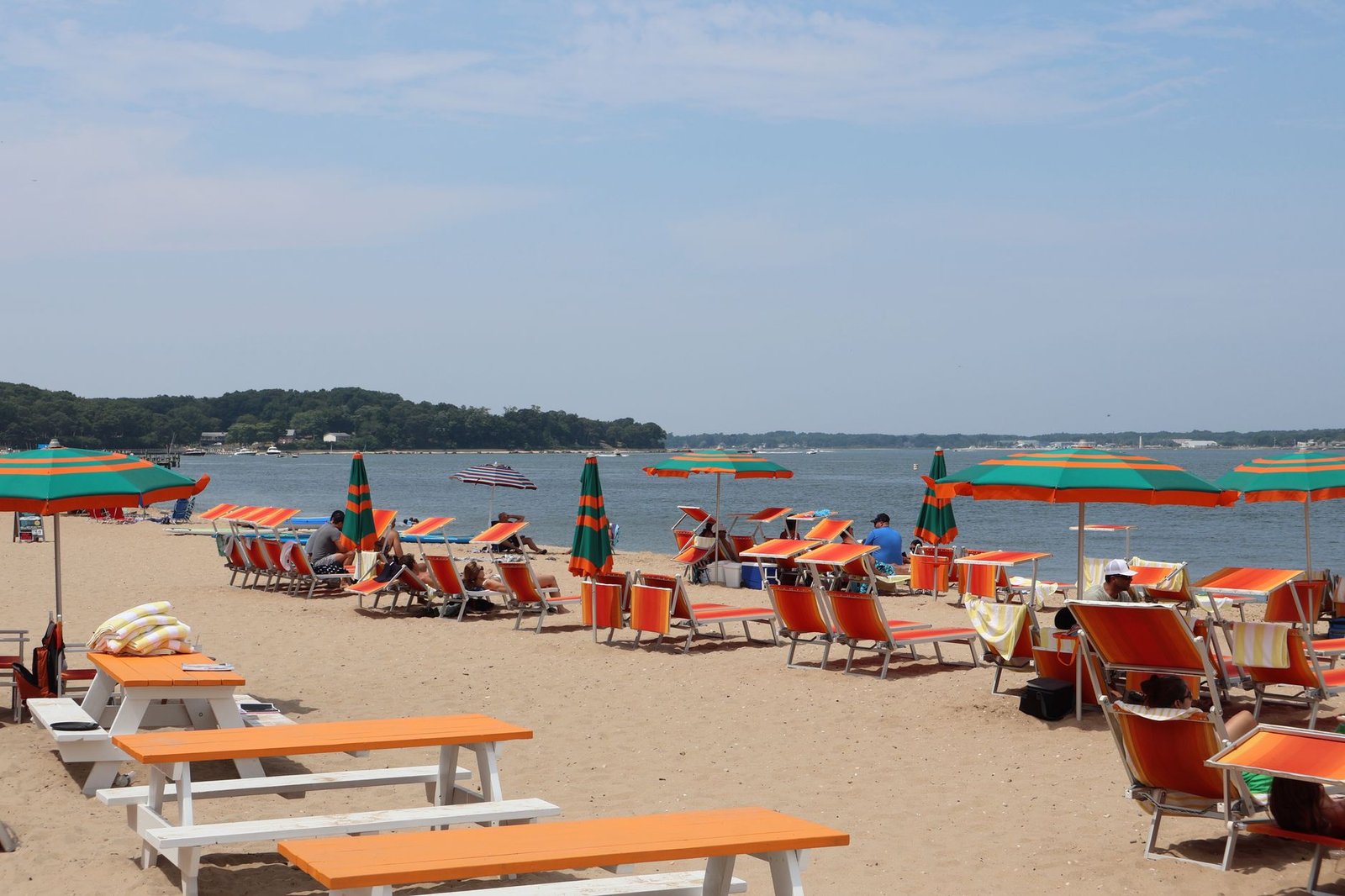
If you’re looking for a beach, head east a few blocks to Sag Harbor Beach. This modest, sandy stretch is less crowded than the ocean beaches of nearby East Hampton and offers calm, shallow waters ideal for families and paddlers. The beach is free to the public, though a seasonal parking permit is required during peak months.
Neighborhoods to Wander: From Bay Street to the East End
Sag Harbor’s charm is best appreciated by wandering its distinct neighborhoods, each with its own character.
- Bay Street – The main commercial corridor, lined with independent boutiques, antique shops, and galleries. You’ll find a mix of contemporary art spaces and stores selling reclaimed‑wood furniture, reflecting the town’s maritime roots.
- The Whaling District – A cluster of converted warehouses now housing studios, craft breweries, and cafés. The adaptive reuse of these historic buildings gives the area a vibrant, creative energy.
- North End (Gardiner’s Neck) – A quiet residential area with tree‑lined streets and historic cottages. It’s a pleasant place for a leisurely walk or a bike ride, especially during sunrise.
Each neighborhood is easily explored on foot, but bicycles are a popular way to cover more ground while still soaking up the town’s relaxed vibe.
Food & Drink: Savoring Coastal Flavors
Food in Sag Harbor reflects its maritime heritage and the farm‑to‑table ethos of the broader Hamptons region. While specific restaurant names are best discovered locally—since openings and closures happen regularly—the types of cuisine you’ll encounter are consistent.
- Seafood shacks – Expect fresh clam chowder, lobster rolls, and oysters on the half shell, often sourced from local waters.
- Farm‑to‑table bistros – Seasonal menus featuring local vegetables, heritage pork, and artisanal cheeses, many of which partner with nearby farms on the South Fork.
- Historic taverns – Some establishments occupy buildings dating back to the 1800s, offering craft beers brewed on Long Island and a selection of classic pub fare.
- Cafés and bakeries – Ideal for a morning coffee and a pastry, many of these spots source beans from regional roasters and bake breads using locally milled flour.
For a casual meal, head to the waterfront where several eateries offer outdoor seating with harbor views. If you’re interested in a more formal dinner, the historic district’s converted mansions often house fine‑dining venues that highlight local seafood and produce.
When to Visit: Seasonal Highlights and Weather Considerations
Sag Harbor experiences a classic Northeastern climate, with four distinct seasons that each offer unique experiences.
- Summer (June – August) – Warm temperatures, bustling waterfront, and the town’s full calendar of festivals (e.g., the Sag Harbor Farmers Market). This is the peak tourist period, so expect higher occupancy in accommodations.
- Fall (September – November) – Cool evenings, vibrant foliage, and fewer crowds. Autumn is ideal for walking tours, photography, and enjoying the harvest menu at local bistros.
- Spring (April – May) – Blooming gardens and a slower pace. Many museums and shops reopen after the winter lull, and you can often secure better rates on lodging.
- Winter (December – February) – Quiet and chilly, but the town’s historic buildings take on a cozy charm. Some restaurants keep hearths burning, and you can experience the annual holiday light displays along Bay Street.
Overall, the most balanced time for good weather, manageable crowds, and vibrant local activity is late September through early October. The Atlantic breezes are still mild, and the harvest season brings fresh produce to local menus.
Getting Around: From the LIRR to Bicycles
Sag Harbor is not directly served by a train station, but it is easily reachable via the Long Island Rail Road (LIRR) and several local transportation options.
- LIRR to East Hampton – The Montauk Branch stops in East Hampton (approximately 8 miles from Sag Harbor). From there, a short taxi ride or ride‑share will get you into town.
- Shuttle services – Seasonal shuttles operate between the East Hampton LIRR station and Sag Harbor during the summer months, often coordinated with local hotels.
- Ferry to Shelter Island – A historic ferry runs from Sag Harbor to Shelter Island, providing a scenic alternative for those heading to the island’s nature preserves.
- Bikes – Bike rentals are plentiful in the downtown area. The town’s layout is flat and bike‑friendly, making it a popular way to explore Bay Street, the wharf, and nearby beaches.
- Walking – Most attractions are within a 15‑minute walk of each other, so comfortable shoes are a must.
If you’re driving, be aware that summer weekends can bring limited street parking. Many visitors use the town’s public parking lots (pay‑by‑hour during peak season) and then walk or bike to their destinations.
Budget‑Friendly Tips: Enjoying Sag Harbor Without Breaking the Bank
Sag Harbor can feel pricey, especially during the summer, but there are plenty of ways to experience its charm on a modest budget.
- Free museums – The Sag Harbor Whaling Museum offers “pay‑what‑you‑wish” hours on select weekdays, allowing you to contribute what you can.
- Picnic at the waterfront – Pick up fresh bread, cheese, and fruit from a local market and enjoy a sunset picnic on the pier.
- Self‑guided walking tours – Download a free PDF map from the visitor center and explore the historic district at your own pace.
- Farmers market – Open on Saturdays, the market sells locally grown produce, baked goods, and sometimes live music. Sampling a few items is often cheaper than dining at a restaurant.
- Beach access – Sag Harbor Beach is free; just bring a towel and a cooler for a day of sun.
For accommodations, consider staying in a nearby town such as East Hampton or Southampton and commuting by bike or shuttle. This often yields lower nightly rates while still keeping you within easy reach of Sag Harbor’s attractions.
Day Trips from Sag Harbor: Extending Your Hamptons Adventure
One of the biggest advantages of Sag Harbor’s location is the variety of nearby destinations that can be reached within an hour.
- East Hampton – A short drive north brings you to a larger commercial center with upscale boutiques, the historic Guild Hall, and several ocean beaches.
- Montauk – At the far tip of the South Fork, Montauk offers a famous lighthouse, surf spots, and a laid‑back fishing village vibe.
- Shelter Island – Accessible via the Sag Harbor‑to‑Shelter Island ferry, the island is home to Mashomack Preserve, a 2,000‑acre wildlife sanctuary with hiking trails and bird‑watching opportunities.
- Bridgehampton – Known for its vineyards and the historic Bridgehampton Race Course, this town is perfect for wine tasting and exploring the Long Island Wine Country.
- Southampton Village – A charming historic district with art galleries, a public library, and the Southampton Arts Center.
All of these destinations can be reached by car or, for some, by bike, making a multi‑stop day both feasible and enjoyable.
Practical Logistics: Where to Stay, Where to Park, and What to Pack
When planning a visit, a few logistical details can smooth the experience.
- Accommodations – Options range from historic inns and bed‑and‑breakfasts in restored 19th‑century homes to modern boutique hotels. Booking early for summer dates is advisable.
- Parking – Street parking is metered during the summer. The town provides several municipal lots on Bay Street; a daily rate applies. For longer stays, look for accommodations that include on‑site parking.
- What to pack – Comfortable walking shoes, a light rain jacket (spring showers are common), sunscreen, and a reusable water bottle. If you plan to bike, bring a helmet; many local rental shops include helmets in their rates.
- Connectivity – Free Wi‑Fi is available at the public library and many cafés. Cellular service is generally reliable, but some remote beaches may have spotty reception.
- Health & safety – The town has a small urgent‑care clinic on Main Street, and the nearest hospital is in Riverhead (approximately 30 minutes north). Lifeguards are present at Sag Harbor Beach during the summer season.
Seasonal Events and Cultural Highlights
Sag Harbor’s calendar is peppered with events that celebrate its maritime past and artistic present.
- Whaling Days (July) – A reenactment of a 19th‑century whale‑sharking ceremony, complete with period costumes and live music.
- Annual Art Walk (September) – Local galleries open their doors for extended hours, and street artists set up displays along Bay Street.
- Farmers Market (Saturday mornings, April – November) – Fresh produce, handmade jams, and occasional live folk music.
- Holiday Light Parade (December) – The town’s historic district is illuminated with festive decorations, and the waterfront hosts a small fireworks display.
These events are usually free or low‑cost, providing a glimpse into the community spirit that makes Sag Harbor feel like a close‑knit village rather than a tourist hotspot.
Art, Culture, and Nightlife: The Creative Pulse of Sag Harbor
Beyond its history, Sag Harbor has cultivated a thriving artistic community. Small galleries showcase works by local painters, sculptors, and photographers, often inspired by the harbor’s ever‑changing light.
The town’s historic cinema, housed in a renovated early‑20th‑century theater, screens independent films, classic re‑releases, and occasional live performances. Its intimate setting makes it a popular evening spot for both residents and visitors.
For a relaxed night out, head to the waterfront where several bars and lounges offer craft cocktails, local beers, and a view of the moonlit harbor. Live music is common on weekends, ranging from folk duos to jazz ensembles.
Nature and Outdoor Recreation: From Dunes to Kayaks
Sag Harbor’s natural landscape is as varied as its cultural one. The town sits between the Atlantic Ocean and the Peconic Bay, offering opportunities for both oceanic and inland water activities.
- Kayaking and paddle‑boarding – Rental shops near the wharf provide single and tandem kayaks. Calm bay waters are perfect for beginners, while experienced paddlers can venture out to the open Atlantic.
- Hiking – The nearby Mulford Farm (a historic working farm open to the public on certain days) features walking trails through fields and along a creek. The farm also offers seasonal farm‑to‑table meals.
- Dune walks – A short bike ride eastward leads to the sand dunes of Hither Hills State Park, where you can climb to a lookout point for sweeping ocean views.
- Fishing – Local charter companies operate out of the harbor, offering half‑day trips for striped bass, bluefish, and fluke.
These activities can be booked on the spot or through local visitor centers, many of which provide up‑to‑date information on tide times and weather conditions.
Shopping in Sag Harbor: Independent Boutiques and Artisan Finds
One of the town’s biggest draws for visitors is its collection of independent shops that reflect the community’s creative spirit.
- Antique stores – You’ll find a range of maritime artifacts, vintage furniture, and period clothing, all curated by knowledgeable owners who love to share stories.
- Art galleries – Small spaces feature rotating exhibitions of local painters, photographers, and sculptors. Many galleries also host artist‑talks and workshops.
- Handcrafted goods – From handmade ceramics to locally woven textiles, the boutiques emphasize sustainable, locally produced items.
- Specialty food shops – Look for stores selling locally roasted coffee, artisanal honey, and small‑batch preserves—perfect souvenirs or gifts.
Because most shops are family‑run, you’ll often receive personalized recommendations and the chance to learn about the craft behind each product.
Family‑Friendly Activities: Fun for All Ages
While Sag Harbor’s historic ambiance appeals to adults, families will find plenty to keep children engaged.
- Harbor tours – Short boat rides introduce kids to the working fishing fleet and the local marine environment.
- Interactive museum exhibits – The Whaling Museum has hands‑on sections where children can try on period clothing and learn about navigation tools.
- Playgrounds and open spaces – The town’s central park includes a playground, basketball courts, and open lawns for picnics.
- Beach activities – Sag Harbor Beach offers shallow waters for safe swimming, sandcastle building, and beach volleyball nets during summer.
Most of these attractions are free or low‑cost, and they provide educational value alongside the fun.
Putting It All Together: Sample Itinerary for a Perfect Day
Here’s a suggested timeline that blends history, food, nature, and relaxation—feel free to adjust based on your interests and the season.
- 8:00 am – Breakfast at a waterfront café – Enjoy a coffee and a fresh pastry while watching the harbor wake up.
- 9:00 am – Sag Harbor Whaling & Historical Museum – Spend an hour exploring exhibits; join a docent‑led tour if available.
- 10:30 am – Walking tour of the Historic District – Follow a self‑guided map, stopping at the Old Custom House and notable Federal‑style homes.
- 12:00 pm – Lunch at a Bay Street eatery – Opt for a seafood dish that features locally caught fish.
- 1:30 pm – Kayak rental and paddle on the bay – Glide past the old warehouses and watch gulls dive for fish.
- 3:30 pm – Ice‑cream stop and stroll through local boutiques – Sample a seasonal flavor while browsing artisan shops.
- 5:00 pm – Sunset at Long Wharf – Find a spot on the pier to watch the sun dip behind the harbor.
- 6:30 pm – Dinner at a farm‑to‑table restaurant – Choose a menu that highlights harvest vegetables and a house‑made dessert.
- 8:30 pm – Evening at the historic cinema – Catch an independent film or a classic double‑feature.
This itinerary provides a balanced taste of what Sag Harbor offers without feeling rushed. Adjustments can be made for longer stays, additional day trips, or specific interests such as art workshops or fishing charters.
