
Key Takeaways
- Combine Tehran, Isfahan, Yazd, and Shiraz for a balanced cultural itinerary.
- Use metros, taxis and buses, but allow extra time for traffic and long distances.
- Pack water, sun protection and layered clothing for desert heat and mountain cold.
- Verify visa rules, passport validity and current travel advisories before booking.
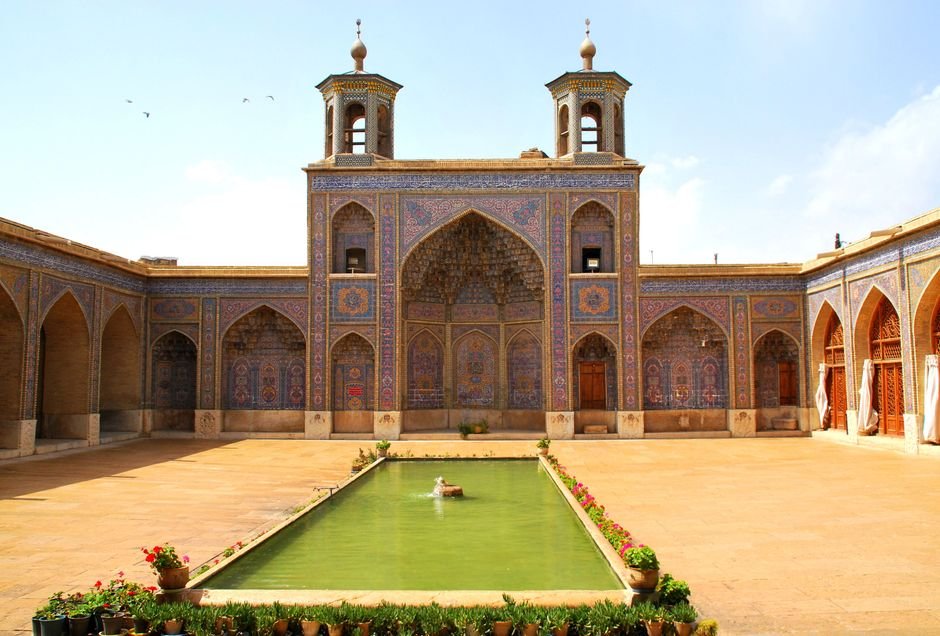
things to do in iran range from exploring ancient Persian cities and mountain villages to sharing tea in a busy bazaar. Iran is a large, varied country, so the best itinerary depends on your time, travel conditions, and interests.
First-time visitors often combine Tehran with Isfahan, Yazd, and Shiraz. These cities offer museums, historic architecture, traditional gardens, and local food, while northern forests, desert towns, and mountain regions add very different scenery.
Before booking, check current government travel advice and entry requirements for your passport. Conditions, transport services, and access to some areas can change, so build flexibility into your plans.
20 Things to Do in Iran: Practical Tips for Your Trip
This guide covers memorable places and experiences across Iran, along with practical advice for getting around, choosing a season, and traveling respectfully. Distances are long, so it is usually better to explore a few regions well than to rush across the country.
Tip 1 – Start in Tehran for museums, food, and city life

Tehran is a useful starting point for international arrivals and a lively introduction to modern Iran. Visit the National Museum of Iran for a broad overview of the country’s past, then explore the Golestan Palace complex and the Grand Bazaar area.
The city is large and traffic can be slow. Group nearby sights together, use the metro where convenient, and allow extra time for road journeys. Tehran is not always the easiest place to navigate on a tight schedule, but it offers a strong contrast to the country’s historic towns.
Tip 2 – See Isfahan’s grand squares and historic bridges
Isfahan is one of the most rewarding stops for architecture and public spaces. Naqsh-e Jahan Square is the natural starting point, with major landmarks, arcades, and shops close together. Take time to notice tilework and decorative details rather than trying to see every building in a hurry.
Walk along the Zayandeh Rud when water levels and local conditions allow. The historic bridges are especially atmospheric in the evening, although river flow can vary. Check local information before planning around riverside views.
Tip 3 – Explore Yazd’s old lanes and desert architecture

Yazd is known for its mud-brick historic center, windcatchers, and narrow lanes. Set aside time to walk slowly, visit traditional houses, and pause in shaded courtyards. The old town is best explored on foot, but uneven surfaces and confusing lanes make an offline map useful.
Desert temperatures can be intense in summer and cold at night in cooler months. Carry water, sun protection, and an extra layer if you are staying outside the city or joining an evening excursion.
Tip 4 – Visit Shiraz for gardens, poetry, and historic sites
Shiraz is a good base for gardens, lively streets, and Persian literary history. The Eram Garden and the Tomb of Hafez are popular places to slow down and enjoy the city’s atmosphere. Check opening times locally, as schedules can change around holidays or special events.
Shiraz is also the usual base for visiting Persepolis and Pasargadae. These archaeological sites are outside the city, so arrange transport in advance and allow enough time for the drive and walking in the heat.
Tip 5 – Make time for Persepolis and Pasargadae
Persepolis is one of Iran’s most important ancient sites and a highlight for many history-minded travelers. Go early to avoid the strongest midday sun, wear comfortable shoes, and bring water. Uneven stone paths and open courtyards mean visitors should plan for a fair amount of walking.
Pasargadae is farther away and is often combined with Persepolis in a full-day trip. If you want a more relaxed visit, split the sites across separate days or hire a driver who can explain the route and timing.
Tip 6 – Look for Iran’s UNESCO-listed heritage
Iran has a wide range of UNESCO-listed sites, including historic cities, gardens, archaeological remains, and religious architecture. The UNESCO World Heritage listing for Iran is a useful place to explore possible additions to your route.
Do not try to fit every major site into one trip. Choose places that match your route and interests, and check local access and opening information before making a long journey.
Tip 7 – Experience a traditional bazaar respectfully

Bazaars are places to shop, eat, and observe everyday life. Tehran, Isfahan, Tabriz, and many smaller cities have distinctive market areas. Go with a little time to spare, since the lanes can be busy and some sections sell specific types of goods.
Ask before photographing shopkeepers or customers. Bargaining may be part of shopping for certain goods, but keep it friendly and avoid treating every interaction as a performance for visitors.
Tip 8 – Try regional Iranian food
Iranian food changes from region to region. Look for rice dishes, grilled meats, herb stews, breads, pickles, and seasonal fruit. Menus may be limited in smaller towns, so ask your host or restaurant staff what is fresh and typical for the area.
For a first taste, try a local kebab meal or a slow-cooked stew with rice. If you have dietary requirements, learn a few relevant Persian phrases and explain them clearly. Do not assume every restaurant can accommodate allergies or special diets.
Tip 9 – Enjoy tea houses and non-alcoholic drinks
Tea is part of everyday hospitality in Iran. You may be offered black tea in a shop, guesthouse, or family home. Accepting a cup can be a pleasant way to connect, but a polite refusal is also fine.
Alcohol is prohibited under Iranian law, so do not expect bars or alcoholic drinks to be part of the usual travel experience. Cafes, tea houses, fresh juices, and traditional non-alcoholic drinks offer plenty of alternatives.
Tip 10 – Choose a season that suits your route
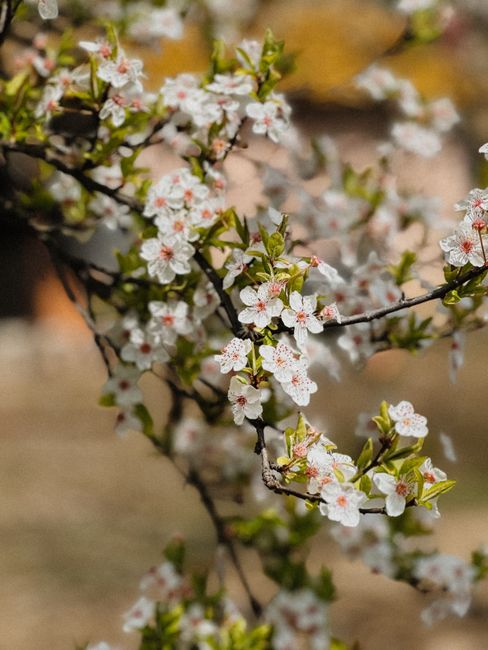
Spring and autumn are often comfortable for visiting central cities, but weather varies widely across Iran. Summers can be very hot in desert and southern regions, while mountain areas may be cooler. Winter can bring snow and difficult road conditions in some places.
Nowruz, the Persian New Year around the spring equinox, is an important holiday period. Transport and accommodation can be busy, and some businesses operate on different schedules. If your trip overlaps with Nowruz, book ahead and check opening hours.
Tip 11 – Plan travel days around Iran’s size
Iran covers a vast area, and a route that looks short on a map can take many hours by road. Trains and domestic flights may help with longer distances, but schedules and availability can change. Confirm details with an operator before relying on a connection.
Leave buffer time between transport legs, particularly if you have an international flight. A slower itinerary with fewer overnight transfers is usually more comfortable than trying to cover too many regions.
Tip 12 – Use local transport with a little preparation
Tehran has a metro system that can help you avoid some road traffic, while taxis and ride services are common in many cities. Check how a ride is arranged and agree on the fare or booking method before setting off. Ask your accommodation for current local recommendations.
For intercity journeys, compare bus, train, and flight options based on the route and current schedules. Keep your destination written in Persian as well as English, since this can make directions easier to share.
Tip 13 – Stay in a traditional guesthouse for local character

Historic guesthouses and restored courtyard homes can make stays in cities such as Yazd, Kashan, and Isfahan feel especially memorable. Rooms and facilities vary, so read recent reviews and confirm practical details such as air conditioning, heating, stairs, and payment methods.
International booking options and payment services may be affected by sanctions or changing conditions. Contact the property directly to confirm your reservation, accepted payment, check-in time, and any documents it needs from guests.
Tip 14 – Add a smaller city such as Kashan
Kashan offers historic houses, traditional gardens, and a quieter pace than the country’s biggest cities. It fits naturally between Tehran and Isfahan, making it a practical stop on a central Iran itinerary.
Allow enough time to visit a few sites rather than racing through the town in a few hours. If you are comparing ideas for future trips as well, you can also browse this guide to things to do in Pinehurst, NC for a very different small-town getaway.
Tip 15 – Consider northern Iran for greener scenery
The Caspian region offers a different landscape from the dry central plateau, with greener foothills, forests, and coastal towns. It can be a refreshing addition if you have enough time and current conditions support the route.
Road traffic can be heavy during holidays, and weather can affect mountain roads. Check forecasts and transport conditions before traveling, and avoid assuming that a short distance will mean a quick journey.
Tip 16 – Make room for mountain landscapes
Iran has several mountain regions, including areas near Tehran and destinations farther west. Hiking and outdoor trips can be rewarding, but conditions vary by elevation and season. Use a qualified local guide for unfamiliar routes, and do not set out without checking weather, trail access, and your own fitness.
Pack sturdy footwear, layers, sun protection, and enough water. If you are planning a remote route, share your plans with someone and confirm how you will get help if conditions change.
Tip 17 – Learn a few useful Persian phrases
Persian, also called Farsi, is the main language in much of Iran. A few words can make everyday exchanges warmer and easier. Learn greetings, thank-you phrases, and how to ask for directions or the price.
-
Salam means hello.
-
Mamnoon means thank you.
-
Lotfan means please.
-
Befermayid is a polite invitation or offer, often used in hospitality.
People in some tourist-facing businesses may speak English, but this is not guaranteed. Save key addresses and hotel details offline, and use a translation tool that works without a data connection.
Tip 18 – Prepare for payments, connectivity, and changing conditions
International bank cards may not work in Iran because of financial restrictions. Confirm payment arrangements before departure and carry a carefully managed supply of local currency through lawful channels. Exchange rules and available services can change, so check current official guidance.
Internet access and mobile services may be limited or disrupted. Download maps, hotel details, tickets, and important documents before travel. Check whether your phone can use a local SIM or another lawful connectivity option, and keep a paper copy of essential information.
Tip 19 – Check safety advice and travel insurance carefully
Review your own government’s latest travel advice before booking and again before departure. Some governments advise against all or part of travel to Iran, and the guidance can change. For example, consult the UK government’s current Iran travel advice alongside the advice issued by your own authorities.
Ask your insurer in writing whether your destination, activities, and route are covered. Policies may exclude travel to places subject to government warnings or sanctions. Keep emergency contacts available offline and learn the local emergency numbers before you need them.
Tip 20 – Avoid the common mistake of planning too much
A frequent planning mistake is trying to visit Tehran, the central cities, the Caspian coast, and several remote sites in a single short trip. Long journeys, changing schedules, and weather can quickly make that plan stressful.
Choose a core route, add one or two optional stops, and leave room for rest. This approach gives you more time to enjoy each place and makes it easier to respond if transport or local conditions change.
Quick Reference for Things to Do in Iran
| Trip priority | Places to consider | Planning note |
|---|---|---|
| History and architecture | Isfahan, Yazd, Shiraz, Persepolis | Check site hours and arrange transport to archaeological sites. |
| City life and museums | Tehran | Allow for traffic and group nearby sights together. |
| Historic homes and gardens | Kashan, Shiraz, Yazd | Confirm opening times and accommodation details before arrival. |
| Green scenery | Northern Iran and the Caspian region | Check road conditions, weather, and holiday traffic. |
| Outdoor activities | Mountain and desert regions | Use local expertise and plan for heat, cold, and limited services. |
Visa & Entry Requirements
Entry rules for Iran depend on the passport you hold and the policies in force when you travel. Visa requirements, permitted length of stay, passport-validity rules, blank-page requirements, and any electronic authorization process can differ by nationality and may change. Do not assume that a rule applying to one traveler applies to everyone.
Check the Iranian government’s official visa information before booking flights or accommodation. The Iranian Ministry of Foreign Affairs e-visa portal is a starting point for visa information and applications. For individual questions, confirm details with the nearest Iranian embassy or consulate and review any instructions sent with an approved visa. An application or approval does not replace the need to check the conditions attached to your entry permission.
Before departure, confirm that your passport meets the required validity period and has enough blank pages for the journey. Check whether you need a visa or other authorization, whether you must enter through a particular point, and how long you may stay. Rules about return or onward travel, proof of accommodation, travel insurance, and supporting documents can depend on the traveler and the visa category, so carry them when required by official guidance.
Vaccination and health documentation requirements can also depend on your travel history, current public-health policy, and transit points. Review current advice from the relevant government and health authorities. Check customs rules before packing medicines, electronics, currency, or other restricted goods, and make any required declarations. If you take prescription medicine, confirm that it is permitted and carry it in its original packaging with supporting documentation where appropriate.
Review travel insurance terms carefully, especially exclusions linked to government advisories, sanctions, or particular activities. Rules can change without much notice, so check again shortly before departure. Official immigration and embassy guidance is the final reference for your specific circumstances; this overview is practical information, not legal advice or a guarantee of entry.
Frequently Asked Questions About Things to Do in Iran
What are the best things to do in Iran for a first visit?
Many first-time visitors focus on Tehran, Isfahan, Yazd, and Shiraz, with a day trip to Persepolis from Shiraz. This route combines museums, historic architecture, gardens, bazaars, and several distinct city atmospheres.
How many days do you need to visit Iran?
About 10 to 14 days can work for a focused route through a few central cities, depending on transport and current conditions. Iran is large, so a longer trip is needed to add northern scenery, mountain areas, or more remote destinations without rushing.
When is the best time to visit Iran?
Spring and autumn are often comfortable for many central destinations, but the best timing depends on the region. Check local weather, holiday schedules, and current travel guidance, especially if you plan to visit desert or mountain areas.
Is Iran suitable for family travel?
Families can enjoy historic sites, gardens, bazaars, and local food, but journeys between regions can be long. Plan regular breaks, confirm family room arrangements, and check current safety and entry advice for every traveler in your group.
What should visitors wear in Iran?
Dress expectations and laws should be checked against current official advice before travel. Visitors should plan modest clothing and confirm any requirements that apply to them, including rules for public spaces and religious sites. Carry comfortable clothes suitable for heat, walking, and local customs.
Can visitors use international bank cards in Iran?
Many international cards may not work because of financial restrictions. Confirm accepted payment methods with accommodation providers and service operators before you travel, and check current official guidance on bringing and exchanging money.
Is it easy to travel between Iranian cities?
There are intercity buses, trains, flights, and private drivers on various routes, but schedules and availability can change. Check current options for your specific journey and leave extra time between connections.
Conclusion: Plan a Thoughtful Trip Around Iran
The best things to do in Iran depend on the places you choose and the time you have. Start with a realistic route, then add a few experiences that matter to you, such as Isfahan’s architecture, Yazd’s old lanes, Shiraz’s gardens, or a regional food stop.
Check entry rules and government travel advice carefully, arrange transport with flexibility, and keep key information available offline. With thoughtful planning and respect for local customs, you can make your time in Iran more comfortable and rewarding.
