
Key Takeaways
- Rome’s iconic sights like Trevi Fountain and Spanish Steps are free to admire outdoors.
- Parks such as the Orange Garden and Villa Borghese offer scenic viewpoints at no cost.
- Use public transport and walk by neighborhoods to explore without spending on tickets.
- Check free museum days and local event listings for additional zero‑cost experiences.
free things to do in rome can turn a short visit into a rich experience, from wandering ancient streets to watching the sunset over the city. Many of Rome’s best sights are outdoors, so you can enjoy its history and atmosphere without paying for a ticket.
Rome is the capital of Italy and a city where grand monuments sit beside everyday neighborhood life. Some famous attractions are free to see from the outside, while others require a ticket to enter. A little planning helps you spend your budget on the experiences that matter most to you.
This guide covers free sights, parks, viewpoints, local customs, transport, safety, and practical details for first-time visitors. Opening hours and access can change, so check official information before you set out.
20 Free Things to Do in Rome
Tip 1 – See the Trevi Fountain early or late
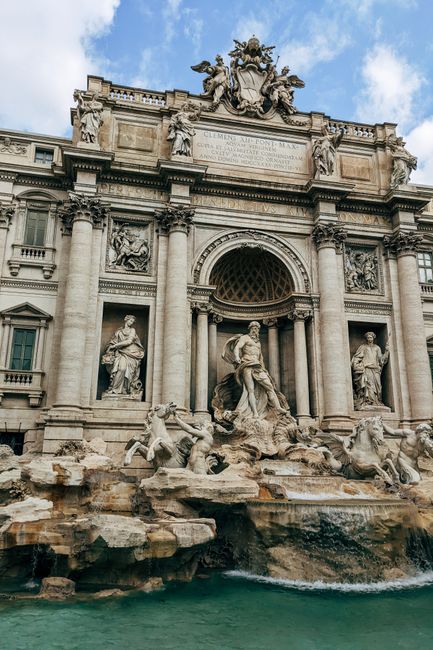
The Trevi Fountain is free to admire, and its sculpted figures make it one of Rome’s most striking public landmarks. Visit early in the morning or later in the evening if you want a calmer view. The area gets crowded during the day, and access arrangements may change during busy periods.
You can toss a coin into the fountain if you like, but it is not necessary for the visit. Keep your belongings close in the crowd, and do not climb on the stonework or enter the water.
Tip 2 – Walk the Spanish Steps and Piazza di Spagna
The Spanish Steps connect Piazza di Spagna with the Trinità dei Monti church above. Climbing the steps is free, and the route gives you a lovely sense of Rome’s layered streets. The steps can be busy, so pause for photos without blocking the flow of people.
Rules around sitting and eating on the steps can be enforced. Follow posted signs and use nearby public spaces if you need a longer rest.
Tip 3 – Explore the Pantheon area and Piazza della Rotonda
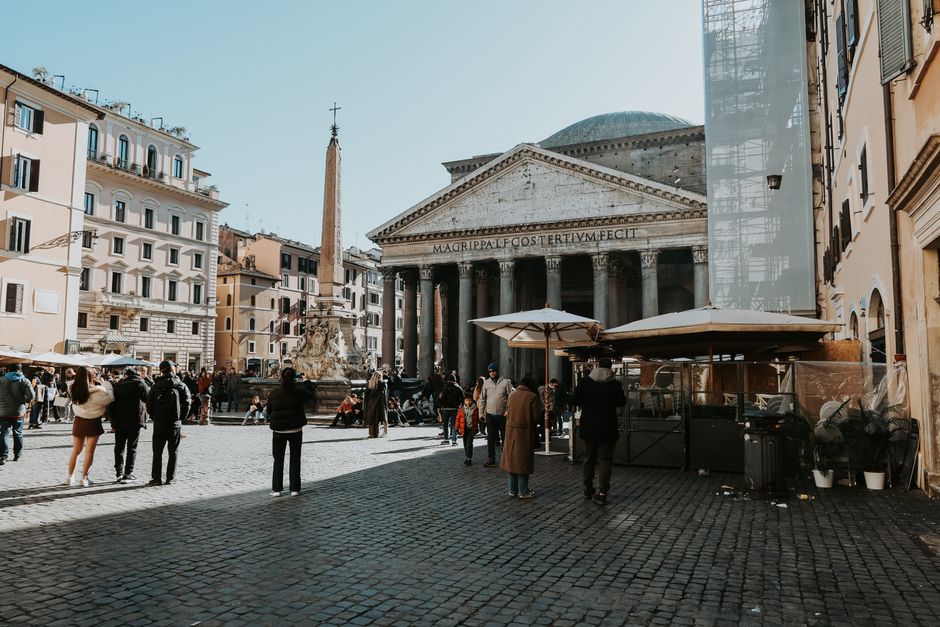
The Pantheon’s exterior and Piazza della Rotonda are free to visit, and the square is a good place to appreciate the ancient building’s scale. Entry inside the Pantheon is generally ticketed, though policies and exemptions can change. Check the official information before making it part of your plan.
Arrive early if you want to take photos with fewer people around. The surrounding lanes are also worth a slow walk, with small churches, cafés, and historic details tucked into the streets.
Tip 4 – Spend time in Piazza Navona
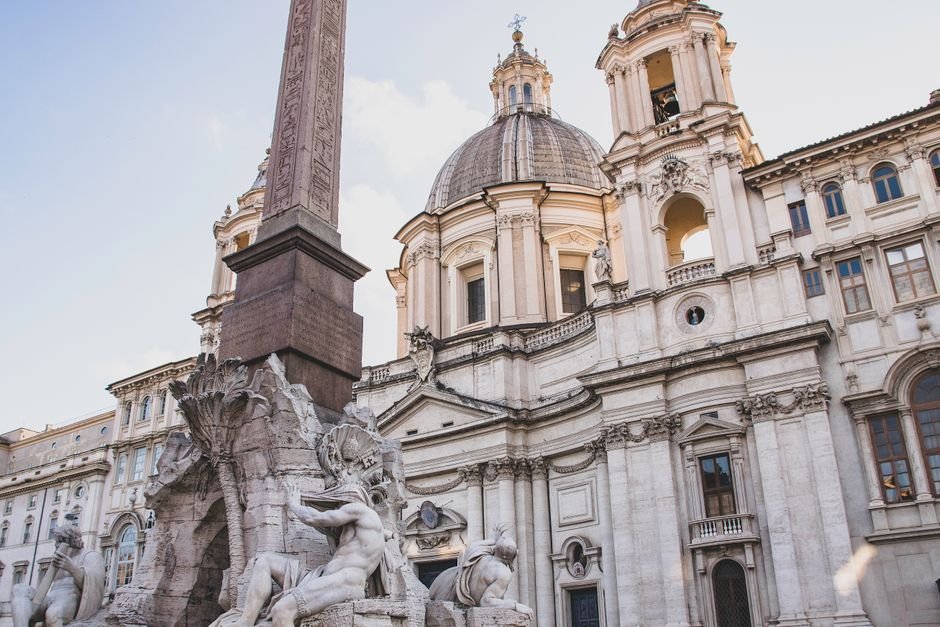
Piazza Navona is one of Rome’s most beautiful public squares. You can see its fountains and Baroque façades for free, and the open space is enjoyable at different times of day. Artists and street performers may be present, but their schedules and availability vary.
Restaurants around the square are convenient but often cost more than places a few streets away. Enjoy the view, then compare menus before choosing where to eat.
Tip 5 – Visit St. Peter’s Square
St. Peter’s Square in Vatican City is free to enter and offers a memorable view of St. Peter’s Basilica and Bernini’s colonnade. Security checks are common, and lines can be long, particularly during services, major events, and peak travel months.
Entry to the basilica is generally free, but access can be restricted or delayed. Modest clothing is expected, and visitors should check current opening details before travelling across the city.
Tip 6 – Admire the Colosseum from outside
You need a ticket to enter the Colosseum, but you can still appreciate its immense exterior from the surrounding streets and viewpoints. Walk around the monument to see it from different angles, and take time to notice how it changes in the light.
The area can be crowded, and unofficial ticket sellers may approach visitors. Buy tickets only through official channels if you decide to go inside, and do not feel pressured to purchase anything from someone on the street.
Tip 7 – Walk through the Roman Forum viewpoints
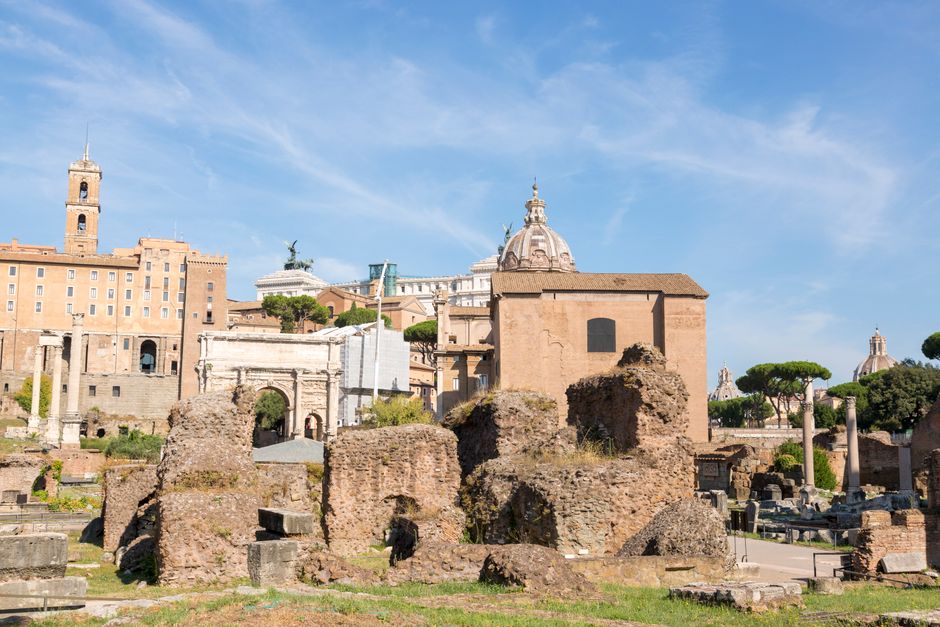
Entry to the archaeological area of the Roman Forum is ticketed, but you can see parts of the ruins from nearby streets and public viewpoints. Via dei Fori Imperiali is a good place to take in the ancient remains without buying admission.
Allow time for a slow walk, especially if you are interested in Roman history. For official visitor information about the archaeological park, check the Parco archeologico del Colosseo website.
Tip 8 – Watch the city from the Orange Garden
The Orange Garden, or Giardino degli Aranci, sits on the Aventine Hill and has a lovely view over Rome. Entry is free, and the garden is a peaceful place to take a break from the busy historic center.
Sunset is popular, so arrive early if you want a spot near the viewpoint. The paths are not extensive, but the setting makes this a worthwhile stop when you are exploring the Aventine.
Tip 9 – Find the view at the Aventine Keyhole
The famous keyhole at the Priory of the Knights of Malta frames a view of St. Peter’s Basilica. Looking through it is free, but the small viewing spot can attract a queue. Be patient and give everyone a quick turn.
This is a brief stop rather than a full attraction. Pair it with the Orange Garden and a walk around the Aventine neighborhood to make the trip worthwhile.
Tip 10 – Climb to the Janiculum viewpoint
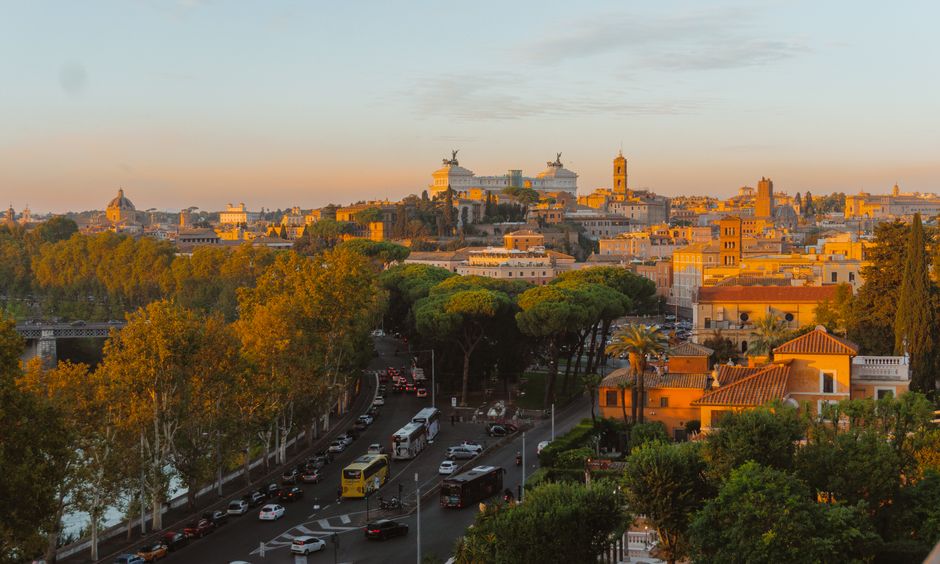
The Janiculum, or Gianicolo, is a hill with wide views across Rome. It is free to visit and offers a quieter alternative to some of the busiest central sights. The uphill walk takes effort, especially in summer, so bring water and wear comfortable shoes.
Check local information for any scheduled events or ceremonies that may affect access. You can also reach the area by public transport and walk the final stretch.
Tip 11 – Relax in Villa Borghese gardens
Villa Borghese is a large public park with shaded paths, lawns, fountains, and viewpoints. Walking around the gardens is free, making it a useful break from Rome’s stone streets and busy piazzas.
The Borghese Gallery and some other attractions within the park require paid admission and advance planning. You can enjoy the park without visiting them, but book ahead if the gallery is on your list.
Tip 12 – Take a self-guided walk through Trastevere
Trastevere is known for its narrow lanes, ivy-covered façades, and lively evening atmosphere. Wandering through the neighborhood is free, and you can enjoy its character without joining a paid tour.
It is a popular dining area, so restaurant prices vary. Look at menus before sitting down, and remember that a busy square can feel crowded at dinner time. For another neighborhood-based itinerary, see this guide to 20 Fun and Best things to do in Sherman, TX if your wider trip also includes Texas.
Tip 13 – Visit Campo de’ Fiori and watch the market
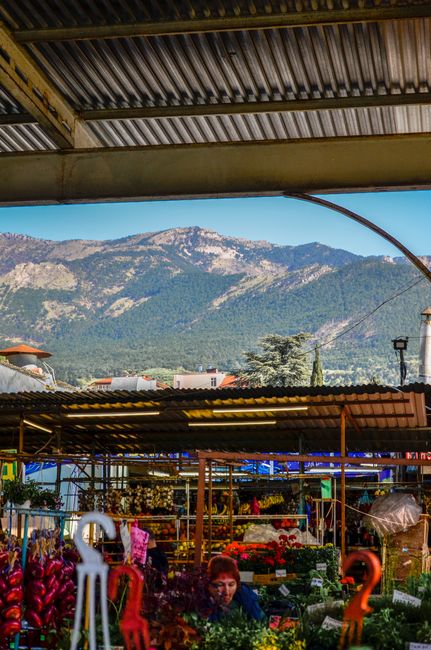
Campo de’ Fiori is a public square with a morning market on many days. Browsing the stalls is free, even if you choose not to buy produce, flowers, or snacks. It is a good place to observe everyday city life as well as pick up ingredients for a picnic.
Market schedules can vary, and the square changes character later in the day. Keep an eye on your belongings in the crowd and ask before photographing vendors or their goods up close.
Tip 14 – Walk along the Tiber River
A riverside walk gives you a different view of Rome’s bridges, embankments, and historic buildings. Choose a section that fits your route, such as a stroll near Ponte Sant’Angelo or Isola Tiberina.
Some stretches are less lively at night, so walk during daylight or stay on well-used routes after dark. The river is especially pleasant for a slower walk after a busy day of sightseeing.
Tip 15 – Step inside a historic church
Many churches in Rome welcome visitors without an admission charge, and they can offer a quiet pause from the streets. You may see impressive architecture, art, or chapels, but individual access rules and opening hours differ.
Dress respectfully, speak quietly, and avoid visiting during a service unless you are there to participate. Some churches close during the middle of the day or restrict access to certain areas.
Tip 16 – Look for free museum days
Some Italian state museums and archaeological sites offer free admission on the first Sunday of the month, subject to current policy, opening schedules, and capacity. Popular places can become very busy, and free entry does not always mean a short queue.
Check the museum or government site before travelling across Rome for a free-entry day. Other museums may have different offers, age rules, or free areas, so confirm details for each place.
Tip 17 – Enjoy Rome’s fountains and public squares
Rome’s fountains and piazzas make excellent stops between larger sights. Piazza del Popolo, Piazza Venezia, and the fountains along central walking routes are free to enjoy from public areas.
Use the city’s drinking-water fountains, known as nasoni, to refill a reusable bottle when they are operating. Do not climb on monuments or bathe in fountains. These rules protect historic sites and can help you avoid a fine.
Tip 18 – Explore the Appian Way on foot
The Appian Way, or Via Appia Antica, is a historic road with a more open, rural feel than central Rome. Walking along public sections is free, and the surrounding park is a memorable choice for travelers who want a quieter day outdoors.
Some monuments and sites along the route charge admission, and parts of the road can be uneven. Check current transport and park information before you go, and wear shoes suitable for rough paving.
Tip 19 – Plan a low-cost picnic with local market finds
A picnic is not completely free, but it can be a budget-friendly way to enjoy Rome’s parks and public spaces. Buy simple food from a market or grocery shop, then choose a permitted public area where you can sit without blocking paths or disturbing others.
Villa Borghese and other public gardens offer room to pause, but follow posted rules about eating and waste. Carry your rubbish to a bin, and avoid leaving food where it might attract pests.
Tip 20 – Catch a public event or seasonal celebration
Rome hosts religious celebrations, public concerts, exhibitions, and seasonal events, some of which are free to attend. Dates and access arrangements change, so check current city listings and official venue notices while planning your stay.
The official Turismo Roma visitor site is a useful starting point for events and city information. Confirm the time, location, and any registration requirements before heading out.
Quick Reference: Free Rome Activities
| Activity | Area | Useful to know |
|---|---|---|
| Trevi Fountain | Historic center | Go early or late to avoid the busiest crowds. |
| St. Peter’s Square | Vatican City | Allow time for security checks and dress respectfully. |
| Orange Garden | Aventine Hill | Free viewpoint; sunset can be busy. |
| Villa Borghese gardens | North of the historic center | The gardens are free; some attractions inside cost extra. |
| Trastevere walk | Across the Tiber from the historic center | Walking is free; dining prices vary by street and venue. |
| Appian Way walk | Southeast of central Rome | Check transport and wear shoes for uneven surfaces. |
Practical Tips for Visiting Rome on a Budget
Choose the right season and time of day
Spring and autumn are often comfortable for walking, although popular sights can still be busy. Summer brings long daylight hours but also strong heat, while winter can be cooler and wetter. Check the forecast and plan outdoor walks for the cooler parts of the day.
Use public transport thoughtfully
Rome’s buses, metro, and urban trains can help when distances are long, but the historic center is often best explored on foot. Check routes and service updates through the ATAC public transport website. Validate tickets where required, and keep them until your journey is complete.
For arrivals and departures, check the Rome Airports website for airport services and transport options. Do not assume that a taxi or transfer price includes every possible fee; confirm the fare and official pickup point before setting off.
Book paid attractions only when you need them
Rome has plenty to enjoy for free, so you do not need to fill every day with ticketed attractions. If you want to enter places such as the Colosseum or Borghese Gallery, check official availability and book in advance when required. Avoid unofficial sellers who promise special access on the street.
Know the most common tourist mistake
A common mistake is trying to fit too many distant sights into one day. Rome’s streets are beautiful but can be tiring to walk, and queues, security checks, and midday closures can affect your schedule. Group activities by neighborhood and leave room for breaks.
Carry the basics and keep valuables secure
Wear comfortable walking shoes, bring a refillable water bottle, and pack sun protection in warm weather. Keep your phone and wallet secure on crowded buses and around popular landmarks. Use a crossbody bag or another option that stays close to you, and be cautious if a stranger creates a distraction.
Use a few Italian phrases
Many people in tourist areas speak some English, but a greeting is appreciated. Try “buongiorno” for good morning, “per favore” for please, “grazie” for thank you, and “un caffè, per favore” when ordering a coffee. Speak politely and ask before photographing people at work.
Know what to do in an emergency
In Italy, 112 is the general emergency number. Keep your accommodation address saved offline and know how to contact your travel insurer. For non-urgent medical needs, ask your accommodation or a local pharmacy for guidance rather than relying on social media recommendations.
Check opening times and local notices
Churches, museums, public gardens, and event spaces may change their hours for holidays, services, maintenance, or special events. Check reliable official information on the day of your visit. Free access can also involve security queues or capacity limits.
Visa & Entry Requirements
Rome is in Italy, which is part of the Schengen Area. Entry rules for Italy depend on the passport you hold and current Italian and European Union policy. Some visitors may need a visa before travelling, while others may be allowed to visit for a short stay without one. Do not assume that another traveler’s experience applies to you.
Before booking, check the official Italian government Visa for Italy portal and the relevant Italian embassy or consulate. You can also review official EU guidance, but follow the instructions that apply to your passport and travel purpose. Rules can change, so confirm them again close to departure.
Check your passport’s expiry date and condition, and make sure it has any required blank pages. If a visa or electronic travel authorization applies to your situation, confirm how and when to apply through an official government source. Do not rely on third-party websites that imitate official application services.
Border officials may ask about your travel plans, accommodation, return or onward travel, or ability to support yourself during the visit. Requirements vary, so carry relevant booking details and keep copies of important documents. Travel insurance is sensible, but whether it is a formal requirement depends on your circumstances and the rules in force.
Vaccination and health-related entry rules can change, so check current government guidance before departure. Customs rules also depend on what you bring into Italy, where you are arriving from, and the goods involved. Check official customs information if you are carrying restricted items, valuable goods, or anything that may need to be declared. This is general travel information, not legal advice, and no summary can guarantee entry.
Frequently Asked Questions
What are the best free things to do in Rome for a first visit?
Start with the Trevi Fountain, Piazza Navona, the Spanish Steps, St. Peter’s Square, and a walk past the Colosseum. Add a viewpoint such as the Orange Garden if you have time. Check current access details before travelling, since rules and opening times can change.
Can you see the Colosseum for free?
You can admire the Colosseum from public streets and viewpoints without paying. Entry inside is generally ticketed. If you want to visit the interior, check the official archaeological park website for current tickets and access information.
Is the Pantheon free to enter?
Entry inside the Pantheon is generally ticketed, although rules and exemptions may change. The outside and Piazza della Rotonda are free to enjoy. Confirm current admission details through official information before your visit.
Are there free things to do in Rome with children?
Yes. Families can walk around public squares, visit Villa Borghese gardens, see fountains, and explore neighborhoods at a relaxed pace. Bring water and snacks, plan shade breaks in warm weather, and check whether a playground or activity is open before making a special trip.
What is the best time of day to enjoy free things to do in Rome?
Early mornings are usually quieter around popular landmarks and more comfortable in hot weather. Evenings are pleasant for piazzas and neighborhood walks, but some places may be crowded at sunset. Pick times based on the season, the site, and your own walking pace.
Is Rome safe for walking between attractions?
Many visitors walk between central sights during the day, but take normal city precautions. Keep valuables secure in crowds, use well-lit and busy routes at night, and be aware of traffic when crossing streets. Call 112 in an emergency.
Conclusion
free things to do in rome include landmark views, public gardens, historic squares, neighborhood walks, and quiet moments inside many churches. You can see a lot without paying for every attraction, especially when you plan your days by area and make time to walk.
Some of the city’s most famous interiors do require tickets, and free sights can still involve crowds or queues. Check official information before you go, dress respectfully where needed, and leave room in your schedule for a slower pace.
With comfortable shoes, a refillable water bottle, and a flexible plan, free things to do in rome can make your trip both memorable and manageable on a budget.
