
Key Takeaways
- Enjoy Colorado River activities like swimming, paddling, and fishing while staying safe
- Visit the Blythe Intaglios and Palo Verde Historical Museum for local culture
- Explore desert wildlife at Cibola Refuge and scenic drives through Palo Verde Valley
- Plan for heat: travel early, pack water, sun protection, and check road/access updates
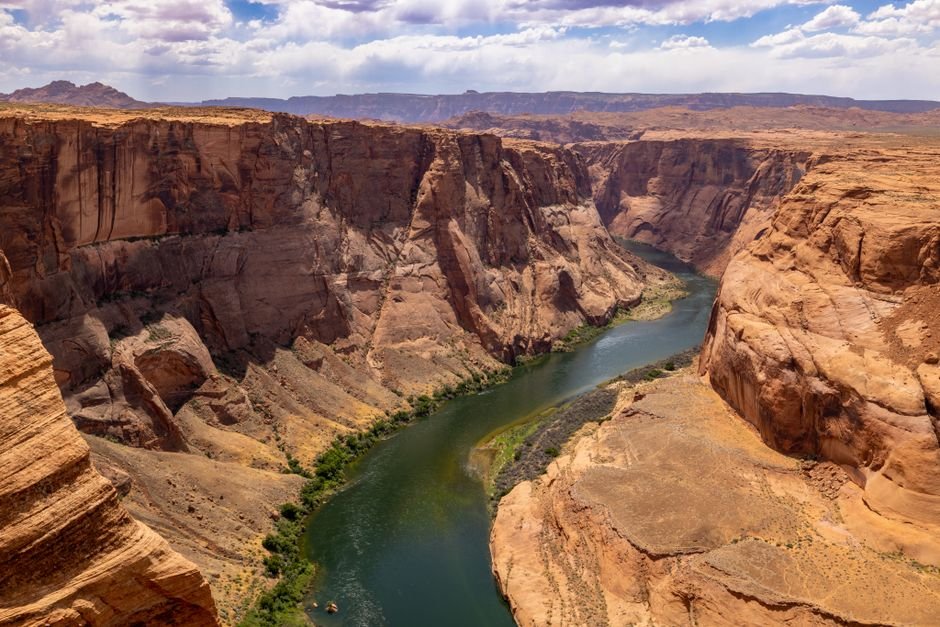
things to do in blythe ca include time on the Colorado River, a visit to ancient desert geoglyphs, and easygoing stops around this small California city. Blythe sits in the Palo Verde Valley beside the Arizona border, making it a useful base for river recreation and wide-open desert scenery.
This is a practical destination rather than a city packed with major attractions. The best days here usually mix one planned outing with time to swim, paddle, eat locally, or enjoy the open landscape. Summer heat can be intense, so timing and preparation matter.
Use this guide to plan things to do in Blythe, California, whether you are passing through on Interstate 10, spending a weekend by the river, or exploring the lower Colorado River region.
20 Things to Do in Blythe CA
Tip 1 – Spend time on the Colorado River
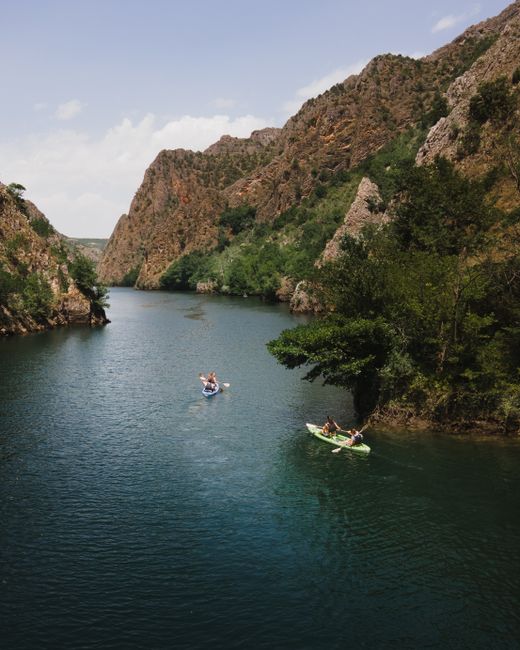
The Colorado River is one of Blythe’s main attractions. Visitors come here to swim, launch a boat, paddle, fish, or relax beside the water. Conditions and access can vary by location, so check local notices before setting out and use a designated launch or recreation area.
In warm weather, bring drinking water, sun protection, and footwear that can get wet. The river is a natural environment, not a supervised swimming pool, so keep an eye on children and be cautious around currents, boat traffic, and changing water levels.
Tip 2 – Learn local history at the Palo Verde Historical Museum
The Palo Verde Historical Museum offers a way to understand how the valley developed, from Indigenous history and early settlement to farming and life along the river. It makes a useful indoor stop during the hottest part of the day.
Opening days and hours can change, so check before driving over. If the museum is closed, you can still learn about the area by looking for local history displays and asking at visitor-facing businesses or the city for current information.
Tip 3 – See the Blythe Intaglios from the designated viewing area

The Blythe Intaglios are large figures made in the desert surface, best understood from above ground level. They are culturally significant geoglyphs, and visitors should treat the site with care. Stay outside the figures, do not walk or drive over them, and leave stones and other objects where they are.
The site is remote, and the final approach may involve unpaved roads. Check current access conditions with the Bureau of Land Management’s Blythe Intaglios information before leaving. Take water, sun protection, a charged phone, and a reliable map. Do not count on mobile service or nearby facilities.
Tip 4 – Take a break at a local park
A neighborhood park is a simple way to slow down between drives and river outings. Todd Park is one local option for open space and recreation. Facilities and access can vary, so check the city’s current information before making a special trip.
For families, a short park visit can be easier than a long outdoor excursion in the heat. Bring snacks and water, and plan active play for morning or evening rather than the hottest hours.
Tip 5 – Explore central Blythe at an easy pace
Spend a little time in the central part of Blythe to get a feel for the community and its everyday businesses. It is a small city, so do not expect a large historic district or a long list of major landmarks. Instead, look for local shops, casual places to eat, and the practical character of a desert river town.
If you are driving through, this is a good place to pause for supplies, fuel, and a meal before heading back onto the highway or out toward the river.
Tip 6 – Try local Mexican and Southwestern-style food
Blythe’s dining options include casual Mexican and Southwestern-style meals, along with familiar road-trip choices. Menus, opening hours, and business availability can change, so check recent listings or call ahead, especially if you are visiting outside the busiest season.
For a relaxed meal, look for places serving dishes such as tacos, burritos, or grilled food. Keep an open mind and ask locals what is currently popular rather than relying on old online recommendations.
Tip 7 – Look for birds and desert wildlife at Cibola National Wildlife Refuge
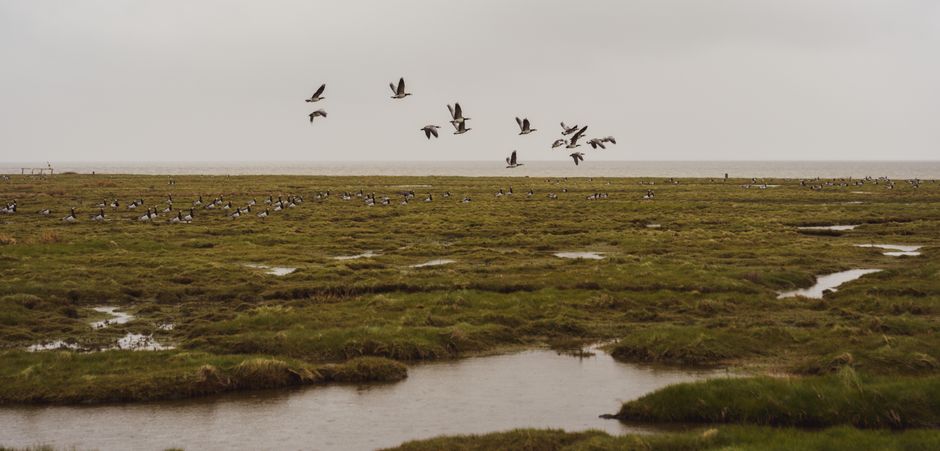
Cibola National Wildlife Refuge, south of Blythe near the Colorado River, protects important desert and wetland habitat. Depending on the season, visitors may see migratory birds and other wildlife. Bring binoculars, stay on roads and marked routes, and give animals plenty of space.
Before going, review the U.S. Fish and Wildlife Service’s Cibola refuge information for access, rules, and current notices. Refuge roads and facilities can be limited, and wildlife sightings are never guaranteed.
Tip 8 – Choose a desert walk that suits your experience
The open desert around Blythe can be rewarding for a short walk, but exposed trails and rough terrain make preparation important. Pick a route that matches your fitness and experience, check for current access restrictions, and avoid setting out during extreme heat.
Carry more water than you expect to need, wear sturdy shoes, and tell someone where you are going. The nearby Big Maria Mountains area is remote, so do not treat it like a city park with services close at hand.
Tip 9 – Play a round of golf
If you enjoy golf, check whether the Blythe municipal course is open and what tee times or visitor arrangements are available. Playing early can be more comfortable, especially in warmer months.
Course conditions and services may change seasonally. Call ahead to confirm availability, fees, and any equipment needs rather than assuming a full-service club is operating every day.
Tip 10 – Take a scenic drive through the Palo Verde Valley
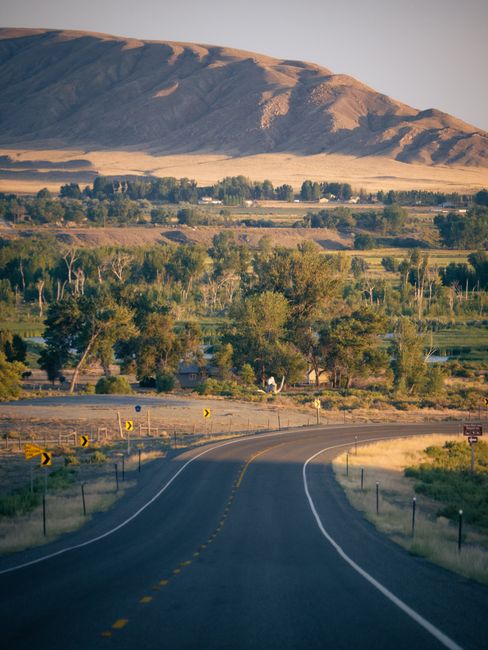
A drive through the Palo Verde Valley gives you a closer look at the agricultural landscape around Blythe, with open fields set against desert hills and the Colorado River corridor. Keep the route flexible, since some roads lead to working farms or private property.
Pull over only in safe, legal places and never block farm access. For highway conditions in California, check the Caltrans road information service before a longer drive.
Tip 11 – Go fishing with local rules in mind
Fishing is a popular way to spend time along the Colorado River. Before casting a line, check current California fishing regulations, license requirements, seasons, and any special rules for the stretch of river you plan to visit.
Bring sun protection and a way to keep food and bait secure. If you are unfamiliar with the river, ask about safe access points and avoid fishing from unstable banks or areas used by boats.
Tip 12 – Consider a campground or RV stay
Camping can make a river-focused visit more convenient, and the Blythe area has options for tent campers and RV travelers. Facilities, reservations, and seasonal availability differ by site, so confirm details before you arrive.
Pack for both heat and cooler desert nights, secure food and rubbish, and follow fire rules. If you need hookups, shade, or a riverside site, reserve early when possible rather than expecting those features to be available on arrival.
Tip 13 – Notice how farming shapes the valley
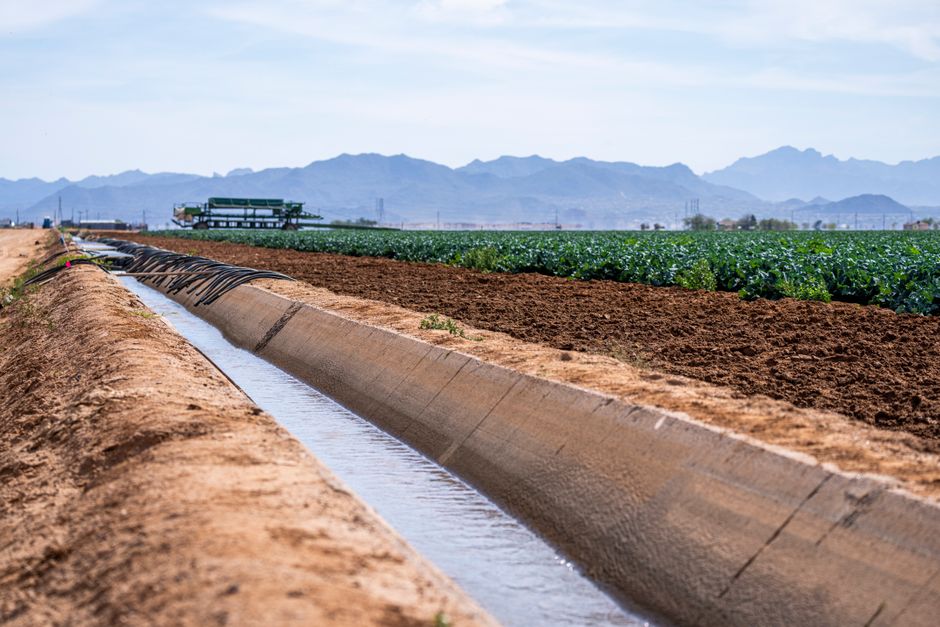
Agriculture is a visible part of life in the Palo Verde Valley. The contrast between cultivated land, desert mountains, and the river makes for an interesting drive and gives context to the region’s economy.
These are working landscapes, not public attractions. Do not enter fields or private roads, and avoid stopping where farm equipment needs to pass. There may be seasonal produce in the area, but availability and farm-gate sales vary.
Tip 14 – Plan a low-key family day
Families can build a simple day around a morning river visit, lunch in town, and a short museum or park stop. Keep the schedule light, especially in summer, and make sure children have hats, water, and shade breaks.
For younger visitors, the river and open desert may be more memorable than a packed sightseeing list. Choose safe, supervised access and avoid remote outdoor areas during the hottest hours.
Tip 15 – Keep costs manageable with free outdoor activities
Many of the most enjoyable things to do in Blythe CA involve the outdoors, and some do not require an admission ticket. A scenic drive, a walk in an appropriate public area, or time beside the river can be budget-friendly, though parking, permits, equipment, and recreation fees may apply.
Bring reusable water bottles and snacks from town, but pack out all rubbish. Check access rules before assuming a riverbank or desert area is public.
Tip 16 – Check the local calendar before your visit
Community events and seasonal activities can add interest to a stay, but dates and schedules change. Check the City of Blythe’s official website and local listings close to your travel dates rather than relying on an old event calendar.
The city’s official Blythe website is also useful for municipal updates and local services. If there is no event during your visit, the river and surrounding landscape remain the main draw.
Tip 17 – Make a short cross-border-area excursion
Blythe sits beside the Arizona state line, so a drive toward nearby communities can add a change of scenery to a longer road trip. Remember that crossing a state line is not an international border, but traffic conditions, business hours, and road services still vary.
Check fuel, weather, and route conditions before heading out. If your wider California plans include the Bay Area, you can also compare this desert stop with the coastal town in our guide to 20 Fun and Best things to do in tiburon.
Tip 18 – Enjoy the desert sky after sunset
On a clear night, the open landscape can make stargazing a pleasant addition to your visit. Choose a safe, legal place to stop, avoid trespassing, and do not drive onto unpaved ground unless you know it is open and suitable for your vehicle.
Bring a light, warm layer, and let your eyes adjust to the dark. If you are travelling alone or leaving town, tell someone your plans and do not rely on a phone signal for navigation.
Tip 19 – Plan transport before you arrive
Blythe is easiest to explore by car. The city lies on Interstate 10, while many river, desert, and wildlife areas are spread out and may not have regular public transport. If you are arriving without a car, arrange local transport in advance and confirm that a driver can take you to your intended destination.
Keep your fuel tank comfortable for rural drives, download offline maps, and check road conditions before leaving town. Caltrans provides updates for California roads, but confirm conditions in neighboring Arizona separately if your route crosses the state line.
Tip 20 – Choose the right season and time of day
Cooler months are generally more comfortable for outdoor sightseeing, while summer can bring very high temperatures. Spring and autumn can also be pleasant, but weather varies from year to year. Check the forecast shortly before your trip, especially if you plan to hike, camp, or spend hours by the river.
In warm weather, schedule outdoor activities for early morning or near sunset, and reserve the middle of the day for indoor stops, meals, or rest. This small adjustment can make a visit to Blythe much more comfortable.
Practical Travel Tips for Blythe
| Travel detail | What to know |
|---|---|
| Best for | Colorado River recreation, desert scenery, road trips, and a relaxed small-city stop |
| Getting around | A car is the most practical way to reach attractions and outdoor areas |
| Outdoor planning | Check weather, access, road conditions, and local rules before leaving town |
| Summer visits | Carry plenty of water and plan outdoor activities for cooler parts of the day |
| Useful essentials | Sun hat, sunscreen, sturdy shoes, refillable water bottle, offline map, and phone charger |
| Emergency help | Call 911 in the United States for an immediate emergency |
Local transport, safety, and useful apps
There is no simple public-transport network for reaching the area’s more remote sights, so a rental car or other prearranged ride is useful. Save offline maps before you leave town, and keep a paper backup or written directions for remote locations where service may be weak.
For road travel, use an up-to-date navigation app and check official road information before setting out. Share your route with someone if you are going into the desert. In an emergency, call 911. For non-urgent local assistance, use current city or county contact details rather than relying on a number found on an old travel page.
What to pack and what to book ahead
Pack light, breathable clothing, a wide-brimmed hat, sunscreen, sunglasses, comfortable walking shoes, and more drinking water than you expect to use outdoors. A light jacket can be useful after sunset. For river activities, bring suitable footwear and a dry change of clothes.
Book accommodation and camping in advance during busy travel periods, and confirm opening hours for small museums, golf, and other local services. If you plan to visit the Blythe Intaglios or a refuge, check official access information before driving out.
Customs, local manners, and a common visitor mistake
Blythe is a relaxed, practical town. Be courteous in shops and restaurants, follow posted rules around the river, and respect private property and culturally significant sites. A friendly “hello” or “thank you” is appreciated, though English is the main language used in many public services and businesses. You may also hear Spanish locally.
A common mistake is underestimating the heat and distance between services. Do not set off for a remote site with little water, a low fuel tank, or no offline map. Also avoid walking on the Blythe Intaglios, even if the figures look like a convenient path or photo spot.
Visa & Entry Requirements
Blythe is in California, United States. Entry requirements for the United States depend on your passport, reason for travel, travel history, and the government policies in force when you travel. A visa, an approved travel authorization, or another form of entry permission may be required. Do not assume that rules for one nationality apply to everyone.
Before booking, check the U.S. Department of State’s official visa information and, if relevant to your passport and travel purpose, the U.S. government’s ESTA application site. Use official government sources for the latest instructions and application steps. An authorization or visa does not by itself guarantee admission at the border.
Check your passport’s expiry date and whether the United States or your airline requires a particular period of validity or available blank pages. These rules can differ by passport and may change. Confirm whether you need a visa or electronic travel authorization before departure, and review any transit requirements if you connect through another country.
Depending on your circumstances, you may be asked about your travel plans or to show details such as return or onward travel and accommodation. Keep booking information accessible, but do not treat any one document list as universal. Travel insurance is not a general substitute for required entry permission, but it can help cover unexpected medical or travel costs. Review what your policy actually includes.
Vaccination requirements, customs rules, declarations, and limits on what you may bring into the country can also depend on current policy and your itinerary. Check official U.S. government guidance before packing food, plants, medicines, or other regulated goods. If you have a complex situation, contact a U.S. embassy or consulate or seek qualified advice. This information is general travel guidance, not legal advice.
Frequently Asked Questions
Is Blythe, California, worth visiting?
Blythe is worth a stop if you enjoy the Colorado River, desert scenery, fishing, road trips, or quieter outdoor destinations. It has fewer major attractions than a large city, so it works best when you plan around the river and nearby natural areas.
What are the best things to do in Blythe CA?
Popular options include spending time on the Colorado River, seeing the Blythe Intaglios responsibly, visiting the Palo Verde Historical Museum, exploring Cibola National Wildlife Refuge, and taking a drive through the Palo Verde Valley.
When is the best time to visit Blythe?
Cooler months are generally more comfortable for outdoor activities. Summer heat can be severe, so check the forecast and plan river visits, walks, and drives for early morning or later in the day.
Do I need a car in Blythe?
A car is strongly recommended for most visitors. Attractions and outdoor areas are spread out, and public transport may not take you to remote sites. If you will not drive, arrange transport before arriving and confirm service to each destination.
Can I walk on the Blythe Intaglios?
No. Treat the geoglyphs as culturally significant and fragile. Stay off the figures, do not drive across them, and follow current Bureau of Land Management guidance for visiting the site.
Is Blythe suitable for a family trip?
Yes, particularly for families who enjoy river time, open space, and relaxed road trips. Plan around the weather, choose safe supervised recreation areas, and bring water, hats, and sun protection for everyone.
How many days should I spend in Blythe?
One or two days can be enough for a short river visit, a local history stop, and a nearby outdoor excursion. Stay longer if you want a slower camping trip, fishing time, or several drives around the lower Colorado River region.
Conclusion
The best things to do in Blythe CA are closely tied to its setting: the Colorado River, desert landscapes, wildlife habitat, and the working Palo Verde Valley. It is a low-key destination, so a little planning helps you make the most of your time.
Check conditions before heading into remote areas, prepare for the heat, and leave room in your schedule for an unhurried meal or a quiet stretch by the water. With sensible expectations, Blythe can be a memorable stop on a California road trip or a relaxed base for exploring the lower Colorado River.
