
Key Takeaways
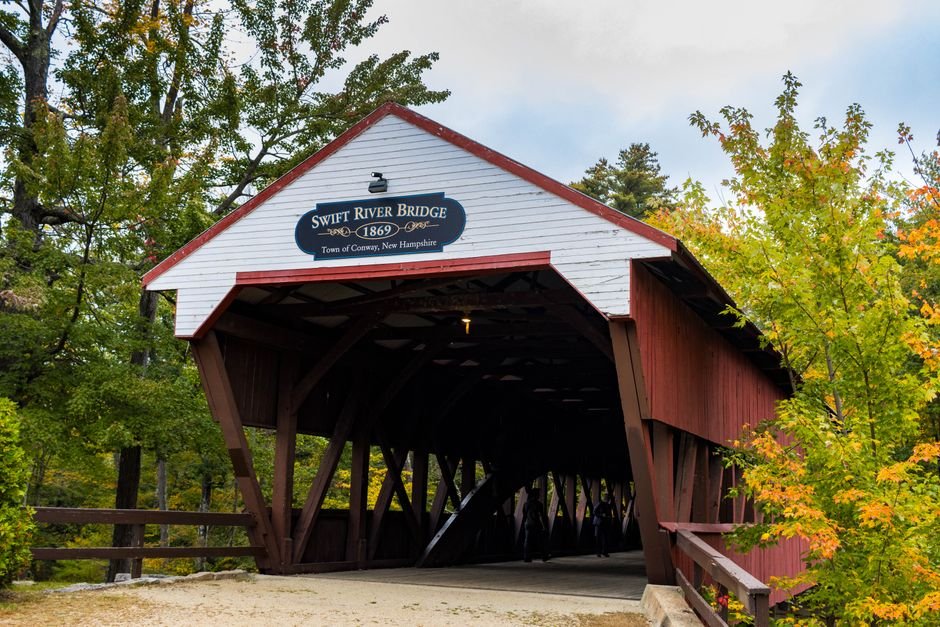
- Walk Woodstock Village and cross the Middle Covered Bridge for historic charm
- Visit Billings Farm & Museum and Marsh‑Billings‑Rockefeller Park for farm and conservation history
- Explore Quechee Gorge, nearby covered bridges, and Mount Tom trails for outdoor scenery
- Pack layered clothing, check seasonal hours, and use a car for out‑of‑town attractions
things to do in woodstock vermont range from strolling past covered bridges to hiking wooded trails and visiting a working dairy farm. This small New England town is in the United States, in central Vermont, and makes an easygoing base for exploring the Upper Valley.
Woodstock is compact, scenic, and especially appealing to visitors who enjoy history, local food, and time outdoors. Its village center is easy to explore on foot, but a car is useful for reaching nearby farms, trailheads, and the Quechee area.
Use this guide to plan your visit around the season, choose activities that fit your pace, and avoid common first-time travel hassles. Some attractions have seasonal hours, so check current details before setting out.
20 Things to Do in Woodstock Vermont
Tip 1 – Start with a walk around Woodstock Village
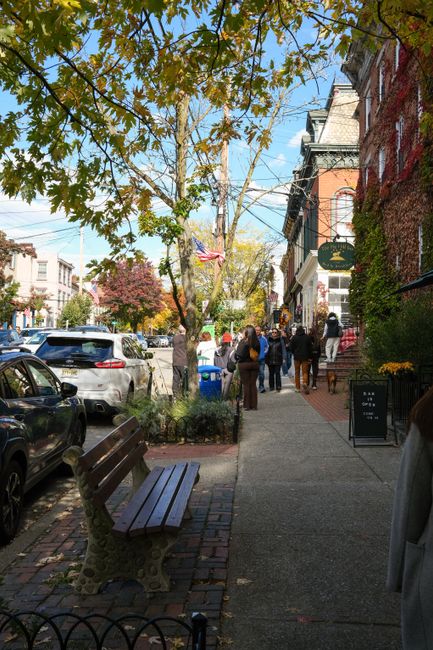
Begin on the Village Green, the open lawn at the center of town. From here, walk along the main streets to see historic buildings, small shops, galleries, and cafés. The compact center is one of the easiest places to enjoy things to do in Woodstock Vermont without needing a car.
Allow an hour or two for a relaxed first look. Shops and restaurants may have different hours by season, and weekends can feel busier than weekdays.
Tip 2 – Cross the Middle Covered Bridge
The Middle Covered Bridge sits close to the village center and is one of Woodstock’s best-known landmarks. Walk across it for a close look at its timber construction, then view it from the riverbank for photos.
Take care around traffic and use the pedestrian area where available. The bridge is a working road crossing, not a closed museum exhibit, so pause only where it is safe to do so.
Tip 3 – Visit Billings Farm & Museum
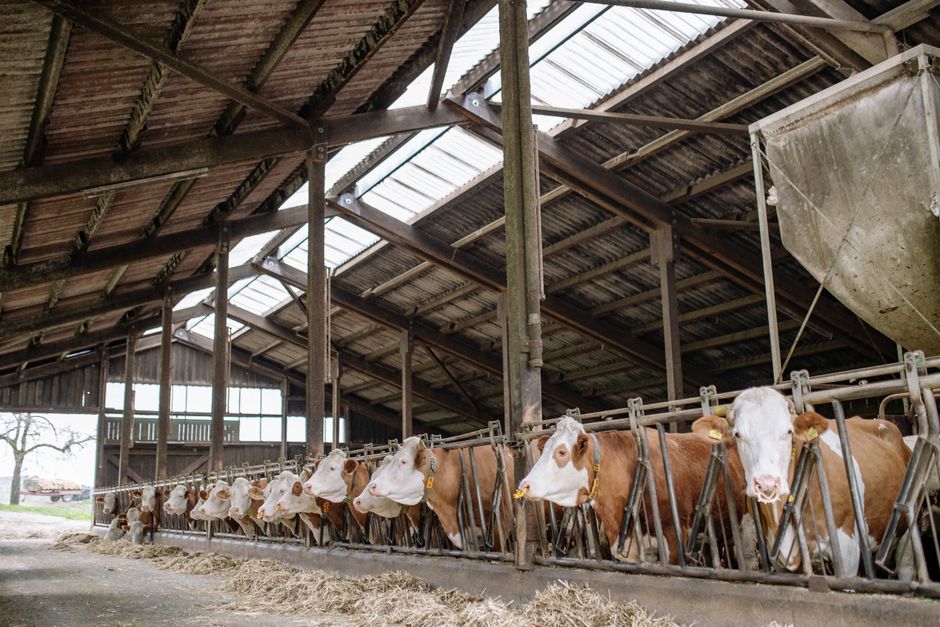
Billings Farm & Museum offers a hands-on introduction to Vermont farm life, with farm animals, historic exhibits, and seasonal activities. It is a strong choice for families and anyone interested in the region’s agricultural history.
Allow a few hours, especially if you plan to see the exhibits and spend time outdoors. Check the farm’s calendar and admission details before visiting, since activities and opening days change throughout the year.
Tip 4 – Explore Marsh-Billings-Rockefeller National Historical Park
This national park preserves a historic estate and tells the story of conservation in the United States. Visitors can learn about the house, the grounds, and the history of forest management in Vermont.
Some experiences require advance planning or operate seasonally. Check the National Park Service visitor information for Marsh-Billings-Rockefeller for current tour schedules, trail details, and access information.
Tip 5 – Walk or hike on Mount Tom
Mount Tom’s trails rise above the village and reward hikers with woodland scenery and views over Woodstock. The route can be steep and uneven in places, so wear shoes with good grip and bring water.
Trail conditions vary with weather. In winter or after rain, expect slippery sections and check local updates before you go. Stay on marked paths to protect the landscape and avoid damaging fragile ground.
Tip 6 – Browse local shops and galleries
Woodstock’s village has independent shops, art galleries, and specialty stores that make for an easy afternoon stop. You may find local crafts, clothing, books, food gifts, and Vermont-made products.
Prices can be higher than at large chain stores, which is part of the trade-off of shopping in a small tourist town. If you have a particular shop in mind, confirm its hours before making a special trip.
Tip 7 – Make time for the Quechee Gorge

Quechee Gorge is a dramatic river gorge near Woodstock, in the town of Quechee. A roadside viewpoint offers a quick stop, while nearby trails provide a longer walk and a closer look at the landscape.
Use marked paths and keep a safe distance from steep edges. The gorge is an easy addition to a Woodstock itinerary by car, but allow extra time during busy fall weekends when parking and roads can be crowded.
Tip 8 – See more covered bridges around town
Beyond the Middle Covered Bridge, the area has other historic bridges worth seeking out, including the Taftsville Covered Bridge. They make a pleasant short drive and offer a glimpse of traditional Vermont engineering.
Check a map before you set off, and remember that some bridges are still used by local traffic. Pull over only in designated or safe places, and do not block driveways or road access for a photo.
Tip 9 – Try local cheese, maple, and farm products
Vermont is known for its dairy and maple products, and Woodstock is a good place to sample them. Look for local cheese, maple syrup, baked goods, and seasonal produce at farm shops, markets, and restaurant menus.
Farm stores may have limited hours or seasonal schedules. If you are driving between stops, keep food purchases cool when needed and check any travel restrictions that apply if you are crossing an international border.
Tip 10 – Plan a meal around Vermont ingredients

Woodstock restaurants often highlight regional ingredients, including dairy, apples, maple, and produce from nearby farms. A sit-down meal is a nice way to slow down after a hike or a day of sightseeing.
Reservations are sensible for popular dinner times, holiday weekends, and peak foliage season. For a casual or lower-cost meal, compare menus and opening hours before choosing a place.
Tip 11 – Visit Sugarbush Farm
Sugarbush Farm, outside the village, is a family-run farm known for maple products and cheese. It gives visitors a closer look at two flavors strongly associated with Vermont.
Because it is outside the walkable center, plan to drive and check the farm’s current visitor information before leaving. Seasonal conditions can affect access, and not every activity is available all year.
Tip 12 – Choose a seasonal outdoor activity
In warmer months, Woodstock is a base for walking, cycling, scenic drives, and time by the river. In winter, nearby ski areas and snowy trails can add another reason to visit, depending on conditions.
Outdoor plans are weather-dependent in Vermont. Check forecasts and trail or resort updates on the day, and have an indoor alternative in mind if rain, ice, or heavy snow changes your plans.
Tip 13 – Take a scenic drive through the countryside

The roads around Woodstock pass farms, forests, hills, and small villages. A leisurely drive can be a rewarding activity in its own right, especially when fall colors are showing.
Allow more time than a map estimate suggests. Rural roads may be narrow, weather can change quickly, and scenic stops are tempting. Pull completely off the road only where it is safe and permitted.
Tip 14 – Visit in autumn for foliage
Fall is a popular time to see the hills and village streets framed by changing leaves. The exact peak varies each year, but September and October are common planning months for foliage trips in Vermont.
Expect higher demand for rooms, restaurants, and parking during peak weekends. Book accommodation early if your dates are fixed, and consider a weekday visit for a quieter experience.
Tip 15 – Enjoy a quieter spring or summer visit
Spring brings muddy trails and changing conditions, while summer offers longer days and a lively outdoor season. Both can be good choices if you want to avoid the biggest autumn crowds.
Spring openings may be limited, so check attraction schedules before traveling. In summer, pack for both warm afternoons and cooler evenings, particularly if you plan to spend time outdoors.
Tip 16 – Make a family-friendly day plan
Families can combine the Village Green, a covered bridge walk, and a visit to Billings Farm & Museum for a manageable day. Add a short trail or a treat stop if everyone still has energy.
Keep travel distances realistic and check whether facilities, restrooms, and activities are open on your visit date. A flexible plan works better than trying to fit every attraction into one day.
Tip 17 – Look for free and lower-cost activities
Walking around the village, viewing the covered bridge, and enjoying public outdoor spaces can make a Woodstock visit more affordable. Hiking is also a low-cost option when trails are open and you have suitable gear.
Some museums, tours, and farm attractions charge admission, and dining or lodging can be costly in peak season. Check current prices in advance and balance paid attractions with free walks and scenic stops.
Tip 18 – Use a car for nearby sights, but park once in town
Woodstock’s center is walkable, while attractions in the surrounding area are spread out. A car is the most practical way to reach many farms, trailheads, and Quechee, though you can leave it parked while exploring the village.
There is no need to drive from shop to shop in the compact center. Check parking signs, avoid blocking private access, and be prepared for winter driving conditions if you visit during snowy months.
Tip 19 – Book key details and check local updates
Reserve lodging early for fall foliage weekends, holidays, and other busy periods. Confirm attraction hours, tour availability, and restaurant reservations directly with each business because schedules can change seasonally.
For general trip inspiration and current local information, visit Woodstock’s official visitor website. If you enjoy planning separate small-town getaways around the United States, you may also like this guide to 20 Fun and Best things to do in spring hill tn.
Tip 20 – Pack for changing weather and rural travel
Bring comfortable walking shoes, layers, a waterproof outer layer, and a refillable water bottle. In winter, pack warm clothing and check whether your rental car is equipped for local road conditions.
Cell service can be less dependable outside town, so download maps for offline use and save your lodging address. Carry any medications you need, and let someone know your route if you are heading onto a longer trail.
Visa & Entry Requirements
Woodstock is in Vermont, United States, so international visitors must meet the United States’ entry requirements. The rules depend on your passport, travel purpose, trip length, and current government policy. A visa waiver or electronic travel authorization may be available to some travelers, while others need a visitor visa. Do not assume that another traveler’s experience applies to you.
Before booking, check the U.S. Department of State visa information and, where relevant, the official ESTA website operated by U.S. Customs and Border Protection. Use official government sources for the latest application steps and eligibility rules. An approved travel authorization or visa does not by itself guarantee admission at the border.
Review your passport’s expiration date and confirm whether the United States’ passport-validity rules for your country require extra validity beyond your planned stay. Blank-page expectations can also depend on your circumstances, so check the current instructions for your application and travel documents. If you need a visa or authorization, apply with enough time for processing and follow the directions given by the relevant U.S. government office.
Be ready to explain your trip and, if requested, show information such as return or onward travel and accommodation plans. These checks can vary and are not a guarantee of entry. Consider travel insurance for medical care, cancellations, or interruptions, since coverage and costs differ by policy.
Vaccination, customs, and permitted-stay rules can change and may depend on your route and passport. Check current public health guidance and U.S. customs instructions before departure. Declare goods when required, and do not carry restricted food, plants, or other items across the border without checking the rules. This is general travel information, not legal advice. Confirm final requirements with the official U.S. government website or the U.S. embassy or consulate responsible for your location.
Quick Reference for Visiting Woodstock
| Travel detail | What to know |
|---|---|
| Location | Central Vermont, United States |
| Best for | Historic village walks, covered bridges, farms, hiking, and scenic drives |
| Getting around | Walk around the village; a car is useful for nearby attractions and countryside trips |
| Busy season | Autumn foliage weekends and major holiday periods |
| Good first stops | Village Green, Middle Covered Bridge, and Billings Farm & Museum |
| Useful planning tip | Check seasonal opening hours, road conditions, and trail updates before setting out |
| Emergency number | Call 911 in the United States for an immediate emergency |
Practical Travel Advice for Woodstock
Local transport and useful tools
Woodstock is a small town, and many visitors find a rental car helpful for exploring beyond the center. Check your route before leaving town, download offline maps, and use current road-condition information during winter weather. Do not assume public transport will take you directly to every farm, trail, or attraction.
For road conditions and travel updates, consult the Vermont Agency of Transportation road conditions page. Keep your accommodation address and any tour reservations saved offline in case mobile reception drops outside the village.
Safety, customs, and emergency information
Woodstock is generally a relaxed destination, but use normal travel awareness. Keep valuables out of sight in a parked car, follow trail signs, and take care near rivers, gorge edges, and roads. Call 911 for police, fire, or medical emergencies in the United States.
Vermont weather can change quickly. Check the forecast before hikes and drives, and avoid entering flooded or icy areas. Be courteous around private property and working farms, and follow posted instructions at historic sites and on trails.
Local phrases and useful etiquette
English is the main language used in Woodstock. A friendly “hello,” “please,” and “thank you” are appreciated. Vermont residents may refer to the state’s rural roads as back roads, and “fall foliage” commonly means the autumn colors that attract seasonal visitors.
Restaurants and shops may have shorter hours than visitors expect, especially outside peak season. Confirm times, arrive on schedule for tours, and ask before photographing people or entering private farm areas.
Frequently Asked Questions About Things to Do in Woodstock Vermont
What are the best things to do in Woodstock Vermont for a first visit?
Start with a walk around the Village Green and Middle Covered Bridge, then visit Billings Farm & Museum or Marsh-Billings-Rockefeller National Historical Park. If you have a car and extra time, add Quechee Gorge or a nearby farm.
How many days should I spend in Woodstock?
One full day is enough to see the village and one or two main attractions. Two or three days give you time for a hike, nearby countryside stops, and a slower meal without rushing.
Do I need a car in Woodstock, Vermont?
You can explore the village center on foot, but a car is useful for reaching attractions and outdoor areas beyond it. Check transport options and schedules before relying on public transit for a rural itinerary.
When is the best time to visit Woodstock?
Autumn is popular for foliage, while summer offers long days for outdoor activities. Spring and winter can be quieter, but weather and seasonal opening schedules may limit some plans.
Is Woodstock a good destination for families?
Yes. The village is easy to explore, and Billings Farm & Museum offers an engaging farm experience. Choose a manageable mix of activities and confirm current programs, opening hours, and ticket details before you go.
Are there free things to do in Woodstock?
Walking through the village, viewing the covered bridges, and enjoying suitable public trails can be low-cost ways to spend time. Some historic sites, museums, and farm attractions charge admission, so check current prices before visiting.
What should I not miss when planning things to do in Woodstock Vermont?
Do not plan only around the village center if you have a car and enough time. Nearby places such as Quechee Gorge and local farms add variety. The most common mistake is arriving without checking seasonal hours or assuming every attraction is open daily.
Conclusion
The best things to do in Woodstock Vermont combine a walkable historic village with farms, forest trails, covered bridges, and scenic drives. You can fill a day with a few central sights or stay longer to explore the surrounding countryside at a more relaxed pace.
Plan around the season, confirm opening hours, and allow extra time for rural roads and weather. With a little preparation, Woodstock makes a welcoming base for discovering the character of central Vermont.
