
Key Takeaways
- Explore Parikia’s old town and the historic Panagia Ekatontapiliani
- Enjoy Naoussa’s harbor evenings with fresh seafood
- Pick beaches—Golden, Santa Maria, Kolymbithres—based on wind and facilities
- Plan transport early: buses, ferries, rentals and check seasonal schedules
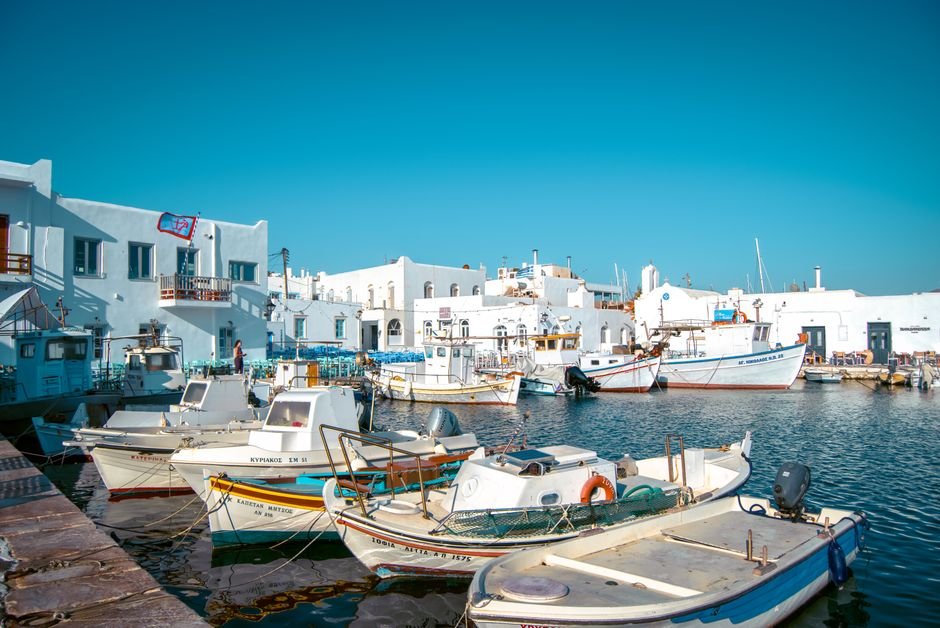
things to do in paros greece range from swimming at sheltered beaches to wandering whitewashed villages and eating fresh seafood by the harbor. Paros is a Cyclades island in Greece, with ferry connections, lively seaside towns, and quieter inland villages.
First-time visitors often split their stay between Parikia, the main port, and Naoussa, a popular fishing village with busy evenings. The island is easy to enjoy at a relaxed pace, but distances between beaches and villages mean that planning your transport can make a big difference.
This guide covers the best places to visit, local food, beach days, practical transport, and useful details for planning a trip to Paros, Greece.
20 Things to Do in Paros Greece
Tip 1 – Explore Parikia’s old town
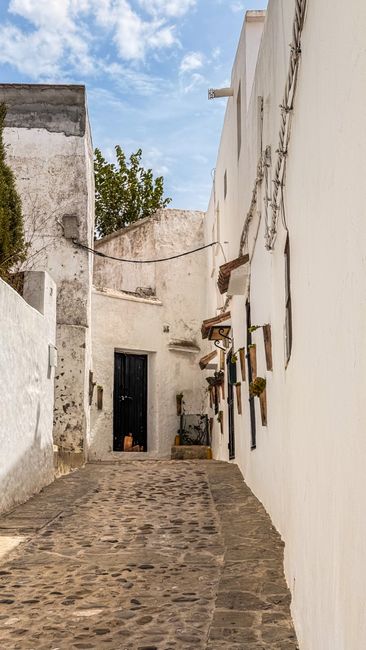
Parikia is the island’s main port and a good place to start. Its old town has narrow lanes, whitewashed houses, small shops, and shaded corners where you can pause for a drink. Wander without a fixed route, but keep an eye on ferry times if you are exploring before departure.
The Church of Panagia Ekatontapiliani, also called the Church of 100 Doors, is one of the island’s best-known historic sites. Dress respectfully if you visit a place of worship, and check opening hours locally because they can vary.
Tip 2 – Spend an evening in Naoussa
Naoussa is known for its harbor, old fishing boats, waterfront restaurants, and lively bars. Come in the late afternoon to see the village in daylight, then stay for dinner or a walk after sunset. The center gets busy in high summer, and popular tables may need to be booked ahead.
Naoussa is charming, but it is not the quietest base during peak season. If you want a more peaceful evening, consider staying in another part of the island and visiting for a few hours.
Tip 3 – Choose a beach that suits your day

Paros has beaches for different moods. Golden Beach is popular for watersports, Santa Maria has a wide sandy shore and facilities, and Kolymbithres is known for its unusual smooth rock formations and small coves. Check wind and sea conditions before choosing a beach, especially if you are traveling with children.
Some beaches have sunbeds and food nearby, while others have limited facilities. Bring water, sun protection, and a bag for your rubbish if you plan to spend time at a quieter cove.
Tip 4 – Walk the old lanes of Lefkes
Lefkes sits inland in the hills and offers a change from the island’s beach towns. Its lanes pass traditional houses, small churches, and tavernas, with views across the surrounding landscape. Visit in the morning or later in the day to avoid the strongest heat.
The Byzantine Road, an old stone-paved route between Lefkes and Prodromos, is a rewarding walk for visitors who are comfortable on uneven ground. Wear shoes with grip, carry water, and check the weather before setting out.
Tip 5 – Visit the Panagia Ekatontapiliani
This important church complex in Parikia is a worthwhile stop for its history and distinctive architecture. It is close to the port and town center, so it can fit easily into a walking tour. Allow time to look around quietly rather than treating it as a quick photo stop.
Opening arrangements can change, and some areas may be closed during services. Check local notices when you arrive and follow any photography rules displayed at the site.
Tip 6 – Take a boat trip around the coast
Boat trips from Paros can visit nearby coves, sea caves, and beaches that are harder to reach by road. Some excursions include swimming stops or a visit to Antiparos. Compare the route, trip length, and what is included before booking, since tours differ considerably.
Wind can affect sailing conditions and itineraries. If you are prone to seasickness, bring any suitable remedies you normally use and choose a shorter trip if you are unsure how you will feel.
Tip 7 – Make time for Antiparos
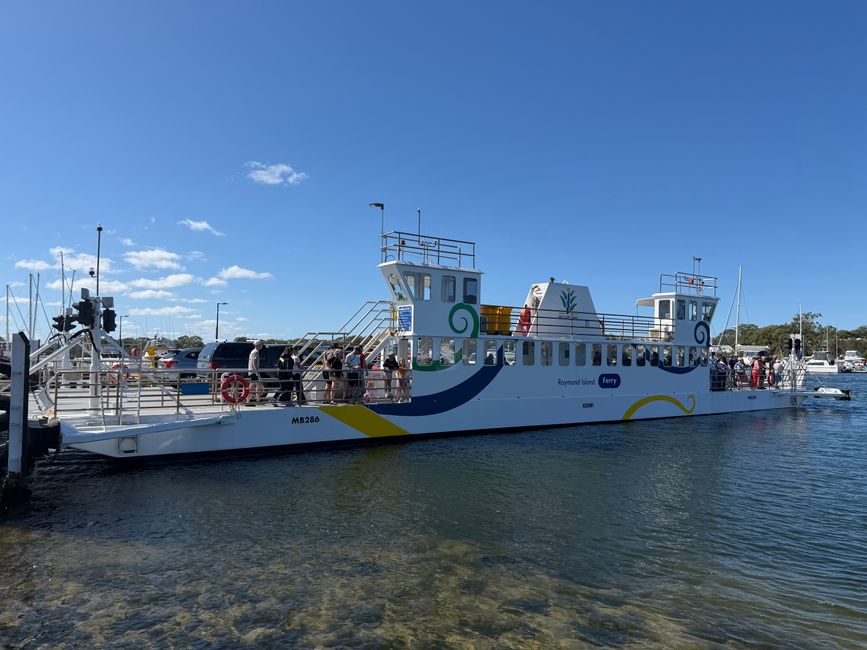
Antiparos is a small island just off Paros, reached by ferry from Pounta or by passenger boat from Parikia during the season. Its compact main town is pleasant for a stroll, and the island also has beaches and the well-known Cave of Antiparos.
Check ferry times before you go, particularly outside the busiest months. If you plan to visit the cave, confirm its opening schedule and bring shoes suitable for steps and uneven surfaces.
Tip 8 – Try local dishes and island produce
Look for Parian cheeses such as mizithra and xinomizithra, local seafood, seasonal vegetables, and dishes made with chickpeas. Menus change with the season, so asking what is fresh that day can lead to a better meal than choosing only familiar items.
For a simple lunch, try a bakery pie or a meal at a family-run taverna away from the busiest waterfront streets. If you have allergies or dietary needs, explain them clearly and confirm ingredients before ordering.
Tip 9 – See the ancient marble quarries at Marathi
Paros was famous in antiquity for its fine marble, and the old quarries near Marathi offer a glimpse into that history. The site is not a polished museum, so expect a more rugged visit. Wear sturdy shoes, bring water, and do not enter restricted or unsafe areas.
Pair the visit with a stop in a nearby village or a scenic drive, but avoid leaving valuables visible in a parked vehicle. Check local guidance about access before making a special trip.
Tip 10 – Watch the sunset from a different angle
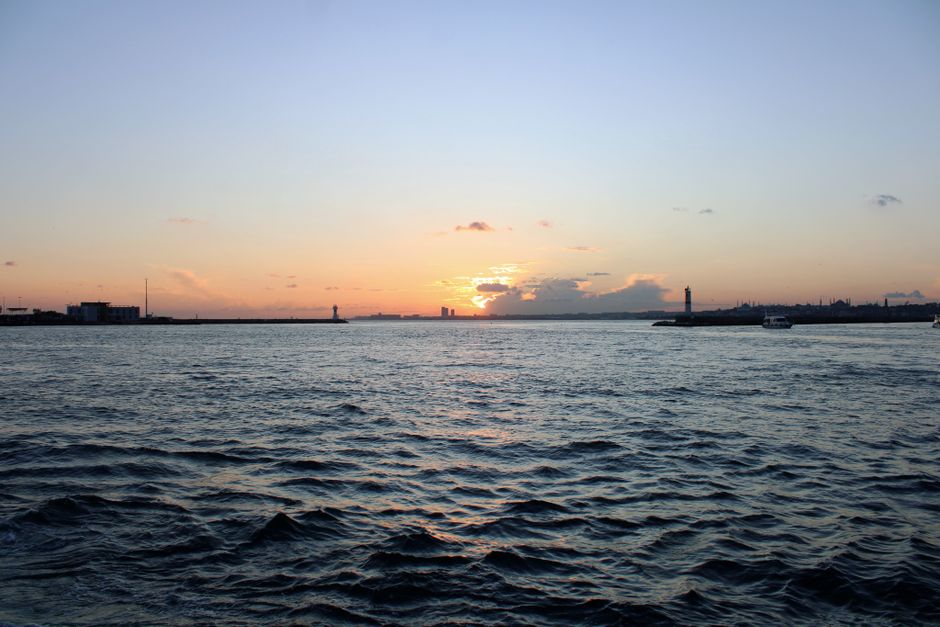
Parikia’s waterfront and the harbor area in Naoussa are easy places to enjoy the evening light. For a quieter view, look for a safe spot along the coast or choose a taverna terrace facing west. Arrive early in peak season if you want a front-row table.
Do not climb onto unstable rocks or approach the edge for a photograph. The best sunset is not worth a risky step, especially when the rocks are wet or the light is fading.
Tip 11 – Spend a few hours at Golden Beach
Golden Beach, or Chrissi Akti, is a long sandy beach on the southeast coast. It is especially popular with windsurfers and kitesurfers, while visitors who prefer a slower day can swim or relax on the sand. Conditions vary, so check wind forecasts before planning a watersports session.
Some sections have beach services, but you may want to bring snacks and water if you are staying for several hours. Keep an eye on children and follow any flags or instructions from watersports operators.
Tip 12 – Walk around the harbor and castle area in Naoussa
Naoussa’s small harbor is a natural place to wander, with fishing boats, cafes, and views across the water. The remains of a Venetian-era fortification sit by the harbor entrance. The area is compact, so it is easy to combine with a meal or an evening stroll through the village.
Expect crowds in July and August, especially after dark. Visit earlier in the day if you would rather browse the lanes at a quieter pace.
Tip 13 – Find a quiet inland village

Beyond the main resort areas, villages such as Prodromos and Marpissa offer a slower look at everyday island life. Take time to notice the courtyards, churches, and small local cafes. These villages are best explored on foot, so park considerately and keep noise low in residential streets.
Some shops and cafes may close between busy meal periods or outside the main season. Carry water and check return transport before you set off, especially if you are not driving.
Tip 14 – Choose your base with transport in mind
Parikia works well for ferry arrivals, bus connections, and travelers who want services nearby. Naoussa suits visitors looking for restaurants and nightlife. Staying near a beach can be relaxing, but it may mean relying more on a rental vehicle or seasonal bus routes.
Before booking accommodation, check how far it is from a bus stop, supermarket, and the places you plan to visit. A low nightly rate may not be a bargain if you need frequent taxis or long transfers.
Tip 15 – Use buses for popular routes
Paros has local bus services linking major towns and some beaches, but timetables and frequencies can change by season. Check the current schedule at the bus station or through official local information once you arrive. In high season, buses can be crowded, so allow extra time.
For ferry information and island connections, check your operator directly. Blue Star Ferries’ official site lists services and booking information for its routes, but schedules may change due to season or weather.
Tip 16 – Rent a car or scooter only if it fits your plans
A rental vehicle can make it easier to reach scattered beaches and inland villages. Roads can be narrow, parking is limited in busy towns, and summer traffic can be stressful. If you are not confident driving a scooter, choose another way to get around.
Confirm that your driving licence is accepted, understand the insurance terms, and inspect the vehicle before leaving. Never drive after drinking, and use a helmet whenever required and appropriate.
Tip 17 – Plan a family-friendly beach day
Families may prefer beaches with easy access, shade options, and nearby facilities. Ask locally about current sea conditions and choose a sheltered spot when the wind is strong. Pack drinking water, hats, sun protection, and a change of clothes for children.
Not every beach has lifeguards or dependable shade. Keep children within sight near the water and do not assume that a calm-looking sea is safe in changing conditions.
Tip 18 – Save money without missing the island’s character
Traveling outside July and August can mean lower accommodation costs and a calmer feel, although some seasonal businesses may have reduced hours. For a budget beach day, bring snacks from a local bakery and use public buses where routes suit your plans.
Compare accommodation locations as well as prices, and check whether breakfast, transfers, or parking are included. A few simple meals from a bakery or grocery shop can balance out a special dinner by the water.
Tip 19 – Match your visit to the season
Late spring and early autumn often bring warm weather with fewer peak-season crowds, though conditions vary year to year. Summer is lively and has the broadest choice of services, but rooms, ferries, and popular restaurants can book up early. Winter is much quieter, with fewer tourist services operating.
Check ferry schedules and accommodation availability for your exact dates rather than relying on last year’s information. The island can be windy, and ferry journeys may be affected by weather.
Tip 20 – Avoid the most common planning mistake
A common mistake is trying to see every beach and village in a short stay without allowing for travel time. Paros may look small on a map, but roads, traffic, bus connections, and ferry schedules shape how much you can comfortably do in one day.
Choose a few areas each day, leave room for a long lunch or a swim, and confirm your return transport. For more ideas for a relaxed coastal trip elsewhere, see this guide to Things to do in todos santos.
Quick Reference for Visiting Paros
| Topic | Useful detail |
|---|---|
| Country and location | Paros is a Cyclades island in Greece. |
| Main arrival point | Parikia is the island’s main ferry port. |
| Good bases | Parikia for transport and services, Naoussa for a lively harbor atmosphere, or a beach area for a quieter stay. |
| Getting around | Use seasonal buses for main routes, or consider a rental vehicle for more remote stops. |
| Good first-time activities | Explore Parikia, visit Naoussa, swim at a beach, and take a trip to Lefkes or Antiparos. |
| What to pack | Sun protection, comfortable walking shoes, swimwear, a reusable water bottle, and a light layer for breezy evenings. |
| Emergency number | Call 112 for emergency assistance in Greece and across the European Union. |
Practical Travel Advice for Paros
Local customs and useful Greek phrases
Greece uses the euro. Cards are widely accepted in tourist areas, but carrying a little cash can help in small shops or for minor purchases. Ask before photographing people, respect quiet areas around churches, and keep beaches and village streets clean.
A few simple Greek phrases can make everyday interactions friendlier. “Kalimera” means good morning, “efharisto” means thank you, and “parakalo” can mean please or you’re welcome. English is common in many visitor-facing businesses, but it is still appreciated when travelers make an effort.
Safety, useful apps, and emergency help
Paros is a popular visitor destination, but use ordinary care. Keep an eye on belongings in crowded areas, take care on uneven lanes, and use licensed transport. On beaches, follow local signs and check wind and sea conditions. Save your accommodation address and ferry details offline in case mobile coverage is weak.
Use a maps app for directions, your ferry operator’s app or website for booking updates, and a weather app for wind forecasts. Call 112 for emergencies in Greece. The European Commission explains how the 112 emergency number works.
What to pack and book ahead
Pack light, breathable clothes, walking shoes with grip, sun protection, swimwear, and a light layer for evenings. A reusable water bottle is useful, and a small day bag makes beach and village visits easier. If you plan to hike, bring suitable footwear and more water than you expect to need.
Book accommodation and ferry tickets ahead for peak summer dates. Reserve a rental car early if you need one, and consider booking popular restaurants or boat trips in advance. For official destination inspiration and basic trip information, see Visit Greece’s Paros guide.
Visa & Entry Requirements
Paros is part of Greece, and Greece is in the Schengen Area. Entry requirements are not the same for every traveler. Visa rules, passport-validity requirements, permitted length of stay, and any electronic travel authorization depend on the passport you hold and the government policies in effect on your travel dates. Rules can also differ for short visits, work, study, or residence.
Before booking or traveling, check the Greek Ministry of Foreign Affairs’ official visa information and the European Commission’s Schengen visa policy. If the information does not clearly cover your situation, contact the Greek embassy or consulate responsible for your place of residence. Official requirements can change, so check again close to departure.
Confirm that your passport will remain valid for the period required for your circumstances and that it has any necessary blank pages. Check whether you need a visa or electronic authorization, and whether your planned stay fits the permitted period. Do not assume that a rule applying to one passport applies to another.
Border officials may ask about your return or onward travel, accommodation, or the purpose and duration of your visit. Keep booking details accessible. Travel insurance is a practical safeguard, though the coverage you need depends on your plans and personal circumstances.
Vaccination requirements, if any, depend on current public-health policy and your travel history. Check official health guidance before departure rather than relying on old travel advice. Customs rules also depend on what you bring into Greece, where you are arriving from, and applicable allowances. Declare goods when required and review current official customs guidance for restricted or taxable items.
This is general trip-planning information, not legal advice or a guarantee of entry. Final decisions and requirements come from the relevant Greek authorities and border officials. Recheck official sources before travel, especially if your itinerary or passport changes.
FAQs About Things to Do in Paros Greece
How many days do you need in Paros?
Three or four days is enough for a first visit that includes Parikia, Naoussa, a few beaches, and one inland village. A longer stay gives you time to add Antiparos, boat trips, and slower beach days without rushing between places.
What are the best things to do in Paros Greece for first-time visitors?
Start with Parikia’s old town and Panagia Ekatontapiliani, spend an evening in Naoussa, and choose a beach that matches your plans. If you have time, visit Lefkes or take a day trip to Antiparos.
Is Paros easy to get around without a car?
It can be, especially if you stay in Parikia or Naoussa and use buses for the main routes. Bus schedules vary by season, and some quieter beaches and villages are less convenient without a vehicle. Check current routes before choosing your accommodation.
When is the best time to visit Paros?
Late spring and early autumn can offer a pleasant balance of warm weather and fewer crowds. July and August are the busiest months, with more activity but higher demand for accommodation and transport. Check seasonal ferry and business schedules if visiting outside summer.
Is Paros suitable for families?
Yes, families can enjoy its beaches, harbor towns, boat trips, and village walks. Choose beaches based on access, facilities, and current sea conditions, and keep children supervised near the water. Not every beach has lifeguards or shade.
Do I need to book ferries to Paros in advance?
Booking ahead is sensible for busy summer dates, popular sailing times, or travel with a vehicle. Check the ferry operator’s current schedule and keep an eye on messages about weather-related changes. Leave enough time between a ferry arrival and any onward reservation.
What is the most common mistake visitors make in Paros?
Trying to fit too many beaches and villages into one day is a common mistake. Allow time for road travel, parking, bus connections, and ferry schedules. A smaller plan often makes a visit more enjoyable.
Conclusion: Make Time for the Best of Paros
The best things to do in Paros Greece combine easy pleasures with a little planning: stroll Parikia’s old lanes, enjoy an evening in Naoussa, swim at a beach that suits the day, and make time for inland villages such as Lefkes. Add local food and a visit to Antiparos if your schedule allows.
Choose your base according to how you want to travel, check transport details for your dates, and avoid packing too much into each day. With time for a swim, a meal, and an unhurried walk, Paros is a rewarding introduction to the Cyclades in Greece.
