
Key Takeaways
- Dublin's compact centre lets you walk between historic sites and green parks.
- Mix free attractions like parks and museums with paid experiences such as the Book of Kells.
- Use public transport (buses, Luas, DART) for coastal trips to Howth or Dún Laoghaire.
- Plan ahead for popular tickets, accommodation and seasonal weather.
fun things to do in dublin range from exploring centuries-old streets to listening to live music in a neighborhood pub. Ireland’s capital is compact, welcoming, and easy to explore on foot, with coastal scenery and green parks close to the city centre.
First-time visitors can mix famous sights such as Trinity College and the Guinness Storehouse with relaxed walks, local food, and time by the River Liffey. Dublin is lively, but it can also be expensive, especially for accommodation and popular attractions, so a little planning helps.
This guide brings together practical ideas for different budgets and travel styles, along with tips on transport, the best time to visit, and what to book ahead. Opening times, ticket prices, and transport schedules can change, so check official websites before you go.
Quick Guide to Fun Things to Do in Dublin
| Plan | Useful information |
|---|---|
| Best for first-time visitors | Trinity College, Dublin Castle, a walk along the Liffey, and one well-chosen museum or tasting experience |
| Best for a scenic break | Take the DART to Howth or Dún Laoghaire for coastal walks and sea views |
| Good for families | Phoenix Park, Dublin Zoo, and the free national museums |
| Best value | Explore parks, historic streets, and free museums, then set a budget for paid attractions |
| Getting around | Walk in the centre, and use buses, Luas trams, or DART trains for longer journeys |
| Plan ahead for | Accommodation, the Book of Kells, the Guinness Storehouse, and busy restaurant evenings |
20 Fun Things to Do in Dublin
Tip 1 – See Trinity College and the Book of Kells

Trinity College is one of Dublin’s most memorable historic sites. The Book of Kells Experience introduces visitors to the famous illuminated manuscript and the college’s Old Library. Allow time for the exhibition as well as a walk around the campus, which is still an active university.
Book a timed ticket in advance, especially for weekends and holiday periods. The experience is popular and can feel busy, so an early visit may be more comfortable. Check the college’s official site for current access, ticket information, and any changes to the library displays.
Tip 2 – Visit Dublin Castle and its gardens
Dublin Castle has served many roles throughout the city’s history, and its rooms and grounds offer a useful introduction to Ireland’s past. Join a guided tour if you want to see the State Apartments and learn more about the site. If you are short on time, the gardens are a pleasant place to pause between nearby attractions.
Opening arrangements can vary, including when official events are taking place. Check access before setting off, and combine the visit with Christ Church Cathedral or the nearby Chester Beatty collection.
Tip 3 – Tour the Guinness Storehouse
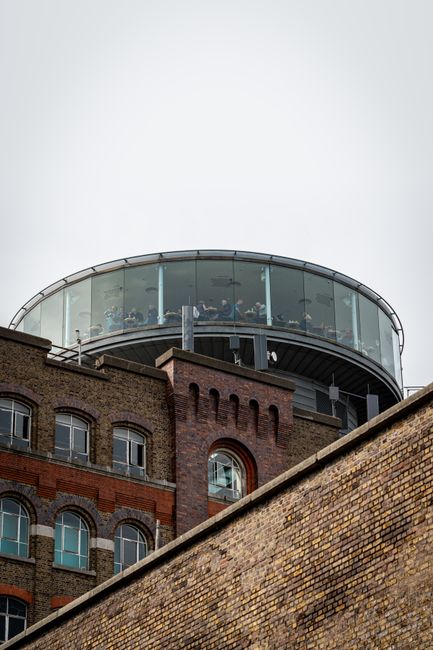
The Guinness Storehouse explains the history and brewing of one of Ireland’s best-known exports. The self-guided visit includes interactive exhibits, and the rooftop Gravity Bar has wide views across Dublin. You do not need to drink alcohol to enjoy the exhibits, and non-alcoholic options are available.
Reserve a timed entry online, particularly during summer and school holidays. The site is a short walk from the city centre, but allow extra time for the full visit. Check the Guinness Storehouse visitor information for current tickets and opening details.
Tip 4 – Walk through Temple Bar, then explore beyond it
Temple Bar is known for its pubs, music, and colourful streets. It is worth seeing, particularly if you enjoy busy nightlife, but it is also one of the city’s most expensive areas for food and drinks. Go for a look around, then compare menus and prices before choosing where to spend the evening.
For a more varied view of central Dublin, continue towards Dame Street, the Creative Quarter, or the streets around South William Street. Visit at different times of day to see how the area changes from a daytime arts district to a lively evening destination.
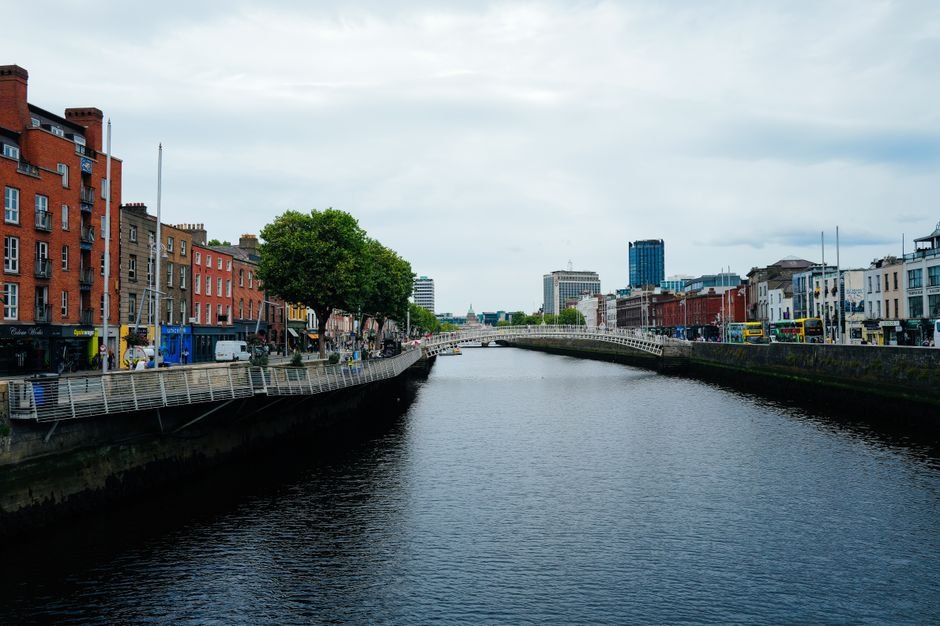
Tip 5 – Cross the Ha’penny Bridge and follow the River Liffey
The Ha’penny Bridge is a small but familiar landmark in the heart of Dublin. Walk across it, then follow the River Liffey along either bank to see bridges, historic buildings, and everyday city life. It is an easy, free activity that fits naturally between central sights.
Take care around busy roads and cycle lanes when stopping for photographs. The river walk is most enjoyable when you leave enough time to wander rather than treating it as a quick checklist stop.
Tip 6 – Browse the National Museum of Ireland
The National Museum of Ireland has several branches, including the Museum of Archaeology on Kildare Street and the Museum of Decorative Arts and History at Collins Barracks. The archaeology collection is a good place to learn about Ireland’s ancient objects and history. Admission to many national museum exhibitions is free, though special arrangements may apply.
Choose the branch that suits your interests and check its opening hours before you go. A museum visit is also a useful option on a rainy day, which is always possible in Dublin.
Tip 7 – Spend time in St Stephen’s Green
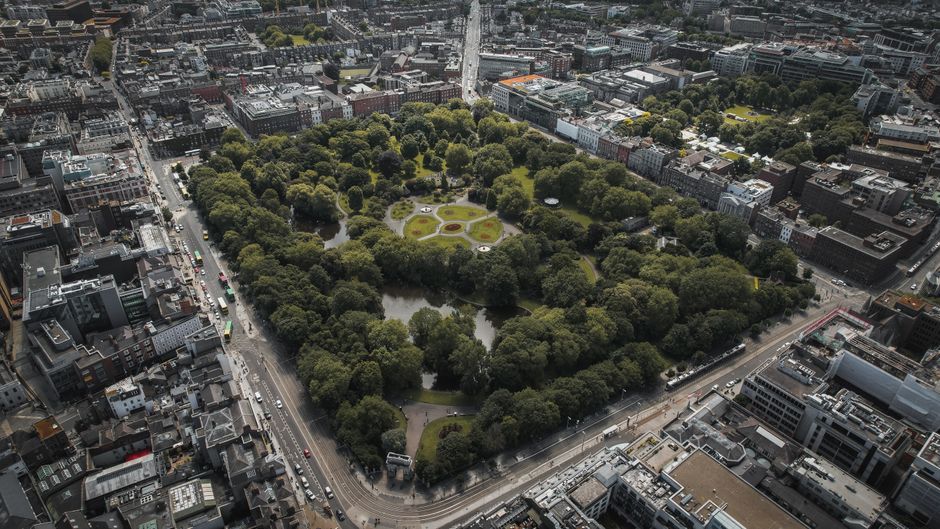
St Stephen’s Green is a central park with lawns, paths, flower beds, and a small lake. It is a refreshing stop after a morning of sightseeing and an easy place to slow down without leaving the city centre. The park is especially pleasant in spring and summer, though its paths are useful in every season.
Pair it with a stroll along Grafton Street or a visit to nearby museums. Keep an eye on the weather, and bring a light waterproof layer if you plan to sit outside.
Tip 8 – Explore Phoenix Park
Phoenix Park is one of Europe’s largest enclosed city parks and offers a striking contrast to the busy centre. You can walk or cycle along its paths, visit the People’s Flower Gardens, and look out for the park’s well-known deer. The deer are wild animals, so admire them from a respectful distance and do not feed them.
The park is large, so decide which entrance and area you want to visit before travelling. Dublin Zoo is also inside the park and needs a separate ticket. Check the zoo’s official website for current visiting information if you plan to include it.
Tip 9 – Take the DART to Howth
Howth is a popular seaside destination on Dublin Bay, with a harbour, seafood restaurants, and walking routes. The DART train makes it a straightforward trip from central Dublin. If you are planning a cliff walk, choose a route that matches your fitness and check local conditions before leaving the village.
Wind and rain can make exposed paths uncomfortable, and some routes may be affected by maintenance or safety closures. Wear shoes with good grip, carry water, and avoid getting too close to cliff edges.
Tip 10 – Enjoy the coast at Dún Laoghaire

Dún Laoghaire is another easy coastal outing from the city. Walk along the pier, watch boats in the harbour, or browse the cafés and shops near the waterfront. The DART journey itself is scenic in places and gives you a glimpse of the coastline beyond the centre.
Check the weather before you go, as the pier can be breezy even on a bright day. If you want a longer outing, look into nearby coastal paths and make sure your return train time suits your plans.
Tip 11 – Try Irish food at a local market or restaurant
Dublin’s food scene includes traditional Irish dishes, casual cafés, bakeries, and international cooking. Look for seasonal menus featuring ingredients such as seafood, potatoes, and local meat, or try a full Irish breakfast if you want a substantial start to the day. Food markets and independent cafés can be a good way to sample a few things without booking a formal meal.
Restaurants in popular areas can fill up at dinner time, so reserve ahead for a special meal. If you have dietary needs, contact the restaurant before visiting rather than assuming every menu can accommodate them.
Tip 12 – Listen to live music, with a little local awareness
Live music is part of Dublin’s appeal, from traditional sessions to contemporary gigs. Pubs around the centre often advertise music, while venues across the city host ticketed performances. Ask staff whether a session is scheduled, since music times and formats vary from place to place.
A lively pub can be fun, but it may be crowded and noisy. If you want to hear the music clearly, arrive early, check venue details, and remember that ordering a drink is not a requirement for enjoying every public performance.
Tip 13 – Discover the city’s literary history

Dublin has strong connections to writers including James Joyce, Oscar Wilde, and Samuel Beckett. You can visit literary landmarks, browse bookshops, or take a walking tour focused on the city’s writers and stories. The Museum of Literature Ireland is another option for visitors who want a more structured introduction.
You do not need to know the books in advance to enjoy the atmosphere and history. Choose one or two places that interest you rather than trying to cover every literary site in a single day.
Tip 14 – See the city from a bus or walking tour
A guided walking tour can help you understand Dublin’s history and layout, especially early in your stay. A hop-on, hop-off bus may suit visitors who want to cover several distant sights or have limited mobility, but compare the route and price with public transport before buying a ticket.
Check what is included, how long the ticket lasts, and whether the tour visits the attractions you actually want to see. Walking tours are usually more enjoyable in comfortable shoes and with a light rain jacket.
Tip 15 – Use buses, the Luas, and the DART thoughtfully
Dublin is easy to explore on foot in the centre, but public transport helps with longer journeys. The Luas tram has two lines, while the DART serves coastal communities and commuter rail routes. City buses reach many neighbourhoods, though traffic can affect journey times.
Check current routes, fares, and payment options through Transport for Ireland. Plan your route before boarding, and allow extra time during busy commuting periods. Do not assume that every service runs late at night.
Tip 16 – Choose a neighbourhood beyond the main sights
Spend some time in areas such as Portobello, Stoneybatter, or Rathmines to see a different side of Dublin. These neighbourhoods have cafés, restaurants, shops, and local streets that feel distinct from the central tourist areas. Each one has its own character, so choose based on where you are staying and what you enjoy.
Keep realistic expectations: neighbourhoods are lived-in places, not attractions designed only for visitors. Be considerate when taking photos, keep noise down late at night, and support local businesses when you stop for food or coffee.
Tip 17 – Make room for a free or low-cost day
Not every memorable Dublin experience needs a paid ticket. Walk through the city centre, spend time in St Stephen’s Green or Phoenix Park, browse the public areas of historic districts, and check out free museum admission. A self-guided walk can help balance the cost of paid attractions and meals.
Some exhibitions, tours, and special events do charge admission, so check details before travelling across town. If you are planning several paid visits, compare the full cost of individual tickets with any current visitor passes and read the inclusions carefully.
Tip 18 – Plan for children and mixed-age groups
Families can combine outdoor time at Phoenix Park with Dublin Zoo, choose an age-appropriate museum, or break up sightseeing with a playground and café stop. Shorter visits often work better than trying to fit multiple major attractions into one day. Check accessibility, child ticket rules, and facilities directly with each venue.
For a relaxed family day, leave room for snacks, toilets, and changes in weather. Public transport and busy pavements can be tiring for younger children, so choose a central base or plan a simple route with rest stops.
Tip 19 – Book key experiences and accommodation early
Dublin’s popular attractions and central hotels can be busy, especially during summer, major events, and holiday periods. Book accommodation as early as your plans allow, and reserve timed-entry attractions such as the Book of Kells or Guinness Storehouse when you have fixed dates.
Before paying, check cancellation terms, arrival times, and the location of your accommodation. A cheaper room far from the centre may not be a saving if it adds lengthy journeys or late-night transport costs.
Tip 20 – Avoid the most common Dublin tourist mistake
A common mistake is trying to see too much of Dublin in one day, then spending most of the visit moving between attractions. The city centre is walkable, but museums, coastal trips, and parks take time. Pick a small number of priorities and leave space for a meal, a rest, or an unexpected shower.
Another easy misstep is assuming Temple Bar is the only place for music, food, or nightlife. Explore other streets and neighbourhoods, compare prices, and ask locals or your accommodation host for current suggestions.
If you are planning other city breaks, you may also enjoy this guide to 20 Fun and Best things to do in sanford nc.
Visa & Entry Requirements
Entry requirements for Ireland depend on the passport you travel on and the government rules in effect for your trip. Ireland is not part of the Schengen Area, so a Schengen visa does not by itself give permission to enter Ireland. Some travelers need an Irish visa, while others may be able to visit without one. Rules can also differ for short visits, work, study, and transit.
Before booking, check the current guidance on the official Irish immigration website and, where appropriate, contact an Irish embassy or consulate. Confirm whether you need a visa or an electronic travel authorization, and make sure you understand the permitted length and purpose of stay. Do not rely only on advice from a booking site or an old travel forum.
Check your passport’s expiry date and condition well ahead of departure. Passport-validity rules can depend on your nationality and circumstances, and some airlines may apply document checks before boarding. Make sure you have any required blank pages. Keep copies of your travel documents separately from the originals, while protecting personal information.
Depending on your situation, you may be asked to show evidence of return or onward travel, accommodation, or sufficient funds. Travel insurance is not a substitute for entry permission, but it can help with unexpected medical costs or trip disruption. Vaccination requirements, customs rules, and restrictions on bringing goods into Ireland can also change and may depend on where you are arriving from.
Review customs guidance from the relevant Irish authorities if you plan to carry food, medicines, large amounts of cash, or other goods that may be regulated. Requirements are not universal, and no general travel article can confirm your personal eligibility. Check official government information close to departure and again before traveling. This is practical planning information, not legal advice or a guarantee of entry.
FAQs About Fun Things to Do in Dublin
What are the best fun things to do in Dublin for a first visit?
Start with Trinity College and the Book of Kells, Dublin Castle, and a walk along the River Liffey. Add one attraction that matches your interests, such as the Guinness Storehouse, a museum, or a coastal trip to Howth.
How many days should I spend in Dublin?
Two or three days is a useful starting point for central sights, museums, and a neighbourhood visit. Add another day if you want to take a slower pace or include a coastal outing. Travel times and opening hours may affect how much fits into each day.
Is Dublin expensive for visitors?
Dublin can be costly, particularly for accommodation, drinks, and some popular attractions. Save money by walking, visiting free museums and parks, booking accommodation early, and checking prices before choosing restaurants in busy tourist areas.
What are some free things to do in Dublin?
Walk across the Ha’penny Bridge, explore the city centre, relax in St Stephen’s Green, and visit Phoenix Park. Many national museum exhibitions are free, but check current opening and admission information before visiting.
Is Dublin a good city to visit with children?
Yes. Families can enjoy parks, Dublin Zoo, museums, and short walks around the centre. Plan fewer activities each day, check facilities and ticket rules in advance, and allow time for food and rest breaks.
What is the best way to get around Dublin?
Walking works well for many central attractions. Use Dublin buses, the Luas, or the DART for longer trips, and check current routes and fares before travelling. A DART ride is particularly useful for coastal destinations such as Howth and Dún Laoghaire.
When is the best time to visit Dublin?
Late spring and summer generally bring longer daylight hours, but they can also be busy and more expensive. Spring and autumn can offer a quieter city experience. The weather can change in any season, so bring a waterproof layer and check the forecast each day.
Conclusion
The best fun things to do in Dublin depend on what you enjoy, but the city makes it easy to combine history, food, music, green spaces, and coastal scenery. Visit a few major sights, then leave time to explore at a slower pace.
Plan popular tickets and accommodation ahead, check transport and opening information, and dress for changeable weather. A walk through a park or a trip to the coast can be just as memorable as a famous attraction.
With a flexible plan and realistic expectations, you can enjoy fun things to do in Dublin without rushing from one stop to the next. Pick your priorities, explore beyond the busiest streets, and make room for the small moments that give the city its character.
