
Getting There and Getting Around
Lisbon is one of the most accessible European capitals. The city is served by Humberto de Alencar Marques Airport, which receives numerous direct flights from major hubs across the continent and beyond. From the airport, the quickest way to the city centre is the Aerobus or the metro’s red line; both drop you off near the historic Baixa district.
Once inside the city, the public transport network makes a weekend itinerary a breeze. A rechargeable Viva Viva card lets you hop on trams, buses, and metro lines without buying a ticket each time. The iconic Tram 28, which snakes through the narrow streets of Alfama and Graça, is a must‑ride for first‑time visitors, though it can get crowded during peak tourist hours. For those who prefer to explore at their own pace, Lisbon’s compact centre is also very walkable, and many of the main attractions are within a short stroll of each other.
Day One: The Historic Heart of Lisbon
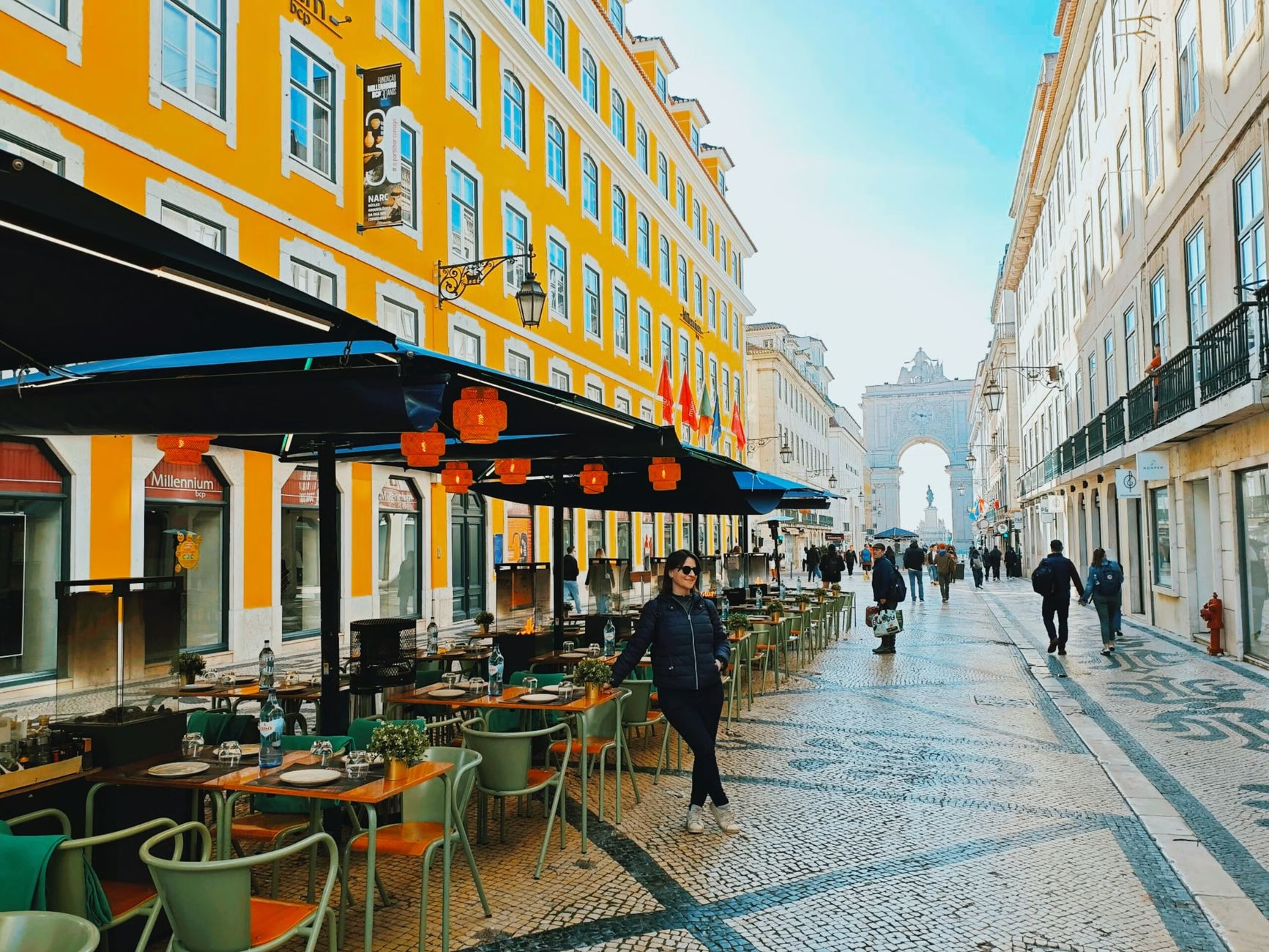
Begin your Saturday morning in the Baixa district, the city’s grand “pombaline” grid that rose after the 1755 earthquake. The wide, marble‑paved Avenida Rua do Ouvidor leads you to the bustling Praça do Comércio, a square that opens directly onto the Tagus River. From here, head up the elegant Rua Augusta to the Santa Justa Lift. The wrought‑iron elevator, designed by a student of Gustave Eiffel, offers a quick ascent to the Carmo Square, where you can enjoy a panoramic view of the red‑tiled rooftops.
Continue your ascent into the labyrinthine streets of Alfama, Lisbon’s oldest quarter. The neighbourhood’s narrow alleys, tiled façades, and hidden courtyards create a timeless atmosphere. Make a stop at the São Vicente de Fora viewpoint for a sweeping vista of the river and the 25 April Bridge. A short walk away, the Lisbon Cathedral (Sé) stands as a quiet reminder of the city’s medieval past.
Midday is the perfect time to explore the Castelo de São Jorge. The castle’s ramparts overlook the city, providing an ideal photo opportunity. Inside the walls, you’ll find a small museum and a few cafés where you can sip a coffee while watching the city buzz below.
After a morning of sightseeing, treat yourself to a traditional lunch in Alfama. A pastelaria serving the famous bacalhau à Brás or a simple grilled sardine plate is a genuine taste of Portuguese cuisine. Follow the meal with a leisurely walk down to the riverfront and cross the historic Commerce Square to the Belém district.
Belém is a treasure trove of monuments from Portugal’s Age of Discovery. The Jerónimos Monastery and the Belém Tower are both UNESCO World Heritage sites and can be admired from the riverside promenade. Before you leave the area, stop at the iconic pastry shop that has been serving the city’s beloved custard tarts for more than a century—just a few minutes’ walk from the monastery.
Day Two: Riverside, Modernity, and Nightlife
Start Sunday with a relaxed stroll along the waterfront of the Parque das Nações, the former Expo 98 site. The area showcases contemporary Lisbon with its sleek architecture, the striking Vasco da Gama Tower, and an ocean‑themed aquarium that’s a hit with families and marine‑life enthusiasts alike. A cable car ride across the river offers a different perspective of the city’s skyline.
From the modern side, hop back onto the metro and head to the historic neighborhood of Bairro Alto. This bohemian quarter is famed for its street art, vintage shops, and a lively atmosphere that ramps up after dark. In the morning, the area is quieter, making it a good spot for a brunch of fresh fruit, eggs, and Portuguese toast.
After brunch, take the short uphill walk to the São Pedro de Alcântara garden. The terraced garden provides one of Lisbon’s best panoramic views, framing the red roofs, the castle, and the river in a single picture‑perfect scene. Nearby, the Chafariz da Rua Nova de Bacalhau is a historic fountain that adds a charming backdrop to a quick coffee break.
As evening approaches, the streets of Bairro Alto transform. The neighborhood’s many tavernas and wine bars come alive with the sound of Fado—a soulful Portuguese genre that tells stories of love, loss, and the sea. Choose a venue that offers a small stage and a cozy setting; many of them serve a modest selection of local wines and petiscos (small plates) that pair perfectly with the music.
Food and Drink: Tasting the City
Lisbon’s culinary scene is a celebration of the sea, the land, and the country’s centuries‑old traditions. While you’ll find international options throughout the city, a few local dishes and treats are essential to a weekend visit.
- Pastéis de nata – buttery, flaky custard tarts best enjoyed warm with a sprinkle of cinnamon.
- Bacalhau – the Portuguese cod appears in countless preparations; try the “à Brás” or the grilled version.
- Sardinhas assadas – grilled sardines, especially popular in the summer months, served with boiled potatoes and salad.
- Petiscos – small plates such as chouriço (smoked sausage), queijo de serra (sheep’s cheese), and marinated olives.
- Ginjinha – a cherry‑flavored liqueur traditionally served in a tiny chocolate cup.
For coffee lovers, the Portuguese “bica” (espresso) is a daily ritual. Pair it with a bolo de bolacha (cookie cake) for a sweet treat that will keep you energized for more exploration.
Where to Stay: Neighborhoods That Capture Lisbon’s Soul
Lisbon offers a range of accommodation styles, from boutique hotels in historic buildings to modern apartments in the riverside district. If you want to be at the heart of the action, the Baixa and Chiado areas provide easy access to major sights, shopping streets, and a lively café culture. For a more residential feel with stunning views, the Alfama and Graça hills host charming guesthouses that often feature rooftop terraces.
Travelers who prefer a contemporary vibe may enjoy staying in Parque das Nações, where high‑rise hotels sit close to the river and public transport. Whatever your preference, booking a place within a short walk of a metro station ensures you can maximize your limited weekend time.
Hidden Gems and Practical Tips
Even a compact weekend can accommodate a few off‑the‑beaten‑path experiences. The Mercado da Ribeira, also known as Time Out Market, gathers the city’s best chefs under one roof, offering a curated food hall where you can sample everything from fresh seafood to gourmet desserts.
Another quiet retreat is the Jardim Botânico da Universidade de Lisboa. Tucked behind the historic university, this botanical garden provides a peaceful escape from the bustling streets.
When planning your itinerary, keep these practical pointers in mind:
- Wear comfortable shoes; Lisbon’s cobblestone streets and steep hills are best explored on foot.
- Buy a Viva Viva card at any metro station; it saves time and offers a small discount on multiple rides.
- Check the opening days of museums and monuments; many close on Mondays.
- Carry a reusable water bottle; the city’s public fountains provide clean drinking water.
- Consider purchasing a “Lisbon Card” if you plan to visit several museums; it includes public transport and entry to many attractions.
Finally, embrace the relaxed Portuguese pace. Take a moment at a street-side café to watch the city’s rhythm, listen to the distant echo of a tram bell, and let Lisbon’s blend of history, culture, and culinary delights make your weekend unforgettable.
