
Key Takeaways
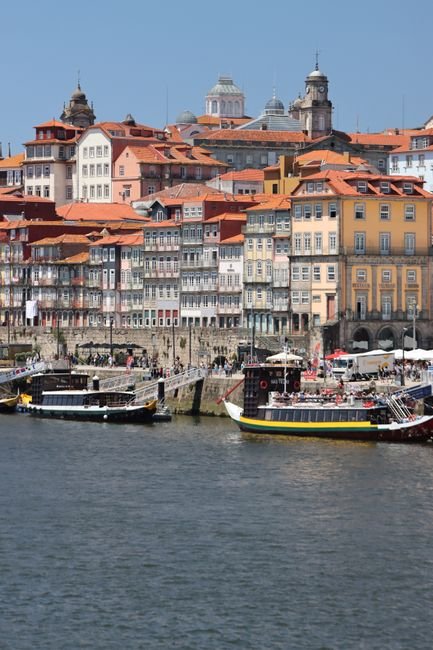
- Explore Ribeira and the Douro waterfront on foot for colorful views
- Cross Dom Luís I Bridge for iconic vistas and easy access to wine lodges
- Taste the francesinha and visit a port wine cellar for authentic local flavor
- Use metro, bus or tram to reach beaches like Foz and Matosinhos efficiently
best things to do in porto include wandering the riverside, tasting port wine, and exploring the historic heart of this welcoming Portuguese city. Porto is compact enough to enjoy on foot, but its steep streets and many different neighborhoods reward a little planning.
Porto sits in northern Portugal on the Douro River. Its tiled churches, old lanes, contemporary food scene, and Atlantic beaches make it a rewarding stop for first-time visitors and returning travelers alike.
This guide covers the highlights, along with practical advice on transport, bookings, local customs, and what to expect. Give yourself at least two full days if you want to see the main sights without rushing.
Best Things to Do in Porto: 20 Tips for Your Visit
| Experience | Where | Useful to know |
|---|---|---|
| Explore the historic center | Baixa and Sé | Wear comfortable shoes for hills and cobbles. |
| See the Douro waterfront | Ribeira and Vila Nova de Gaia | Sunset is popular, so expect crowds. |
| Visit a port wine lodge | Vila Nova de Gaia | Book popular tastings ahead. |
| Take a day trip to the coast | Foz do Douro or Matosinhos | Check the weather before planning a beach day. |
| Get around by metro or bus | Across the city | Check current fares and routes before travel. |
Tip 1 – Walk through Ribeira and along the Douro
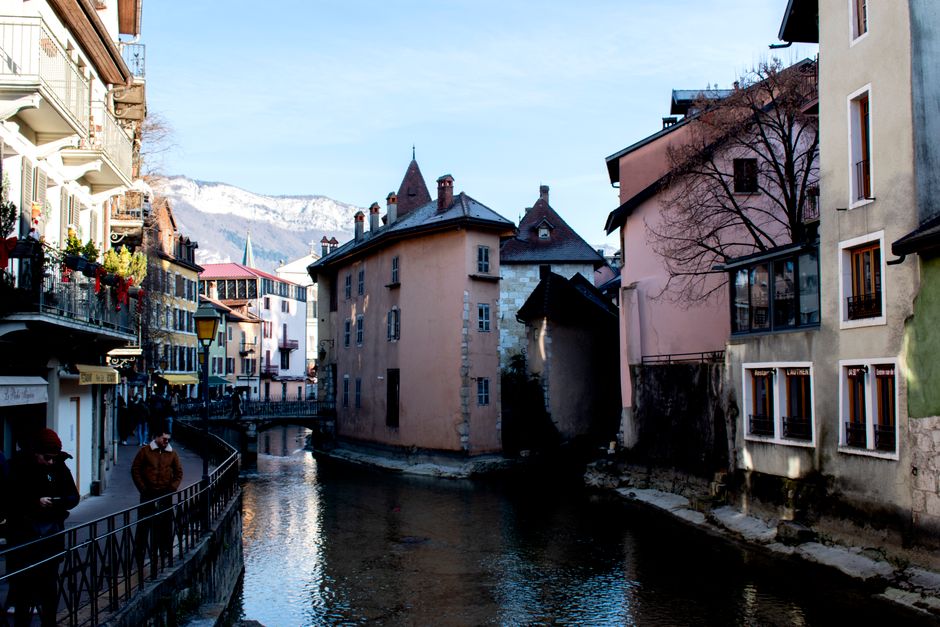
Ribeira is one of the most atmospheric places to start exploring Porto. Its narrow streets open onto a lively waterfront lined with colorful buildings, cafes, and views across the Douro River to Vila Nova de Gaia.
Walk along the river, then head uphill into the lanes behind the waterfront. The area is busy, especially in the middle of the day and around sunset. Restaurants facing the water are convenient, but often cost more than places a few streets inland.
Tip 2 – Cross the Dom Luís I Bridge
The iron Dom Luís I Bridge links Porto with Vila Nova de Gaia and is a city landmark in its own right. The upper deck carries the metro and has a pedestrian path with wide views over the river and rooftops.
Use the lower deck if you are walking between the Ribeira waterfront and Gaia’s riverside. Take care around other pedestrians and cyclists, and be cautious if you are uneasy with heights. Early morning and late afternoon can be less crowded than midday.
Tip 3 – Visit a port wine lodge in Gaia

Port wine lodges in Vila Nova de Gaia offer tours and tastings that explain how this fortified wine is made, stored, and served. Many are close to the river, so it is easy to combine a visit with a walk across the bridge.
Tour formats and tasting sizes vary. Check what is included before booking, and reserve ahead for popular time slots or a specific producer. If you do not drink alcohol, some lodges also offer non-alcoholic options or tours focused on the cellars and history.
Tip 4 – See the azulejos at São Bento Station
São Bento railway station is worth visiting even if you are not catching a train. Its entrance hall is decorated with large blue-and-white azulejo panels illustrating scenes from Portuguese history and everyday life.
It is an active station, so leave room for passengers and keep clear of ticket gates. Visit between train arrivals if you want a little more space to look around. The station is also a useful starting point for walking to the Sé Cathedral and central streets.
Tip 5 – Climb the Clérigos Tower and explore the center
The Clérigos Tower is one of Porto’s most recognizable landmarks. Climbing it means tackling a narrow staircase, but the view from the top takes in the city center, the river, and, on a clear day, the coast.
Tickets and opening arrangements can change, so check the official Clérigos Tower visitor information before you go. If stairs are not for you, enjoy the church and surrounding streets from ground level instead.
Tip 6 – Visit Livraria Lello if it interests you
Livraria Lello is a historic bookshop known for its carved woodwork and ornate staircase. It is popular, and entry generally requires a ticket, so check the bookshop’s official visitor information for current entry details and opening times.
Expect a queue at busy times, and keep in mind that the shop can feel crowded. It is most worthwhile if you enjoy historic interiors or bookshops. If you only want a quiet place to browse, Porto has many less busy independent bookshops.
Tip 7 – Explore the Sé Cathedral and nearby lanes
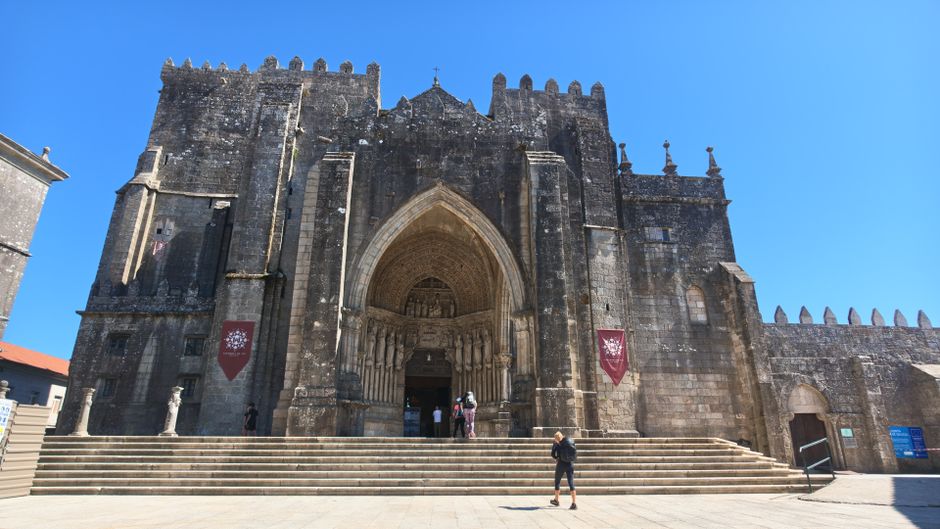
Porto’s Sé Cathedral stands above the historic center, close to the old city walls and viewpoints over the rooftops. The cathedral’s setting is a good reason to explore this part of the city, even if you choose not to go inside.
The surrounding lanes are steep and uneven, and some streets have limited shade. Take your time, especially in warm weather, and pause at viewpoints rather than trying to cover the whole area quickly. The cathedral is an active place of worship, so dress and behave respectfully.
Tip 8 – Try a francesinha and other Porto specialties
The francesinha is a filling local sandwich made with meat, melted cheese, and a rich sauce, often served with fries. It is a hearty meal, so consider sharing one if you are not very hungry.
Porto is also a good place to try grilled fish, caldo verde, and pastries such as pastel de nata. For better value, look a few blocks away from the busiest riverfront streets. Ask about portion size and whether a dish is intended for one person before ordering.
Tip 9 – Take a Douro River cruise
Short cruises give a different view of Porto’s bridges and the riverfront. Some follow a route beneath several bridges, while longer trips may travel farther up the Douro. The short option is an easy add-on to a day in Ribeira or Gaia.
Compare the route, duration, and departure point before paying. The river can feel exposed in windy or rainy weather, and boats may be busy in peak season. A cruise is enjoyable, but it is not essential if you would rather spend the time walking by the water.
Tip 10 – Take a tram or bus to Foz do Douro
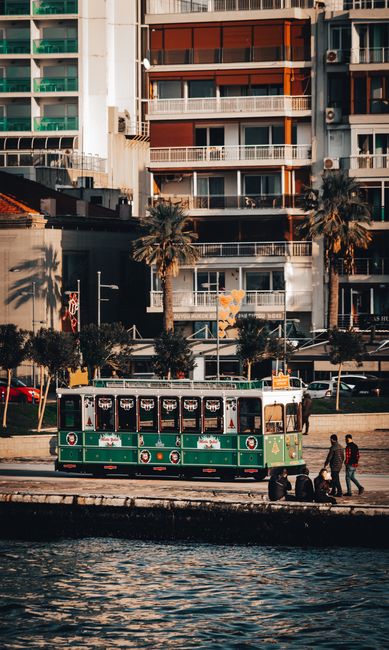
Foz do Douro is where the river meets the Atlantic. It has a relaxed feel compared with the historic center, with a waterfront promenade, ocean views, and places to stop for a drink or a meal.
Reach Foz by local bus or tram, and check current services before setting out. The tram ride is scenic but can be slower than other transport. The coast is lovely for a walk, but Atlantic water can be cold and conditions may not suit swimming.
Tip 11 – Spend time at Matosinhos beach
Matosinhos is a popular beach area north of central Porto, with a long stretch of sand and a strong local seafood scene. It is an easy choice for a change of pace, especially on a sunny day.
Metro and bus connections make it accessible, though the journey takes longer than moving around the center. Check the forecast and local sea conditions before swimming. Even in warm weather, the Atlantic can be chilly, and waves may be strong.
Tip 12 – Visit the gardens at the Crystal Palace
The gardens around the Palácio de Cristal are a peaceful place to take a break from busy streets. Paths, lawns, and viewpoints make it a pleasant stop, with glimpses of the Douro from several spots.
Allow time to wander rather than treating it as a quick photo stop. The gardens are a good free option for families and budget-conscious travelers. Bring water on hot days, and check access arrangements if you are planning around a particular event.
Tip 13 – Discover the art and architecture at Serralves

Serralves brings together a contemporary art museum, landscaped park, and striking modern architecture. It is a good choice if you want to see a different side of Porto beyond the old center.
Check the Serralves Foundation website for current exhibitions, tickets, and opening details. Set aside several hours if you want to visit both the museum and the grounds. It is outside the central sightseeing area, so factor in travel time.
Tip 14 – Explore Bolhão Market and nearby streets
Bolhão Market is a central place to see local produce, food stalls, and everyday shopping. It is a useful stop if you want to sample small bites or pick up something for a picnic.
Opening hours, vendors, and activity can vary by day. Go earlier if you want to see more market activity, and check current details before making a special trip. Be considerate when taking photos, especially of people working or shopping.
Tip 15 – Choose a neighborhood beyond the main sights
Porto’s character changes from one area to another. Baixa is convenient for central attractions, Cedofeita has galleries and cafes, and Bonfim offers a more residential feel. Gaia is useful for wine lodges and river views.
Pick a base that matches your plans, rather than choosing only by the cheapest room. Hills and cobbles can make a short map distance feel longer, so check the walking route and public transport nearby. If you are planning another Atlantic destination later, this guide to 20 Fun and Best things to do in bocas del toro offers ideas for a very different coastal trip.
Tip 16 – Use public transport for longer journeys
Porto is walkable in the center, but steep hills can make public transport welcome. Metro, buses, and the historic tram network connect central areas with places such as the airport, Matosinhos, and Foz.
Check routes, service updates, and fare details through Metro do Porto and the relevant local transport operator. Airport transport and ticket options may change. Validate or activate tickets as required, and keep your ticket until the end of the journey.
Tip 17 – Plan around Porto’s hills and weather
Porto’s streets rise and fall sharply, and many are paved with polished cobbles. Wear shoes with a good grip, carry a light rain layer, and allow more time than a flat-city walking route would suggest.
Late spring and early autumn often bring comfortable sightseeing weather, but conditions vary. Summer can be sunny and busy, while winter is cooler and wetter. Check the forecast each day and keep a flexible indoor option, such as a museum or market, in your plans.
Tip 18 – Book popular experiences, but leave room to wander
Reserve ahead for high-demand wine tastings, major cultural attractions, and restaurants you particularly want to try. Always confirm the time, cancellation terms, and whether tickets are timed entry.
Not every hour needs to be planned. Porto’s best moments can come from finding a small cafe, a quiet church, or a viewpoint on an unplanned walk. Keep some space in your itinerary, especially if you are visiting during a busy holiday period.
Tip 19 – Keep everyday safety and phone use simple
Porto is a popular visitor destination, but take normal city precautions. Keep an eye on bags in crowded areas and on public transport, avoid displaying valuables unnecessarily, and use well-lit routes late at night.
Save your accommodation address offline and download a map before heading out. Check roaming charges or arrange a local data option if needed. For emergencies in Portugal, call 112. For non-urgent help, ask your accommodation or consult current official local guidance.
Tip 20 – Learn a few Portuguese phrases and pack thoughtfully
A few words in Portuguese are appreciated, even where staff speak English. Try “bom dia” for good morning, “por favor” for please, “obrigado” or “obrigada” for thank you depending on the speaker, and “com licença” to politely pass by.
Pack comfortable walking shoes, a reusable water bottle, sun protection, and a light waterproof layer. Bring a plug adapter if your devices need one. If you plan to visit churches, dress respectfully, and carry a small amount of cash for places that may not accept cards.
Visa & Entry Requirements
Porto is in Portugal, which is part of the Schengen Area. Entry requirements are set for Portugal and the wider Schengen region, but they depend on the passport you hold, your reason for travel, and current government policy. A rule that applies to one traveler may not apply to another, so do not rely on another visitor’s experience as confirmation of your own requirements.
Before booking or departure, check the Portuguese government’s official visa information for Portugal and the relevant Portuguese embassy or consulate. Confirm whether you need a visa or an electronic travel authorization, if one applies to your circumstances. Rules and systems can change, so check again close to your trip.
Check your passport’s required validity period and make sure it has enough blank pages for any necessary stamps. Requirements can differ depending on your nationality and travel route. If you have a visa or authorization, verify that its dates, permitted stay, and entry conditions match your plans. Do not assume that a transit stop or previous visit leaves your available stay unchanged.
Border officials may ask for details about your return or onward travel, accommodation, and ability to support yourself during the visit. Keep booking confirmations and relevant contact details accessible. Travel insurance is a sensible precaution, particularly for unexpected illness, disruption, or lost belongings, but it does not replace any entry documents that may be required.
Vaccination rules, customs allowances, and restrictions on bringing goods into Portugal depend on your route, the items you carry, and current rules. Check official guidance if you are carrying medication, food, cash above applicable declaration thresholds, or goods that may be restricted. Declare items when required. This is general travel information, not legal advice or a guarantee of entry. For the final requirements, follow current Portuguese government and consular guidance for your specific passport and itinerary.
Frequently Asked Questions
How many days do you need to see the best things to do in Porto?
Two full days is enough for many central highlights, such as Ribeira, the bridge, a wine lodge, and São Bento Station. Three days gives you more time for museums, gardens, the coast, and a slower pace.
What are the best things to do in Porto for first-time visitors?
Start with a walk through Ribeira, cross the Dom Luís I Bridge, visit a port wine lodge in Gaia, and see São Bento Station. Add a local meal and a viewpoint or garden to balance the busy central sights.
Is Porto easy to explore on foot?
The historic center is walkable, but Porto is hilly and its cobbled streets can be slippery. Use public transport for longer trips or when you want to avoid steep climbs, and wear comfortable shoes with good grip.
What is the best time of year to visit Porto?
Late spring and early autumn are often comfortable for walking, though weather can change. Summer usually brings more visitors, while winter can be rainy. Check the forecast and plan a mix of outdoor and indoor activities.
Is Porto expensive for visitors?
Costs depend on the season and your choices. You can save by walking, using public transport, visiting free public spaces, and eating away from the busiest waterfront. Popular attractions and wine tastings may add to your budget.
What is the most common tourist mistake in Porto?
Underestimating the hills is a common mistake. Map distances can look short, but steep streets and cobbles slow you down. Wear practical shoes, allow extra time, and avoid planning too many distant stops in one day.
Is Porto suitable for a family trip?
Yes. Families can enjoy river walks, gardens, markets, and beach visits. Some historic streets are steep or uneven, so check routes before using a stroller and plan breaks during longer walks.
Conclusion
The best things to do in Porto mix famous sights with everyday city life. Walk the riverfront, explore the old lanes, taste local food, and set aside time for the neighborhoods and Atlantic coast beyond the center.
Plan around the hills, check current opening and transport information, and book only the experiences that matter most to you. With a little preparation and room to wander, Porto makes it easy to build a trip that feels both memorable and relaxed.
