
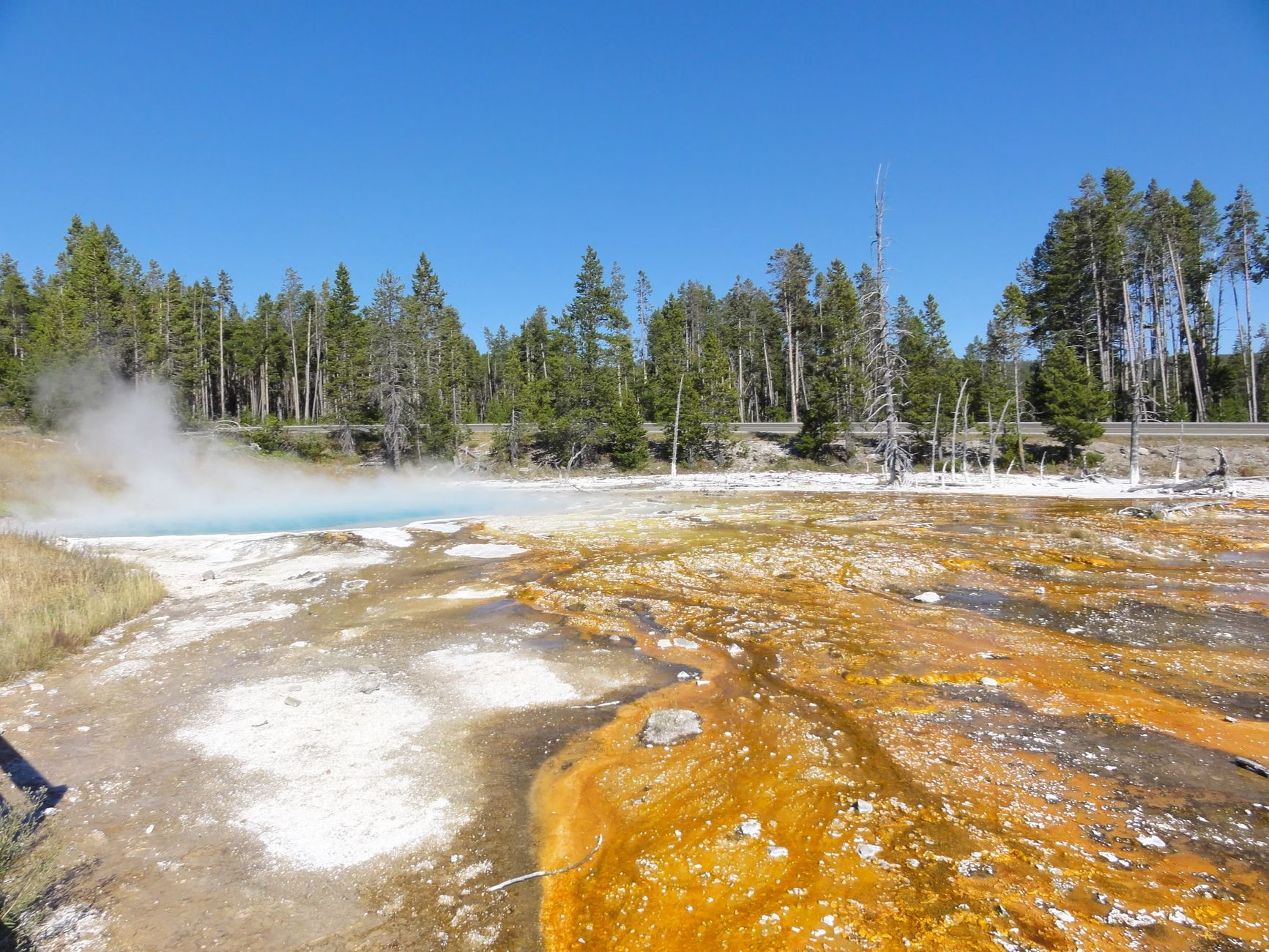
Why Timing Matters in Yellowstone
Yellowstone National Park is a living masterpiece that changes dramatically with the seasons. From snow‑capped geysers in winter to thunderstorm‑scented meadows in summer, each period offers a distinct set of sights, sounds, and experiences. Choosing the right time to visit isn’t just about avoiding crowds; it’s about aligning your interests—wildlife photography, hiking, geyser watching, or simply soaking in the solitude—with the park’s natural rhythms.
Spring: Awakening of the Landscape (April – May)
As the snow melts and the first wildflowers push through the thawed earth, Yellowstone comes alive with a sense of renewal. The river valleys become a corridor for elk and bison returning from lower elevations, while baby animals make their debut. Temperatures are still cool, especially in the mornings, but the days grow longer and the park’s iconic waterfalls swell with meltwater.
Highlights of a spring visit include:
- Early‑season wildlife spotting, particularly elk rutting in the Madison and Lamar valleys.
- Fewer crowds at major geothermal areas, allowing for a more contemplative experience at Old Faithful and the Upper Geyser Basin.
- Photographers love the soft light and vibrant colors of the emerging lupine, Indian paintbrush, and fireweed.
Be prepared for variable weather—snow can linger on higher trails, and some roads (like the northeast entrance) may still be closed. Pack layered clothing, waterproof boots, and a reliable map, as a few of the backcountry routes remain inaccessible until the snow fully recedes.
Summer: Peak Activity and Full Access (June – August)
Summer is the most popular season in Yellowstone, and for good reason. All park roads and facilities are open, giving you access to the full range of attractions—from the geyser basins to the high alpine plateaus of the Yellowstone Plateau and the Grand Canyon of the Yellowstone.
The advantages of a summer trip include:
- All major trailheads are reachable, allowing for day hikes to places like Fairy Falls, Uncle Tom’s Trail, and the trail to the summit of Mount Washburn.
- Extended daylight hours make it possible to explore both the north and south loops in a single day.
- Guided ranger programs, ranging from geology talks at the geyser basins to night sky astronomy sessions.
The downsides are the crowds and heat, especially in the lower valleys where temperatures can climb into the high 80s °F (30 °C). To mitigate this, arrive at popular sites before sunrise or stay late into the evening when the park quiets down. Also, book campsites and lodging well in advance through the National Park Service reservation system.
Fall: Colorful Contrasts and Calm (September – October)
When the first hints of autumn arrive, Yellowstone transforms into a tapestry of gold, amber, and rust. The cooler air brings clearer skies, which are perfect for viewing the park’s dramatic geological features without the haze that sometimes lingers in summer.
Key reasons to consider a fall visit:
- Wildlife is abundant as animals prepare for winter; elk bugling, bison grazing, and wolves prowling become more visible.
- Fall foliage, especially in the forested areas around the Norris and Yellowstone Lake regions, adds a spectacular backdrop to geyser eruptions.
- Visitor numbers dip after Labor Day, meaning shorter lines at popular boardwalks and a more relaxed atmosphere.
The weather can shift quickly—morning frosts may appear, and snow can fall at higher elevations by late October. Pack warm layers and be flexible with your itinerary, as a sudden storm can close a trail or a road temporarily.
Winter: A Snow‑Blanketed Wonder (November – March)
Winter in Yellowstone is a world apart. The park’s famous geysers continue to erupt, but the steam rises like ghosts against a backdrop of snow‑capped cliffs. With only a handful of roads open—primarily the road from the North Entrance to the Old Faithful area—the experience is intimate and otherworldly.
Winter activities that draw dedicated visitors include:
- Cross‑country skiing and snowshoeing on groomed trails that wind through the geyser basins, offering silent, up‑close encounters with steaming vents.
- Guided snowcoach tours that venture to Yellowstone Lake and the Lamar Valley, where wolf packs can often be observed in the crisp air.
- Nighttime stargazing; the low humidity and lack of light pollution provide some of the clearest views of the Milky Way in the United States.
Because the park is less crowded, you’ll often have the boardwalks and viewing platforms nearly to yourself. However, temperatures regularly plunge well below freezing, and wind chill can make exposure feel even colder. Proper winter gear—insulated boots, a wind‑proof outer shell, and layered clothing—is essential. Also, be aware that cell service is limited and some facilities are closed for the season.
Practical Tips for Choosing Your Visit Window
When deciding which season fits your travel style, weigh these practical considerations alongside the natural attractions.
- Wildlife Focus: Spring and fall provide the best opportunities for observing animals in active phases—rutting, birthing, or preparing for migration.
- Photography: Spring offers soft light and blooming colors; fall supplies dramatic foliage and clear skies; winter gives unique contrast with steam and snow.
- Physical Activity: Summer grants access to all high‑altitude trails; spring and fall are ideal for moderate hikes; winter is suited to snowshoeing and cross‑country skiing.
- Crowd Tolerance: If you prefer solitude, aim for early spring, late fall, or winter. For full amenities and maximum accessibility, summer is the safest bet.
- Budget: While Yellowstone’s entry fee stays constant, accommodation costs in nearby towns tend to rise in peak summer months. Off‑season travel can lead to lower lodging rates and more availability.
Making the Most of Your Trip, Whatever the Season
Regardless of when you set foot in Yellowstone, a few universal habits will enhance your experience:
- Start Early: Many of the park’s iconic spots—Old Faithful, Grand Prismatic Spring, and the Upper Geyser Basin—are less crowded at sunrise.
- Stay Informed: Check the National Park Service’s Yellowstone page daily for road closures, weather alerts, and wildlife activity updates.
- Respect Wildlife: Keep a safe distance (at least 100 feet from bison and elk, 25 feet from bears) and never feed animals.
- Leave No Trace: Pack out everything you bring in, stay on designated trails, and follow all signage.
Finally, remember that Yellowstone’s true magic lies in its ever‑changing character. A visit in any season will reveal a different facet of the park’s grandeur, and returning at another time offers fresh perspectives. By aligning your interests with the seasonal strengths outlined above, you can craft a visit that feels both personal and unforgettable.
