

Key Takeaways
- Walk Broadway for free live music and soak up the honky‑tonk atmosphere.
- Explore Centennial Park’s Parthenon grounds and other downtown parks at no cost.
- Visit free museums like the Tennessee State Museum and Bicentennial Capitol Mall State Park.
- Use public transit, plan routes, and pack for walking to keep travel expenses low.
cheap things to do in nashville are easy to find if you mix free music, green spaces, neighborhood walks, and a few carefully chosen paid attractions. Nashville, Tennessee, is known for country music, but you do not need a big budget to enjoy its parks, public art, historic sights, and lively local food scene.
The main challenge is managing transport and tempting extras. Downtown is walkable, but some popular neighborhoods are spread out, and prices can climb quickly around Broadway. A little planning helps you spend more on the experiences you care about and less on getting between them.
This guide covers low-cost attractions, free things to do, affordable places to eat, local transport, and practical advice for a first visit to Nashville, United States. Check opening hours and current prices before you set out, as schedules and fees can change.
20 cheap things to do in nashville
Tip 1 – Walk Broadway and enjoy the live music

Broadway is the famous downtown strip of honky-tonks, neon signs, and live bands. Walking along it costs nothing, and many venues have no cover charge, though policies vary by venue, time, and event. Check the door before entering, and remember that a tip for the musicians is customary even when there is no cover.
Drinks and food can be expensive in the busiest bars. Set a spending limit, ask about any minimum purchase, and enjoy the atmosphere without feeling that you need to stay for a full meal.
Tip 2 – Explore the grounds of the Parthenon
Centennial Park is a relaxing place to walk, picnic, or rest between downtown activities. Its full-scale Parthenon replica is one of Nashville’s best-known landmarks. You can admire the building and take photos from the park grounds for free. There is a separate admission fee to enter the Parthenon and see its art displays, so check current rates if you want to go inside.
The park is west of downtown. If you are not driving, check the current bus routes and allow time for the trip.
Tip 3 – Visit the Tennessee State Museum
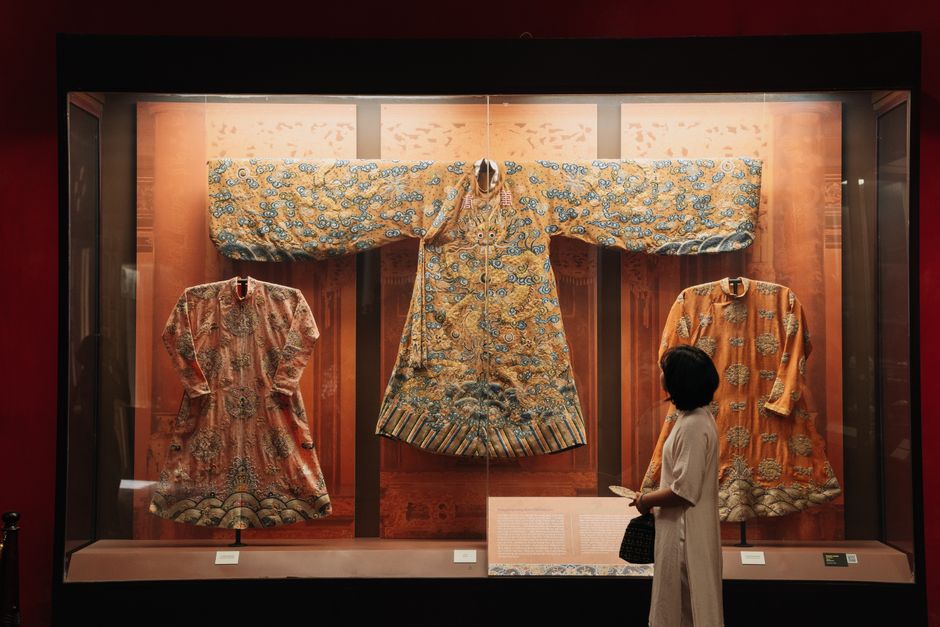
The Tennessee State Museum offers free admission to its permanent galleries, making it a strong choice for a rainy afternoon or a break from the music-focused attractions. Exhibits introduce the state’s history, from Indigenous cultures and early settlement to more recent events.
The museum is near the Nashville Farmers’ Market and Bicentennial Capitol Mall State Park, so you can combine all three in one outing. Confirm hours and any special exhibition fees on the Tennessee State Museum website.
Tip 4 – Stroll through Bicentennial Capitol Mall State Park
This downtown park is a free outdoor introduction to Tennessee. Paths pass a large map of the state, memorials, a World War II monument, and a carillon tower. It is an easy stop before or after the State Museum, and a good place to take a quiet break away from busy streets.
Bring water in warm weather and wear comfortable shoes. The park has open, sunny areas, so shade can be limited in the middle of the day.
Tip 5 – Browse the Nashville Farmers’ Market
The Nashville Farmers’ Market is a useful place to look around, find local produce, and choose from a range of casual food stalls. You can browse without buying, then share a meal or snack instead of paying for a full-service restaurant. Vendor schedules and opening times vary, so check before making a special trip.
The market is close to the State Museum and Bicentennial Capitol Mall State Park. Combine them to save time and transport costs.
Tip 6 – Look for free live music and community events
Free concerts and outdoor events take place around Nashville, especially in warmer months. Check local event listings and venue calendars for public performances, neighborhood festivals, and seasonal programs. Some free events still require advance registration, and food, drinks, or parking may cost extra.
The official Visit Music City guide is a helpful starting point for current events and visitor information. Confirm details with the event organizer before you travel across town.
Tip 7 – Find Nashville’s public art and murals

Murals and public art make an inexpensive photo walk. The Gulch is known for popular mural spots, while East Nashville and other neighborhoods have their own colorful walls and street details. Treat murals as part of a wider neighborhood visit rather than expecting every artwork to be close together.
Some locations are beside homes or businesses. Keep sidewalks clear, respect private property, and check whether a mural is still accessible before setting off for a particular photo.
Tip 8 – Walk around Music Row
Music Row is a historic center of Nashville’s recording and music-publishing business. A walk through the area lets you see studios, offices, and industry landmarks from the street. Most businesses are working places rather than public attractions, so plan to admire the architecture and surroundings without expecting to enter recording studios.
Pair the walk with a visit to nearby parks or other attractions to make the trip worthwhile. Be considerate when taking photos around offices and residential streets.
Tip 9 – Spend time in East Nashville
East Nashville has independent shops, cafes, casual restaurants, and a relaxed neighborhood feel. Browsing shop windows and walking its commercial streets is free. If you want to eat out, look for lunch specials or share a few dishes instead of ordering a large dinner downtown.
The neighborhood is spread out, so check the route before you go. A short rideshare can add up, while a bus or a walk from a nearby stop may be cheaper if the weather and distance suit you.
Tip 10 – Take a low-cost walk along the riverfront

Nashville’s riverfront gives you a different view of downtown and the Cumberland River. Walk the public paths, look for city views, and check whether any free outdoor events are taking place. It is a simple way to add fresh air to a day spent around Broadway and the central business district.
River access and event areas can vary, so follow posted signs and check current local information. If you visit after dark, stick to well-lit public areas and travel with a companion when possible.
Tip 11 – Look for affordable food in casual spots
Restaurant prices around Broadway can be higher than in residential neighborhoods. For a cheaper meal, compare lunch menus, counter-service restaurants, food halls, and neighborhood cafes. Nashville hot chicken is a local favorite, but prices, spice levels, and portion sizes differ by restaurant.
Ask about the heat level before ordering if you are sensitive to spicy food. A shared side or a smaller lunch can also help you try local food without stretching your budget.
Tip 12 – Take a self-guided history walk
You can learn about Nashville’s history without booking a paid tour. Make a short walking route through downtown to see historic buildings, public memorials, and landmarks, then use official interpretive signs or trusted local resources for context. A self-guided walk lets you choose your pace and stop when something catches your interest.
Use a map before leaving your accommodation, and download any information you need in case mobile reception is limited. Stay aware of traffic when crossing busy streets.
Tip 13 – Get outdoors at Shelby Bottoms Greenway

Shelby Bottoms Greenway and Natural Area offers a welcome change from downtown streets, with walking and cycling paths through a large natural area. It is a good low-cost choice for travelers who enjoy wildlife, open space, or an easy outdoor break. Bring water, sun protection, and shoes suitable for the conditions.
Check local park information for trail access, conditions, and any temporary closures. Reaching the greenway may take planning if you are staying downtown without a car.
Tip 14 – Choose one paid music attraction carefully
Nashville has several well-known music museums and attractions, but tickets can take a large share of a budget. Pick the one that best matches your interests rather than trying to visit every major attraction in a single day. Compare admission prices, opening hours, and what is included before you book.
If you are especially interested in recording history, check whether a guided tour or a smaller exhibit is better value for you. Do not assume that all music-related attractions include live performances.
Tip 15 – Watch for free museum days and special offers
Some cultural venues offer free admission periods, discounts, or lower prices for specific groups. Check official museum websites before your trip, and read the conditions carefully. Free entry may apply only to selected galleries or dates, and popular time slots may need to be reserved.
Avoid relying on old social media posts for current deals. Confirm the offer directly with the venue and include any booking fees or transport costs in your budget.
Tip 16 – Use public transport where it makes sense
Nashville has public bus service, but it does not make every attraction equally easy to reach. Check routes and schedules before leaving, especially in the evening or on weekends. The WeGo Public Transit website provides route and service information. A transit app can help with directions, but verify your route against current operator updates.
For a short central visit, walking may be simplest. For a distant attraction, compare the bus fare with parking or a rideshare rather than assuming one option is always cheapest.
Tip 17 – Make a simple plan for parking and rideshares
Parking near Broadway and major downtown attractions can be costly, and event nights may bring heavier traffic. If you rent a car, check the accommodation’s parking charge before booking and compare it with nearby public garages. For rideshares, agree on a pickup point away from crowded venue entrances when possible.
Use official signs and marked pickup zones. Do not accept rides from unlicensed drivers who approach you on the street.
Tip 18 – Check the calendar before choosing travel dates
Large concerts, sports games, festivals, and conventions can affect hotel rates, traffic, and restaurant availability. If your dates are flexible, compare accommodation prices across a few weeks and check Nashville’s event calendar before confirming your booking.
Spring and fall are often comfortable for walking, while summer can be hot and humid. Winter visits may bring colder weather and shorter daylight hours. Each season has its own atmosphere, so pack for the forecast rather than relying on averages.
Tip 19 – Pack for walking, weather, and changing plans
Comfortable walking shoes are useful for downtown sidewalks, parks, and neighborhood visits. Bring a light rain layer, sun protection in warmer months, and a reusable water bottle where permitted. If you are attending a show, check the venue’s bag policy and leave restricted items at your accommodation.
Keep a portable phone charger with you for maps, transit updates, and tickets. Save key addresses offline so you can still find your way if your data connection drops.
Tip 20 – Avoid the most common budget mistake
A common mistake is planning every activity around downtown without checking distances, transport, and extra costs. Broadway may look close to several places on a map, but other popular neighborhoods and parks can take longer to reach. Before booking a hotel or buying tickets, group nearby activities together and estimate the full cost of each day.
Leave some room in your budget for tips, taxes, water, and an occasional rideshare. For a wider travel-planning break after your Tennessee visit, you can also read 20 Fun and Best things to do in hamilton bermuda when planning a separate city-and-island trip.
Quick reference for a low-cost Nashville visit
| Experience | Budget approach | Useful note |
|---|---|---|
| Broadway live music | Walk around and choose venues carefully | Check cover charges and minimum purchases |
| Centennial Park | Enjoy the park grounds for free | Parthenon interior admission is separate |
| Tennessee State Museum | Visit its free permanent galleries | Check hours and special exhibit details |
| Bicentennial Capitol Mall State Park | Explore the outdoor park at no charge | Combine it with the State Museum |
| Neighborhood food | Compare lunch and counter-service options | Prices and portions vary by area |
| Getting around | Walk central areas and check bus routes | Compare fares with parking or rideshares |
Practical advice for visiting Nashville on a budget
Best time to visit Nashville
Spring and fall are popular for comfortable walking weather, but demand can rise around major events. Summer brings long days and outdoor activity, though heat and humidity can make midday walks tiring. Winter can be quieter, but check the forecast and event schedule before planning a trip around outdoor attractions.
Local customs, safety, and useful planning
In the United States, sales tax is usually added at checkout rather than included in the displayed price. Tipping is customary at sit-down restaurants and for many service workers. Check the bill to see whether a gratuity has already been added, particularly for a large group.
Keep valuables secure and stay alert in busy entertainment areas, especially late at night. Use marked crossings, plan your ride home before a show, and call 911 for an immediate emergency in the United States. Save your accommodation address and use a current map or transit app to check routes.
Visa & Entry Requirements
Nashville is in Tennessee, in the United States. Entry rules are set at the national level, and visa, passport-validity, authorization, vaccination, customs, and length-of-stay requirements depend on your passport and current U.S. government policy. Rules can also differ according to your reason for travel, travel history, and whether you are entering by air, land, or sea.
Before booking, check the U.S. Department of State’s official visa information and the U.S. Customs and Border Protection international visitor guidance. Travelers who may use the Visa Waiver Program should check the official Electronic System for Travel Authorization website. Do not rely on an airline, travel blog, or an old visa approval as a substitute for checking current government instructions.
Confirm how long your passport must remain valid, whether it needs blank pages, and whether you need a visa or electronic travel authorization before departure. Requirements are not identical for all nationalities, and some travelers may be subject to different passport-validity arrangements. Check whether officials or your airline may ask for return or onward travel details, accommodation information, or evidence that you can cover your visit.
Review current public-health guidance for any vaccination or health-document requirements that apply to your route. Read U.S. customs rules before packing food, medicines, cash, or goods acquired abroad, and make any declarations required of you. Consider travel insurance that covers medical care and disruption, since coverage is not a substitute for meeting entry rules. For the final requirements that apply to you, consult the official U.S. government or U.S. embassy information for your location shortly before travel. This is general travel guidance, not a legal guarantee or legal advice.
FAQs about cheap things to do in nashville
What are the best free things to do in Nashville?
Walk along Broadway, explore Centennial Park’s grounds, visit Bicentennial Capitol Mall State Park, and browse public art in neighborhoods such as the Gulch. The Tennessee State Museum’s permanent galleries are also free to enter. Check current hours and event details before visiting.
Can you hear live music in Nashville without paying a cover?
Many honky-tonks and bars have offered live music without a cover charge, but policies can change by venue, date, or performance. Ask before entering, check for minimum purchase rules, and consider tipping the musicians.
Is Nashville walkable for visitors?
Downtown Nashville is walkable, especially if you are visiting Broadway and nearby attractions. Other destinations, including some parks and neighborhoods, are spread out. Check travel times and public transport options before planning a full day on foot.
How can I save money on food in Nashville?
Compare lunch menus, casual restaurants, food stalls, and neighborhood cafes. Share dishes when portions are large, and check whether tax and gratuity are included before paying. Eating away from the busiest parts of Broadway may give you more choices at different prices.
Do I need to book Nashville attractions in advance?
For free public spaces, advance booking is usually not needed, but special events can have separate entry rules. Book popular paid attractions or timed tours ahead if your schedule is fixed, and confirm ticket terms directly with the venue.
Is public transport a good option for visitors?
It can be useful for some routes, but service and convenience depend on where you are going and when. Check the current WeGo schedule and compare the full journey with walking, parking, or a rideshare before setting out.
Conclusion
There are plenty of cheap things to do in nashville, from hearing live music and walking Broadway to visiting free museum galleries, parks, and neighborhood art. Choose a mix of central attractions and local areas so your trip feels varied without paying for a ticket at every stop.
Plan your routes, check event dates, and make room for small extras such as tips, taxes, and transport. With a flexible itinerary and a few budget-friendly choices, you can enjoy Nashville’s music and character without overspending.
