

Key Takeaways
- Walk Savannah’s Historic District and squares at a relaxed pace.
- Enjoy Lowcountry cuisine and casual dining without formal reservations.
- Use the free downtown shuttle and ferry for easy transport.
- Plan day trips to Tybee Island, Wormsloe, and Bonaventure Cemetery.
fun things to do in savannah georgia include wandering oak-shaded squares, tasting Lowcountry cooking, and exploring a historic waterfront. Savannah is a welcoming city in Georgia, United States, with a compact historic center and easy day trips to the coast.
First-time visitors can fill several days with historic homes, museums, river views, and relaxed meals. The city is walkable in places, but summer heat, uneven sidewalks, and distances between attractions make a little planning useful.
This guide covers the best ways to experience Savannah, from its famous landmarks to neighborhood food and practical travel details. Choose a few activities each day rather than rushing through the squares and historic streets.
20 Fun Things to Do in Savannah Georgia
Tip 1 – Explore Savannah’s Historic District on Foot
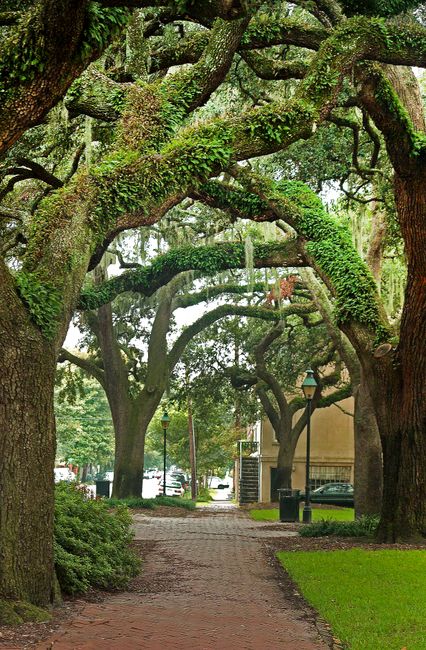
Start with a walk through the Historic District, where shaded streets, historic houses, and small public squares make it easy to explore at your own pace. The city’s distinctive grid can be confusing at first, so save a map offline and use a few well-known squares as landmarks.
Wear comfortable shoes. Some sidewalks are uneven, and the district covers more ground than it may appear to on a map. In warm weather, take breaks in shaded squares and carry water.
Tip 2 – Take a Break in Forsyth Park
Forsyth Park is one of Savannah’s best places to slow down. Walk beneath the live oaks, see the ornate fountain near the north end, and look for local events or weekend activity around the park.
The park is free to visit and works well for a picnic or a relaxed stop between museums. It is a popular public space, so keep an eye on personal belongings and follow posted rules.
Tip 3 – See the Savannah Riverfront and River Street
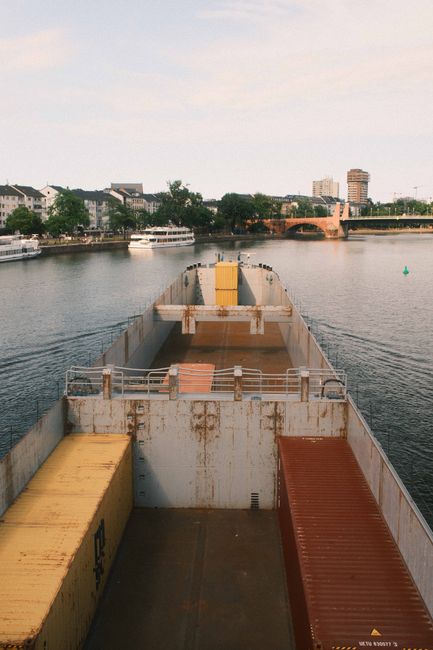
River Street follows the Savannah River past old warehouses, restaurants, shops, and busy viewing spots. It is a lively place to watch cargo ships pass, especially around sunset, though crowds and cobblestones can make it less relaxing at peak times.
Take care on the uneven historic surfaces, particularly after rain. For a different perspective, check the schedule for the free Savannah Belles Ferry, which connects riverfront stops.
Tip 4 – Visit Savannah’s Historic Squares
Savannah’s squares are small public gardens set among the city’s historic streets. Chippewa Square, Monterey Square, and Johnson Square are good places to pause, admire the surrounding architecture, and get a feel for the city’s layout.
Some squares are busier than others, and their appearance changes with the season. Treat them as part of a walking route rather than expecting every square to be a major attraction on its own.
Tip 5 – Tour a Historic House
A guided house tour can add context to Savannah’s architecture and the lives of people who lived and worked in the city. Options include the Owens-Thomas House & Slave Quarters, the Juliette Gordon Low Birthplace, and the Mercer-Williams House.
Choose a tour that fits your interests and check what is included before booking. Historic buildings may have stairs, limited accessibility, and timed entry. Some tours discuss slavery and the unequal history behind the city’s wealth, an important part of understanding Savannah.
Tip 6 – Browse Savannah’s Museums
The Telfair Museums connect three different settings: the Telfair Academy, the Owens-Thomas House & Slave Quarters, and the Jepson Center. The SCAD Museum of Art is another worthwhile stop for contemporary art and design exhibitions.
Check opening hours and ticket details before you go, as schedules and exhibitions can change. If you have limited time, pick one or two museums rather than trying to fit every collection into a single day.
Tip 7 – Visit Bonaventure Cemetery Respectfully

Bonaventure Cemetery is known for its historic graves, quiet paths, and large trees draped with Spanish moss. It is a working cemetery as well as a place visitors come to learn about Savannah’s past, so keep voices low and do not disturb services or mourners.
It sits outside the central walking area. Arrange transport in advance, allow time to explore, and bring water on hot days. A guided tour can help explain the people and symbols found there.
Tip 8 – Try Savannah’s Lowcountry Food
Make time for regional dishes such as shrimp and grits, she-crab soup, fried green tomatoes, and fresh seafood. Savannah also has plenty of casual cafés, bakeries, and restaurants, so you do not need a formal reservation for every meal.
Ask about ingredients and portion sizes if you have dietary needs. Popular restaurants can fill up at dinner, especially on weekends, so reserve ahead when a particular place is important to your plans.
Tip 9 – Browse City Market and Local Shops
City Market is a pedestrian-friendly cluster of shops, galleries, and places to eat near the Historic District. It is convenient for a short visit between other downtown stops, though the atmosphere can be lively and tourist-focused.
For a quieter look at local businesses, explore side streets and independent shops around the district. If you are planning a longer US road trip beyond Georgia, this guide to 20 Fun and Best Things to Do in Seligman, AZ offers ideas for a very different historic Route 66 stop.
Tip 10 – Take a Savannah History or Ghost Tour

Walking tours are a useful way to learn how Savannah developed and to get oriented in the Historic District. Ghost tours are also popular, but their style ranges from theatrical entertainment to history-focused storytelling.
Read the tour description before booking so you know what to expect. Evening tours may involve several blocks of walking, and some stories include material that may not suit young children.
Tip 11 – Spend Time on Tybee Island
Tybee Island is Savannah’s nearby beach destination, with a broad shoreline, a historic lighthouse, and a slower coastal feel. It makes a good day trip when you want a break from historic sites and city streets.
Plan your transport before leaving downtown, since Tybee is outside the central area and public transport options may not suit every schedule. Check beach conditions and local rules, bring sun protection, and allow extra time during busy weekends.
Tip 12 – Visit Wormsloe Historic Site
Wormsloe Historic Site is known for its long oak-lined entrance and the remains of an early Georgia settlement. The site offers a look at colonial-era history and the lives of people connected to the plantation, including enslaved people.
It is outside the city center, so check the official schedule and transport options before setting out. The entrance avenue is a popular photo stop, but visitors should follow site rules and stay in areas open to the public.
Tip 13 – Learn About Gullah Geechee Heritage at Pin Point
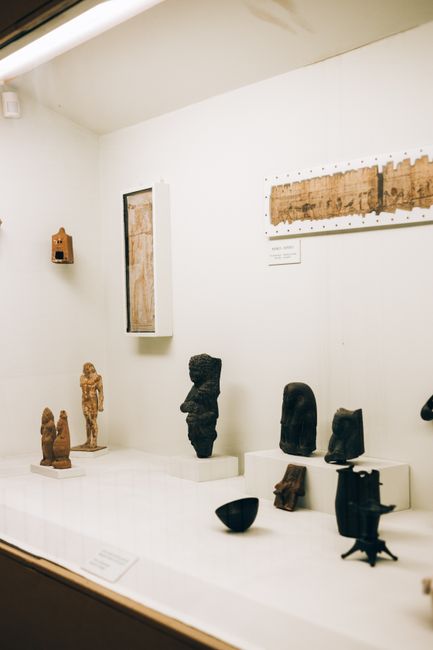
The Pin Point Heritage Museum tells the story of the Gullah Geechee community and the area’s history of oyster and crab processing. Its exhibits offer important local context that is easy to miss if you only visit the best-known downtown landmarks.
Check opening days and tour arrangements before visiting, as hours may be limited. Because Pin Point is beyond the main tourist center, plan your ride there and back in advance.
Tip 14 – See the Cathedral Basilica of St. John the Baptist
The Cathedral Basilica of St. John the Baptist is a striking downtown landmark, with detailed interiors and tall spires visible above nearby streets. Visitors can often enter outside service times, but access may change for worship or special events.
Dress respectfully, keep voices low, and check the cathedral’s current visitor guidance before your visit. If a service is underway, choose another time rather than treating the church as a sightseeing stop.
Tip 15 – Try a Savannah Riverboat Cruise
A riverboat cruise gives you a seated view of the waterfront and the working river. Different trips may focus on sightseeing, meals, or entertainment, so compare the length and style before choosing one.
Check departure details and cancellation terms in advance. A cruise is a pleasant way to rest your feet, but it is not a substitute for walking the riverfront if you want to explore its shops and historic buildings up close.
Tip 16 – Use the Free Downtown Shuttle and Plan Your Walks
Savannah’s downtown transportation options can help reduce walking between central sights. Check the current Savannah Belles Ferry and city shuttle information before relying on a particular route, because schedules and service details can change.
For public bus routes, fares, and service updates, consult Chatham Area Transit’s official website. Walking works well in the compact center, while taxis or rideshare services can help with destinations farther away.
Tip 17 – Choose the Best Time to Visit
Spring and fall are popular for comfortable walking weather, but events and school holidays can make hotel rates rise. Summer brings heat, humidity, and thunderstorms, so plan outdoor sightseeing for mornings and evenings.
Winter can be quieter, although some days are cool and rainy. Savannah is in a hurricane-prone region, so check forecasts and official alerts during hurricane season, generally June through November, and keep flexible plans.
Tip 18 – Book Key Activities and Accommodation Early
Reserve lodging and timed-entry tours early for spring weekends, major events, and holiday periods. If you are visiting for a festival, check dates and transport arrangements before choosing a hotel, as central rooms can sell out or cost more.
For a quieter and often less expensive trip, consider weekdays outside major event periods. Confirm cancellation policies, parking fees, and whether breakfast or other services are included.
Tip 19 – Pack for Heat, Rain, and Historic Streets
Pack breathable clothing, comfortable walking shoes, sunscreen, and a refillable water bottle for warm months. A compact umbrella or light rain jacket is useful year-round, and a light layer can help in air-conditioned museums and restaurants.
Bring any prescription medicines you need and keep valuables secure in crowded areas. In summer, schedule indoor visits during the hottest part of the day and take breaks if you feel overheated.
Tip 20 – Avoid the Most Common Savannah Travel Mistake
A common mistake is trying to see every attraction in one packed day. Savannah rewards slower exploration, and travel time to Tybee Island, Wormsloe, Bonaventure Cemetery, and Pin Point can add up.
Group nearby downtown sights together, leave room for meals and rest, and check opening hours before you go. For practical updates, use official attraction and transport websites, maps, and a weather app. In an emergency in the United States, call 911. A friendly “hello” or “thank you” is always appreciated, but English is the main language used for everyday visitor information.
Visa & Entry Requirements
Savannah is in the United States, and entry requirements are set at the national level. Visa, passport-validity, authorization, vaccination, customs, and permitted length-of-stay rules depend on your passport and current government policy. Requirements can differ between travelers, even when they are visiting for the same purpose, so do not assume that a friend’s experience applies to you.
Before booking, check the latest information from the U.S. Department of State visa information and, where relevant, the U.S. Customs and Border Protection guidance for international visitors. Travelers using the Visa Waiver Program should verify whether they need an approved Electronic System for Travel Authorization (ESTA) and confirm that they meet all current program conditions. Other travelers may need a visa. An approval or travel document does not by itself guarantee admission at the border.
Check the validity of every traveler’s passport and whether blank pages are needed for the route and documents involved. Keep copies of your passport, visa or authorization, and important travel details separate from the originals. Be ready to explain your visit and show return or onward travel and accommodation information if requested. Consider travel insurance that covers your needs, since medical care in the United States can be costly.
Review customs rules before packing food, plants, medicines, gifts, or large amounts of cash. Some items must be declared or may be restricted. Vaccination and health-related entry requirements can change, so check current official guidance rather than relying on old advice. These steps are general travel planning information, not legal advice or a guarantee of entry. For the final requirements for your passport and itinerary, consult official U.S. government or embassy sources close to departure.
Frequently Asked Questions
How many days should I spend in Savannah?
Two or three days is a good starting point for the Historic District, a museum or house tour, local food, and the riverfront. Add another day if you want to visit Tybee Island or explore sites outside downtown.
What are the best fun things to do in Savannah Georgia for first-time visitors?
Walk the Historic District, relax in Forsyth Park, see the riverfront, and choose one historic house or museum. A food or history tour can help you get oriented and learn more about the city.
Is Savannah easy to explore without a car?
The Historic District is walkable, and downtown shuttles and the ferry can help with some central journeys. A car or planned taxi and rideshare trips may be more convenient for Tybee Island, Wormsloe, Pin Point, and Bonaventure Cemetery.
Is Savannah a good destination for families?
Yes. Families can enjoy parks, the riverfront, museums, and a beach day on Tybee Island. Check tour length and age guidance before booking, and plan shaded breaks during hot weather.
What should I eat in Savannah?
Look for Lowcountry dishes such as shrimp and grits, she-crab soup, fried green tomatoes, and local seafood. Menus change by season, so ask restaurants about ingredients and current specials.
Is Savannah safe for visitors?
Many visitors explore the central tourist areas without difficulty, but normal city awareness matters. Keep valuables secure, stay aware of your surroundings, use well-lit routes at night, and follow local guidance. Call 911 for an emergency in the United States.
When is the best time to visit Savannah?
Spring and fall are popular for milder weather and outdoor sightseeing. Summer can be very hot and humid, while winter may be quieter. Check local event dates, hotel prices, and weather alerts before choosing your dates.
Conclusion
Savannah is a city to enjoy at a relaxed pace. Its leafy squares, historic buildings, river views, and Lowcountry food give visitors plenty to explore, while nearby coastal and cultural sites make it easy to add variety to a longer stay.
For a first visit, combine a walk through the Historic District with Forsyth Park, a museum or house tour, and an unhurried meal. Add a day trip only if you have enough time to travel there and back comfortably.
The best fun things to do in Savannah Georgia depend on your interests, but thoughtful planning makes the city easier to enjoy. Check current schedules, prepare for the weather, and leave room to pause beneath the oaks and take in the place.
