
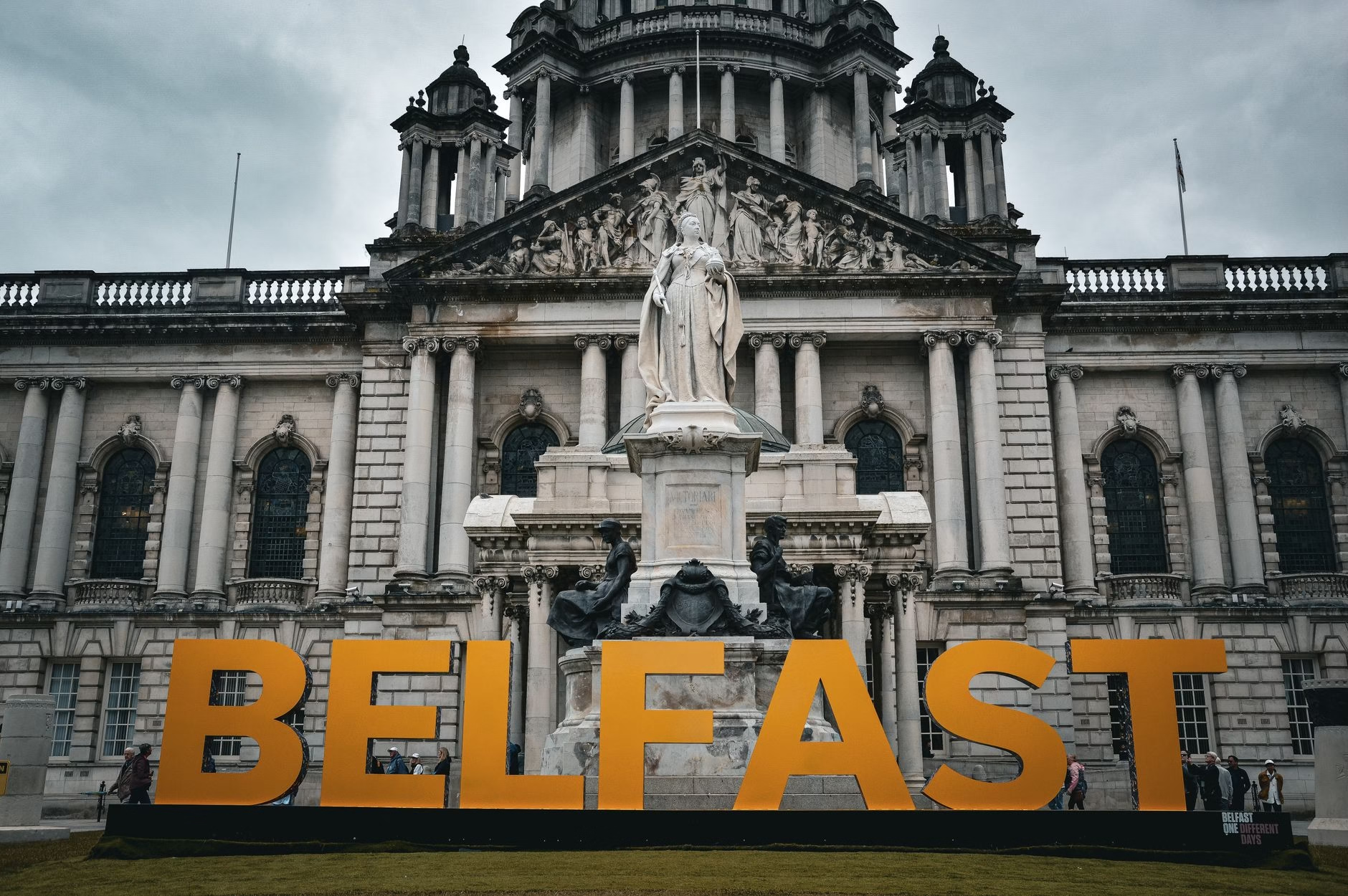
Why Belfast Deserves a Spot on Your Travel List
Belfast, the capital of Northern Ireland, has transformed from an industrial powerhouse into a vibrant cultural hub that attracts curious travelers from around the globe. Its streets are a living museum where Victorian architecture rubs shoulders with contemporary street art, and its maritime heritage is celebrated alongside a thriving food and music scene. Whether you’re a history buff, a lover of great coffee, or an outdoor enthusiast, Belfast offers a surprisingly diverse menu of experiences that can fill a short city break or a longer adventure.
Top Must‑See Attractions in the City Centre
When you first arrive in Belfast, the city centre is the most convenient place to start your exploration. A short walk will take you past a cluster of iconic sites that define the city’s character.
- Titanic Belfast – An award‑winning visitor attraction built on the very slipways where the RMS Titanic was launched. The nine interactive galleries trace the ship’s story from conception to legacy.
- Ulster Museum – Located within the Botanic Gardens, this free museum houses collections ranging from natural history specimens to contemporary Irish art.
- Belfast City Hall – A striking Baroque‑revival building that offers free guided tours of its grand interiors and an informative exhibition on the city’s civic history.
- St. George’s Market – One of the city’s oldest markets, bustling on Fridays, Saturdays, and Sundays with local produce, crafts, and live music.
- Albert Memorial Clock – An iconic, slightly leaning clock tower that makes for a great photo stop and a reminder of Belfast’s Victorian engineering prowess.
Each of these attractions can be comfortably visited on foot, and together they give you a solid sense of Belfast’s past, present, and future.
Neighbourhoods Worth Exploring Beyond the Tourist Trail
Beyond the central district, Belfast’s surrounding neighbourhoods each have a distinct flavor. Spend a few hours wandering these areas to see how locals live, work, and play.
- Cathedral Quarter – Named after St. Anne’s Cathedral, this vibrant quarter is famous for its colorful murals, independent boutiques, and a lively bar scene that spills onto cobblestone lanes.
- Queen’s Quarter – Centered around Queen’s University, this area is leafy and intellectual, home to the Botanic Gardens, the Lyric Theatre, and a series of cozy cafés perfect for people‑watching.
- Gaeltacht Quarter (Gaelic Quarter) – A cultural enclave where the Irish language is promoted through signage, street art, and community events. It’s a good place to pick up a few Gaelic phrases.
- Ormeau Road – A residential stretch that boasts an eclectic mix of vintage shops, vegan eateries, and a popular weekly farmers’ market.
- Falls Road and Shankill Road – Historically significant districts that offer guided tours focusing on the city’s political history, murals, and the peace walls.
Food & Drink: A Culinary Journey Through Belfast
Belfast’s food scene has moved far beyond the stereotypical “fish and chips”. The city now hosts an array of eateries that showcase locally sourced produce, creative twists on traditional Irish dishes, and a growing craft beverage culture.
Breakfast and Brunch Spots
Start your day with a hearty Irish breakfast or a lighter, modern brunch. Look for cafés that serve locally roasted coffee, sourdough toast, and eggs from nearby farms. Many venues in the Cathedral Quarter and Queen’s Quarter offer vegetarian and vegan options alongside classic bacon and sausage plates.
Traditional Irish Fare
For an authentic taste of the island, try dishes such as:
- Ulster Fry – A generous plate of soda bread, potato farls, black pudding, and eggs, often served with a side of smoked salmon.
- Irish Stew – A comforting stew of lamb, potatoes, carrots, and onions, slow‑cooked to tender perfection.
- Seafood Chowder – A creamy broth filled with locally caught fish, shellfish, and potatoes, usually paired with crusty soda bread.
Modern Gastronomy
In recent years, Belfast has attracted chefs who blend global influences with Irish ingredients. Look for tasting menus that feature locally foraged mushrooms, artisanal cheeses from County Antrim, and craft beers brewed on the island. The city’s growing number of pop‑up kitchens and food festivals also provide chances to sample experimental dishes.
Pubs, Bars, and Nightlife
No visit to Belfast is complete without spending an evening in a traditional pub. Many of these historic establishments retain original wood paneling, low‑ceilinged snugs (private booths), and a warm, welcoming atmosphere. While there, order a pint of locally brewed Guinness or a craft stout from one of the city’s microbreweries. For a more contemporary scene, head to the Cathedral Quarter where cocktail bars and live‑music venues keep the night alive until the early hours.
When to Visit: Seasonal Considerations
Belfast’s climate is mild but changeable, meaning you can visit any time of the year and still enjoy a rewarding experience. However, each season brings its own set of advantages.
Spring (March–May)
The city’s parks and gardens burst into colour, making it an ideal time for walking tours and picnics. The Botanic Gardens’ cherry blossoms and the Ulster Botanic Garden’s early blooms provide picturesque backdrops for photography.
Summer (June–August)
Long daylight hours allow for extended sightseeing. Summer festivals, such as the Belfast International Arts Festival, fill the cultural calendar with music, theatre, and visual arts. Outdoor terraces open up, and the weather is generally warm enough for alfresco dining, though occasional rain is always a possibility.
Autumn (September–November)
Cooler temperatures and fewer tourists make autumn a pleasant time to explore the city at a relaxed pace. The changing foliage adds a golden hue to historic streets, and you’ll find that accommodation rates often dip slightly after the peak summer period.
Winter (December–February)
While temperatures can be brisk, Belfast’s indoor attractions shine during winter months. The city’s Christmas market in St. George’s Market, festive lights around City Hall, and the cozy atmosphere of traditional pubs make for a charming seasonal experience. Keep an eye on local event listings for winter concerts and theatre productions.
Getting Around: Transportation Tips for Easy Navigation
Belfast is a compact city, and most attractions are within walking distance of each other. Nevertheless, you’ll find several transport options that make getting around simple and affordable.
Walking
Pedestrian-friendly sidewalks, clear signage, and a network of historic streets make walking the most immersive way to explore the city centre. Consider downloading a free offline map of Belfast to navigate the winding lanes of the Cathedral Quarter.
Public Buses
The city’s bus network, operated by Translink, connects the city centre with surrounding suburbs and major attractions such as the Titanic Quarter and the Ulster Museum. Day tickets offer unlimited travel for a flat fee and are a cost‑effective option if you plan to travel beyond walking distance.
Glider Light Rail
The Glider is a modern, electric tram service that runs on a dedicated lane, linking the city centre with the Titanic Quarter, the university area, and the eastern suburbs. The trams run frequently, and the service is designed with tourists in mind, offering easy boarding for those with luggage or strollers.
Bike‑Sharing
For a more active approach, Belfast’s public bike‑share scheme provides stations across the city. The relatively flat terrain makes cycling a pleasant way to travel between the Botanic Gardens, the River Lagan, and the bustling market districts.
Taxis and Ride‑Hailing
Licensed black cabs are readily available, and ride‑hailing apps also operate in the city. Taxis are a convenient option if you’re traveling late at night or need to reach a destination that is not well served by public transport.
Budget‑Friendly Tips for a Cost‑Effective Stay
Traveling in Belfast does not have to break the bank. With a little planning, you can enjoy many of the city’s highlights without overspending.
- Free Attractions – Take advantage of free entry to the Ulster Museum, the Botanic Gardens, and the Belfast City Hall exhibition. Walking the city’s famed murals is also completely free.
- City Passes – Look for tourism cards that bundle entry to several attractions at a reduced rate. These often include a free hop‑on hop‑off bus tour, which is a great way to see the city at your own pace.
- Meal Deals – Many cafés and pubs offer set lunch menus that provide a hearty meal for a modest price. Supermarkets also stock ready‑made salads and sandwiches that are perfect for a picnic in the gardens.
- Public Transport Savings – Purchase a day or week pass for buses and the Glider if you plan to move around frequently. These passes are cheaper than buying individual tickets each time.
- Accommodation Choices – Hostels, guesthouses, and budget hotels in the city centre often provide good value. Booking a room with a shared kitchen allows you to prepare simple meals and cut food costs.
Day Trips from Belfast: Exploring the Wider Region
One of Belfast’s greatest strengths is its proximity to a range of scenic landscapes and historic sites that can be explored in a single day. Here are a few highly recommended excursions.
Giant’s Causeway
About an hour’s drive north of Belfast, this UNESCO World Heritage Site features interlocking basalt columns formed by an ancient volcanic eruption. The visitor centre offers interpretive displays, and the surrounding coastal walks provide dramatic sea‑view panoramas.
Carrick‑a‑Rede Rope Bridge
Located near the Giant’s Causeway, the rope bridge spans a narrow strait and offers an exhilarating crossing. The nearby visitor centre also shares the legend of the Irish pirate queen Anne Bonny.
Mount Mourne
The highest peaks in Northern Ireland lie just a short drive from the city. Hiking trails range from gentle walks to challenging climbs, and the summit offers sweeping views over the Mourne Mountains and the Irish Sea.
Derry/Londonderry
Two hours west of Belfast, the walled city of Derry boasts a well‑preserved 17th‑century fortification, vibrant street art, and a lively cultural calendar. Guided walking tours highlight the city’s complex history and its role in the peace process.
Newcastle and the Mourne Coast
The seaside town of Newcastle sits at the foot of the Mourne Mountains. Its promenade, historic harbour, and the nearby Tollymore Forest Park make it a perfect spot for a relaxed coastal day trip.
Practical Logistics: What You Need to Know Before You Go
Before you set off for Belfast, a few practical considerations will help your trip run smoothly.
Entry Requirements
Belfast is part of the United Kingdom, so passport requirements follow UK rules. Visitors from the European Union, the United States, Canada, and many other countries can enter without a visa for short stays, but always check the most recent government guidance before traveling.
Currency and Payments
The official currency is the British pound sterling (£). Credit and debit cards are widely accepted, especially in hotels, restaurants, and larger shops. Many smaller establishments and market stalls also accept contactless payments, but it’s wise to carry a modest amount of cash for occasional cash‑only venues.
Language
English is the primary language used throughout the city. You’ll also encounter Irish (Gaelic) signs, especially in cultural districts, and a few residents may speak Ulster‑Scots. Learning a few basic Irish greetings can be a friendly gesture.
Health and Safety
Belfast’s healthcare system provides emergency services through the NHS. In the unlikely event of a medical need, the nearest accident‑and‑emergency department is located at the Royal Victoria Hospital. Travel insurance that covers medical emergencies is advisable for all visitors.
Connectivity
Free Wi‑Fi is available in many public libraries, cafés, and some city‑wide hotspots. For reliable coverage, consider purchasing a local SIM card from a major UK provider; they offer pay‑as‑you‑go data plans that work throughout Northern Ireland.
Electrical Outlets
The UK uses a Type G plug with a 230 V supply. If you’re traveling from a region with a different plug type, bring a suitable adapter.
Time Zone
Belfast operates on Greenwich Mean Time (GMT) during the winter months and switches to British Summer Time (BST) in the summer, moving the clocks forward one hour.
Local Etiquette and Cultural Insights
Understanding a few cultural norms will help you blend in and show respect for the local community.
- Politeness – Greetings such as “How are you?” or “Good morning” are common. A friendly “Cheers” when receiving a drink is appreciated.
- Conversation Topics – Discussing the city’s rich musical heritage, its maritime history, or the natural beauty of the surrounding countryside is usually well‑received. Avoid making assumptions about political affiliations unless you have a close relationship with the person you’re speaking to.
- Pub Culture – When visiting a traditional pub, it’s customary to wait for the bartender to serve you your drink, rather than ordering at the bar. Tipping is not obligatory but rounding up the bill or leaving a small amount for good service is common.
- Respect for Public Spaces – Keep noise levels moderate in residential areas, especially after sunset. Littering is taken seriously; most neighborhoods have clearly marked recycling bins.
Seasonal Events and Festivals You Shouldn’t Miss
Belfast’s calendar is packed with events that showcase its artistic spirit, sporting passion, and community pride.
Arts and Culture
The Belfast International Arts Festival runs each summer, offering a mix of theatre, dance, visual art, and street performances. The Féile an Phobail celebrates Irish language, music, and culture, often featuring folk sessions and traditional dance.
Music
From the legendary St. George’s Hall concerts to smaller venues that host local indie bands, Belfast’s music scene is lively year‑round. The Ulster Hall often hosts classical concerts and contemporary acts alike.
Sport
If you’re a football fan, catching a match at the Windsor Park stadium, home of the Northern Ireland national team, can be an exhilarating experience. The city also hosts an annual marathon that draws participants from across the UK and Ireland.
Food and Drink
Food lovers can look forward to the St. George’s Market Food Festival, where local producers showcase seasonal specialties, artisan breads, and craft beverages. The festival atmosphere combines music, cooking demonstrations, and tastings.
Accommodations: From Boutique Hotels to Budget Hostels
Belfast’s range of lodging options caters to every travel style and budget.
Luxury Stays
For those seeking a high‑end experience, several historic hotels have been refurbished to blend classic charm with modern amenities. These properties often provide easy access to the city centre and feature on‑site restaurants serving locally sourced menus.
Mid‑Range Hotels and Guesthouses
Many boutique hotels are located within converted warehouses or Georgian townhouses, offering a blend of contemporary design and heritage architecture. Guesthouses in residential neighbourhoods provide a more homely atmosphere and often include breakfast made from local produce.
Budget Options
Hostels in the Cathedral Quarter and Queen’s Quarter provide dormitory‑style rooms as well as private cabins. They are typically located close to pubs, cafés, and public transport links, making them a practical base for backpackers and solo travelers.
Self‑Catering Apartments
Platforms such as Airbnb list a variety of apartments throughout the city. Choosing a self‑catering unit can be economical for families or groups who prefer to prepare some meals on their own.
Putting It All Together: Sample Itineraries
Below are two sample itineraries—one for a compact 2‑day city break and another for a more relaxed 5‑day trip that includes a few day‑trip highlights.
2‑Day Quick‑Visit Itinerary
- Day 1 Morning – Start with a guided walking tour of the Cathedral Quarter to see the murals and learn about Belfast’s recent history.
- Day 1 Midday – Visit Titanic Belfast; allocate a few hours for the galleries.
- Day 1 Lunch – Grab a sandwich and a locally brewed stout at a nearby café.
- Day 1 Afternoon – Explore the Ulster Museum and take a leisurely stroll through the Botanic Gardens.
- Day 1 Evening – Dine at a restaurant in Queen’s Quarter and enjoy live music at a traditional pub.
- Day 2 Morning – Tour Belfast City Hall and wander through the adjacent gardens.
- Day 2 Midday – Browse St. George’s Market for local crafts and a bite‑to‑eat.
- Day 2 Afternoon – Take the Glider to the Titanic Quarter for a quick visit to the Harland & Wolf Shipyard museum.
- Day 2 Evening – Finish with a sunset walk along the River Lagan and a final pint at a riverside bar.
5‑Day Extended Itinerary with Day Trips
- Day 1–2 – Follow the 2‑day quick‑visit plan, adding a night out in the Cathedral Quarter.
- Day 3 – Take a full‑day guided tour to the Giant’s Causeway and Carrick‑a‑Rede, returning in the evening.
- Day 4 – Spend the morning hiking in the Mourne Mountains; pack a picnic and enjoy the scenery. In the afternoon, visit the coastal town of Newcastle for dinner.
- Day 5 – Explore Derry/Londonderry with a focus on its historic walls and cultural sites. Return to Belfast for a farewell dinner at a restaurant that highlights local ingredients.
Final Thoughts: Embracing Belfast’s Unique Spirit
Belfast is a city of contrasts—industrial heritage sits alongside vibrant street art, solemn remembrance shares space with lively festivals, and historic pubs stand next to cutting‑edge culinary ventures. Its compact size makes it easy to explore on foot, yet its surrounding landscapes provide ample opportunity for outdoor adventure. By immersing yourself in its neighborhoods, tasting its evolving food scene, and taking the time to learn about its complex history, you’ll discover why Belfast continues to capture the hearts of travelers from around the world. Pack your walking shoes, bring an open mind, and let the capital of Northern Ireland show you a warm, welcoming, and unforgettable experience.
