
Key Takeaways
- The Black Hills span western South Dakota and northeastern Wyoming; base in Rapid City, Custer, Hill City or Deadwood.
- Car travel is essential; attractions are spread, so plan routes by area and allow extra time for roads and wildlife.
- Check seasonal road closures, vehicle restrictions on Needles Highway, and cave tour schedules before you go.
- Pack layered clothing, water, sun protection, offline maps, and respect park rules and wildlife safety.
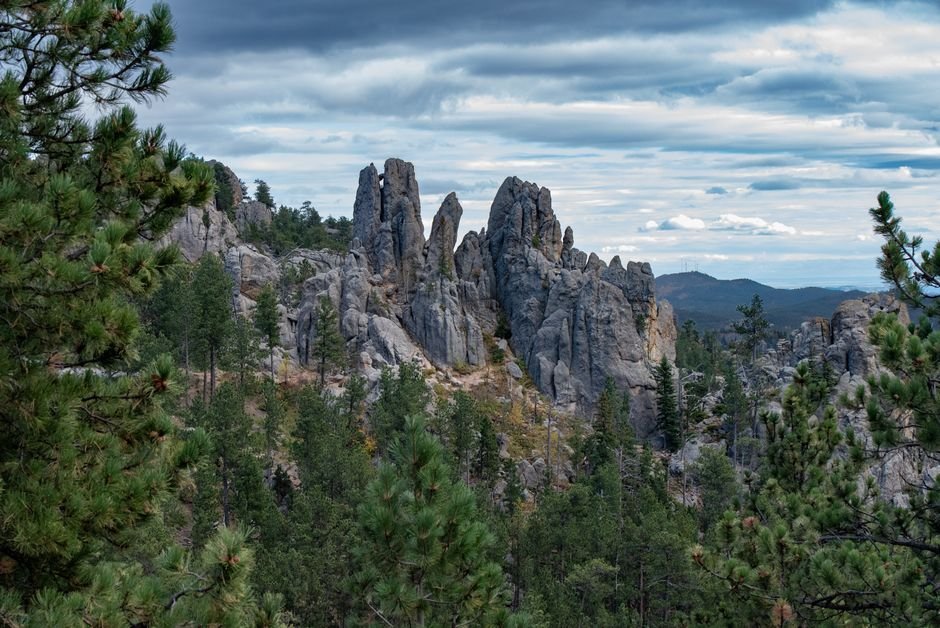
things to do in black hills include scenic drives, memorable hikes, wildlife watching, and visits to landmarks across western South Dakota and northeastern Wyoming. This beautiful region of the United States is a rewarding road-trip destination, but its attractions are spread out, so a little planning makes a big difference.
The Black Hills are a mountain region rather than a single city. Rapid City is a popular gateway, while towns such as Custer, Hill City, and Deadwood make useful bases for different parts of the region. You will need a car for most itineraries, and driving times can be longer than they look on a map.
From Mount Rushmore and Custer State Park to quiet forest trails and historic streets, there is plenty to fill several days. This guide covers the best places to visit, practical transport advice, seasonal considerations, and ways to make your trip easier.
20 Things to Do in Black Hills
Tip 1 – See Mount Rushmore National Memorial
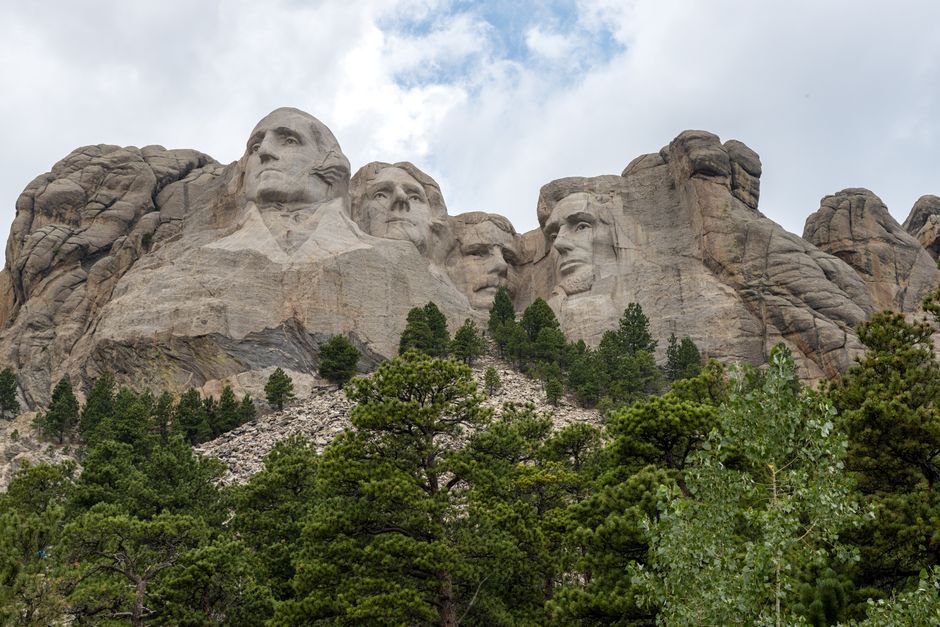
Mount Rushmore is the region’s best-known landmark, with the four presidential faces carved into a granite mountain near Keystone. Walk the Avenue of Flags, visit the sculptor’s studio when open, and take the short Presidential Trail for closer viewpoints. Admission to the memorial is free, but parking has a fee. Arrive early during summer to avoid the busiest period.
Check the National Park Service Mount Rushmore visitor information for current hours, programs, and access details.
Tip 2 – Drive the Needles Highway
South Dakota Highway 87 winds through Custer State Park past granite spires, forest, and narrow tunnels. The Needles Eye Tunnel is a highlight, but it is tight enough that larger vehicles may not fit. Check vehicle restrictions before setting out, allow time for photo stops, and avoid rushing around the curves. The road is generally seasonal and may close in winter weather.
Tip 3 – Explore Custer State Park
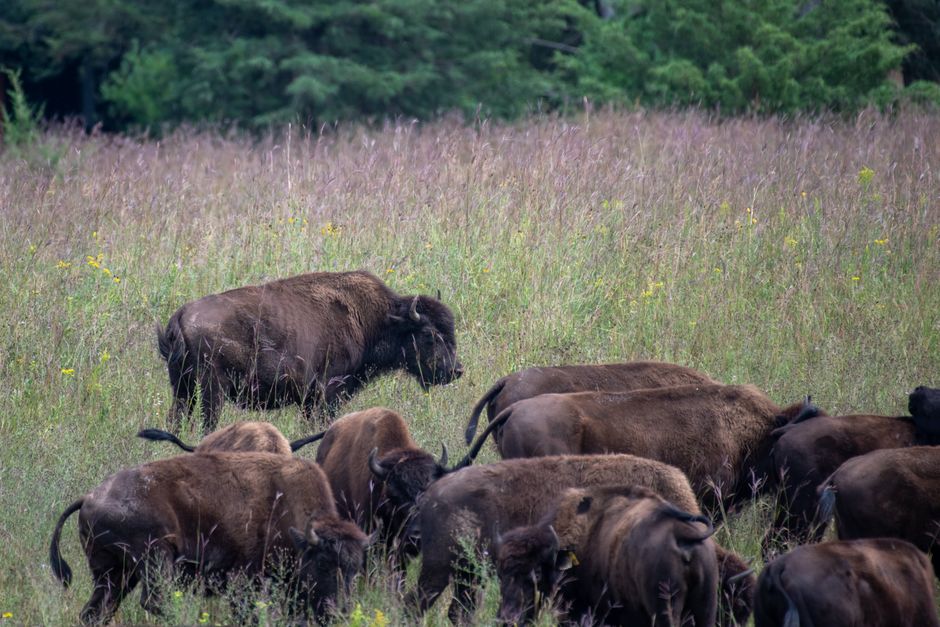
Custer State Park is one of the most rewarding places to experience the Black Hills landscape. Drive the Wildlife Loop Road to look for bison, pronghorn, prairie dogs, and other animals, or choose a trail near Sylvan Lake. Wildlife sightings are never guaranteed, and bison are powerful wild animals. Stay inside your vehicle when appropriate, keep a safe distance, and follow posted guidance.
Review Custer State Park’s official visitor information for current fees, road conditions, and seasonal activities.
Tip 4 – Walk around Sylvan Lake
Sylvan Lake is a scenic stop within Custer State Park, surrounded by granite formations and woodland. The lakeside path is a manageable choice for many visitors, while nearby routes lead to more challenging hikes. In summer, the area can be crowded and parking limited, so go early or later in the day. Bring water even for a short walk.
Tip 5 – Visit Crazy Horse Memorial
Crazy Horse Memorial is a large, ongoing mountain-carving project and cultural destination near Custer. The complex includes a museum, Native American cultural programming, and views of the mountain sculpture. It is a separate attraction from Mount Rushmore, with its own admission arrangements. Give yourself time to explore beyond the outdoor viewing area, and check the official site for events and current access.
Tip 6 – Hike in Black Elk Peak and the surrounding hills
Black Elk Peak is the highest point in South Dakota and a popular goal for experienced hikers. Several routes pass through forest and rocky terrain, and the summit has broad views across the region. Trail length and difficulty vary by route, so check a current map and choose a hike that fits your fitness and the weather. Carry water, sun protection, and a charged phone, but do not rely on mobile coverage.
Tip 7 – Visit Wind Cave National Park

Wind Cave National Park protects one of the world’s longest cave systems, along with prairie, ponderosa pine forest, and wildlife habitat. Cave access is by guided tour, and tour availability can change, so check current schedules and reserve ahead when possible. Above ground, you can take a scenic drive or walk a trail through the mixed landscape.
Use the official Wind Cave National Park website to check tour details, alerts, and park conditions.
Tip 8 – Discover Jewel Cave National Monument
Jewel Cave offers a different underground experience, with intricate cave formations and guided tours. Tour routes have varying lengths and physical demands, and availability can be limited during busy periods. Book as early as practical if a particular tour matters to your plans. The monument is west of Custer, so combine it with nearby stops rather than trying to squeeze it into a day packed with distant attractions.
Tip 9 – Spend time in historic Deadwood
Deadwood’s historic downtown recalls its Gold Rush past, with preserved buildings, museums, and gaming venues. Walk Main Street, learn about local history, and look for seasonal reenactments or events. It has a livelier, more commercial feel than the quiet trails and lakes elsewhere in the Black Hills. If you prefer a calmer visit, come in the morning or outside major event weekends.
Tip 10 – Take a scenic drive on Iron Mountain Road

Iron Mountain Road connects the Mount Rushmore area with Custer State Park and is famous for its curves, pigtail bridges, and mountain views. Some tunnels frame Mount Rushmore in the distance, though visibility depends on conditions and traffic. The drive is slow by design, so build in time for pullouts and be patient behind other visitors. Check tunnel dimensions if you are driving a large vehicle or towing.
Tip 11 – Explore Spearfish Canyon
Spearfish Canyon Scenic Byway follows a deep limestone canyon north of the central Black Hills. Waterfalls, forest, and changing rock colors make it a rewarding drive in several seasons. Popular stops include Bridal Veil Falls and Roughlock Falls, with trails and viewpoints nearby. Conditions can change quickly, especially in colder months, so check the forecast and road status before you go.
Tip 12 – Visit the Black Hills town of Hill City
Hill City is a convenient small-town stop between Mount Rushmore, Custer, and other central attractions. Browse local shops, find a relaxed meal, or take a ride on the 1880 Train when it is operating. It is a practical base if you want easy access to several sights, though lodging and dining choices are more limited than in a larger city. Book ahead in peak season.
Tip 13 – Ride the historic 1880 Train
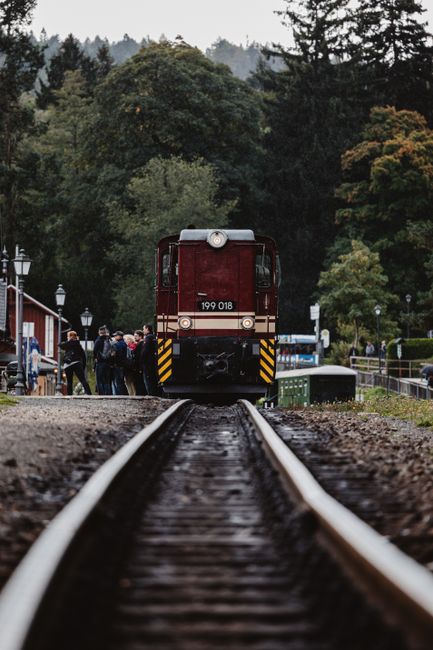
The Black Hills Central Railroad’s 1880 Train runs between Hill City and Keystone on a historic route through the hills. It is a comfortable way to enjoy the scenery without driving, and a popular choice for families. The ride takes a few hours round trip, so check departure times and book tickets in advance during busy dates. It is a special outing rather than a substitute for transportation around the whole region.
Tip 14 – See the mammoths at The Mammoth Site
The Mammoth Site in Hot Springs is an active paleontological site built around a large collection of Ice Age mammoth remains. Guided and self-guided experiences explain how the fossils were discovered and studied. It is a useful indoor activity on a rainy or very hot day, and can be especially engaging for children interested in natural history. Check opening times before driving to Hot Springs.
Tip 15 – Find family-friendly stops and easy walks
Families can mix short nature walks with hands-on museums, scenic drives, and animal viewing. Sylvan Lake’s lakeside route, the 1880 Train, and The Mammoth Site are accessible options for many families, though individual mobility needs vary. Keep snacks and water in the car, plan breaks between longer drives, and avoid approaching wildlife even when animals appear close to the road.
Tip 16 – Try local food and regional specialties
Look for South Dakota favorites such as chislic, a local dish of seasoned meat, along with bison burgers, trout, and hearty diner breakfasts. Menus and availability vary by town and season. Small communities may have fewer late-night dining choices, so check opening hours and keep a backup option in mind. Tipping is customary at sit-down restaurants in the United States, with the amount based on service and local expectations.
Tip 17 – Plan a budget-conscious Black Hills visit
Some of the region’s best experiences are outdoor activities, but park fees, cave tours, parking, and fuel can add up. Compare lodging in Rapid City, Custer, Hill City, and smaller towns based on the attractions you plan to visit. Pack picnic lunches for long sightseeing days and check official fee information before travel. For more regional ideas, see this guide to 20 Fun and Best things to do in the midwest.
Tip 18 – Choose the right season and book ahead
Summer has long daylight hours and the fullest range of seasonal activities, but it also brings the largest crowds and higher demand for rooms. Spring and fall can be quieter, with variable weather and some seasonal closures. Winter offers a peaceful setting, but snow and ice may affect roads and access. Reserve popular accommodation and timed cave tours early, especially around holidays and major events.
Tip 19 – Get around by car and prepare for changing conditions
A rental car is the most practical way to see the Black Hills because attractions are spread across a wide area and public transport is limited. Plan routes by area rather than crossing the region repeatedly, and allow extra time for winding roads, wildlife, and photo stops. Download offline maps before leaving town, keep fuel above empty, and check road and weather updates. A navigation app is useful, but it may not show closures or have reliable coverage everywhere.
Tip 20 – Travel thoughtfully, stay safe, and avoid the common mistake
Respect park rules, tribal communities, historic sites, and private property. Follow posted trail guidance, carry water and layers, and watch for sudden storms or temperature changes. In an emergency in the United States, call 911. The most common planning mistake is underestimating distances and trying to fit Mount Rushmore, Custer State Park, caves, and Deadwood into one day. Choose a smaller group of sights and enjoy them at a sensible pace.
Quick Reference for a Black Hills Trip
| Trip detail | Practical guidance |
|---|---|
| Best base | Choose Rapid City for a wider range of services, or Custer and Hill City for easier access to central attractions. |
| Getting around | A car is strongly recommended. Check road access and vehicle restrictions before scenic drives. |
| How long to stay | Allow at least three days for highlights; five or more days gives you room for hikes, caves, and slower travel. |
| Best time to visit | Late spring through early fall offers many seasonal services, while shoulder seasons can be quieter but less predictable. |
| Advance planning | Check cave tour schedules, accommodation availability, park alerts, and seasonal road closures. |
| Useful preparation | Bring layers, comfortable walking shoes, sun protection, water, offline maps, and a car charger. |
Practical Travel Advice for the Black Hills
Visa & Entry Requirements
The Black Hills are in the United States, so visitors must meet U.S. entry requirements. Visa, passport-validity, authorization, vaccination, customs, and length-of-stay rules depend on the traveler’s passport and current government policy. Requirements can change, and eligibility for a visa or an electronic travel authorization is not the same for every nationality.
Before booking, check the U.S. government’s official visa information and, where relevant, the U.S. Customs and Border Protection guidance for international visitors. Travelers who may use the Visa Waiver Program should confirm current eligibility and authorization requirements through official U.S. government channels. Do not rely only on airline websites, third-party visa services, or old travel advice.
Check your passport’s expiry date and condition well before departure. Some travelers may need their passport to remain valid for a period beyond their planned stay, while rules and exceptions depend on nationality and current agreements. Make sure you have enough blank pages if required for your itinerary, and confirm whether you need a visitor visa or electronic travel authorization before traveling.
At the border, officials may ask about your return or onward travel, accommodation, travel purpose, and ability to cover your visit. Keep relevant booking details accessible, and consider travel insurance that suits your trip. Declare items when required and check current customs rules for food, plants, medicines, and other goods. Vaccination or health documentation requirements can also change, so verify them with official sources before departure.
Entry decisions and permitted stay are determined by U.S. authorities, not by a hotel booking or an airline ticket. Confirm the length of stay you are allowed and any conditions attached to your admission. This information is general travel guidance, not legal advice. For a final decision about your circumstances, consult the relevant U.S. embassy or consulate and official government websites before you travel.
Local customs, language, and useful apps
English is widely used, and visitors can get by with basic phrases such as “hello,” “please,” “thank you,” and “excuse me.” The region has important Indigenous history and living Native communities. Be respectful at cultural sites, follow photography rules, and use the names and guidance provided by local communities and site staff.
Download offline maps, save accommodation details, and check official park pages for alerts. Mobile reception can be weak in forested and rural areas, so tell someone your hiking plans and carry a paper map for longer outings. Keep your phone charged and consider a power bank for full days on the road.
What to pack for the Black Hills
Pack comfortable walking shoes, a light rain layer, warm clothing for cool mornings, sunscreen, a hat, and a reusable water bottle. Temperatures can vary between seasons and throughout the day. If you plan to hike, bring suitable layers and a small first-aid kit. In winter or shoulder seasons, check conditions and pack footwear and clothing appropriate for snow, ice, or cold weather.
Frequently Asked Questions
What are the best things to do in Black Hills for a first visit?
Start with Mount Rushmore, Custer State Park, and a scenic drive such as Needles Highway or Iron Mountain Road. If time allows, add a cave tour, a stop in Deadwood, or a hike near Sylvan Lake. Group attractions by area to spend less time driving.
How many days do you need in the Black Hills?
Three days is a reasonable minimum for several major sights, but it will feel busy. Five to seven days gives you more time for caves, hiking, historic towns, and unhurried scenic drives. Add more time if you want to include nearby destinations beyond the hills.
Do you need a car to visit the Black Hills?
In most cases, yes. Attractions are spread across the region, and public transportation between them is limited. A rental car gives you the flexibility to reach parks, trailheads, and small towns, but check restrictions for tunnels and narrow roads if you have a large vehicle.
When is the best time to visit the Black Hills?
Late spring through early fall is popular for outdoor activities and seasonal services. Summer offers long days but brings more visitors. Spring and fall can be quieter, although some facilities or roads may have limited access. Winter visits can be beautiful but require careful checks on weather and road conditions.
Are there free things to do in Black Hills?
Yes. You can enjoy many hikes, scenic overlooks, and drives without paying an admission fee, though some parks, parking areas, or facilities charge fees. Mount Rushmore has no entrance fee, but its parking facility charges a fee. Check current official information before visiting.
Is the Black Hills region suitable for families?
Yes. Families can choose short walks, wildlife viewing, scenic drives, the 1880 Train, and educational attractions such as The Mammoth Site. Plan around children’s ages and energy levels, and leave plenty of time for rest stops and meals.
Conclusion
The Black Hills combine famous American landmarks with forest roads, wildlife, caves, historic towns, and outdoor adventures. A trip can be as active or relaxed as you like, but the distances between attractions make a realistic schedule essential.
For the best experience, choose a convenient base, book popular tours ahead, and keep your plans flexible around weather and seasonal access. With thoughtful preparation, the things to do in black hills can fill several memorable days in South Dakota and the neighboring Wyoming landscape.
