
Top Must‑See Attractions in Brighton
Brighton’s reputation as the “London by the sea” is earned through its eclectic blend of historic landmarks, contemporary art, and lively public spaces. First‑time visitors often start with the city’s most iconic sites, which together paint a picture of Brighton’s maritime heritage and its modern, bohemian spirit.
Among the most photographed locations is the Royal Pavilion. This former royal residence, built for George IV in the early 19th century, dazzles with its Indo‑Saracenic façade and opulent interiors that feel more like a palace in India than a seaside retreat in England. The Pavilion’s gardens offer a peaceful spot for a brief respite after exploring the lavish rooms.
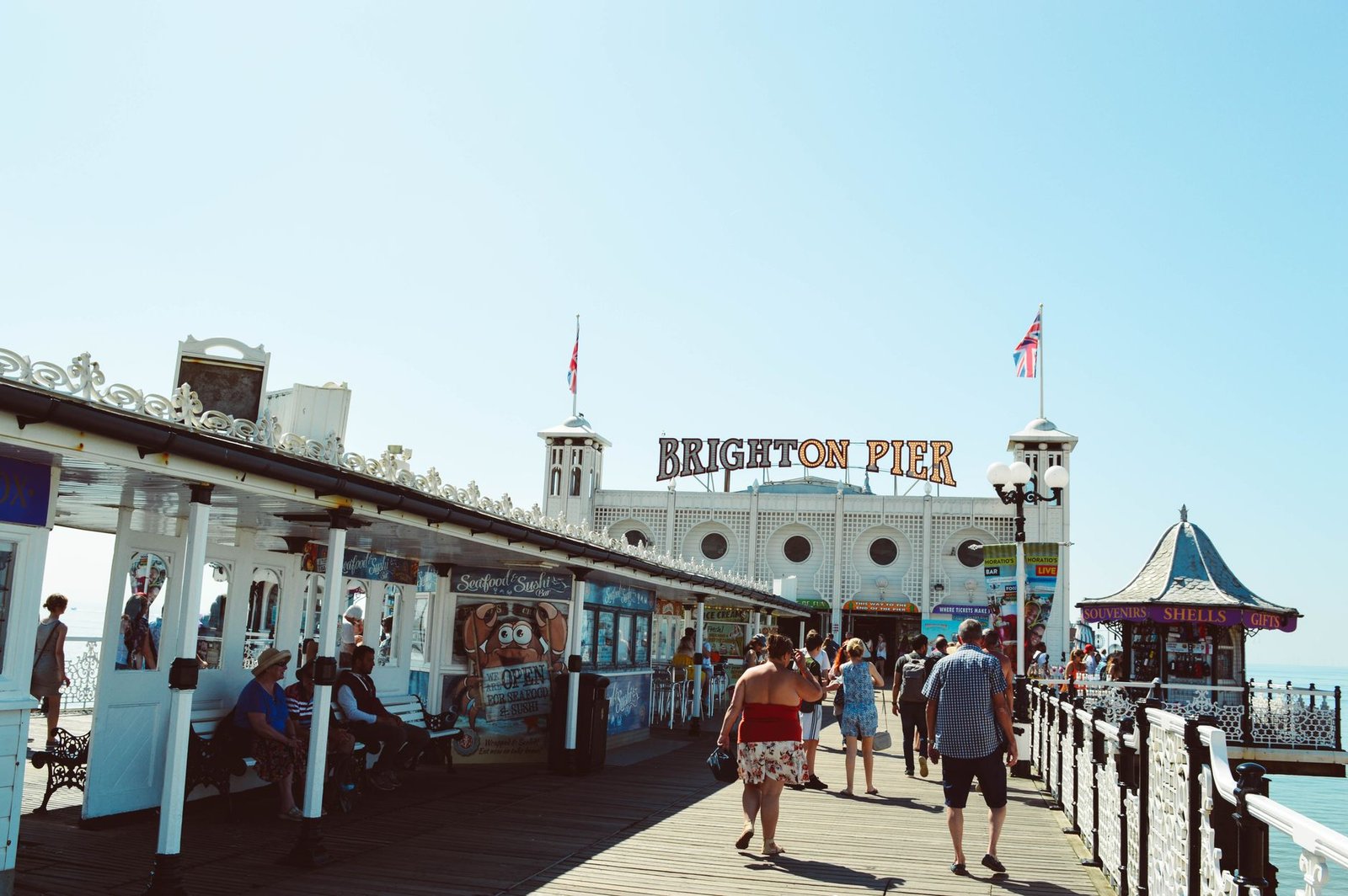
A short walk from the Pavilion brings you to Brighton Pier. Its bright lights, vintage amusements, and traditional fish‑and‑chips stalls have been drawing crowds for more than a century. Even if you’re not a fan of rides, the pier is a perfect place to enjoy the sea breeze, snap photos of the iconic roller coaster, and soak in the nostalgic atmosphere.
Another must‑see is Sea Life Brighton, England’s oldest aquarium. Housed in a Victorian building on the seafront, it offers close encounters with marine creatures ranging from colorful reef fish to graceful rays. The aquarium’s historic glass‑cage architecture makes the experience feel like stepping back in time.
- Royal Pavilion – historic royal residence with exotic interiors.
- Brighton Pier – classic seaside amusement with rides, food stalls, and stunning sea views.
- Sea Life Brighton – historic aquarium featuring native and exotic marine life.
- Brighton Museum & Art Gallery – cultural hub showcasing local history and contemporary art.
- The Lanes – maze of narrow streets filled with independent shops and cafés.
Exploring Brighton’s Iconic Seafront
The seafront is the beating heart of Brighton, a stretch of promenade that invites both relaxation and adventure. A leisurely stroll along the Brighton Palace Pier leads you past a series of arcades, each with its own character. The western end hosts the historic Brighton Wheel, a giant observation wheel that offers panoramic vistas of the city, the South Downs, and the English Channel.
Continuing eastward, you’ll find the Brighton Marina. While the marina itself is a hub for leisure boats and watersports, the surrounding area boasts a range of eateries and a cinema. The nearby Brighton Beach, with its pebbly shore, is perfect for sunbathing in the summer or a brisk walk at any time of year.
For a taste of Brighton’s quirky side, head to the Brighton Beach Huts. These colourful, retro‑style structures line the promenade and often serve as pop‑up galleries, craft markets, or community art projects. Their ever‑changing façades reflect the city’s commitment to creativity and self‑expression.
The Lanes and North Laine: Shopping & Street Culture
Brighton’s reputation as a hub for independent boutiques and vintage treasures is most evident in two distinct districts: The Lanes and North Laine. The Lanes, a network of narrow, winding streets just north of the seafront, house an impressive concentration of antique shops, jewellery stores, and independent bookshops. The cobblestone streets give the area an intimate, almost medieval feel, making it a favorite spot for photographers and treasure hunters alike.
North Laine, on the other hand, feels more like a creative village transplanted onto the city’s edge. Here you’ll find colourful mural‑covered walls, independent fashion outlets, and a thriving craft scene. The area’s bustling market, held on Saturdays, showcases local artisans selling everything from handmade pottery to vintage vinyl records.
Both districts are pedestrian‑friendly, encouraging visitors to wander at a leisurely pace, pop into a café for a coffee, or pause at a street performer’s act. The blend of historic charm and contemporary edge makes these neighborhoods a microcosm of Brighton’s broader character.
Food & Drink: From Fish and Chips to Vegan Cafés
Brighton’s culinary scene mirrors its diverse population. Traditional British fare sits comfortably alongside a thriving vegetarian and vegan movement, a reflection of the city’s progressive ethos. When in Brighton, a classic plate of fish and chips served from a seaside stall is almost obligatory. The fresh catch, lightly battered and paired with crisp chips, tastes especially rewarding when enjoyed with a view of the rolling waves.
For those seeking plant‑based options, Brighton is often cited as one of the most vegan‑friendly cities in the UK. Independent cafés serve inventive dishes such as chickpea “scramble” breakfasts, cauliflower “steaks,” and locally sourced smoothies. The city’s commitment to sustainability is also evident in the prevalence of organic markets and zero‑waste eateries.
Craft beer enthusiasts will feel right at home in Brighton’s numerous microbreweries and taprooms. The city’s brewing history dates back to the 19th century, and modern establishments continue this tradition with locally sourced hops and experimental flavours. A popular activity is to join a “brewery tour,” which often includes tasting sessions and insight into the brewing process.
Don’t overlook the sweet side of Brighton’s food culture. The city’s ice‑cream parlours, especially those serving homemade flavours like lavender honey or sea‑salt caramel, are perfect for a summer treat. Meanwhile, the historic Brighton Corn Exchange hosts a rotating roster of food stalls, offering an array of international cuisines ranging from Mexican tacos to Japanese ramen.
Arts, Museums and Galleries
Culture thrives in Brighton, with a wide range of museums and galleries that cater to all interests. The Brighton Museum & Art Gallery, located within the Royal Pavilion Gardens, presents a mix of local history, fashion, and contemporary art. Its rotating exhibitions ensure there’s always something new to discover, whether you’re drawn to the Victorian era or modern installations.
For contemporary art lovers, the Brighton Centre for Contemporary Art (CCA) offers thought‑provoking exhibitions that often feature emerging artists from the UK and beyond. Its program includes workshops, artist talks, and community‑driven projects, encouraging visitors to engage more deeply with the works on display.
The city also boasts a thriving street‑art scene. Walking through North Laine, you’ll encounter large‑scale murals, stencil art, and ever‑changing graffiti, many of which are curated through community initiatives. This dynamic public art adds colour to the urban landscape and reflects Brighton’s commitment to creativity as a public good.
The Brighton Fringe Festival, held each May, transforms the city into a giant stage. While not a museum, the festival’s temporary venues, pop‑up performances, and interactive installations contribute significantly to Brighton’s artistic reputation.
Outdoor Activities and Beaches
Brighton’s coastline invites a range of outdoor pursuits beyond simply lounging on the pebble beach. For the adventurous, kite‑surfing and wind‑surfing are popular thanks to the reliable breezes that sweep across the Channel. Local schools offer lessons for beginners, making it easy to try the sport even without prior experience.
Walking and cycling enthusiasts will appreciate the Brighton to Lewes Downs Path, a scenic trail that links the city to the historic town of Lewes, passing through the South Downs National Park. The route offers rolling hills, chalk cliffs, and panoramic views, providing a refreshing contrast to the urban bustle.
For families, the Brighton Sea Life Centre includes a touch‑pool where children can interact with starfish, crabs, and small fish. Nearby, the Brighton Marina’s watersports centre offers paddle‑boarding, kayaking, and sailing lessons, catering to a wide range of skill levels.
Finally, the city’s many green spaces, such as Preston Park and Hove Lawns, serve as ideal spots for picnics, outdoor yoga sessions, or a casual game of frisbee. These parks often host free summer concerts and community events, adding to the city’s vibrant outdoor culture.
When to Visit: Seasons and Events
Brighton enjoys a temperate maritime climate, meaning it can be visited comfortably year‑round, though each season offers a distinct experience. Summer (June to August) brings the warmest temperatures, longer daylight hours, and a packed calendar of festivals. The Brighton Festival in May, one of the UK’s largest arts festivals, showcases theatre, music, dance, and visual arts, drawing performers from across the globe.
Spring (March to May) offers blooming gardens and milder weather, ideal for exploring the city’s outdoor attractions without the summer crowds. The Brighton Kite Festival, typically held in September, celebrates the city’s strong wind conditions and attracts kite‑makers and enthusiasts from around the world.
Autumn (September to November) provides a comfortable climate for walking the seafront and enjoying the local food scene, especially as many restaurants begin to showcase seasonal produce. Winter (December to February) is quieter, but the city’s festive lights, holiday markets, and the occasional snow‑capped South Downs create a charming atmosphere. Many attractions remain open year‑round, and off‑peak accommodation rates can make a winter visit particularly economical.
Getting Around: Transport Options
Brighton’s compact layout makes it easy to explore on foot, but a range of transport options ensures you can reach farther attractions efficiently. The city centre is well‑served by a network of bus routes operated by the local council. Buses run frequently along the seafront, through The Lanes, and to surrounding suburbs.
For cyclists, Brighton offers an extensive network of dedicated cycle lanes. Bike‑sharing schemes are available at several stations, allowing visitors to rent a bike for short trips. The city’s flat terrain along the coast and rolling hills inland make cycling a pleasant way to see both urban and rural scenery.
The Brighton Railway Station is a major hub on the south coast, offering regular services to London, Gatwick Airport, and other regional destinations. The train journey from London Victoria typically takes about an hour, making Brighton an accessible weekend getaway for city‑based travellers.
If you prefer the sea, ferry services run between Brighton and nearby coastal towns, providing a scenic alternative to road travel. For those arriving by car, the A23 connects the city directly to London, and several car parks are available in the city centre, though they can fill quickly during peak periods.
- Walking – ideal for The Lanes, seafront, and central attractions.
- Bus – frequent routes throughout the city and surrounding suburbs.
- Cycling – extensive bike lanes and hire schemes.
- Train – fast connections to London, Gatwick, and the south coast.
- Ferry – seasonal services offering coastal views.
Budget‑Friendly Tips and Free Things to Do
Brighton can be enjoyed on a modest budget without missing out on its core attractions. Many of the city’s natural and cultural highlights are free or low‑cost. A walk along the seafront, watching the sunset over the Channel, is complimentary and offers unforgettable photo opportunities.
Visit the Brighton Museum & Art Gallery, which offers free admission to its permanent collections. The museum’s rotating exhibitions sometimes carry a modest charge, but the core displays—covering local history, fashion, and art—are always free.
The Royal Pavilion Gardens provide a tranquil setting for picnics and leisurely strolls without entering the Pavilion itself. Similarly, Preston Park and Hove Lawns are excellent locations for free outdoor recreation, from frisbee to open‑air concerts during summer evenings.
For budget food options, head to local markets such as the Brighton Open Market or the Saturday market in North Laine, where you can sample affordable street food and fresh produce. Many cafés also offer “pay‑what‑you‑can” brunches on certain days, reflecting the city’s community‑focused spirit.
Lastly, keep an eye out for free events and workshops organized by community groups, especially during the summer months. These can include open‑air yoga, live music in public squares, and pop‑up art installations, all contributing to a vibrant, cost‑effective experience.
Day Trips from Brighton
Brighton’s location makes it an excellent base for exploring the surrounding South East region. A short train ride north takes you to the historic market town of Lewes, where the medieval castle dominates the skyline and independent shops line the bustling High Street. Lewes is also the gateway to the South Downs National Park, offering rolling hills, ancient woodlands, and panoramic vistas.
Southward, the coastal town of Eastbourne offers a classic Victorian pier, a charming promenade, and easy access to the iconic Seven Sisters cliffs. A walk along the cliff‑top path provides breathtaking sea views and opportunities to spot rare seabirds.
For wine enthusiasts, the Sussex Wine Trail is a collection of family‑run vineyards spread across the countryside, many of which offer tastings and tours. The trail is best explored by car, but organized tours are also available from Brighton.
Another popular option is a boat trip to the island of Isle of Wight. While the ferry departs from nearby ports, a day trip from Brighton can be arranged through local travel agencies, offering a glimpse of the island’s coastal charm, historic forts, and sandy beaches.
- Lewes – medieval castle, historic market town, gateway to South Downs.
- Eastbourne – classic pier, Seven Sisters cliffs, seaside promenade.
- Sussex Wine Trail – family vineyards, tasting rooms, countryside scenery.
- Isle of Wight – day‑trip ferry, historic sites, coastal walks.
Practical Logistics: Accommodation, Safety and Connectivity
When planning a stay in Brighton, a wide range of accommodation options exist to suit various budgets and preferences. For those seeking the lively atmosphere of the city centre, boutique hotels and guesthouses near the seafront provide easy access to attractions and nightlife. Travelers on a tighter budget may prefer hostels in North Laine or budget hotels slightly inland, which still benefit from excellent public transport connections.
Brighton is generally considered safe for tourists, with a visible police presence in the city centre and well‑lit streets along the promenade. As with any popular destination, it’s wise to keep an eye on personal belongings, especially in crowded areas such as The Lanes or during major festivals.
Connectivity is excellent. Free public Wi‑Fi is available in many cafés, libraries, and public squares. For visitors needing a more reliable connection, mobile data plans from UK providers work seamlessly, and numerous shops sell prepaid SIM cards for short‑term stays.
Health services are readily accessible, with several NHS walk‑in centres and a private hospital located near Hove. Pharmacies are plentiful throughout the city, and emergency services can be reached by dialing 999.
Nightlife and Live Music: After‑Dark Brighton
Brighton’s reputation as a nightlife hotspot is well‑deserved. The city’s club scene ranges from intimate underground venues to larger, internationally‑renowned spaces. Live music lovers will find a thriving schedule of gigs spanning genres such as indie, jazz, reggae, and electronic. Many pubs in The Lanes host open‑mic nights, making it easy to discover emerging local talent.
For a more relaxed evening, the waterfront bars along the seafront offer cocktails with a view of the illuminated pier. During summer months, rooftop venues provide a perfect setting for sundowners, while winter brings cosy indoor lounges with fireplaces and craft ales.
Brighton’s LGBTQ+ scene is particularly vibrant, with a variety of bars, clubs, and events catering to diverse crowds. The annual Brighton Pride parade, held in August, is one of the largest in the UK, drawing thousands of participants and creating an atmosphere of celebration that permeates the city’s nightlife for the entire month.
Whether you prefer dancing until dawn, listening to a solo acoustic set, or simply enjoying a quiet drink with friends, Brighton’s night‑time offerings are as varied as its daytime attractions, ensuring that the city’s energy continues well after the sun sets.
