
Key Takeaways
- Start at Dragon Gate and walk north along Grant Avenue
- Explore Stockton Street market and hidden lanes like Ross Alley and Waverly Place
- Visit Tin How Temple, Chinese Historical Society museum, and Chinese Culture Center
- Use public transit, wear comfortable shoes, and respect local customs
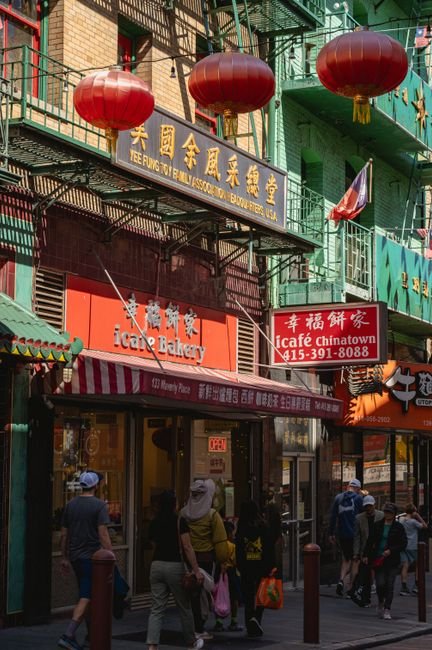
things to do in chinatown sf range from tasting fresh fortune cookies to exploring historic lanes in one of San Francisco, California’s most distinctive neighborhoods. Chinatown is compact, colorful, and full of places worth slowing down for.
Visitors can browse family-run shops, enjoy dim sum, learn about Chinese American history, and see landmarks such as Dragon Gate and the Tin How Temple. The neighborhood is hilly and busy, so comfortable shoes and a little planning make a difference.
This guide covers things to do in Chinatown SF, with practical tips for food, transport, safety, families, and first-time visitors. Chinatown is in the United States, and its streets offer a lively glimpse of a community with deep roots in San Francisco.
20 Things to Do in Chinatown SF
Tip 1 – Begin at Dragon Gate
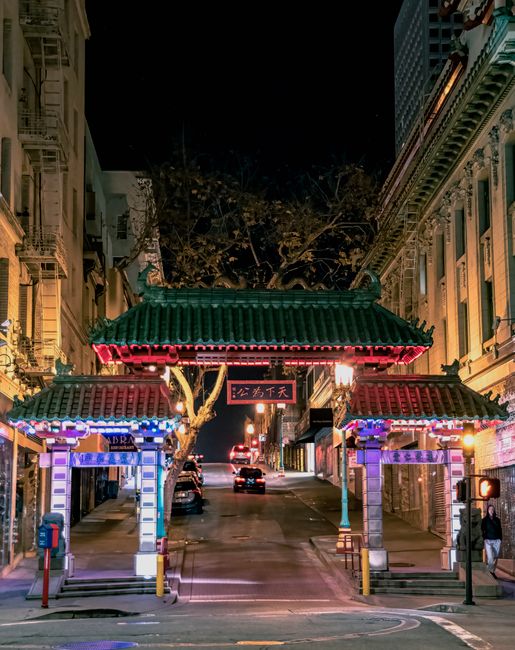
Dragon Gate stands at the southern entrance to Chinatown, at the corner of Bush and Grant streets. It is an easy landmark for starting a walk and a popular place for photos. Look at the stone lions and decorative details before heading north along Grant Avenue.
The gate is on a public street, so there is no admission fee. Be aware of traffic and avoid standing in the road while taking pictures.
Tip 2 – Walk along Grant Avenue
Grant Avenue is the neighborhood’s best-known visitor street, lined with lanterns, souvenir shops, restaurants, and historic storefronts. It is a good route for a first stroll and a convenient way to spot places you may want to revisit.
Grant can feel crowded, especially around lunchtime and on weekends. Take your time, step aside before checking your phone, and look down side streets for quieter corners.
Tip 3 – Explore Stockton Street like a local
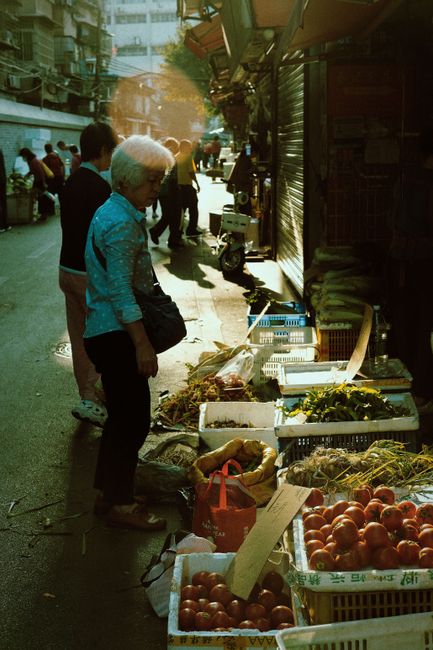
Stockton Street is a busy shopping street where residents pick up produce, seafood, noodles, and everyday groceries. It offers a different feel from Grant Avenue, with less emphasis on souvenirs and more of the neighborhood’s daily rhythm.
Go in the morning to see the shops in action. Keep walkways clear and ask before photographing people, market stalls, or shop interiors.
Tip 4 – Visit Portsmouth Square
Portsmouth Square is a small public park and gathering place surrounded by Chinatown streets. You may see people playing chess, practicing tai chi, or meeting friends. It is a useful spot to pause during a walking tour.
The park is lively and can be busy. Keep an eye on your belongings, and choose a nearby café if you would rather sit somewhere quieter.
Tip 5 – See the Tin How Temple
Tin How Temple, one of the oldest Chinese temples in San Francisco, is located on Waverly Place. The narrow street is also known for its colorful balconies and painted buildings. Check current opening arrangements before visiting, as access may be limited or subject to change.
When the temple is open, enter quietly and follow posted rules. It is an active place of worship, so treat it with respect and do not take photos where signs or staff ask you not to.
Tip 6 – Stroll along Waverly Place
Waverly Place is a short, atmospheric lane often called the “Street of Painted Balconies.” Look up to see the building fronts and balconies, and notice the small businesses at street level.
This is a working neighborhood, not a set built for visitors. Keep voices low, avoid blocking doorways, and be considerate around residents and businesses.
Tip 7 – Make fortune cookies by hand
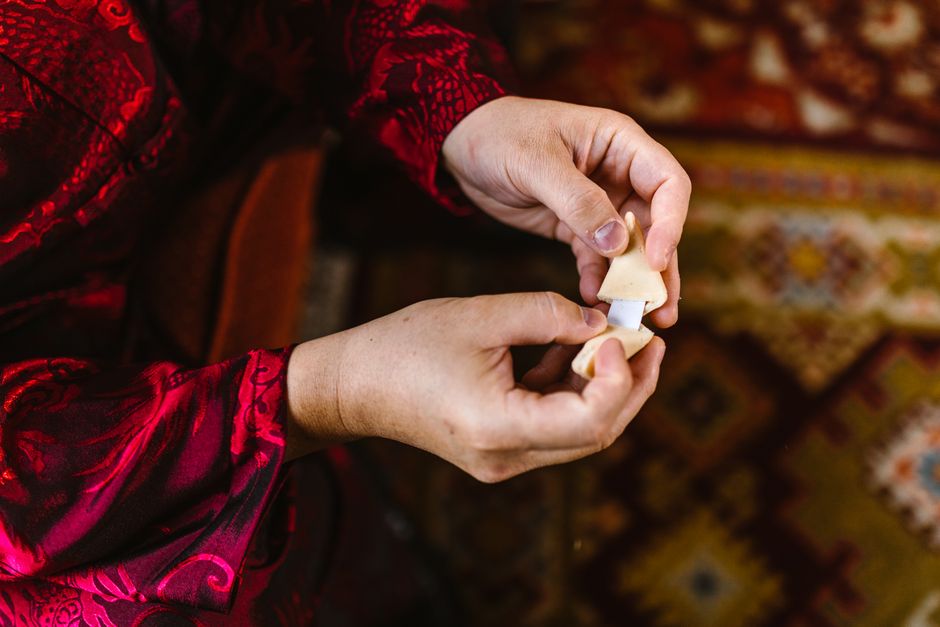
At the Golden Gate Fortune Cookie Factory on Ross Alley, visitors can watch fortune cookies being made and buy a fresh batch. The factory is small, and the experience is often a quick stop rather than a long visit.
Check opening hours before setting out, and bring cash in case card payment is not available. The alley is narrow, so be patient if other visitors are waiting to look inside.
Tip 8 – Find Ross Alley’s historic character
Ross Alley is one of Chinatown’s most recognizable lanes, with a long history and a compact collection of storefronts. It is worth visiting alongside Waverly Place and the fortune cookie factory.
Because the alley is narrow, it can become crowded quickly. Visit outside peak lunch hours when possible, and remember that residents and workers use the same passage.
Tip 9 – Try dim sum or a Chinese bakery
Dim sum is one of the most enjoyable food experiences in Chinatown. Look for restaurants serving a mix of steamed dumplings, buns, rice rolls, and tea. Bakeries are a simpler option for egg tarts, buns, and other snacks to take on a walk.
Some busy restaurants may have queues, and ordering styles differ from place to place. If you have allergies or dietary needs, ask clearly before ordering. A translation app can help, but it is best to confirm important ingredients with staff.
Tip 10 – Visit the Chinese Historical Society of America Museum

The Chinese Historical Society of America Museum shares stories, art, and objects connected to Chinese American life and history. It provides useful context for understanding Chinatown beyond its food and famous streets.
Check the Chinese Historical Society of America’s official website for current hours, exhibitions, and admission details before you go.
Tip 11 – Look for murals and street details
Chinatown’s art and architecture reward a slower walk. Look for murals, painted facades, carved signs, lanterns, and decorative details around Grant Avenue and nearby lanes. The streets can look different at every turn.
Some artwork may be inside businesses or on private property. Enjoy what is visible from public areas, and ask permission before entering or photographing a shop.
Tip 12 – Browse the neighborhood’s specialty shops
Chinatown has shops selling tea, herbs, kitchenware, snacks, gifts, and traditional goods. Browsing can be a pleasant way to learn about the neighborhood’s businesses, even if you are not planning to buy anything.
Prices and payment methods vary. Check labels if you are buying food or tea to take home, and be aware that customs rules in your home country may restrict certain products.
Tip 13 – Plan a Chinatown food walk
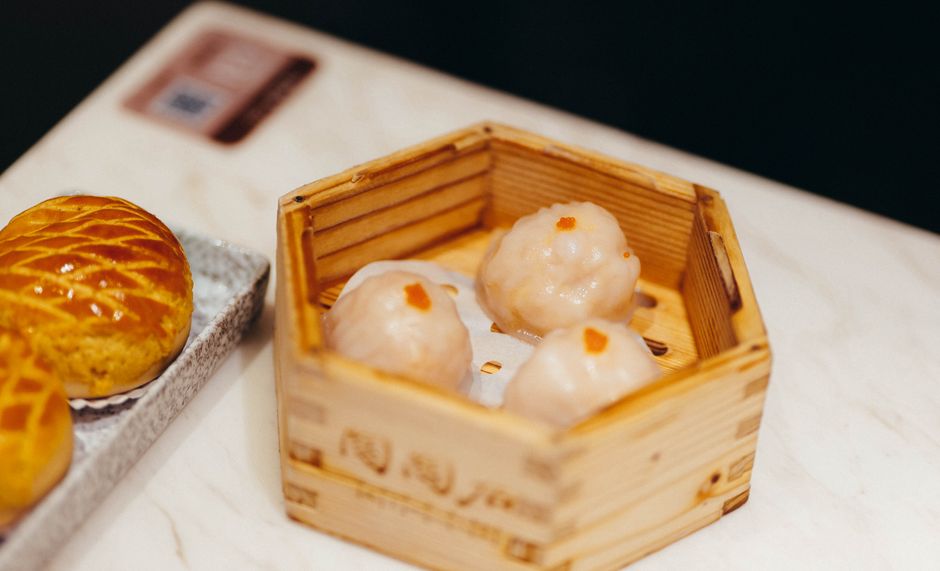
A food walk lets you sample several things instead of committing to one large meal. Try a bakery snack, share dumplings or noodles, and finish with tea or a sweet treat. Small portions are useful if you are visiting with a group.
Choose places with menus you can understand, or ask staff for a recommendation. If you want a guided food tour, check what is included and whether the tour can accommodate dietary needs before booking.
Tip 14 – Take a guided neighborhood tour
A local guide can explain Chinatown’s history, architecture, and changing community in more depth than a quick self-guided walk. Look for tours led by knowledgeable local organizations or guides who treat the neighborhood and its residents with respect.
Confirm the meeting point, walking distance, group size, and cancellation policy. Tours may include stairs or uneven pavement, so ask about accessibility if that matters for your group.
Tip 15 – Visit the Chinese Culture Center
The Chinese Culture Center of San Francisco presents exhibitions and cultural programs, often connecting contemporary art with Chinese American experiences. Its location in the Hilton San Francisco Financial District building makes it easy to combine with a Chinatown walk.
Exhibitions and public hours can change. Check the Chinese Culture Center’s official website for current events and visitor information.
Tip 16 – Enjoy a budget-friendly visit
Many of the best things to do in Chinatown SF cost nothing: walk the streets, view Dragon Gate, explore public lanes, and spend time in Portsmouth Square. You can keep food costs down with a bakery snack or a shared meal.
Set a small shopping and food budget before you arrive. If you are planning a wider U.S. trip that also includes Arizona, see this guide to 20 Fun and Best things to do in buckeye az for ideas beyond San Francisco.
Tip 17 – Visit with children
Children may enjoy the lanterns, fortune cookie factory, colorful shop windows, and small food stops. Keep the plan flexible, since crowded sidewalks and long restaurant waits can be tiring for younger travelers.
Pick one or two main activities and build in a snack break. Hold hands near busy streets, and explain that some temples and cultural spaces are places of worship, not play areas.
Tip 18 – Choose the right time to go
Weekday mornings are often a good time for browsing shops and seeing Stockton Street’s markets. Lunchtime and weekends can bring more visitors and longer waits at popular restaurants. Evenings are a good fit for dinner, though individual shop hours vary.
San Francisco weather can change quickly. Bring a light layer even on a sunny day, and check the forecast before planning a long outdoor walk.
Tip 19 – Use transit and walk carefully
Chinatown is close to downtown San Francisco and is served by local transit, including the Powell-Hyde cable car route and nearby buses. The neighborhood also has steep streets and uneven sidewalks, so wear shoes with good grip.
Check routes and service changes with San Francisco Municipal Transportation Agency (SFMTA) before you travel. If using a cable car, expect lines at popular stops and allow extra time.
Tip 20 – Avoid the most common visitor mistake
The most common mistake is treating Chinatown as a quick photo stop, visiting only Grant Avenue, and leaving without learning anything about its history or everyday life. Spend time on Stockton Street, explore a lane or two, and support local businesses where you can.
Also avoid assuming that every restaurant or shop has the same hours, payment options, or visitor rules. Check details before you go, and be respectful when taking photos of people and private spaces.
Quick Reference for Visiting Chinatown
| Plan | Helpful details |
|---|---|
| Good first walk | Dragon Gate, Grant Avenue, Waverly Place, Ross Alley, and Portsmouth Square |
| Best for food | Dim sum restaurants, Chinese bakeries, tea shops, and Stockton Street markets |
| Good time to visit | Weekday mornings for browsing; allow extra time at weekends and during lunch |
| Getting around | Walk, use Muni buses, or check nearby cable car service and route details |
| What to wear | Comfortable walking shoes and a light layer for San Francisco’s changing weather |
| Budget note | Street walks and public spaces are free; food, museums, tours, and shopping vary in price |
| Useful emergency number | Call 911 in the United States for immediate police, fire, or medical emergencies |
Practical Travel Advice for Chinatown, San Francisco
Getting there and getting around
Chinatown is walkable from parts of downtown and Union Square, but San Francisco’s hills can make short distances feel longer. Use a transit app or the SFMTA website to check current routes, fares, and service notices. A contactless payment option or transit card can make local travel easier.
Do not assume a cable car is the fastest way to travel. They are a memorable ride, but lines can be long and cars may be crowded. If you are in a hurry, compare walking time with bus and rail options.
Useful apps and local phrases
A maps app, transit app, weather app, and translation app are useful for most visitors. Download maps for offline use if your mobile data plan may not work reliably. Keep your phone charged and store your hotel address somewhere accessible offline.
English is widely used in San Francisco, but you may hear Cantonese, Mandarin, and other languages in Chinatown. A polite “hello” or “thank you” is appreciated, but there is no need to force a phrase if you are unsure of the pronunciation. Speak clearly and be patient when asking for help.
Safety, etiquette, and local customs
Chinatown is a busy urban neighborhood. Use normal city precautions: keep valuables secure, stay alert in crowds, and use marked crossings. At night, stick to well-lit streets and use a licensed taxi or rideshare if you do not want to walk.
Be thoughtful when taking photos. Ask before photographing people, and follow signs in temples, museums, and shops. Tipping is customary in many U.S. restaurants where table service is provided. Check the bill to see whether a service charge has already been included.
What to pack and book ahead
Pack comfortable shoes, a light jacket, a reusable water bottle, and a portable phone charger. Bring a small amount of cash as a backup, though payment methods differ between businesses.
You usually do not need to book a general neighborhood walk in advance. For a guided tour, a popular restaurant, or a special event, check availability ahead of time. Confirm opening hours for museums, temples, and small attractions close to your visit.
Visa & Entry Requirements
Chinatown is in San Francisco, in the United States. Entry requirements for the United States depend on your passport, the purpose of your visit, your travel history, and current government policy. Rules can change, so information in a travel article should not be treated as a final decision about your eligibility to travel.
Before booking or departing, check the U.S. Department of State’s official visa information and the U.S. Customs and Border Protection (CBP) website. Travelers who may use the Visa Waiver Program should confirm eligibility and current authorization rules through the official ESTA application site. An approved travel authorization is not the same as a guarantee of admission at the border.
Check that your passport is valid for the period required for your situation and has any necessary blank pages. Passport-validity rules, visa or electronic travel authorization requirements, and permitted length of stay vary by traveler and current policy. Confirm whether you need to show return or onward travel, proof of accommodation, or other supporting documents. These requirements may depend on your circumstances and should be checked with an official source.
Vaccination requirements, customs rules, and restrictions on food, plants, medicines, cash, and other goods can also depend on your travel details and the rules in effect when you arrive. Review the latest guidance from CBP before packing. Declare goods when required, and do not assume that an item allowed in your home country can be brought into the United States.
Travel insurance is not a substitute for meeting entry rules, but it can help with unexpected medical or travel costs. Check coverage for your activities and trip dates. For a final answer about visas, passport validity, authorization, customs, or length of stay, consult the relevant U.S. government office or U.S. embassy or consulate responsible for your case. This information is general and is not legal advice.
FAQs About Things to Do in Chinatown SF
What are the best things to do in Chinatown SF for a first-time visitor?
Start at Dragon Gate, walk along Grant Avenue, explore Waverly Place and Ross Alley, and take a break at Portsmouth Square. Add a bakery stop or dim sum meal, and visit a museum if you want more historical context.
How long should I spend in San Francisco’s Chinatown?
Allow two to four hours for a relaxed walk, food stop, and a few shops. Give yourself more time if you are visiting a museum, taking a guided tour, or planning a long lunch.
Is Chinatown in San Francisco worth visiting?
Yes, especially if you are interested in local food, history, architecture, and neighborhood life. It is more rewarding when you look beyond the main shopping street and visit at a pace that leaves time for side streets and local businesses.
What food should I try in Chinatown SF?
Dim sum, steamed buns, dumplings, noodles, tea, and Chinese bakery treats are popular choices. Menus and specialties vary by restaurant, so ask staff for recommendations and check ingredients if you have dietary needs.
Is San Francisco Chinatown safe for tourists?
It is a busy city neighborhood where standard urban awareness is sensible. Secure valuables, watch for traffic, use marked crossings, and stay on well-lit streets after dark. Call 911 in the United States for an immediate emergency.
Can I visit Chinatown SF on a budget?
Yes. Walking the neighborhood, viewing Dragon Gate, exploring public streets, and spending time at Portsmouth Square are free. Choose an affordable bakery snack or share a meal, and check museum and tour prices before visiting.
What is the best time of day to visit Chinatown?
Weekday mornings are useful for exploring shops and seeing the neighborhood’s markets. Restaurants may be busiest around lunch, while weekends can bring larger crowds. Check opening hours for any specific attraction you plan to visit.
Conclusion
Chinatown is one of San Francisco’s most memorable neighborhoods, with history, food, community spaces, and small details around every corner. A visit can be as simple as a stroll from Dragon Gate or as full as a day of museums, shopping, and local dishes.
For the best experience, allow time to explore beyond Grant Avenue, check opening details before you go, and treat the neighborhood as a living community. These things to do in Chinatown SF can help you plan a visit that feels both enjoyable and respectful.
