

Key Takeaways
- Explore the historic University of Coimbra, especially the Joanina Library
- Wander the steep medieval streets of Alta and Baixa for authentic sights
- Relax in green spaces like the Botanical Garden and Quinta das Lágrimas
- Use local buses or trains wisely and plan for hills and weather
things to do in coimbra include exploring a medieval university, wandering steep old streets, and tasting traditional Portuguese food in one of Portugal’s most historic cities. Set beside the Mondego River, Coimbra is a rewarding stop between Lisbon and Porto, with enough character for a weekend or a slower stay.
The city is best explored on foot, but its hills and stone steps can be demanding. Plan your route around the historic centre, allow time for breaks, and wear shoes with good grip. The reward is a mix of grand university buildings, quiet gardens, local cafés, and river views.
This guide covers the best things to do in Coimbra, Portugal, plus practical advice on transport, food, budgets, safety, and entry requirements. Opening times and ticket arrangements can change, so check official websites before setting out.
Quick Reference: Things to Do in Coimbra
| Topic | Useful information |
|---|---|
| Best for | History, university architecture, gardens, Portuguese food, and a relaxed city break |
| Suggested stay | One full day for highlights, or two to three days for a slower visit |
| Getting around | Walk around the centre, use local buses for steep or longer journeys, and take trains for regional travel |
| Best time to visit | Spring and autumn for milder weather and comfortable sightseeing |
| Local currency | Euro (€) |
| Emergency number | 112 for police, ambulance, or fire emergencies |
| Plan ahead for | University of Coimbra visits, especially the Joanina Library and timed-entry attractions |
20 Things to Do in Coimbra
Tip 1 – Explore the University of Coimbra

The University of Coimbra is the city’s defining landmark and one of Europe’s oldest universities. Its historic buildings sit above the old town, and the campus combines active student spaces with courtyards, chapels, and formal rooms open to visitors.
Check the university’s official visitor information for current access, ticket options, and opening arrangements. Some areas may have timed entry or limits on visitor numbers. Book ahead if seeing the Joanina Library is a priority, and arrive with time to find the entrance.
Tip 2 – See the Joanina Library
The Biblioteca Joanina is a richly decorated Baroque library within the university complex. Its painted ceilings, carved wood, and rows of old books make it a memorable stop, but visits are controlled to help protect the collection.
Follow the ticket instructions carefully and check whether photography is allowed during your visit. The library is not a place to linger for a long time, so take a moment to look closely rather than rushing through for pictures.
Tip 3 – Visit the Old and New Cathedrals
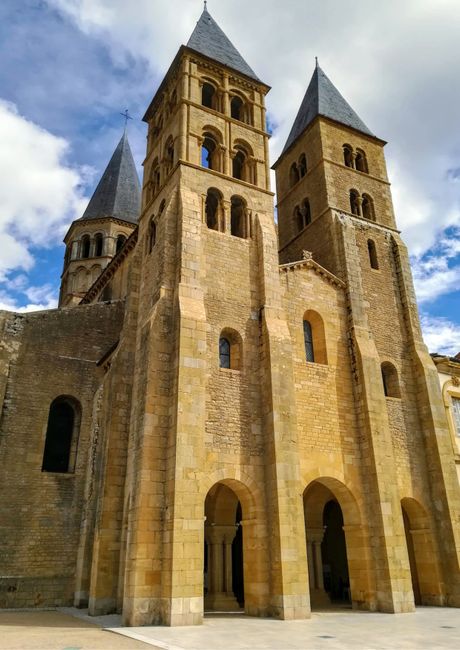
Coimbra has two cathedrals with very different styles. The Old Cathedral, Sé Velha, is a sturdy Romanesque landmark in the historic centre. The New Cathedral, Sé Nova, is close to the university and has a more elaborate façade.
Check service times before entering, as both are active places of worship. Dress respectfully, keep your voice low, and be prepared for uneven stone floors around the older building.
Tip 4 – Walk the medieval streets of Alta
Alta is the upper part of Coimbra’s historic centre, where narrow lanes climb towards the university. Give yourself time to wander without a strict route. You will find small squares, tiled façades, old doorways, and everyday student life between the major sights.
The hills are steep, and some lanes have worn cobbles or steps. Take a water break when needed and avoid wearing smooth-soled shoes, especially after rain.
Tip 5 – Browse the Baixa and Praça do Comércio
Baixa, the lower town, has a lively mix of cafés, shops, churches, and traditional streets. Praça do Comércio is a useful place to pause and get your bearings before walking towards the river or climbing to the upper town.
Look for local bakeries and small independent shops rather than only following the busiest tourist streets. Baixa is also a practical base if you want to be near restaurants and Coimbra’s main shopping area.
Tip 6 – Cross the Mondego River
The Mondego shapes the city’s southern edge and offers a different perspective on Coimbra. Cross one of the central bridges for views back towards the old town, or follow the riverside paths for an easier walk away from the steepest streets.
Early morning and late afternoon are pleasant times for a stroll. In warmer months, bring water and sun protection, as some open sections have little shade.
Tip 7 – Relax in the Botanical Garden
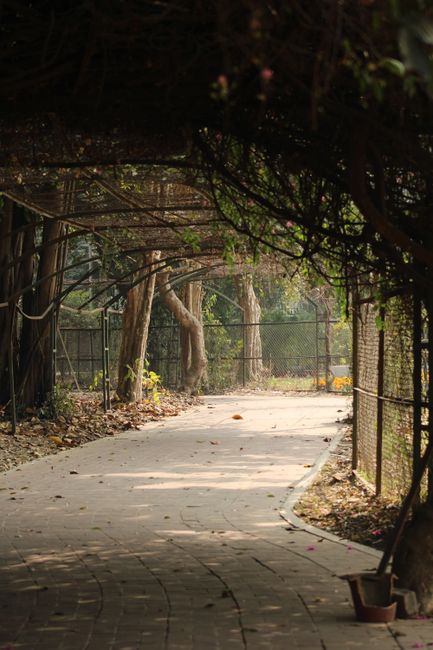
The Botanical Garden of the University of Coimbra is a peaceful break from the busy centre. Its paths pass mature trees, planted collections, and green spaces that are especially welcome after walking the university’s steep lanes.
Allow time to wander rather than treating it as a quick photo stop. Check the garden’s current opening hours before visiting, and remember that access to particular areas may vary.
Tip 8 – Spend time at Quinta das Lágrimas
Quinta das Lágrimas is a historic estate associated with the tragic love story of Pedro and Inês. Its gardens offer a quieter setting, with shaded paths, old trees, and water features away from the busiest part of the centre.
It is a good choice if you have more than one day in Coimbra or want a slower afternoon. Check access and any admission details before going, as arrangements can depend on the area or event.
Tip 9 – Visit the Machado de Castro National Museum
The Machado de Castro National Museum is housed in a former bishop’s palace and includes a notable collection of sculpture, paintings, and religious art. The building itself is part of the experience, with historic spaces and views across the city.
Check the museum’s official information for current exhibitions, opening days, and ticket details. If you are short on time, choose a few sections that interest you instead of trying to see every room at once.
Tip 10 – Discover Portugal dos Pequenitos
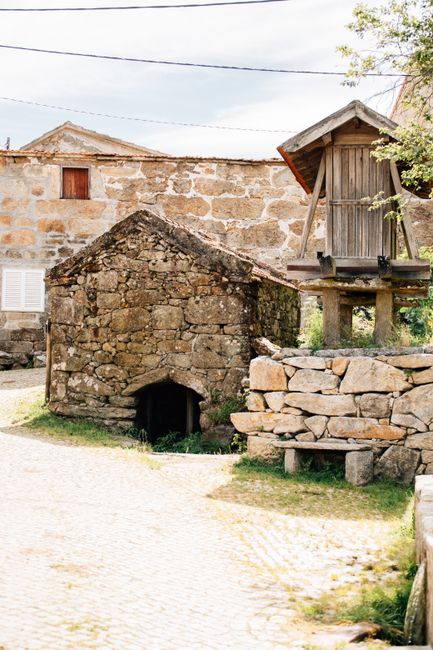
Portugal dos Pequenitos is a family attraction with small-scale buildings inspired by Portuguese architecture and places connected to Portugal’s history. Children can explore the miniature streets, while adults get an easy introduction to regional styles and landmarks.
It works best when children have room to explore at their own pace. Check ticket prices and opening hours before visiting, and allow extra time if you are travelling with younger children.
Tip 11 – Listen for Coimbra fado
Coimbra has its own fado tradition, historically linked to university students. The music is often more restrained than the style associated with Lisbon, and performances can be an atmospheric way to spend an evening.
Look for a reputable venue and check whether reservations are needed. Some performances have a cover charge or expectations around keeping quiet during the music. Ask your accommodation for current local recommendations rather than relying on an old schedule.
Tip 12 – Try local food and a sweet treat
Order dishes that reflect central Portugal, such as chanfana, a slow-cooked goat dish, or a hearty regional soup. Menus vary by restaurant, and you will also find familiar Portuguese favourites such as grilled fish, bacalhau, and roast meats.
For dessert, look for local convent-style sweets, including pastéis de Santa Clara. If you have dietary needs, ask about ingredients before ordering, since traditional recipes may contain nuts, eggs, or dairy.
Tip 13 – Take a break at Parque Verde do Mondego

Parque Verde do Mondego is a broad riverside green space with room to stroll, sit, or let children burn off energy. It provides a relaxed contrast to the old town’s narrow streets and steep climbs.
Bring a snack or pick up a drink nearby, then enjoy the open views along the river. Keep an eye on children near the water and check local notices if weather conditions affect riverside access.
Tip 14 – Look out for student traditions
Coimbra is a university city, so student life is part of its daily rhythm. Depending on the academic calendar, you may see students wearing traditional academic dress or notice ceremonies and events connected to university life.
These traditions are meaningful to local students, not just a photo opportunity. Be considerate when taking pictures, avoid interrupting ceremonies, and follow any rules at university sites.
Tip 15 – Take an easy riverside or bridge photo walk
For a simple photo route, start around the Mondego, cross a central bridge, and look back towards the university hill. This gives you a sense of how the river, lower town, and historic upper town fit together.
Use a small camera or phone you can keep secure, and avoid stepping into cycle paths to frame a picture. If you want quieter views, go earlier in the day or later in the afternoon.
Tip 16 – Make a short day trip to Conímbriga
If you have an extra day, consider visiting the Roman ruins at Conímbriga, outside Coimbra. The archaeological site includes remains of houses, mosaics, and public buildings that help explain the area’s Roman past.
Check the current transport options and site hours before you go. A taxi or organised visit may be more convenient than public transport, depending on the day and your schedule.
Tip 17 – Use trains and local buses wisely
Coimbra is connected to other Portuguese cities by rail, and the train is often a convenient way to arrive from Lisbon or Porto. Check the route, station, and departure time carefully when booking. The city has more than one railway station, so confirm where your train stops.
For schedules and tickets, use the official Comboios de Portugal website. Local buses can help with longer or uphill journeys. Check current routes and payment options before boarding, as details can change.
Tip 18 – Choose a base that suits your plans
Stay near Baixa if you want easy access to cafés, shops, and the railway station. Choose accommodation closer to Alta if the university and historic buildings are your main priorities, but remember that the upper town involves steep streets and steps.
For a longer stay, a quieter location near the river may suit you. Compare walking distances, not just map distances, and check whether your accommodation has stairs or luggage assistance.
Tip 19 – Plan around weather, budget, and bookings
Spring and autumn are often comfortable for exploring on foot, while summer can bring hotter afternoons and more visitors. Winter is generally cooler and may be rainy, so pack a light waterproof layer and allow extra time between outdoor stops.
Save money by combining free walks and public gardens with a few paid attractions. Book university visits in advance when possible, especially if a specific time slot matters. If Coimbra is part of a longer travel plan, you can also browse this guide to 20 fun and best things to do in Peru for ideas for a future trip.
Tip 20 – Avoid the most common visitor mistakes
The most common mistake is underestimating Coimbra’s hills. It may look compact on a map, but moving between the river, Baixa, and the university can mean a steep climb. Plan fewer stops per day, wear comfortable shoes, and use a bus or taxi when you need to save your energy.
Also avoid arriving at a major attraction without checking its current hours or entry rules. Keep valuables secure in crowded areas, carry water in warm weather, and remember that university buildings and churches may have classes, services, or other access restrictions.
Visa & Entry Requirements
Coimbra is in Portugal, which is part of the Schengen Area. Entry conditions are not the same for every visitor. Visa requirements, passport-validity rules, permitted length of stay, and any electronic travel authorization depend on the passport you hold and the government policy in force when you travel. Do not assume that rules for one nationality apply to everyone.
Before booking, check the current guidance from Portugal’s official immigration authority, Agência para a Integração, Migrações e Asilo (AIMA), and consult the Portuguese embassy or consulate responsible for your place of residence if you need clarification. The European Union’s official entry information for non-EU nationals is another useful reference, but your own government and Portuguese authorities should be your final sources.
Check that your passport meets the applicable validity rules and has enough blank pages for your itinerary. Find out whether you need a visa or an electronic travel authorization, and apply through the official channel well before departure if required. Some travelers may need to show a return or onward ticket, proof of accommodation, enough funds, or travel insurance. These requirements vary, so verify what applies to your situation.
Vaccination and health-document requirements can also change, particularly during public health events. Confirm current rules with official government sources and your healthcare provider. For customs, check Portugal’s rules for cash, food, medicines, and goods brought from outside the European Union. Declare items when required and keep prescriptions or supporting documents for medicines if appropriate.
Rules on permitted stays depend on your circumstances and travel history. Keep track of your arrival and departure dates, and do not rely on informal advice or old social media posts. This information is general travel guidance, not legal advice, and no checklist can guarantee entry.
Frequently Asked Questions About Things to Do in Coimbra
Is Coimbra worth visiting?
Yes. Coimbra is a good choice if you enjoy historic buildings, university life, gardens, and Portuguese food. It has a different pace from Lisbon and Porto, though the steep streets can make sightseeing tiring for some visitors.
How many days do you need in Coimbra?
One full day is enough for a quick visit to the university, old town, and riverfront. Two days gives you more time for museums, gardens, local food, and a slower walking pace. Stay longer if you want to visit Conímbriga or explore the region.
What are the best things to do in Coimbra for first-time visitors?
Start with the University of Coimbra and the Joanina Library, then visit Sé Velha, wander through Alta and Baixa, and take a break beside the Mondego. Add a garden or museum based on your interests and available time.
Is Coimbra easy to explore on foot?
The centre is walkable, but the route between the lower town and university is steep. Comfortable shoes are important, and local buses or taxis can help if you have limited mobility, heavy bags, or a long list of stops.
What is Coimbra known for?
Coimbra is best known for its historic university, student traditions, medieval streets, and distinctive fado heritage. It is also associated with central Portuguese food and the story of Pedro and Inês at Quinta das Lágrimas.
When is the best time to visit Coimbra?
Spring and autumn usually offer pleasant conditions for walking. Summer can be hot and busier, so plan outdoor activities for earlier or later in the day. Winter visitors should bring a waterproof layer and check opening hours in advance.
Is Coimbra safe for tourists?
Coimbra is generally comfortable for visitors, but use normal city precautions. Keep phones and wallets secure in busy areas, take care on uneven streets, and use licensed transport. Call 112 for an emergency requiring police, fire, or medical help in Portugal.
Do I need to book Coimbra attractions in advance?
Advance booking is sensible for popular university visits and timed-entry attractions, especially during busy travel periods. Check official attraction information before you go, since ticketing, hours, and access arrangements can change.
Conclusion: Make Time for Coimbra
The best things to do in Coimbra combine major landmarks with small everyday discoveries. Visit the university, explore the old streets, take a garden break, and leave time for a meal or a riverside walk.
Plan around the hills, check attraction details before setting out, and give yourself room to enjoy the city at a comfortable pace. With a little preparation, Coimbra makes a memorable stop on a trip through Portugal.
