
Key Takeaways
- Explore both dramatic coastlines and rugged mountain trails.
- Taste authentic Corsican cuisine and local wines.
- Visit historic towns that blend culture and natural beauty.
- Plan your trip with seasonal advice and essential travel tips.
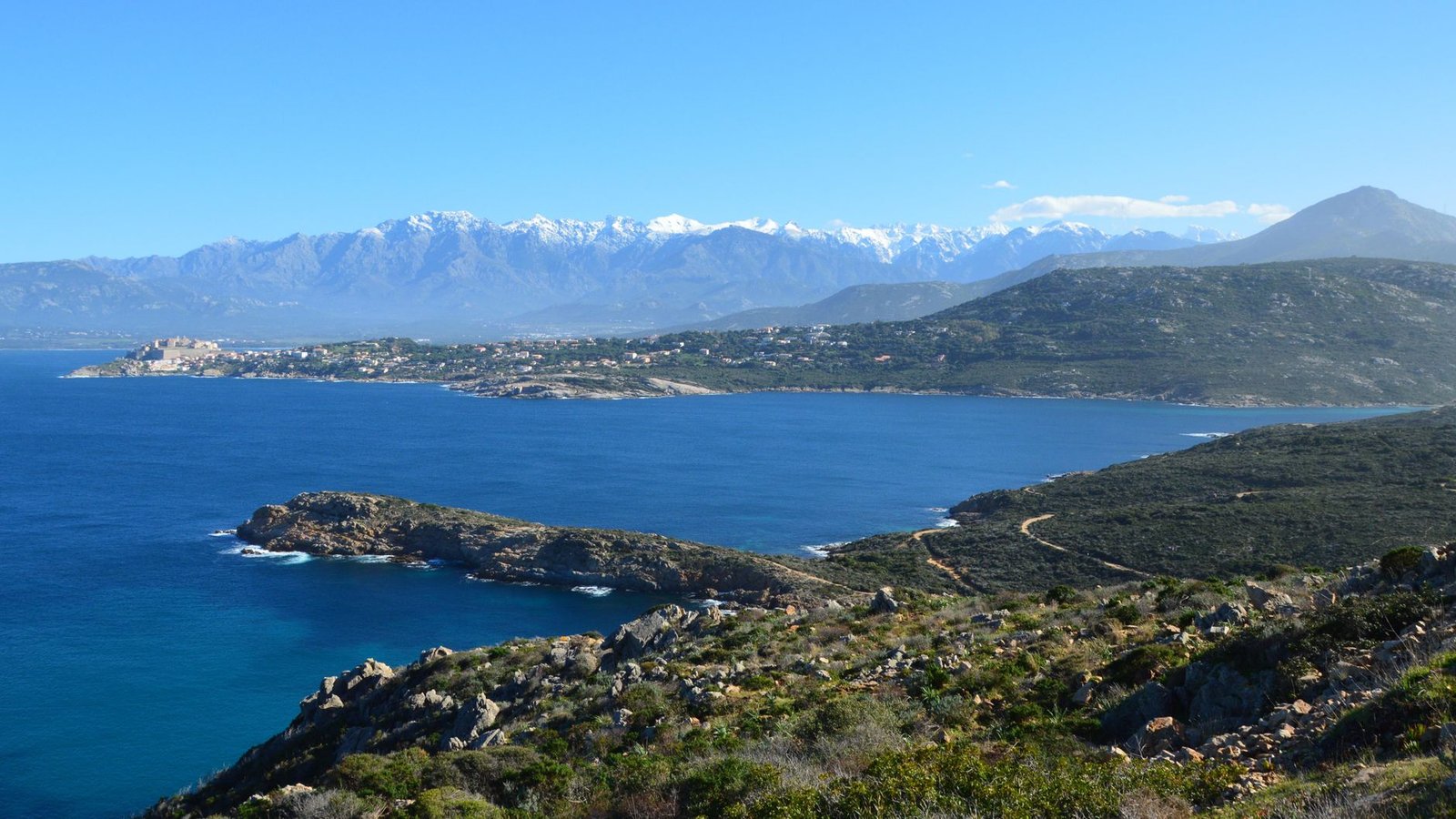
Welcome to our in‑depth guide on Things to do in Corsica. This Mediterranean island offers a rare blend of sapphire seas, jagged mountains, and a rich cultural tapestry that makes it a playground for any traveler. Whether you are chasing sun‑kissed beaches, historic towns, or challenging hikes, Corsica delivers experiences that feel both timeless and exhilarating.
In this article we break down the island’s highlights into practical sections, giving you clear advice on where to go, what to see, and how to make the most of each moment. Expect detailed lists, a helpful table, and a travel tip that will keep you moving smoothly from one adventure to the next.
Coastal Adventures
Beaches to Sunbathe
Corsica’s coastline is dotted with beaches that range from wide sandy stretches to secluded coves framed by limestone cliffs. The famous Palombaggia near Porto‑Vecchio offers soft white sand and turquoise water, perfect for a lazy day under the sun. Further north, Saleccia in the Desert des Agriates remains largely untouched, reachable by a rugged 4‑wheel‑drive track or a boat trip.
For families, Santa Giulia provides gentle slopes and calm waters, while the dramatic backdrop of the Calvi Bay appeals to photographers seeking vivid sunsets. Each beach has its own character, so consider a mix of popular and off‑the‑beaten‑path spots to capture the full spectrum of Corsican coastal beauty.
- Palombaggia – soft sand, clear water, nearby restaurants.
- Saleccia – remote, pristine, best accessed by boat.
- Santa Giulia – family‑friendly, shallow water.
- Calvi Bay – dramatic cliffs, sunset views.
Snorkeling and Diving Spots
The island’s marine life thrives in its crystal‑clear waters, making snorkeling and diving a must. The marine reserve around Scandola Nature Reserve offers underwater cliffs teeming with colorful fish, octopuses, and occasional dolphins. Dive centres in Bonifacio organize trips to the famed Porto Giunco site, where you can explore submerged rock formations and historic shipwrecks.
If you prefer shallow waters, the bay of Régina near L’Île-Rousse provides easy entry points and vibrant sea grass beds that attract a variety of small fish. Always check local conditions and book with reputable operators to ensure safety and respect for protected areas.
Scenic Coastal Walks
Walking the coast lets you discover hidden coves and dramatic cliffs at your own pace. The Sentier des Douaniers (Customs Officers’ Path) runs from Calvi to the remote village of Pigna, offering panoramic sea views and occasional historic watchtowers.
Another popular trail is the Cap Corse Coastal Trail, a loop that circles the peninsula’s rugged tip. Expect steep ascents, fragrant maquis shrubland, and occasional encounters with local shepherds tending their flocks.
Mountain and Hiking Experiences
GR20 Trail Overview
The GR20 is often called the “hardest long‑distance trail in Europe.” Stretching roughly 180 km from Calenzana in the north to Conca in the south, it traverses the island’s high‑altitude spine, offering dramatic vistas of granite peaks, alpine lakes, and deep valleys.
Most hikers tackle the trail in sections, allowing time to recover and explore surrounding villages. The northern segment is steeper and more technical, while the southern half offers gentler gradients and more forested paths. Proper gear, a solid fitness level, and a good map are essential.
Easier Day Hikes
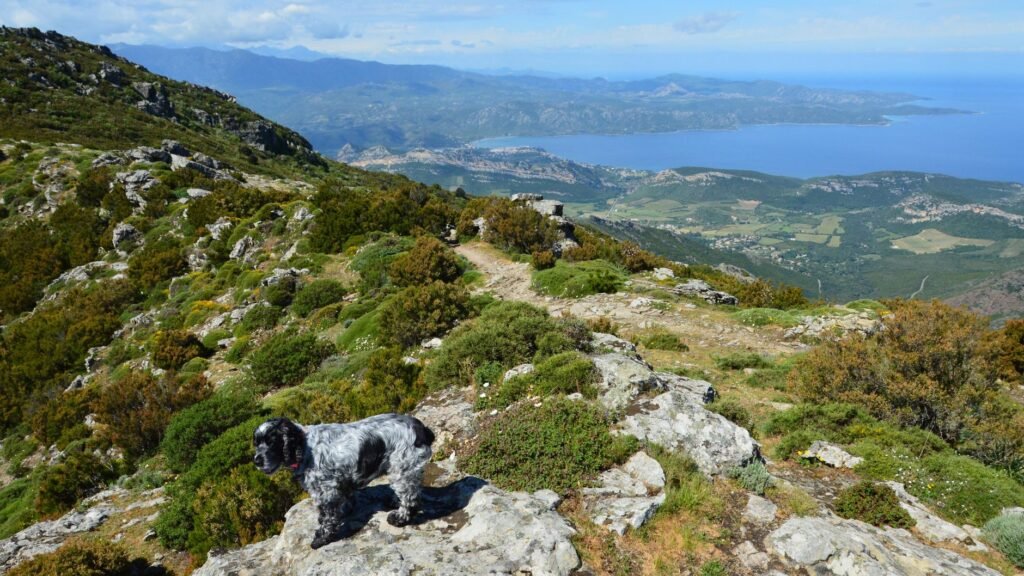
If the full GR20 sounds daunting, Corsica still offers rewarding day hikes. The Restonica Valley near Corte provides a family‑friendly trail that follows a sparkling river to the stunning Lac de Melo and Lac de Capitello. The walk is well‑marked and takes about 3-4 hours round‑trip.
Another gentle option is the Bonifacio Cliffs Walk, which combines history with natural beauty. The path links the old citadel with the lighthouse, offering sweeping views of the Mediterranean and the dramatic limestone formations that define the southern coast.
Mountain Villages
After a day on the trails, rewarding yourself with a visit to a mountain village adds cultural depth to your adventure. Corte, the historic capital of Corsica, sits atop a plateau and features the Musée de la Corse, which showcases the island’s heritage.
Further east, the village of Vizzavona serves as a gateway to the central highlands. Its modest tavernas serve hearty Corsican fare, perfect after a long hike. These villages retain a timeless charm, with stone houses, narrow lanes, and locals who greet you with a warm “bon jorn.”
Historic Towns and Cultural Sites
Bonifacio’s Cliffs and Old Town
Perched on white limestone cliffs, Bonifacio is a visual masterpiece. Its medieval citadel, accessible via a steep staircase, offers panoramic views of the Strait of Bonifacio, where the Mediterranean meets the Tyrrhenian Sea.
Stroll through the narrow alleys of the old town, visit the Église Sainte‑Marie‑Majeure, and explore the King’s Staircase (Escalier du Roi). The harbor is lively, with boats that ferry visitors to the nearby Lavezzi Islands – a perfect spot for a quick swim.
Ajaccio: Napoléon’s Birthplace
Ajaccio, the island’s capital, is the birthplace of Napoléon Bonaparte. The Maison Bonaparte museum offers a glimpse into the family’s early life, while the surrounding streets are lined with cafés where locals enjoy a leisurely espresso.
Don’t miss the Fesch Museum, home to an impressive collection of Italian Renaissance paintings. The city’s waterfront promenade provides a relaxed setting for sunset walks, and the nearby Plage du Ricanto offers a gentle surf for beginners.
Corte and the Corsican Heartland
Corte sits in the island’s mountainous heart and is known for its vibrant student population, thanks to the University of Corsica. The Citadel of Corte dominates the skyline, and its museum presents artifacts from prehistoric times to the present.
From Corte, you can easily access the Restonica Valley and the historic railway line that once connected the island’s interior. The town’s weekly market showcases local cheeses, cured meats, and the famous Corsican chestnut flour.
Food and Drink Adventures
Traditional Corsican Dishes
Corsican cuisine reflects the island’s rugged landscape and Mediterranean influences. Try the iconic civet de sanglier, a slow‑cooked wild boar stew seasoned with rosemary, juniper, and red wine. Another staple is fiadone, a sweet cheese cake flavored with lemon zest and a hint of brandy.
For a lighter option, sample brocciu, a fresh cheese made from goat or ewe milk, often served with honey or incorporated into savory pies. These dishes are best enjoyed in family‑run restaurants where recipes are passed down through generations.
Wine and Cheese Tasting
Corsica’s vineyards produce distinctive wines, thanks to the island’s diverse terroir. The Patrimonio region, located in the north, is renowned for its robust reds made from the Nielluccio grape, while the southern Ajaccio area offers crisp whites from the Vermentino grape.
Cheese lovers should seek out brocciu and the aged tomme Corse. Many local farms host tasting sessions where you can sample cheese paired with a glass of the region’s best wine, often accompanied by olives and fresh figs.
Markets and Street Food
Visiting a market is an authentic way to experience Corsican daily life. The Corte market (Wednesday) overflows with fresh produce, cured charcuterie, and handmade pastries. In the coastal towns, you’ll find stalls selling grilled mussels, fresh sardines, and the popular panini au figatellu (spicy pork liver sausage).
Don’t miss the Fiera di u Casgiu in Sartène, a cheese fair held each summer that showcases the island’s dairy heritage. These markets are perfect for picking up picnic supplies for a beach or mountain outing.
Outdoor Activities Beyond Hiking
Kayaking the Calanques
The limestone calanques (sea inlets) along the western coast are ideal for kayaking. Launch from the harbor of Porto‑Vecchio and paddle toward the secluded cove of Palombaggia, where you can stop for a swim in crystal‑clear water.
Guided tours often include a short hike to a hidden waterfall, providing a full‑day adventure that blends water and land. Remember to wear a life jacket and check tide schedules before heading out.
Cycling the Coast
Corsica’s narrow, winding roads make it a cyclist’s dream. The route from Calvi to Bastia follows the rugged coastline, offering breathtaking sea views and occasional climbs that challenge even seasoned riders.
Bike rental shops are plentiful in major towns, and many provide e‑bikes for those who prefer a less strenuous ride. Carry a repair kit, water, and sunscreen, as services can be sparse in remote stretches.
Paragliding and Adventure Sports
For thrill‑seekers, the high peaks around Monte Cinto and the cliffs of Bonifacio offer paragliding opportunities with spectacular aerial perspectives. Local schools provide tandem flights for beginners, ensuring safety while you glide over the island’s dramatic terrain.
Other adventure options include rock climbing on the granite walls of the Restonica Valley and canyoning in the deep gorges near Vizzavona. Always verify the credentials of guides and respect environmental guidelines.
Practical Travel Tips
Planning a trip to Corsica is straightforward if you keep a few basics in mind. The island is best explored by car, as public transport can be infrequent in rural areas. Rental agencies are available at major airports and ferry ports.
When traveling in summer, book accommodations early, especially in popular coastal towns. Shoulder seasons, late spring and early autumn, offer milder weather, fewer crowds, and lower prices, making them ideal for hiking and cultural visits.
Language: French is the official language, but many locals speak Corsican, a distinct Romance language. A few basic phrases in French (bonjour, merci) go a long way in fostering goodwill.
Below is a quick reference table for the best travel windows based on weather and activity preferences:
| Season | Typical Weather | Ideal Activities |
|---|---|---|
| Spring (April‑June) | Mild, occasional rain | Hiking, wildflower walks, festivals |
| Summer (July‑August) | Hot, dry, sea breezes | Beach days, water sports, nightlife |
| Autumn (September‑October) | Warm, less crowded | Harvest festivals, cycling, photography |
| Winter (November‑March) | Cool, occasional snow in mountains | Skiing in the interior, quiet towns |
Remember to pack sturdy walking shoes, a reusable water bottle, and sunscreen with a high SPF. Corsica’s terrain can be rugged, so a basic first‑aid kit is advisable.
Seasonal Highlights
Spring Blossoms
April brings a burst of wildflowers across the maquis shrubland, especially in the Restonica and Bavella valleys. This is an excellent time for photography, as the landscape is vibrant and the trails are less crowded.
Summer Festivals
July and August host numerous music and cultural festivals. The Fiera di u Cuntu in Sartène celebrates traditional Corsican music, while the Calvi on the Rocks festival draws international rock acts to the historic citadel.
Autumn Harvest
September marks the grape harvest in the Patrimonio region. Many vineyards open their doors for tastings and “vendange” experiences, allowing visitors to participate in the winemaking process.
Winter Calm
Winter brings a tranquil atmosphere, especially in the interior villages. Snow blankets the higher peaks, offering opportunities for ski enthusiasts at the Monte Cinto ski area, while the coastal towns enjoy a peaceful off‑season vibe.
Frequently Asked Questions
What is the best time of year to hike the GR20?
The optimal months are June through September, when trail conditions are stable and weather is generally dry. Early June offers cooler temperatures at higher elevations, while late September provides fewer crowds.
Do I need a car to explore Corsica?
A car is highly recommended for flexibility, especially if you plan to visit remote beaches or mountain villages. Public buses connect major towns, but schedules are limited in rural areas.
Are there any dietary restrictions accommodated in Corsican restaurants?
Most restaurants can accommodate vegetarian and gluten‑free requests, but it’s best to inform the staff in advance. Traditional dishes often feature pork, cheese, and seafood, so ask for modifications if needed.
Is it safe to swim in the sea year‑round?
Sea temperatures are comfortable from June to September. In spring and autumn, the water can be cooler, especially on the northern coast, but swimming is still possible for those accustomed to brisk temperatures.
The Bottom Line
Corsica offers a rich tapestry of experiences, from sun‑drenched beaches and rugged mountain trails to historic towns and mouth‑watering cuisine. By planning around the seasons, renting a car, and embracing local customs, you can craft a memorable itinerary that showcases the island’s diverse charms. Whether you seek adventure, relaxation, or cultural immersion, the island’s unique blend of natural beauty and heritage ensures that every traveler finds something to love.
