

Key Takeaways
- Explore Covent Garden Market and piazza early to avoid crowds
- Watch street performers and consider a small tip
- Visit the London Transport Museum for a family‑friendly indoor break
- Use the Tube and buses wisely and book popular shows in advance
things to do in covent garden include watching street performers, browsing historic market buildings and finding some of London’s best-known theatres. This lively West End neighbourhood is a convenient place to mix sightseeing, shopping and good food in one walkable day.
Covent Garden is in central London, England, in the United Kingdom. Its main piazza is often busy, but quieter lanes, museums and cafés are close by. Plan around the crowds and you can enjoy both the famous sights and the area’s less hectic corners.
This guide covers what to see, where to eat, how to get around and what to know before your visit. It is useful whether you have a few hours or want to make Covent Garden part of a longer London stay.
20 Things to Do in Covent Garden
Tip 1 – Explore Covent Garden Market and the Piazza

Start at the central piazza, where the historic market buildings, shops and cafés give the neighbourhood its familiar look. The covered market is a good place to browse gifts and watch the area come to life, even if you are not planning to buy anything.
It can get crowded, especially around midday and on weekends. Visit earlier in the day for an easier look around, or come in the evening to see the piazza under its lights.
Tip 2 – Catch a street performance
Street performers are part of Covent Garden’s character. You may see musicians, comedians, magicians and other acts around the piazza. Shows are outdoors and schedules can change, so treat a performance as a happy surprise rather than a fixed appointment.
Stand back from the performer and leave room for people to pass. If you enjoy a show, a small tip is appreciated, but it is your choice. Keep an eye on your belongings in busy crowds.
Tip 3 – Visit the London Transport Museum

The London Transport Museum tells the story of the city through its buses, Underground trains, maps and transport design. The collection makes a useful indoor stop, especially on a rainy day or when you are travelling with children.
Check opening times and ticket details before you go. The museum is popular with families, so allow time to explore rather than squeezing it into a short gap between other bookings.
Tip 4 – See a show at the Royal Opera House
The Royal Opera House is one of Covent Garden’s most memorable venues. Check its programme for opera, ballet and other performances. Even if you do not have time for a full show, look at the official visitor information for tours and other ways to experience the building.
Book popular performances ahead, particularly for evenings and weekends. If you are watching your budget, check for seats at different price points and read the view information before choosing.
Tip 5 – Browse the independent shops and arcades
Move beyond the central piazza and look for the small shops and covered passages around the neighbourhood. The Royal Opera House arcade and the surrounding streets offer a mix of fashion, accessories, gifts and specialist stores.
Prices can be higher than in large chain shops, so browsing without buying is perfectly fine. For a calmer experience, explore before the busiest afternoon hours.
Tip 6 – Make time for Neal’s Yard
Neal’s Yard is a small, colourful courtyard tucked between the busier streets. It is a pleasant detour for a coffee, a quick photo or a pause between attractions. The space is compact, so be considerate of people who live or work nearby.
It is not a large attraction, and it can feel crowded when tour groups arrive. If it is busy, step away and return later rather than waiting in a narrow entrance.
Tip 7 – Walk through Seven Dials

Seven Dials is a short walk from the piazza and is known for its seven streets meeting around a central column. Wander through the lanes to find boutiques, cafés and restaurants, then continue towards nearby Soho or the British Museum area.
This is a good option if the market feels too busy. Wear comfortable shoes, since the best way to enjoy the neighbourhood is on foot.
Tip 8 – Visit the National Gallery nearby
The National Gallery is in Trafalgar Square, within walking distance of Covent Garden. Its collection includes well-known European paintings, and general admission to the main collection is free, though special exhibitions may require a ticket.
Check the National Gallery’s official visitor information for current opening hours and exhibition details. If you only have an hour, choose a few rooms or artworks in advance instead of trying to see everything.
Tip 9 – Take a theatre break in the West End
Covent Garden is surrounded by West End theatres, making it easy to combine sightseeing with a musical, play or comedy show. Look at official theatre websites for performance times, ticket conditions and accessibility details.
For last-minute seats, check legitimate theatre or venue ticket services and confirm the total price before paying. Avoid buying from strangers outside venues, where ticket validity may be uncertain.
Tip 10 – Try a market lunch or a relaxed café stop

Covent Garden has everything from quick takeaway food to sit-down restaurants. A market lunch is handy when you want to keep moving, while a café gives you time to rest and watch the crowds.
Central London dining can be expensive. Check menus and prices before sitting down, and look a few streets away from the main piazza for more choice. Tell staff about allergies and dietary needs before ordering.
Tip 11 – Find a pub for a classic London pause
A traditional pub can be a welcoming place to take a break after walking around the West End. Some serve food throughout the day, while others focus mainly on drinks, so check the menu and hours before making plans.
Follow the local routine: order at the bar unless staff indicate otherwise, and check whether a service charge has already been added to a restaurant bill. Tipping is not compulsory, and any tip is your decision.
Tip 12 – Look for Covent Garden’s historic details
Take a slower walk and notice the market architecture, old street signs and small details on building fronts. Covent Garden’s history is closely linked to markets and theatre, and the neighbourhood has changed considerably over time.
For more background, check local interpretation and museum displays rather than assuming every historic-looking building has the same story. A guided walking tour can add context if you enjoy learning about a place as you explore.
Tip 13 – Walk to the River Thames and Somerset House
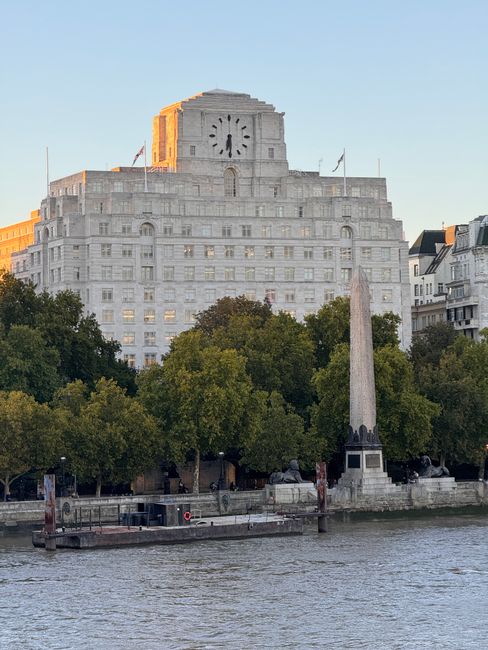
From Covent Garden, walk towards the Strand and continue to Somerset House or the Thames. The route adds river views and a change of pace to a day spent among shops and theatres. Somerset House also hosts exhibitions and events, so check its programme before visiting.
Allow extra time if you want to explore the building or riverside area. It is a useful way to extend your walk without needing to travel far from central Covent Garden.
Tip 14 – Plan a family-friendly visit
Families can enjoy the street performers, the transport museum and the lively market atmosphere. Choose one or two main activities rather than trying to fit too many stops into the day, and build in time for snacks and rests.
Keep children close in busy areas, especially around the piazza and station entrances. If you are using a pushchair, check venue access and step-free travel information before setting out.
Tip 15 – Visit at a quieter time if you prefer space
Weekends, school holidays and evenings before theatre performances can be especially busy. For a calmer walk, try a weekday morning or visit outside the main lunch and shopping hours. The market and shops may not all be open at the same time, so check before travelling.
There is no completely crowd-free time in this popular part of London. A flexible plan helps: if the piazza is packed, explore Seven Dials or take a break in a nearby museum.
Tip 16 – Use the Tube and buses wisely
Covent Garden Underground station is on the Piccadilly line. Leicester Square, Holborn and Charing Cross stations are also within walking distance, depending on where you are going. London buses can be useful for seeing the city above ground, but traffic may make them slower.
Use the Transport for London journey planner to check routes, disruptions and accessibility information. Contactless payment and Oyster are widely used on public transport, but check current fares and payment conditions before travelling.
Tip 17 – Choose the right base for your visit
Staying in Covent Garden puts theatres, shops and central attractions close by, but accommodation here can be costly and streets may be lively at night. Nearby areas may offer different prices and a quieter feel while remaining easy to reach by public transport.
Compare the total accommodation cost, including taxes and cancellation terms, and check the address on a map. For planning other trips as well, see our guide to 20 Fun and Best things to do in tennesse.
Tip 18 – Keep your belongings secure
Covent Garden is a busy tourist area, so use the same precautions you would in other crowded parts of London. Keep your phone and wallet secure, stay alert when taking photos and avoid leaving bags unattended in cafés or on public transport.
For emergencies in the UK, call 999. For non-emergency police matters, call 101. Use the NHS guidance on when to call 999 for medical emergencies. For less urgent health concerns, use NHS 111 or ask a pharmacist for advice.
Tip 19 – Pack for London’s changeable weather
Bring comfortable walking shoes and a light waterproof layer in any season. London weather can change during the day, and you may spend more time walking between covered attractions than you expect.
A small reusable water bottle and a portable phone charger can also be useful. If you plan to attend a theatre performance, check the venue’s bag policy before carrying a large backpack.
Tip 20 – Avoid the most common visitor mistake
The most common mistake is trying to do everything in Covent Garden in one rushed visit. The piazza, museum, shops, restaurants and theatres each take time, and crowds can slow down even a short walk.
Choose a few priorities, check opening times and book timed-entry attractions or popular shows in advance. Leave room for an unplanned street performance or a quiet coffee stop. This makes the things to do in covent garden feel more enjoyable and less like a checklist.
Quick Reference for Visiting Covent Garden
| Topic | Practical advice |
|---|---|
| Location | Central London, England, United Kingdom |
| Best for | Markets, theatre, museums, shopping and central London walks |
| Getting around | Walk where possible, then use the Tube or buses for longer journeys |
| Busy periods | Weekends, school holidays, lunch hours and pre-theatre evenings |
| Useful booking | Reserve popular shows and check museum or exhibition opening details |
| What to bring | Comfortable shoes, a light waterproof layer and a charged phone |
| Emergency number | 999 for an emergency in the UK |
Practical Travel Advice for Covent Garden
Best time to visit
Covent Garden is open to visitors throughout the year, and the best time depends on what you want to do. Spring and early autumn are often comfortable for walking, while winter brings a festive atmosphere but colder weather and larger seasonal crowds. Summer can be lively and busy.
For more space, arrive earlier on a weekday. If you are visiting for a performance, plan your meal and travel around the show time, as nearby restaurants and pavements get busier before curtain-up.
Transport and useful apps
Covent Garden is compact and easy to explore on foot, but central London distances can be tiring. Check live public transport information before leaving, especially during planned engineering work or service disruptions. Official Transport for London information is more reliable than assuming a route will run as usual.
Useful tools include the TfL website or app for journeys, a map app for walking directions and your theatre or museum’s official site for tickets. Download maps or save key addresses in advance if you expect to have limited mobile data.
Money, customs and local phrases
The UK uses pounds sterling (£). Card and contactless payments are common, but carrying a small amount of cash can be helpful for occasional purchases. Check your bank’s foreign transaction fees before travelling, and use a reputable exchange service if you need cash.
Useful phrases include “Excuse me,” “Please,” and “Could I have the bill, please?” English is the main language in London, and staff in tourist areas are used to helping international visitors. Follow posted signs and staff instructions in museums, theatres and public spaces.
Booking ahead and accessibility
Book theatre tickets and popular timed-entry experiences in advance when you have a fixed schedule. Check the cancellation policy and whether your ticket is for a specific time. Some attractions have busy periods and limited availability.
Accessibility varies between stations, historic buildings and venues. Check step-free routes, lifts, accessible toilets and seating details directly with the relevant attraction or transport provider before setting out.
Visa & Entry Requirements
Covent Garden is in London, England, and entry requirements are set by the United Kingdom. Visa, passport-validity, authorization, vaccination, customs and length-of-stay rules depend on your passport and current government policy. Requirements can change, so do not rely on advice written for a different nationality or an earlier travel date.
Before booking, check the UK government’s visa checker to see whether you need a visa for your visit. Some travellers who do not need a visa may still need an Electronic Travel Authorisation (ETA). Check the official UK ETA guidance to confirm whether it applies to your passport and travel plans, and apply through the official process if required.
Check that your passport meets the validity rules for your circumstances and has enough blank pages for any required border markings. The UK does not have one passport-validity rule that applies to every visitor, so verify the requirement for your passport and route. Keep accessible copies of your accommodation details and return or onward travel plans. These documents may be useful if requested, but they are not universal requirements for every traveller.
Travel insurance is worth considering for medical care, disruption and lost belongings. Vaccination or health documentation requirements, if any, depend on current UK rules and where you have travelled. Check official government guidance close to departure rather than assuming that no requirements apply.
Review customs rules before bringing food, plants, medicines, alcohol, tobacco or other restricted goods into the UK. Declare items when the rules require it. The UK government guidance on bringing goods into the country explains current allowances and restrictions. For final requirements, use UK government, embassy or consular sources relevant to your passport. This is general travel information, not legal advice or a guarantee of entry.
Frequently Asked Questions
Is Covent Garden worth visiting?
Yes, especially if you enjoy theatre, shopping, street performances and historic central London streets. It can be crowded and more expensive than some other areas, so combine a visit with a museum or walk to make the most of your time.
How long should I spend in Covent Garden?
Allow at least a few hours to see the piazza, browse the shops and stop for food. A full day gives you time to add the London Transport Museum, nearby galleries or a West End performance.
What are the best things to do in covent garden for families?
Families can watch street performers, visit the London Transport Museum and explore the market. Check venue access and opening times, and plan breaks because the area gets busy and involves plenty of walking.
Is Covent Garden easy to explore on foot?
Yes. The main sights are close together, and walking is often the simplest way to get around. Wear comfortable shoes and allow more time than a map suggests when pavements and crossings are crowded.
What is the nearest Underground station to Covent Garden?
Covent Garden station is on the Piccadilly line. Leicester Square, Holborn and Charing Cross stations are also nearby. Check TfL for current service, walking routes and accessibility information.
Do I need to book Covent Garden attractions in advance?
The piazza and market can be visited without a ticket, but theatre performances and some exhibitions should be booked ahead, especially at popular times. Always check the venue’s official site for current entry arrangements.
Is Covent Garden safe for visitors?
It is a busy central neighbourhood, but crowds call for ordinary city precautions. Keep valuables secure, stay aware of your surroundings and use licensed transport. Call 999 for an emergency in the UK.
Conclusion: Enjoy the Best of Covent Garden
Covent Garden brings together a historic market, lively street performances, West End theatres and a wide choice of places to eat. Its central location also makes it easy to add nearby museums, Seven Dials or a walk towards the Thames.
For the most enjoyable visit, choose a few priorities, check opening times and leave some space in your plan. Visit early if you prefer quieter streets, and be ready to adjust if the piazza is busy or the weather changes.
Whether you have a few hours or a full day, the things to do in covent garden offer a memorable introduction to central London. Take your time, look beyond the main square and enjoy the neighbourhood at your own pace.
