
Key Takeaways
- Walk My Khe Beach early or late for cooler temps and fewer crowds.
- Explore Marble Mountains’ pagodas, caves and views; wear sturdy shoes and bring water.
- Visit local markets and try mì Quảng, bún chả cá, and fresh seafood.
- Plan day trips like Hoi An or Ba Na Hills separately to avoid rushed travel.
things to do in da nang vietnam range from swimming at My Khe Beach to exploring the Marble Mountains and eating fresh seafood. This relaxed coastal city in central Vietnam makes a handy base for beaches, local food, and day trips.
Da Nang is easy to enjoy at a slower pace, but the distances between the beach, the city center, and nearby sights can add up. A little planning helps you make the most of your time without trying to fit everything into one day.
This guide covers the best places to visit, what to eat, how to get around, and the practical details to know before you go. It also includes ideas for families, budget travelers, and visitors making their first trip to Vietnam.
20 Things to Do in Da Nang Vietnam
Tip 1 – Walk along My Khe Beach

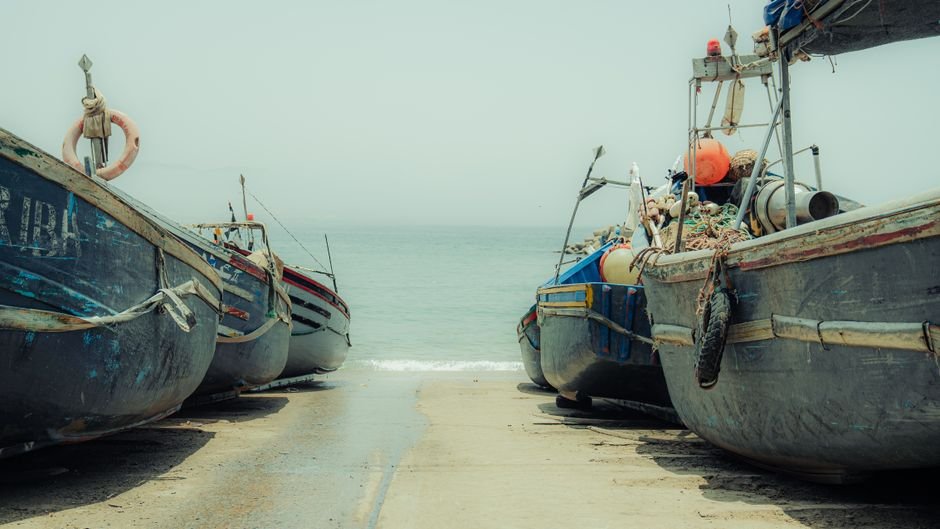
My Khe is Da Nang’s best-known urban beach, with a long stretch of pale sand and plenty of places to sit, swim, or watch the fishing boats. Early morning is cooler and lively, while late afternoon is a good time for a walk before sunset.
Conditions change with the weather and season, so check local flags and ask lifeguards before swimming. Some areas have stronger waves or currents than they look from shore. Bring sun protection, and expect the beach to be busy during local holidays.
Tip 2 – See the Dragon Bridge after dark
Dragon Bridge crosses the Han River and is one of the city’s most recognizable landmarks. Walk along the riverfront after sunset to see it lit up, then continue to a nearby café or take a relaxed evening stroll.
The bridge’s fire and water show is usually scheduled on weekend evenings, but timings can change for events or public holidays. Check locally before planning your night around it, and arrive early if you want a clear view near the bridge.
Tip 3 – Explore the Marble Mountains

The Marble Mountains are a group of limestone hills south of central Da Nang, with pagodas, caves, and viewpoints. Allow a few hours to explore, and wear shoes with a good grip. Stone steps can be steep, uneven, and slippery after rain.
There may be an elevator for part of the climb, but it does not remove every set of stairs. Take water and avoid rushing, especially in the heat. The caves are atmospheric, but some passages are dark and narrow, so use care and follow posted signs.
Tip 4 – Visit the Museum of Cham Sculpture
The Museum of Cham Sculpture is a useful stop for understanding the region’s history. Its collection includes sandstone works from the Champa kingdoms, many gathered from archaeological sites across central Vietnam.
It is an easy visit from the city center and works well on a hot or rainy afternoon. Give yourself time to read the labels rather than treating it as a quick photo stop. Check the museum’s official information for current opening hours and entry details.
Tip 5 – Take in the Han River waterfront
The Han River gives Da Nang a different feel from the beach districts. Walk along the river in the early evening to see the bridges, watch local life, and find cafés or casual restaurants with river views.
The waterfront is pleasant, but riverside menus can cost more than food a few streets back. If you want a quieter walk, go before dinner time. At night, watch for motorbikes when crossing streets and use marked crossings where available.
Tip 6 – Try Da Nang’s local food
Make room for mì Quảng, a turmeric-colored noodle dish usually served with herbs, peanuts, and a small amount of broth. Other local favorites include bún chả cá, a fish-cake noodle soup, and bánh tráng cuốn thịt heo, pork and vegetables wrapped in rice paper.
Look for busy local eateries, where dishes are often prepared quickly and turnover is high. Menus may be in Vietnamese, so a translation app or a photo of the dish can help. Tell staff about allergies clearly, and remember that fish sauce and peanuts appear in many regional dishes.
Tip 7 – Spend time in Son Tra Peninsula

Son Tra Peninsula combines forested hills, coastal views, and quiet stretches of shoreline. Linh Ung Pagoda, with its large Lady Buddha statue, is a popular stop. The drive is scenic, but roads can be steep and winding.
Use a licensed driver or a suitable vehicle if you are not confident riding a motorbike. Follow local signs and access rules, and do not approach or feed the red-shanked douc langurs sometimes seen in the area. Bring water and check the weather before setting out.
Tip 8 – Take a day trip to Hoi An
Hoi An’s lantern-lit old town is an easy day trip from Da Nang, with historic merchant houses, riverside walks, and a strong food scene. UNESCO recognizes the old town as a World Heritage site. You can read about its designation on the UNESCO Hoi An Ancient Town page.
Allow extra time for traffic, and consider staying into the evening if you want to see the town after dark. Hoi An is very popular, so expect crowds in the central lanes. If you prefer a calmer visit, arrive earlier in the day or choose a weekday outside major holidays.
Tip 9 – Visit the Da Nang Cathedral
Da Nang Cathedral is a distinctive pink church in the city center. It is an active place of worship, so visit respectfully and check whether public access is available when you arrive.
Keep your voice low, dress modestly, and avoid interrupting services. The visit is brief, so pair it with a walk through nearby streets or a meal at a local restaurant rather than making it a long excursion.
Tip 10 – Try a basket boat experience near Cam Thanh
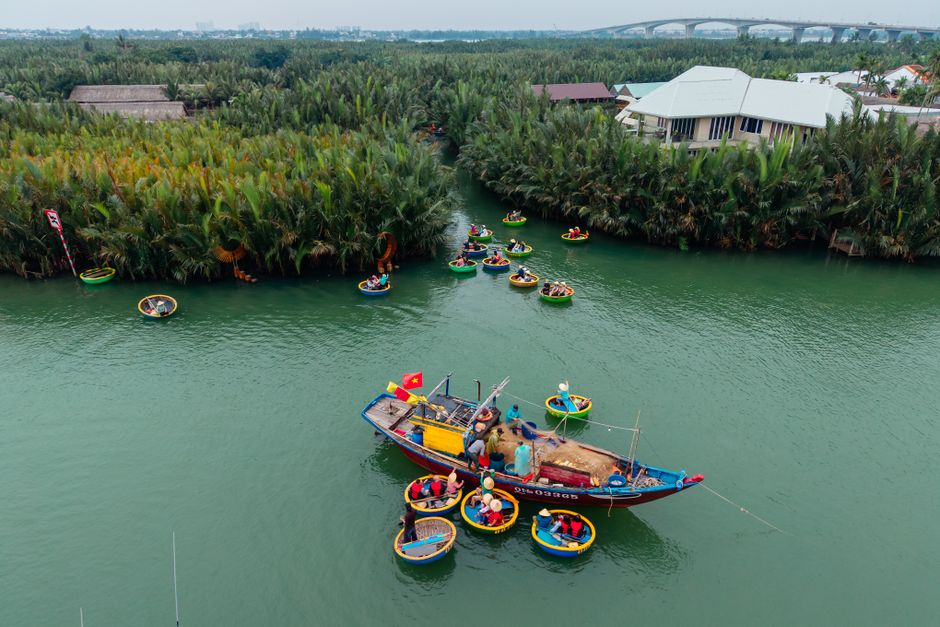
Some visitors pair Da Nang with a basket boat ride in the coconut groves near Cam Thanh, outside Hoi An. It is a tourist-oriented activity, but it can be fun for families and a different way to see the waterways.
Agree on the price and length of the ride before setting off, and choose an operator that provides life jackets. If loud music or staged performances are not your style, ask about a quieter option or skip the ride and explore Hoi An on foot instead.
Tip 11 – Relax at Non Nuoc Beach
Non Nuoc Beach lies south of the Marble Mountains and is often a quieter alternative to the central beachfront. It is a good choice for a restful afternoon, especially if you are staying nearby.
Beach access may vary around resort properties, so check signs and use public access points where available. Facilities can be more spread out than at My Khe, so bring water and anything else you need for a few hours outdoors.
Tip 12 – See the Golden Bridge at Ba Na Hills
Ba Na Hills is a hilltop resort complex known for the Golden Bridge, which is held by giant stone hands. It is a full-day outing from Da Nang, with a cable car ride, gardens, and attractions at the top.
It can feel very commercial and crowded, and tickets and food may cost more than in the city. Cloud and rain can also limit the views. Check current ticket details and weather before going, and decide whether the cable car and theme-park atmosphere suit your trip.
Tip 13 – Visit the Museum of Da Nang or a local market

A museum visit or market walk offers a closer look at daily life in Da Nang. Check the current location and opening details for the Museum of Da Nang before visiting, as cultural venues can move or change schedules.
Markets are best in the morning, when produce and prepared foods are being sold. Ask before photographing people or their stalls, and keep small cash handy. Bargaining may be expected for some goods, but be friendly and accept a price you are comfortable paying.
Tip 14 – Watch the sunset from the beach
Da Nang’s east-facing beaches are known for sunrise, but the city still offers lovely evening light from different points along the coast and river. Find a comfortable spot, check the weather, and enjoy the slower end of the day.
Do not leave valuables unattended while swimming or walking. If the water looks rough, stay on the sand and enjoy the view instead. A beach café can be an easy option if you want shade and a place to sit.
Tip 15 – Plan around the best time to visit
Da Nang is warm for much of the year. The drier months are generally more comfortable for beach time and sightseeing, while the rainy season can bring heavy showers and rougher seas. Conditions vary from year to year, so check a current forecast before booking outdoor activities.
Summer can be hot and busy, especially around school holidays. The shoulder periods may offer a balance of manageable crowds and warm weather, but rain is still possible. Keep one flexible day in your itinerary in case a beach or mountain plan needs to change.
Tip 16 – Choose the right neighborhood for your stay
Stay near My Khe or An Thuong if you want easy beach access, cafés, and a large choice of accommodation. Choose the Han River or city-center area for markets, museums, and evening walks. These districts are close enough to connect by taxi or ride-hailing, but they have different day-to-day atmospheres.
If you are planning several day trips, compare travel times from your hotel rather than choosing only by room price. For more city-break planning ideas, see this guide to 20 Fun and Best things to do in charlottetown pei.
Tip 17 – Get around by taxi, ride-hailing, or local transport
Da Nang is spread out, so walking alone will not cover every major sight. Metered taxis and ride-hailing apps are convenient for many visitors. Confirm the destination in the app or show it on a map, and check the fare method before you start the trip.
Motorbike rental is common, but riding in unfamiliar traffic can be stressful. Only consider it if you have the required license and experience, wear a helmet, and understand local road conditions. Ask your accommodation about current bus routes if you want a lower-cost option.
Tip 18 – Keep your trip comfortable and within budget
Street food, local cafés, and public beaches can make Da Nang an affordable stop. Spend more selectively on experiences that matter to you, such as a guided trip or a special seafood dinner. Check prices before ordering seafood by weight, and confirm whether listed prices include tax or service charges.
Pack light, breathable clothes, comfortable walking shoes, sunscreen, and a reusable water bottle. A light rain jacket is useful in wetter months. Families should plan breaks during the hottest part of the day and check that beach conditions are suitable for children.
Tip 19 – Use local apps and keep important numbers handy
Download an offline map before you go, and keep your hotel address written in Vietnamese as well as English. A translation app can help with menus, addresses, and simple requests. Save your ride-hailing app, accommodation details, and travel insurance information where you can access them without mobile data.
For urgent help in Vietnam, the commonly used emergency numbers are 113 for police, 114 for fire services, and 115 for ambulance services. Ask your accommodation for help if you are unsure which service to contact. Travel insurance should include contact details for assistance and clear guidance on medical care.
Tip 20 – Avoid the most common Da Nang planning mistake
The most common mistake is treating Da Nang as only a beach stop or trying to combine too many far-apart attractions in one day. The Marble Mountains, Son Tra, Ba Na Hills, and Hoi An each need time for travel as well as the visit itself.
Group sights by area, leave room for traffic and weather, and choose only one major day trip at a time. For example, pair the Marble Mountains with nearby Non Nuoc Beach, or save a separate day for Hoi An. You will enjoy the city more if your schedule has breathing room.
Visa & Entry Requirements
Entry requirements for Vietnam depend on your passport, travel purpose, length of stay, and the government policies in force when you travel. Do not assume that rules for one nationality apply to everyone. Before booking, check whether your passport needs a visa, qualifies for a visa exemption, or can be used to apply for an electronic visa through Vietnam’s official Vietnam e-visa portal.
Check the required passport validity and whether you need blank pages. Confirm that the name and passport details on any visa or electronic authorization match your travel document exactly. If you need a visa, review the permitted entry points, number of entries, and allowed length of stay, and make sure your planned arrival in Da Nang fits those conditions.
Authorities or carriers may ask for evidence of onward or return travel and accommodation details. Keep copies of your hotel booking, travel insurance, and key travel documents accessible, while storing backups separately. Insurance is not a substitute for entry permission, but it can help with unexpected medical costs or travel disruption.
Vaccination and health documentation rules can change and may depend on where you have traveled before. Check current official guidance rather than relying on an old travel blog or an informal social media post. Customs rules also apply to items brought into Vietnam. Declare goods when required, and check official rules before carrying medication, high-value goods, restricted items, or large amounts of cash.
For final requirements, consult the Vietnamese government’s official immigration service, the relevant Vietnamese embassy or consulate, and official government travel guidance for your passport. Airlines may also check documents before boarding, but their advice does not replace government rules. Requirements can change, so confirm them again shortly before departure. This information is a practical reminder, not legal advice or a guarantee of entry.
Frequently Asked Questions
How many days do you need in Da Nang?
Three or four days is a comfortable amount of time for the city, the beach, and one nearby day trip. With two days, focus on the riverfront, My Khe Beach, and either the Marble Mountains or Hoi An.
What are the best things to do in Da Nang Vietnam for first-time visitors?
Start with My Khe Beach, the Marble Mountains, and an evening walk along the Han River. Add a local meal featuring mì Quảng or bún chả cá, then choose one day trip, such as Hoi An or Ba Na Hills.
Is Da Nang a good destination for families?
Yes. Families can enjoy the beach, easy riverfront walks, and day trips, though heat and traffic require planning. Check swimming conditions, use suitable child restraints where available, and choose activities that match your children’s comfort with stairs and crowds.
Is Da Nang expensive to visit?
Da Nang can suit a range of budgets. Local food and simple guesthouses can be inexpensive, while beach resorts, organized tours, and attractions such as Ba Na Hills add to the cost. Check transport and activity prices in advance.
Can you visit Hoi An from Da Nang in one day?
Yes. Hoi An is a popular day trip, and many travelers go for the old town, food, and evening atmosphere. Allow time for the journey both ways, and consider staying later if you want to see the lanterns after dark.
Is it safe to swim at My Khe Beach?
Conditions depend on the weather, surf, currents, and the beach section. Follow lifeguard instructions and warning flags, and do not swim when conditions are unsafe. If you are traveling with children, stay close and choose a supervised area.
What should I wear when visiting temples or pagodas?
Wear clothes that cover your shoulders and knees, and remove your shoes where requested. Be quiet, follow signs, and ask before taking photographs, especially during worship or ceremonies.
Conclusion
Da Nang brings together a relaxed beach scene, regional food, riverside walks, and easy access to some of central Vietnam’s best-known sights. The best things to do in Da Nang Vietnam depend on whether you want a beach break, a city stay, or a mix of both.
Plan one or two main activities each day, leave time for meals and changing weather, and check current transport and entry details before you go. With a flexible plan, you can enjoy Da Nang at a comfortable pace and make room for the places that interest you most.
