
Key Takeaways
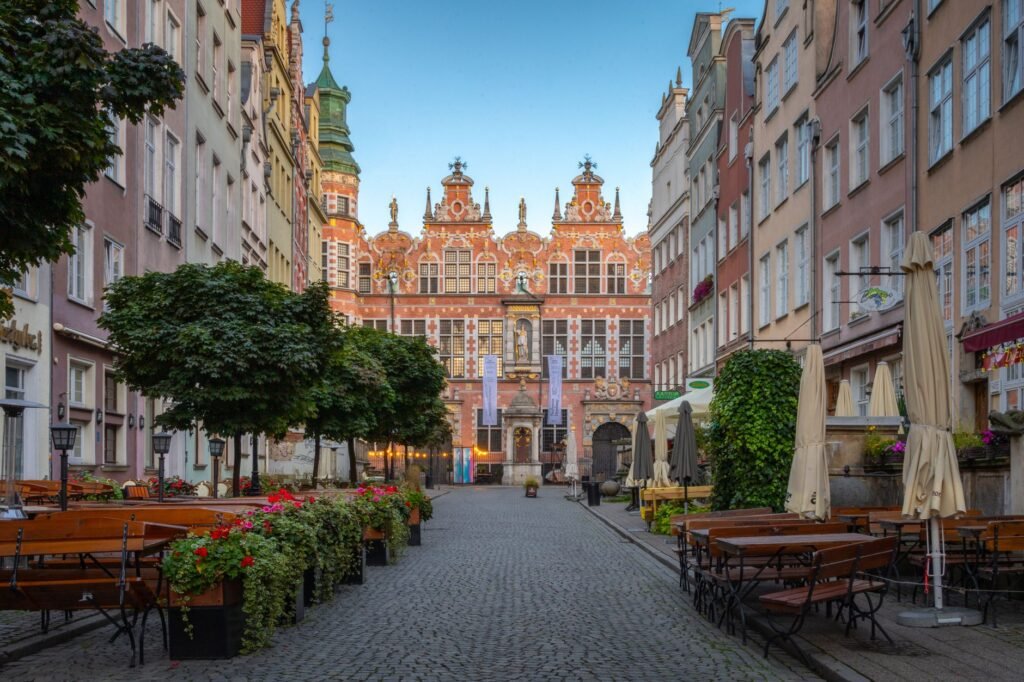
- Walk the cobbled streets of Gdańsk's Old Town and soak up centuries of history.
- Visit the maritime museums to understand the city's shipbuilding legacy.
- Relax on the sandy beaches of Sopot and Brzeźno, just minutes from the city centre.
- Taste local specialties like pierogi, fish soup, and craft beer at bustling markets.
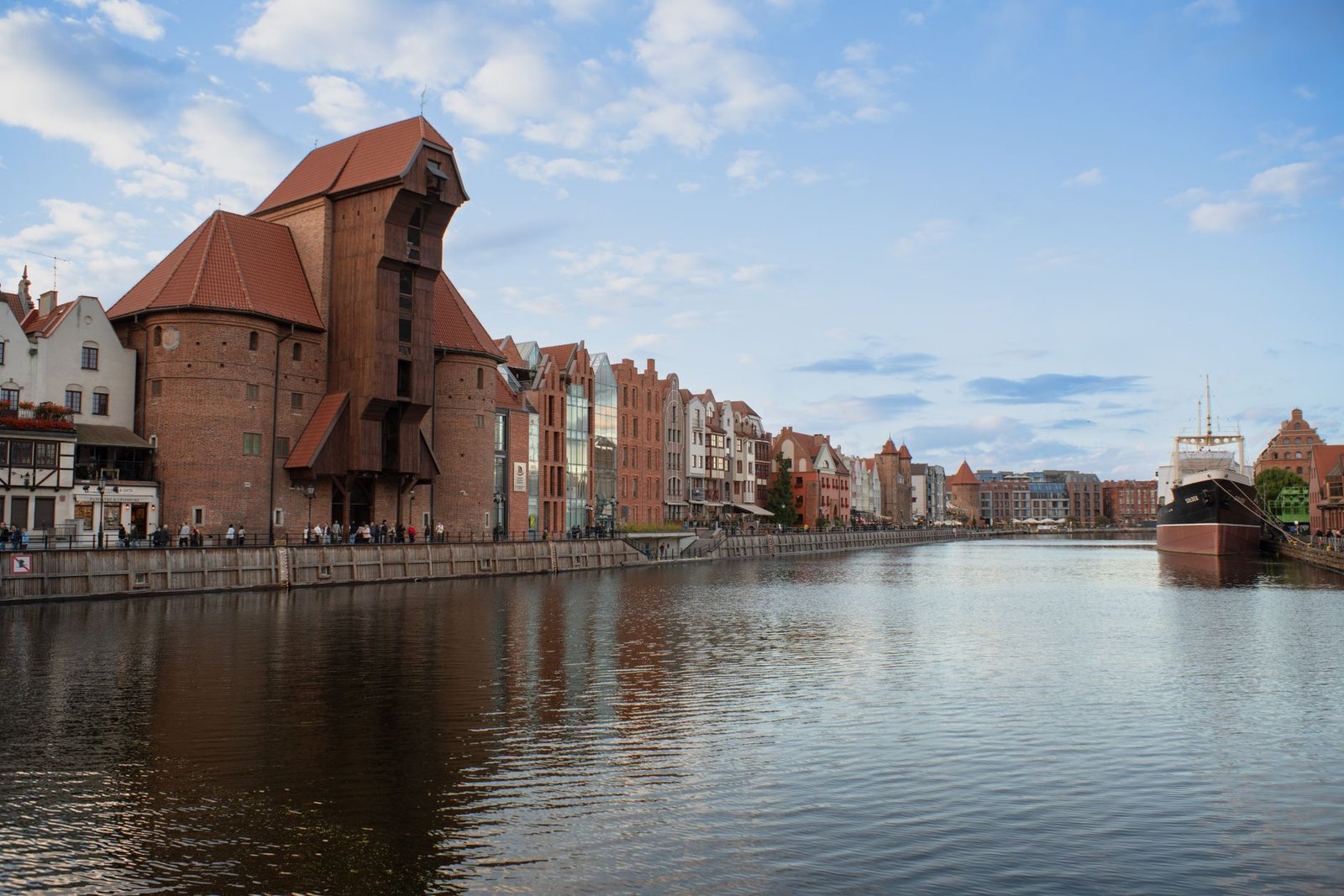
Gdańsk, perched on the Baltic coast, blends medieval charm with vibrant modern life. When you search for Things to do in gdansk, you’ll find a city that offers historic architecture, lively waterfronts, and a culinary scene that celebrates both sea and land. Whether you’re strolling along the Motława River or catching a sunset on a sandy beach, the city invites you to explore at a relaxed yet curious pace.
In this guide we break down the top attractions, neighborhoods, and experiences that make Gdańsk a must‑visit destination in Poland. Practical tips, suggested itineraries, and insider advice will help you plan a trip that feels both authentic and unforgettable.
Exploring the Old Town
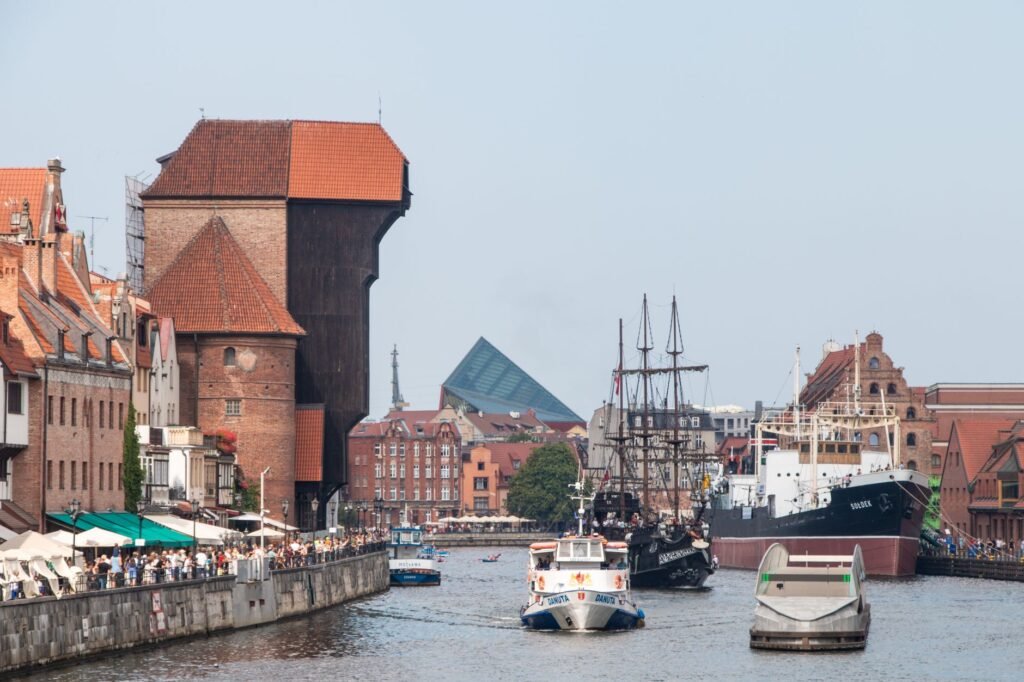
The heart of Gdańsk is its Old Town, a compact district of beautifully restored merchant houses, Gothic churches, and lively market squares. Begin at the iconic Long Market (Długi Targ), where the famous Neptune Fountain watches over shoppers and street performers. The surrounding arcades house cafés, souvenir shops, and art galleries, making it easy to pause for a coffee while people‑watch.
Don’t miss the St. Mary’s Church, one of the largest brick churches in the world. Its soaring interior and panoramic tower views reward those willing to climb the 400 steps. Inside, you’ll find a historic organ and a small museum that explains the church’s role during the Hanseatic League era.
For a deeper dive into Gdańsk’s past, follow the Royal Route, a walking trail marked by bronze plaques that lead you past the historic Town Hall, the Golden Gate, and the former granaries of the Motława River. Each stop tells a story of trade, conflict, and resilience that shaped the city.
- Long Market – shops, cafés, and the Neptune Fountain.
- St. Mary’s Church – climb the tower for city vistas.
- Town Hall – climb the observation deck for a bird’s‑eye view.
- Golden Gate – entry point to the medieval merchant quarter.
Maritime Heritage and Museums
Gdańsk’s identity is inseparable from the sea. The National Maritime Museum complex, spread across several historic buildings, offers a comprehensive look at shipbuilding, navigation, and the city’s role in global trade. Highlights include the restored 17th‑century warship Dar Pomorza and the interactive exhibits at the Maritime Academy.
Another must‑see is the World War II Museum, designed by famed architect Daniel Libeskind. The museum’s striking architecture mirrors the city’s turbulent 20th‑century history, and its exhibitions combine artifacts, personal testimonies, and multimedia displays for a powerful experience.
For a lighter, family‑friendly option, head to the European Solidarity Centre. While not a maritime museum, it tells the story of the Solidarity movement that began in Gdańsk’s shipyards, linking the city’s industrial past with its democratic present.
- National Maritime Museum – ship models, historic vessels, and maritime art.
- World War II Museum – immersive exhibits on the conflict’s impact.
- European Solidarity Centre – modern history of the Solidarity trade union.
Beaches and Seaside Leisure
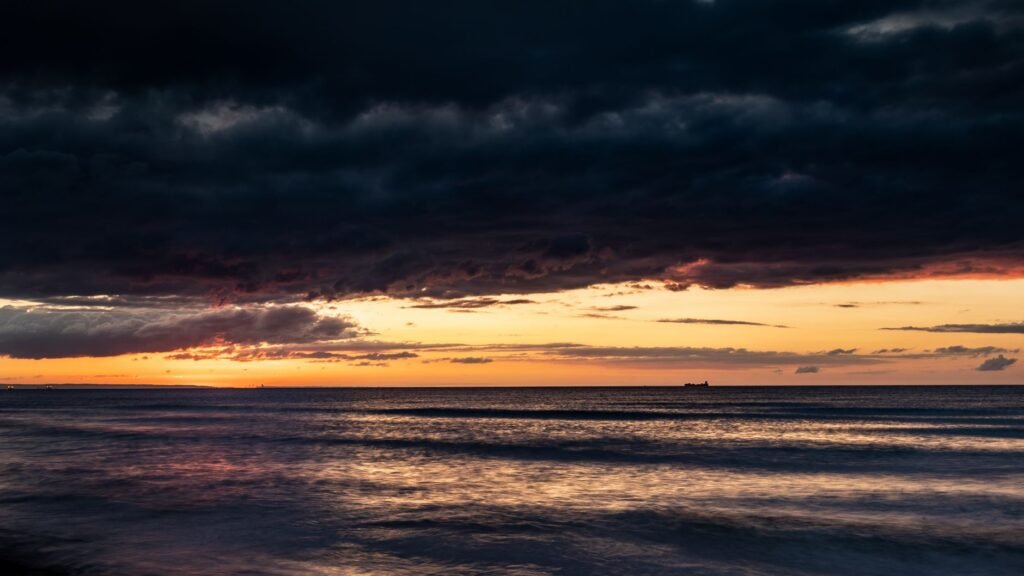
Just a short tram ride from the city centre, Gdańsk’s coastline offers several sandy beaches perfect for sunbathing, swimming, and wind‑surfing. Brzeźno Beach is popular with locals, featuring a long promenade, volleyball courts, and a range of beachside cafés serving fresh fish and ice‑cream.
Further north, the resort town of Sopot boasts the famous wooden pier (Molo), the longest in Europe. The pier is lined with cafés, souvenir stalls, and a small aquarium. In summer, street musicians and artists create a festive atmosphere that spills onto the adjacent beach.
If you prefer a quieter spot, head to Jelitkowo Beach**, a family‑friendly area with shallow waters, playgrounds, and a relaxed vibe. The nearby Jelitkowo Forest offers walking trails that lead back toward the city, making it easy to combine beach time with a nature walk.
| Beach | Key Features | Best Time to Visit |
|---|---|---|
| Brzeźno | Promenade, cafés, volleyball | June‑August |
| Sopot Pier | Longest wooden pier, nightlife | July‑September |
| Jelitkowo | Family‑friendly, shallow water | May‑September |
Food and Drink Experiences
Gdańsk’s culinary scene reflects its maritime heritage and multicultural past. Start with a traditional Polish breakfast at a local bakery: fresh rye bread, butter, and a slice of smoked cheese. For lunch, head to the historic Pierogarnia Mandu to sample pierogi stuffed with potato, cheese, or seasonal mushrooms.
Seafood lovers will feel at home in the market hall of Hala Targowa**, where stalls offer fresh herring, smoked salmon, and the city’s signature fish soup (zupa rybna). Pair the soup with a slice of rye bread and a glass of locally brewed craft beer from Amber Beer House**.
To finish, try a dessert of szarlotka (apple cake) at a café overlooking the Motława River. Many establishments also serve a shot of Żubrówka infused with honey for a sweet, aromatic finish.
| Dish | Description | Typical Venue |
|---|---|---|
| Pierogi | Dumplings filled with potato, cheese, meat or fruit. | Traditional restaurants, street stalls. |
| Fish Soup | Rich broth with mixed Baltic fish, vegetables, and herbs. | Seafood market stalls, fish restaurants. |
| Żurek | Sour rye soup often served with boiled egg and sausage. | Family‑style eateries. |
Parks, Gardens and Outdoor Spaces
The city’s green lungs provide a pleasant contrast to its historic brick architecture. Olivia Gardens (Oliwa Park) is a sprawling, landscaped park surrounding the impressive Oliwa Cathedral. The park’s English‑style pathways, ponds, and a historic organ concert series make it an ideal spot for a leisurely afternoon.
For a more urban vibe, visit the Jasne Błonia promenade along the Motława River. It’s lined with modern sculptures, benches, and occasional pop‑up markets featuring local artisans. The area is especially lively in the evenings when the riverfront lights create a romantic backdrop.
If you enjoy cycling, the Green Velo trail passes near Gdańsk, offering routes that connect the city to the surrounding Kashubian countryside. Bike rentals are available near the Old Town, and many routes are sign‑posted in both Polish and English.
- Oliwa Park – cathedral, ponds, organ concerts.
- Jasne Błonia – river promenade, sculptures, evening lights.
- Green Velo – long‑distance cycling trail through Kashubia.
Day Trips from Gdańsk
Gdańsk’s location makes it a perfect base for exploring the wider Pomeranian region. A short train ride north brings you to Sopot**, a stylish seaside resort known for its vibrant nightlife, art deco architecture, and the iconic wooden pier.
Further east, the town of Malbork** houses the world‑renowned Malbork Castle, the largest brick fortress in the world and a UNESCO World Heritage site. Guided tours reveal the castle’s medieval defenses, royal chambers, and impressive armory.
For nature enthusiasts, the Hel Peninsula offers a unique blend of sandy dunes, lighthouse visits, and seal watching tours. The peninsula can be reached by a scenic train ride along the coast, and its laid‑back vibe provides a perfect counterpoint to the bustling city.
- Sopot – beach, pier, nightlife.
- Malbork Castle – medieval architecture, UNESCO site.
- Hel Peninsula – dunes, lighthouse, marine wildlife.
Shopping and Souvenirs
Gdańsk is a shopper’s delight, offering everything from high‑end boutiques to traditional craft stalls. The Galery Bałtycki** mall near the waterfront houses international brands, while the historic Granary Island** market offers local amber jewelry, hand‑woven Kashubian textiles, and ceramics.
Amber, often called “the Baltic gold,” is a signature souvenir. Visit the Amber Museum** to learn about its formation and see exquisite pieces ranging from simple pendants to elaborate chandeliers.
Don’t overlook the weekly farmers’ market at Plac Nowy** in the Old Town, where you can pick up fresh produce, homemade preserves, and regional cheeses. It’s also a great place to practice a few Polish phrases with friendly vendors.
- Granary Island – amber, crafts, local art.
- Plac Nowy Market – fresh food, regional specialties.
- Galery Bałtycki – modern shopping, international brands.
Frequently Asked Questions
What is the best time of year to visit Gdańsk?
The most pleasant weather falls between late May and early September, when temperatures are mild and the city’s outdoor cafés and beaches are in full swing. July and August are the warmest months, but they also attract the most tourists.
How do I get around the city?
Gdańsk has an efficient public‑transport network of trams and buses operated by ZTM. A single ticket is valid for 75 minutes, while a day pass offers unlimited rides on all modes, including the SKM train to Sopot and Gdynia.
Is English widely spoken?
Yes, especially in hotels, restaurants, and tourist attractions. Younger locals often speak English fluently, and most signage in the city centre includes English translations.
Do I need a visa to travel to Poland?
Poland is part of the Schengen Area. Citizens of EU countries do not need a visa. Travelers from many other nations can enter visa‑free for short stays (up to 90 days) if they hold a valid passport. Always check the latest entry requirements before you travel.
The Bottom Line
Gdańsk offers a rich blend of history, seaside charm, and culinary delights that make it an ideal destination for any traveler. From wandering the cobbled streets of the Old Town to savoring fresh Baltic fish on a sunny beach, the city provides a variety of experiences that cater to culture lovers, foodies, and outdoor enthusiasts alike. With good public transport, friendly locals, and a compact layout, exploring the best Things to do in gdansk is both easy and rewarding.
