

things to do in greece athens include exploring ancient landmarks, eating well in lively neighborhoods, and enjoying views across a modern capital. Athens is Greece’s historic heart, but it is also a busy city where local life carries on around the monuments.
First-time visitors can see the Acropolis and its museum, wander through Plaka, and still make time for a long Greek meal. A little planning helps with summer heat, crowded sights, and the city’s steep streets.
This guide to things to do in greece athens covers major attractions, local experiences, transport, food, and practical travel details. Use it to plan a first visit that balances famous sights with time to enjoy the city at your own pace.
20 Things to Do in Greece Athens: A Practical Guide
Use this quick-reference table to plan your days. Opening hours, transport schedules, and ticket rules can change, so check official sources before setting out.
| Experience | Good to know |
|---|---|
| Acropolis and Parthenon | Go early, wear shoes with grip, and check current entry arrangements. |
| Acropolis Museum | A useful indoor visit and an excellent follow-up to the hilltop site. |
| Plaka and Anafiotika | Best explored on foot; expect steps and uneven paving. |
| Getting around | Use the metro for longer journeys and walk between nearby central sights. |
| Best time for sightseeing | Spring and autumn are often more comfortable than the hottest summer weeks. |
Tip 1 – Visit the Acropolis early

The Acropolis is Athens’ best-known landmark, and the Parthenon is its most famous building. Arriving early can mean cooler temperatures and a calmer experience before tour groups and midday heat build up. Entry arrangements and opening times may vary, so check the official ticket information before your visit.
The paths are uneven, and some areas can be slippery or exposed to the sun. Wear sturdy shoes, bring water, and avoid carrying more than you need. The site is not an easy visit for every traveler, especially anyone with mobility concerns.
Tip 2 – Make time for the Acropolis Museum
The Acropolis Museum gives helpful context for what you have seen on the hill. Its galleries display sculpture and archaeological finds from the Acropolis, with views back toward the monument. A visit here also offers a welcome indoor break on a hot day.
Check the Acropolis Museum’s official visitor information for current hours, ticket details, and access information. If you are short on time, choose the galleries that interest you most rather than trying to see everything at once.
Tip 3 – Wander through Plaka and Anafiotika
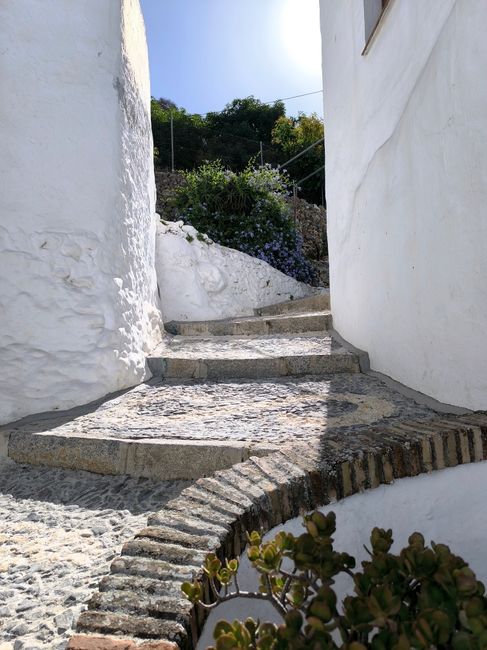
Plaka sits below the Acropolis and is one of the easiest places to enjoy a slow walk between sights. Its narrow lanes, small shops, cafés, and old houses make it popular, so the busiest streets can feel crowded in the middle of the day.
Climb into Anafiotika for quiet lanes and whitewashed homes tucked into the hillside. Be respectful in this residential area: keep voices low and do not photograph people or private homes without permission. Comfortable shoes help with the steps and uneven surfaces.
Tip 4 – Explore the Ancient Agora
The Ancient Agora was once a center of civic and commercial life. Today, its open paths, ruins, and the well-preserved Temple of Hephaestus offer a less tightly packed way to experience ancient Athens. The site is outdoors, so take water and sun protection.
Allow enough time to walk the grounds rather than treating the Agora as a quick photo stop. Combining it with nearby Monastiraki can make a convenient half-day route.
Tip 5 – Visit the Roman Agora and Hadrian’s Library
These smaller archaeological sites are close to Plaka and Monastiraki, making them easy to add to a central walking day. The Tower of the Winds is a highlight of the Roman Agora, while Hadrian’s Library offers a glimpse of the city’s later ancient history.
You may not need a long visit at each place, but check ticket conditions before assuming sites can be entered on the same pass. Some travelers prefer to admire them from outside if they have already spent several hours among ruins.
Tip 6 – See the Panathenaic Stadium
The marble Panathenaic Stadium hosted the first modern Olympic Games in 1896 and remains a distinctive Athens landmark. You can admire its curved seating from outside or check whether a visit suits your schedule.
It is a little farther from the dense cluster of central archaeological sites, so consider pairing it with the National Garden or a walk toward Syntagma. In full sun, the open stadium can feel hot, especially in summer.
Tip 7 – Take a break in the National Garden

The National Garden is a shady green space beside Syntagma Square and the Parliament. Its paths offer a quieter change of pace after museums and busy streets. It is a practical place for a rest, though it is not a wilderness escape and can be lively with local families.
Bring a drink and take a slow loop through the garden. Check current access and any temporary closures locally, and keep an eye on your belongings in busy areas, as you would in any city park.
Tip 8 – Watch the changing of the guard at Syntagma
The ceremonial guards outside the Hellenic Parliament attract many visitors. The regular changing ceremony is a brief and easy stop near the metro, while the larger Sunday ceremony draws a bigger crowd. Check local schedules if seeing a particular ceremony matters to you.
Arrive early for a clear view and follow any instructions from staff. Syntagma is also a useful landmark for navigating central Athens and connecting with public transport.
Tip 9 – Browse Monastiraki and its flea market streets
Monastiraki is known for its square, market lanes, cafés, and views of the Acropolis. It is a good area to browse for souvenirs and watch city life, but prices and quality vary. Compare items before buying, especially antiques or products described as handmade.
The area gets especially busy around the square and metro entrance. Keep valuables secure and take care when crossing streets, where traffic can be fast and sidewalks uneven.
Tip 10 – See the city from Lycabettus Hill
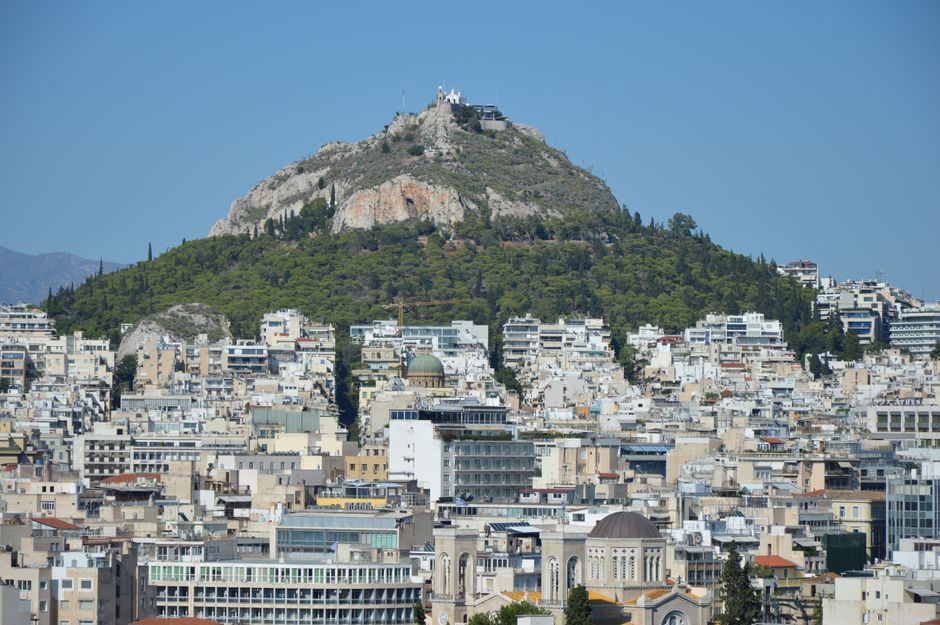
Lycabettus Hill offers wide views over Athens, with the Acropolis visible from above. You can walk up or look into the funicular option if you would rather avoid the climb. Check operating details and conditions before you go, as access can change.
Sunset is a popular time, so expect other visitors and plan your return before it gets late. The climb can be tiring in hot weather; bring water and choose a cooler part of the day.
Tip 11 – Spend an evening in Psyrri
Psyrri is a central neighborhood known for tavernas, bars, cafés, and street art. It is a good place for an evening meal or a relaxed drink, with options ranging from casual to more polished. Restaurant quality varies, so look at menus and prices before sitting down.
Some streets stay lively late into the evening, while others are quieter. Use a taxi or public transport if you are tired, and choose a well-lit route back to your accommodation.
Tip 12 – Try Greek food beyond the familiar dishes
Look for grilled fish, seasonal vegetables, pies, beans, local cheeses, and daily specials alongside familiar favorites such as souvlaki and moussaka. Many tavernas serve dishes to share, which makes it easy to try a few things with friends or family.
Ask about ingredients if you have allergies or dietary needs. For a casual meal, bakeries and small takeaway shops can be good value, while a restaurant meal near the most crowded monuments may cost more.
Tip 13 – Take a food walk through the Central Market area

A walk around Varvakios Central Market and nearby food streets gives a closer look at everyday shopping in Athens. You will find produce, meat, fish, spices, and small places to eat. It is an active working market, not a staged attraction, so follow local signs and avoid blocking traders.
Opening patterns can differ by day, and the market is generally livelier earlier. If you prefer a guided tasting walk, compare what is included, the walking distance, and cancellation terms before booking.
Tip 14 – Visit the National Archaeological Museum
The National Archaeological Museum holds an extensive collection from across Greece, including ancient sculpture, pottery, and objects from major archaeological sites. It is a strong choice for travelers who want more historical context beyond the Acropolis.
The collection is large, so decide how long you want to stay and focus on a few galleries. Check the museum’s current visitor information before traveling across town, especially if your schedule is tight.
Tip 15 – Choose a beach or coastal outing close to the city
Athens is not only ancient sites and busy streets. The coastal suburbs offer waterfront walks and places to swim, though reaching them takes time and beach conditions vary. Check transport, access, and facilities before setting out, and do not assume every stretch of shore has lifeguards or services.
If you are comparing a city break with a more beach-focused island holiday, this guide to Things to do in boracay offers ideas for a different kind of coastal trip.
Tip 16 – Consider a day trip only if your schedule allows
Popular excursions from Athens include Cape Sounion and its Temple of Poseidon, as well as archaeological sites farther from the city. A day trip can be worthwhile, but travel time may take up a large part of the day. Check transport options and return schedules before committing.
If you have only two or three days in Athens, staying in the city may be more rewarding than trying to fit in several excursions. For a longer stay, compare guided tours with public transport based on comfort, cost, and the time you have.
Tip 17 – Use the metro and walk between nearby sights
The metro is useful for reaching central areas and moving between neighborhoods. Many major attractions are close enough to connect on foot, but Athens has hills, uneven pavements, and limited shade in some areas. Plan your route around the heat and your mobility needs.
Check the Athens public transport authority’s official information for current routes, fares, and service notices. From the airport, compare the metro, bus, and taxi options for your arrival time and luggage.
Tip 18 – Plan around the season and the heat
Spring and autumn are often comfortable seasons for walking around Athens. Summer brings long days but can also mean intense heat, strong sun, and larger crowds at major sights. Winter can be cooler and quieter, though rain and shorter daylight hours may affect outdoor plans.
In warm weather, start sightseeing early, rest during the hottest part of the day, and carry water. For current local ideas and seasonal visitor information, check the official Athens visitor guide.
Tip 19 – Book key visits ahead and check what is included
Timed entry or advance booking may be useful for major attractions, especially during busy travel periods. Use official ticket sources where possible and confirm the date, entry time, cancellation terms, and whether a museum or archaeological site is included.
Avoid assuming that a pass automatically covers every sight or lets you skip all queues. Keep booking confirmations accessible offline in case mobile reception is poor or your data connection is unavailable.
Tip 20 – Stay aware, pack sensibly, and learn a few Greek words
Athens is a large capital, so use ordinary city awareness around crowded squares, markets, and public transport. Keep bags zipped and close, especially in busy areas, and be attentive when crossing streets. The emergency number across the European Union is 112.
Pack comfortable walking shoes, sun protection, a refillable water bottle, and a light layer for cooler evenings. A few useful Greek phrases are “kalimera” for good morning, “efharisto” for thank you, and “parakalo” for please or you’re welcome. A common tourist mistake is trying to fit too many sites into one hot day; leave time to rest and enjoy a meal.
Visa & Entry Requirements
Athens is in Greece, which is part of the Schengen Area. Entry requirements are not the same for every visitor. Visa rules, passport-validity requirements, blank-page expectations, any electronic travel authorization, vaccination requirements, customs rules, and the permitted length of stay depend on the passport you travel on and current government policy.
Before departure, check Greece’s official government or embassy information for your specific circumstances. The Greek Ministry of Foreign Affairs visa information is a useful official starting point, and the European Commission also explains the Schengen visa policy. Use the latest guidance rather than relying only on older travel articles or advice from someone with a different passport.
Check that your passport will meet the required validity rules for your trip and has any required blank pages. If a visa or electronic authorization applies to you, confirm when and how to apply, what documents are needed, and whether approval is required before boarding. Do not assume that a visa-free visit allows an unlimited stay or work.
Border officials may ask for details such as return or onward travel, accommodation, or enough funds for your visit. Requirements and enforcement can vary, so keep relevant bookings and contact information available. Consider travel insurance that fits your plans, including medical care and cancellations, but do not treat it as a substitute for entry documents.
Review customs rules before packing food, medicines, cash, or goods that may need to be declared. Any vaccination or health documentation rules can also change. Recheck official guidance close to departure, including any transit-country requirements. This information is general travel guidance, not legal advice, and no summary can guarantee entry.
Frequently Asked Questions
How many days should I spend in Athens?
Two full days can cover the Acropolis, the Acropolis Museum, and several central neighborhoods at a steady pace. Three or four days allow more time for museums, food, and a coastal outing or day trip. Leave extra time if you prefer slow mornings or have mobility needs.
What are the best things to do in greece athens for a first visit?
Start with the Acropolis and its museum, then explore Plaka, the Ancient Agora, and Monastiraki. Add a meal in a neighborhood taverna and a viewpoint such as Lycabettus Hill if you have time and the weather is comfortable.
Is Athens easy to explore without a car?
Yes. Many central sights are walkable, and the metro and other public transport help cover longer distances. A car is usually unnecessary for a central stay and can be inconvenient for parking and traffic.
When is the best time to visit Athens?
Spring and autumn are popular for comfortable sightseeing weather. Summer offers long daylight hours but can be very hot, so plan early starts and breaks. Winter is often quieter, although weather and opening schedules may affect outdoor plans.
Is Athens suitable for families?
Families can enjoy the museums, open spaces, stadium, and easy-to-understand ancient sites. Plan shorter sightseeing blocks, bring water and snacks, and check accessibility before choosing a route. Steep streets and uneven paving can be challenging with strollers.
What is the most common tourist mistake in Athens?
Trying to visit every major sight in one day is a common mistake. The city is hot in summer, and moving between sites takes time. Prioritize a few places, book important visits when appropriate, and leave room for meals and rest.
Is Athens safe for visitors?
Many visitors explore central Athens without difficulty, but normal city precautions matter. Keep valuables secure in crowded places, pay attention to traffic, and use well-lit routes at night. For urgent help in Greece or elsewhere in the European Union, call 112.
Conclusion
The best things to do in greece athens combine ancient history with the everyday pleasures of a Greek city: neighborhood walks, good food, markets, museums, and wide views. Give the Acropolis and its museum enough time, but do not feel you need to see every monument in one visit.
Plan around the weather, use public transport for longer journeys, and check official information for tickets and entry requirements. With a realistic schedule and a little flexibility, Athens can be rewarding for first-time visitors and travelers returning to Greece alike.
