
Key Takeaways
- Explore the compact village on foot, enjoying waterfront walks and local cafés.
- Visit nearby parks like Whytecliff and Lighthouse for coastal views and short hikes.
- Use the BC Ferries terminal for day trips to Bowen Island or the Sunshine Coast.
- Plan ahead by checking ferry schedules, trail conditions, and packing weather‑ready gear.
things to do in horseshoe bay include waterfront walks, coastal hikes, and ferry trips from this small seaside village in West Vancouver, Canada. Set beside Howe Sound, Horseshoe Bay is an easy day trip from Vancouver and a lovely place to slow down by the water.
The village is best known as a BC Ferries terminal, but there is more here than a quick stop before boarding. You can browse the shops, eat beside the marina, visit nearby parks, or make a day of exploring Bowen Island.
Use this guide to plan the best things to do in Horseshoe Bay, including practical tips for getting around, choosing a season, and avoiding the most common visitor mistake: arriving just in time for a ferry without checking schedules or allowing for delays.
20 Things to Do in Horseshoe Bay
Tip 1 – Stroll around Horseshoe Bay village

Start with an easy walk through the compact village streets and along the waterfront. You will find independent shops, cafes, and places to pause and watch boats move through the harbour.
It is a small area, so you do not need a detailed route. Wear comfortable shoes and take your time, especially if you are waiting for a ferry or meeting friends for lunch.
Tip 2 – Watch the boats at the marina
The marina is one of the most pleasant places to take in the setting. Look out across the water to the surrounding mountains and watch local boats and ferries pass through Howe Sound.
Keep clear of working areas and private docks. The waterfront is a good place for photos, but it is also an active harbour rather than a dedicated viewing platform.
Tip 3 – Visit Whytecliff Park
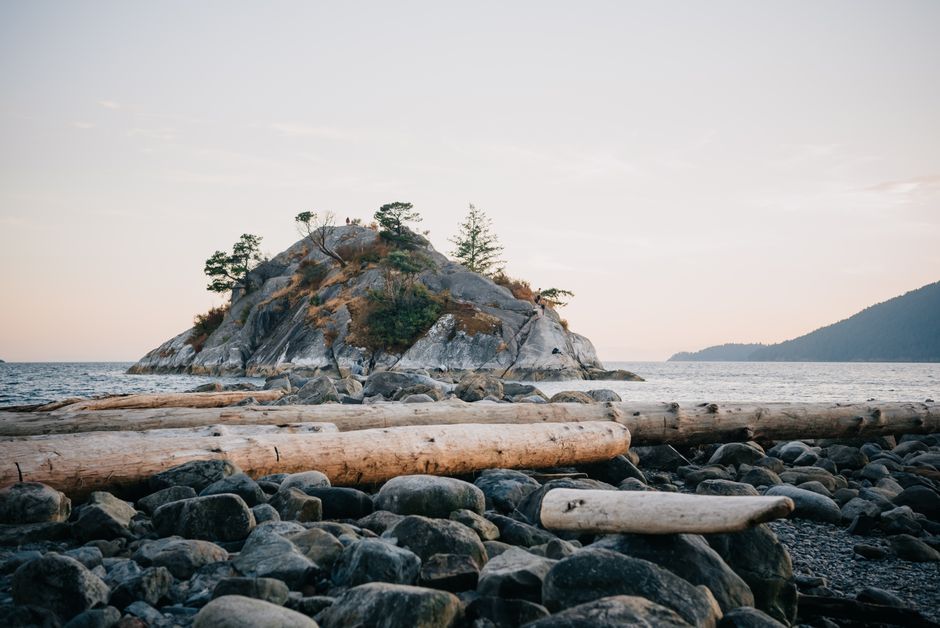
Whytecliff Park is a favourite nearby stop for rocky shoreline views, short walks, and a look out toward Howe Sound. The park has a rugged coastal feel that contrasts with the village’s ferry-terminal bustle.
Check tide and weather conditions before walking over exposed rocks. The shoreline can be slippery, and swimming conditions vary. Find current park details on the Metro Vancouver page for Whytecliff Park.
Tip 4 – Take a coastal walk at Lighthouse Park
Lighthouse Park in nearby West Vancouver is known for its forest trails and ocean viewpoints. Choose a route that suits your time and fitness level, and allow extra time if you want to stop for photos or explore more than one viewpoint.
Trail surfaces can be uneven and muddy after rain. Check park information before setting out, and stay on marked paths to protect the local forest and shoreline.
Tip 5 – Plan a ferry trip to Bowen Island
A ferry from Horseshoe Bay can take you to Snug Cove on Bowen Island, where you can browse local shops, eat, and explore on foot. It makes a rewarding day trip if you have time to check the sailing schedule and plan your return.
Timetables, fares, and vehicle space can change. Check the BC Ferries website before travelling, especially during busy weekends and holidays. If you are walking on, confirm how you will get between Snug Cove and any farther-away stops.
Tip 6 – Take a longer ferry journey from the village
Horseshoe Bay also connects with routes to the Sunshine Coast and Vancouver Island. A ferry ride can be part of the experience, whether you are continuing a road trip or simply want to enjoy the views from the deck.
These routes are not short sightseeing cruises, so check journey times and ticket details before making plans. For a day visit, choose a destination that leaves you enough time to return without rushing.
Tip 7 – Spend time by the waterfront

Give yourself a little time to sit by the water instead of treating Horseshoe Bay only as a transport stop. The shoreline is a pleasant place to take a breather, enjoy the views, and notice the changing light over the sound.
There may be limited places to sit during busy periods. Bring a light layer, as the waterfront can feel cooler and windier than sheltered streets.
Tip 8 – Try a local cafe or bakery
Stop for coffee, a pastry, or a casual meal at one of the village’s cafes. It is an easy way to fill time before a sailing and gives you a chance to explore the small commercial area at a relaxed pace.
Opening hours can vary by season and day of the week. If you have a ferry to catch, leave enough time to order and walk back to the terminal.
Tip 9 – Have a seafood meal near the harbour
Horseshoe Bay is a natural place to look for seafood and casual waterfront dining. Menus and restaurant hours change, so check current listings rather than relying on an old recommendation.
For a quieter meal, consider visiting outside the main lunch and dinner rush. If you have dietary needs, contact the restaurant ahead of time to ask about suitable choices.
Tip 10 – Look for views of Howe Sound

Howe Sound is the defining feature of the area. Enjoy the view from the village, a nearby park, or a ferry deck, where the perspective changes as the boat moves away from shore.
Clear days are especially good for mountain views, but cloudy weather can bring a moody coastal atmosphere. Keep your phone or camera secure near the water and avoid stepping onto unsafe rocks for a better angle.
Tip 11 – Use Horseshoe Bay as a starting point for a road trip
The village is a handy departure point for trips toward the Sunshine Coast and Vancouver Island. If you are driving, plan your route around ferry times and check whether reservations are available or recommended for your route.
Do not assume you can arrive at the terminal at the last minute and board the next sailing. Leave room for traffic, check-in requirements, and possible delays.
Tip 12 – Get out on the water with a guided activity
Depending on the season and local operators, you may find opportunities for kayaking or other guided water activities in the area. A guided outing can be a good option if you are unfamiliar with local currents, boat traffic, or changing coastal weather.
Check what is operating on your travel dates, and ask about equipment, experience requirements, and cancellation rules. Conditions on the water can change quickly, so follow the operator’s safety advice.
Tip 13 – Choose a short hike that matches your day

Nearby parks offer a chance to trade the village streets for forest trails and coastal viewpoints. Pick a route based on your available time, fitness, and the weather rather than trying to fit in every trail on one visit.
Bring water, wear shoes with good grip, and tell someone where you are going if you plan a longer walk. Check trail conditions before leaving, particularly after heavy rain or wind.
Tip 14 – Visit with children at an easy pace
Families can enjoy the village, watch the boats, and take a short outing to a nearby park. A ferry ride can also be an adventure for children, but make sure everyone knows where to meet if the terminal is busy.
Keep children close around the harbour and rocky shoreline. Pack snacks and an extra layer, and check whether your chosen trail is suitable for a stroller before setting out.
Tip 15 – Find low-cost things to do in Horseshoe Bay
You can enjoy many things to do in Horseshoe Bay without spending much. Walk around the village, take in the harbour views, and explore public park trails if you have transport and the conditions are suitable.
Ferry fares, food, and parking can add up, so decide which paid activities matter most to you. For a budget-friendly visit, bring a refillable water bottle and snacks, while respecting park rules and taking all rubbish with you.
Tip 16 – Visit in a season that suits your plans
Summer usually brings longer daylight and more opportunities for outdoor activities, but it can also mean busier ferries and more visitors. Spring and early autumn can be good for walks, though the weather may be changeable.
Winter visits can be quiet and atmospheric, but daylight is shorter and rain is more likely. If your wider trip includes a winter city break, you can also browse this guide to 20 fun and best things to do in Chicago in February.
Tip 17 – Use public transport where it works for your trip
Horseshoe Bay is served by public transit connections from the Vancouver area, but routes and travel times depend on your starting point and the day. Use the TransLink website to check current routes, schedules, and fare information before leaving.
If you want to visit parks beyond the village, check how you will reach them and get back. A car may be more convenient for some stops, while a walk-on ferry trip can be simpler if you are staying close to the terminal.
Tip 18 – Book and check ahead for busy travel days
Ferries, accommodation, and some activities can be busier during summer weekends and holiday periods. Check current availability before you travel, and make bookings where the operator recommends them.
Allow a buffer between connections. If you are travelling onward after a ferry, avoid arranging an important appointment immediately after the estimated arrival time.
Tip 19 – Stay safe around the coast and harbour
Watch for slippery surfaces, uneven trails, steep edges, and changing weather. Keep away from restricted dock areas and do not assume every stretch of shoreline is safe for swimming or walking.
For an emergency in Canada, call 911. Keep your phone charged, share your route if you are hiking, and follow posted signs and instructions from park staff or ferry personnel.
Tip 20 – Avoid the most common visitor mistake
The most common mistake is treating Horseshoe Bay as a quick stop and leaving no time to enjoy it or manage a missed sailing. Check the ferry schedule before you go, arrive according to the operator’s check-in guidance, and leave time for parking or transit connections.
If you are not catching a ferry, still check opening hours and transport options for the places you plan to visit. A little planning makes it easier to enjoy the village instead of spending your visit watching the clock.
Quick Reference for Horseshoe Bay
| Plan | Useful details |
|---|---|
| Best for | Waterfront views, ferry trips, nearby coastal parks, and a relaxed village stop |
| Suggested time | A few hours for the village, or a full day if adding a ferry trip or park visit |
| Getting around | Walk within the village; check public transit or driving options for nearby parks |
| Good to bring | Comfortable shoes, a light waterproof layer, water, and a charged phone |
| Plan ahead for | Ferry schedules, busy weekends, restaurant hours, and trail conditions |
Practical Travel Tips for Horseshoe Bay
Getting around
The village itself is compact and easy to explore on foot. For nearby parks and viewpoints, check the route and transport options before setting out, since not every trailhead is a short walk from the ferry terminal.
If you are driving, allow extra time for traffic and follow local parking signs. Do not leave valuables visible in your vehicle, and avoid parking in spaces reserved for residents, businesses, or ferry operations.
What to pack
Pack comfortable walking shoes, a waterproof jacket, and an extra layer for breezy waterfront conditions. For hikes, bring water and a small snack, and check the forecast before choosing your route.
A reusable water bottle, phone charger, and any personal medication are useful for a day out. If you are taking a ferry, keep your ticket and travel documents easy to reach.
Useful local etiquette and phrases
English is widely used in the area. A friendly “hello,” “please,” and “thank you” is appreciated, and it is helpful to be patient when ferry terminals, cafes, and village streets are busy.
Respect private property and posted access restrictions. On trails, give other walkers space, keep dogs under control where permitted, and carry out your rubbish.
Local customs and visitor responsibility
Horseshoe Bay is a residential village as well as a travel hub. Keep noise down in residential areas, use marked crossings, and follow signs at the terminal and parks.
Conditions around the water and on trails can change. Respect local safety notices and do not feed wildlife or leave food waste behind.
Useful apps and emergency information
Before travelling, check current ferry and public transit information through the relevant official websites or apps. A map app can help with directions, but download or save key details in case mobile service is weak on a trail or ferry.
Call 911 in an emergency in Canada. For non-emergency assistance, use the contact details provided by the relevant park, transport operator, or accommodation provider.
Visa & Entry Requirements
Horseshoe Bay is in West Vancouver, British Columbia, Canada. Entry requirements for Canada depend on your passport, where you are travelling from, your reason for visiting, and current government policy. A visa, an electronic travel authorization, or another travel document may be required, while some travellers may be exempt. Do not assume that rules for one nationality apply to you.
Before booking, check the official Government of Canada visitor and immigration information and, if needed, contact a Canadian embassy or consulate. Confirm the permitted length of stay and whether you need a visa or electronic travel authorization before boarding. Requirements can change, so check again close to your departure date.
Review your passport’s expiry date and make sure it meets the requirements for your trip and any onward destinations. Check whether you need blank passport pages, and carry any required travel authorization details. Officials may ask about your reason for travel, return or onward plans, accommodation, and ability to cover your stay. These checks depend on your circumstances and do not guarantee entry.
Travel insurance is worth considering for medical care, trip interruption, and unexpected costs. Vaccination and health requirements can also vary with current policy and personal travel history, so verify any current requirements with official sources before departure.
Customs rules apply when entering Canada. Check what food, plant, animal, medication, and other goods you may bring, and declare items when required. The Canada Border Services Agency website provides official customs information. Keep important documents accessible, and allow time for border checks if your trip includes an international connection. This is practical travel information, not legal advice.
Frequently Asked Questions
Is Horseshoe Bay worth visiting?
Yes, especially if you enjoy coastal scenery, ferry travel, and small village stops. It is also a useful base for visiting nearby parks, but visitors looking for a large city centre or a packed list of indoor attractions may prefer to spend more time in Vancouver.
How long should I spend in Horseshoe Bay?
A few hours is enough to walk around the village and enjoy the harbour. Plan a full day if you want to include a ferry trip, a nearby park, or a longer coastal walk.
Can I visit Horseshoe Bay without a car?
Yes. You can explore the village on foot and use public transit connections from the Vancouver area. Check current schedules and how you will reach nearby parks before travelling, as access varies by destination.
What are the best things to do in Horseshoe Bay with kids?
Walk around the harbour, watch the ferries, enjoy a snack in the village, or plan an easy outing to a nearby park. Keep children close around docks and rocky shorelines, and check ferry schedules before you go.
Can I take a day trip from Horseshoe Bay to Bowen Island?
Yes. Ferries connect Horseshoe Bay with Bowen Island, and Snug Cove is a pleasant place to explore. Check current sailings, fares, and return options before setting out, especially on busy days.
What is the best time of year to visit Horseshoe Bay?
Summer offers long daylight hours and good conditions for outdoor plans, but it can be busy. Spring and early autumn can be comfortable for walks, while winter is quieter but often wetter, with shorter daylight.
Are there free things to do in Horseshoe Bay?
Yes. Walking through the village, enjoying harbour views, and visiting public parks are low-cost ways to spend time in the area. Transport, parking, food, and ferry travel may add to your budget.
Conclusion
Horseshoe Bay is a small destination with an easygoing coastal feel. Its harbour, nearby parks, village cafes, and ferry connections make it a rewarding stop for a few hours or a full day.
The best things to do in Horseshoe Bay depend on your pace. You can keep it simple with a waterfront stroll, or plan a longer outing around a park visit or ferry trip to Bowen Island.
Check schedules and conditions before you go, bring layers for the coast, and leave enough time to enjoy the village. With a little planning, Horseshoe Bay can be more than a place to catch a ferry.
