
Key Takeaways
- Explore iconic landmarks like Victoria Memorial and colonial architecture
- Walk the Hooghly Riverfront, take ferries and see Howrah Bridge
- Taste Bengali sweets, snacks and diverse street food
- Use metro, taxis, and plan for traffic and weather
things to do in kolkata range from visiting grand colonial-era landmarks to tasting street food and watching daily life along the Hooghly River. Kolkata, in eastern India, is a layered city with a lively arts scene, historic neighborhoods, busy markets, and a pace that rewards curious visitors.
Often called the City of Joy, Kolkata can feel bustling and intense, especially around its central markets and main roads. Plan a few activities each day rather than trying to cover every sight at once. The metro, local taxis, ferries, and walking can all help you explore, but traffic and weather may affect journey times.
This guide brings together memorable attractions, local experiences, food stops, transport advice, and practical planning tips for a first visit to Kolkata. Some places are quiet and reflective, while others are crowded and energetic, so a little flexibility goes a long way.
20 Things to Do in Kolkata: A Practical City Guide
Tip 1 – Visit Victoria Memorial Hall
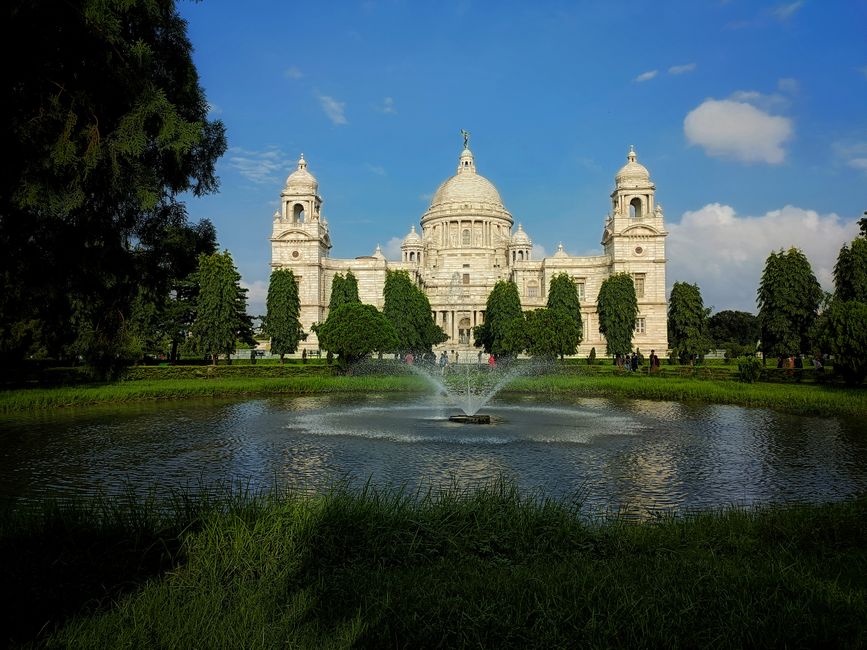
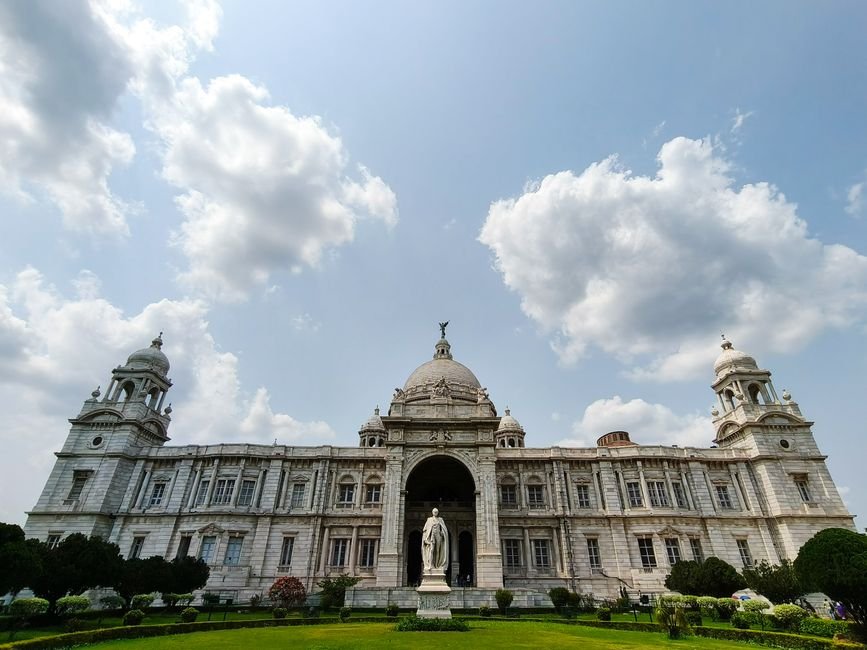
Victoria Memorial Hall is one of Kolkata’s most recognizable landmarks. The white-marble building stands beside broad lawns and holds galleries about the history of the city and India. Allow time for both the museum and a walk around the grounds.
Check the Victoria Memorial Hall official website for current opening details and visitor information. Weekends and holidays can be busy, and the outdoor paths are exposed to the sun, so an early or late visit can be more comfortable.
Tip 2 – Walk along the Hooghly River
The Hooghly River is part of everyday life in Kolkata, not just a backdrop for photographs. Walk along the riverfront near Prinsep Ghat to see the Palladian-style monument, boats, and views toward the Vidyasagar Setu cable-stayed bridge.
Sunset is a popular time to visit, so expect company. Bring water, keep an eye on your belongings in crowded areas, and use a licensed taxi or a trusted ride-hailing service to return if you are unfamiliar with the neighborhood after dark.
Tip 3 – See Howrah Bridge and the flower market
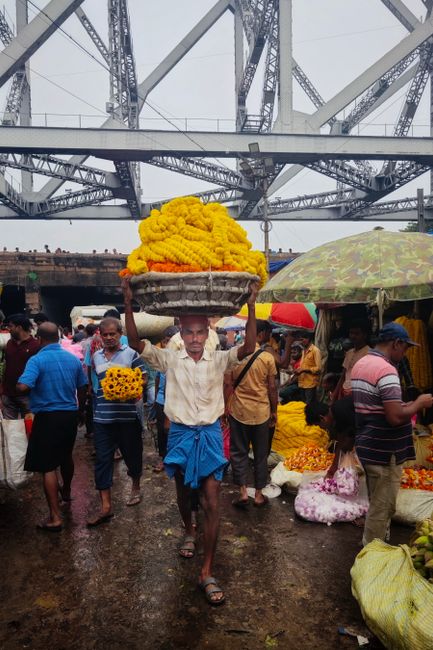
Howrah Bridge, officially Rabindra Setu, is a working bridge rather than a quiet viewing platform. It carries a constant flow of people and vehicles between Kolkata and Howrah. Nearby, the Mallick Ghat flower market is an intense, colorful place to see traders at work.
Go early if you want to observe the market at its busiest, and ask before taking close-up photographs of people. The area can be crowded and uneven underfoot. Avoid stopping in the middle of busy walkways or attempting to photograph from the bridge roadway.
Tip 4 – Take a ferry across the river
A public ferry gives you a simple way to experience the Hooghly from the water and see the riverfront from a different angle. Routes and service frequency can vary, so check locally before setting out and allow extra time for the return trip.
Ferries are practical transport as well as a local experience. Follow crew instructions, use designated boarding points, and take care on wet steps. If the weather is poor or services are disrupted, choose another way to cross rather than relying on a specific departure.
Tip 5 – Visit Dakshineswar Kali Temple and Belur Math
Dakshineswar Kali Temple sits on the eastern bank of the Hooghly and is an important place of worship. Across the river, Belur Math is the headquarters of the Ramakrishna Math and Mission, known for its calm grounds and distinctive architecture.
These sites are active religious spaces, so dress modestly, follow posted rules, and expect restrictions on photography in some areas. They are farther from central Kolkata than many major sights. Check opening times and transport connections before planning both visits on the same day.
Tip 6 – Explore the Indian Museum
The Indian Museum has extensive collections that include natural history, archaeology, art, and cultural objects. It is a useful stop for visitors who want to understand more about the region and the wider history of India.
Large museums can take longer than expected, so choose a few galleries that interest you rather than rushing through every room. Confirm current entry arrangements and opening hours before travelling, as schedules can change around holidays or special events.
Tip 7 – Browse College Street and its bookshops
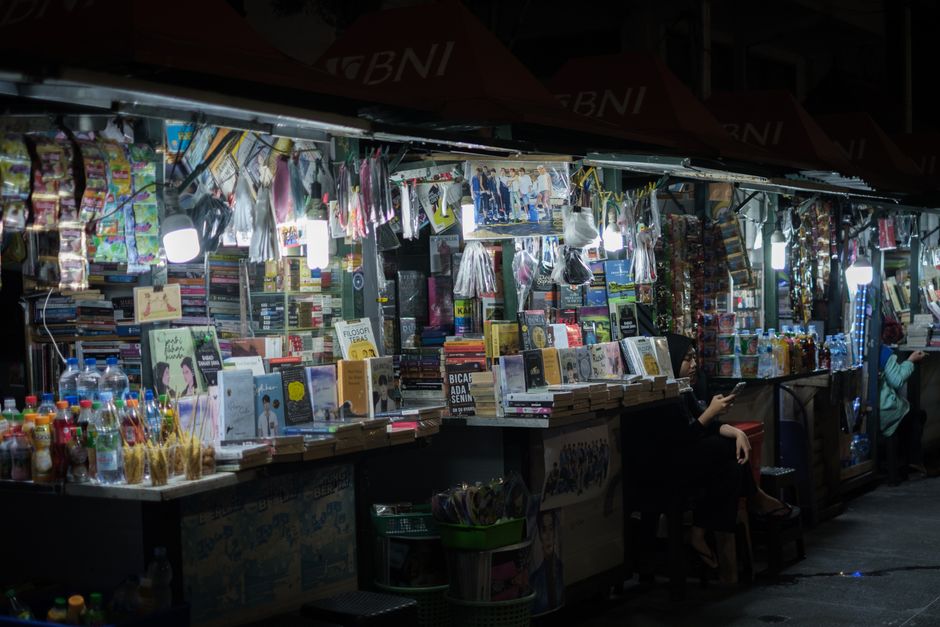
College Street is famous for its bookshops, pavement stalls, and academic atmosphere. Browse for new and second-hand books, then take a break at the historic Indian Coffee House nearby. The selection and condition of used books vary, but the search is part of the pleasure.
Bring cash for smaller purchases and take your time comparing stalls. If you are looking for a particular title, ask a bookseller rather than assuming every shop has the same stock. College Street is active during the day, though some businesses may close or keep different hours on particular days.
Tip 8 – Eat your way along Park Street
Park Street is a classic Kolkata dining area, with restaurants, bakeries, cafés, and long-established local favorites. It is a good place to try Bengali dishes as well as Indian and international menus in one outing.
Popular restaurants can fill up during evenings, weekends, and festive periods. Book ahead when possible, especially for a special meal. If you have dietary restrictions, explain them clearly and check how a dish is prepared, since ingredients and kitchen practices differ from place to place.
Tip 9 – Try Bengali sweets and local snacks
Make time for Bengali sweets such as sandesh and rasgulla, along with savory snacks from a busy, well-reviewed shop. Kolkata’s food culture is a major part of the visit, and sampling a few small portions can be more enjoyable than ordering a large meal at every stop.
Choose food that is freshly prepared and served hot, and use bottled or reliably filtered water if you are unsure about local water. Travelers with allergies should ask about ingredients, as recipes can include milk, nuts, or other common allergens.
Tip 10 – See the potters’ quarter at Kumartuli
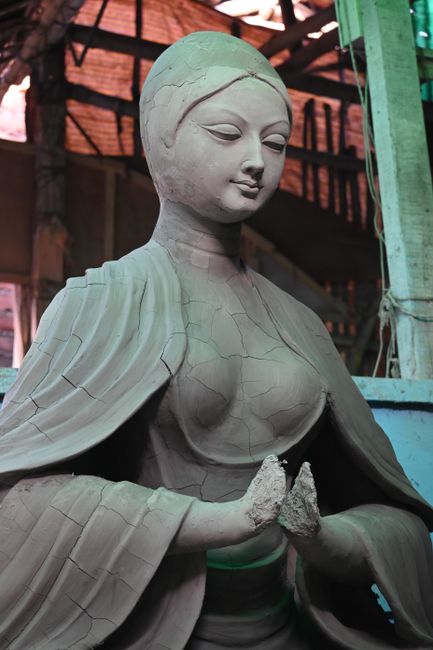
Kumartuli is a traditional neighborhood where artisans make clay images, including figures used in festivals and religious celebrations. The workshops offer a closer look at a skilled craft that is closely connected to Kolkata’s cultural calendar.
Workshops are places of business, so ask before taking photographs and avoid touching unfinished pieces. Activity changes through the year, with especially visible preparations before Durga Puja. Visit respectfully and remember that artisans may be working to deadlines.
Tip 11 – Experience Durga Puja if your dates allow
Durga Puja is one of Kolkata’s most important annual festivals. Neighborhood committees create elaborate temporary displays, known as pandals, and residents and visitors move between them to see the artwork, join the celebrations, and enjoy seasonal food.
The festival calendar follows the Hindu lunar calendar, so dates change each year. Crowds can be very large, traffic patterns may shift, and some areas become difficult to navigate. Check local information, travel light, agree on a meeting point with your group, and keep children close in dense crowds.
Tip 12 – Take a slow walk through the Maidan
The Maidan is a vast open green space at the heart of Kolkata, with sports grounds, paths, and views toward nearby landmarks. It offers a welcome change of pace from the city’s packed roads and can be a pleasant place for a morning stroll.
Conditions vary across the grounds, and some areas are used for sports or events. Stick to well-used paths, check the weather, and avoid isolated areas after dark. The Maidan is large, so choose a clear starting point and plan how you will leave before your walk.
Tip 13 – Ride a Kolkata tram
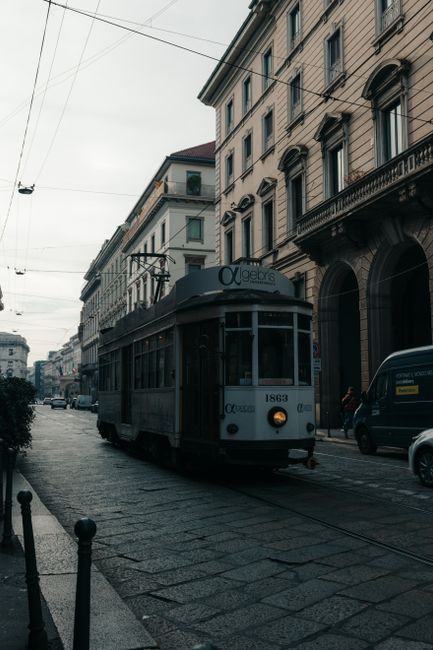
Kolkata’s trams are a distinctive part of the city’s transport history. A ride can be a memorable way to see the streets at a slower pace, but routes and services may change, and trams are not always the fastest option for getting somewhere on a schedule.
Check current service information before making a tram ride the center of your plan. Board at an operating stop, keep small change if needed, and be patient with delays. For long cross-city journeys, the metro or a taxi may be more practical.
Tip 14 – Discover Jorasanko Thakur Bari
Jorasanko Thakur Bari, the ancestral home of Rabindranath Tagore, offers insight into the Tagore family and Bengal’s literary and cultural history. The building and museum are a worthwhile stop for travelers interested in art, writing, or the city’s intellectual life.
Allow time to explore the exhibits and check current opening arrangements before you go. It is a good pairing with other north Kolkata sights, but traffic can make it slower to move between neighborhoods than a map suggests.
Tip 15 – Look for colonial-era architecture around B.B.D. Bagh
The area around B.B.D. Bagh, formerly Dalhousie Square, has historic buildings that reflect Kolkata’s time as an important center of British administration. Even a short walk reveals a mix of grand façades, offices, and busy everyday city life.
Many buildings are working offices, not visitor attractions, so admire them from public areas and respect access rules. Traffic and sidewalks can be challenging in the center. Wear comfortable shoes and avoid stepping into the road for photographs.
Tip 16 – Visit Mother House with care
Mother House is associated with Mother Teresa and the Missionaries of Charity. Visitors may be able to see spaces connected to her life and work, subject to the community’s schedule and rules.
This is a religious and charitable setting, so keep your voice low, dress respectfully, and follow staff guidance. Confirm visitor access in advance, as availability can change. It is best approached as a place for quiet reflection rather than a quick photo stop.
Tip 17 – Make room for New Market
New Market is a long-standing shopping area where you can look for clothing, household goods, snacks, and souvenirs. Its lanes are busy and easy to find overwhelming at first, but they offer a lively glimpse of Kolkata’s shopping culture.
Agree on a price before buying items without a fixed label, and check the quality of goods carefully. Keep valuables secure and note a recognizable meeting point if you are shopping with others. Bargaining is common in some stalls, but keep it friendly and be willing to walk away.
Tip 18 – Choose a family-friendly outing at Eco Park
Eco Park in New Town provides open space and recreational activities that can work well for families or anyone wanting a break from the historic city center. Facilities, attractions, and available activities can vary, so check current information before travelling.
New Town is a substantial trip from central Kolkata, particularly when traffic is heavy. Combine the visit with other nearby plans or set aside enough time for the journey. Bring sun protection and water, and confirm activity fees and timings before you arrive.
Tip 19 – Use the metro, taxis, and ride-hailing thoughtfully
Kolkata’s metro can be a useful way to avoid road traffic on covered routes. Taxis and app-based rides help with areas that are farther from a station, while walking works well for compact sightseeing clusters. Check the route and station location rather than assuming every attraction is close to a metro stop.
Allow extra time during rush hour, heavy rain, and festival periods. Use official or reputable transport options, confirm the destination before boarding, and keep your phone charged. The Kolkata Metro Railway website is a useful official source for service information.
Tip 20 – Plan around weather, customs, and local needs
Winter, roughly from December to February, is often more comfortable for long walks, though conditions and temperatures can vary. Summer can be hot and humid, while monsoon rains may affect outdoor plans and road travel. Check a current forecast and keep one flexible indoor activity for rainy or very hot days.
Dress modestly at religious sites, remove shoes where requested, and ask before photographing people or places of worship. A few Bengali phrases can make interactions warmer: “Nomoshkar” is a polite greeting, and “Dhonnobad” means thank you. Carry a light layer, sun protection, comfortable shoes, any personal medication, and a portable charger. For another couples’ travel idea, see this guide to 20 Fun and Best things to do in michigan for couples.
Quick Reference for Visiting Kolkata
| Plan | Useful guidance |
|---|---|
| Best time for comfortable sightseeing | Winter is often more pleasant for walking. Check seasonal weather before booking. |
| Getting around | Use the metro for suitable routes, and taxis, ride-hailing, ferries, or walking where practical. |
| Good first-visit combination | Victoria Memorial, the Maidan, and a meal around Park Street make a manageable day. |
| Food to try | Sample Bengali dishes, sweets, and freshly prepared snacks from trusted vendors. |
| What to carry | Water, sun protection, comfortable shoes, a charged phone, and a payment option that works locally. |
| Common tourist mistake | Trying to fit distant sights into one day without accounting for traffic, crowds, or opening hours. |
| Emergency number | India’s emergency response number is 112. Keep your accommodation details and local contacts accessible. |
Practical Travel Advice for Kolkata
Best time to visit
Many visitors find the cooler winter months more comfortable for walking and sightseeing. Kolkata can be hot and humid in warmer months, and monsoon rain may disrupt outdoor plans or slow traffic. Durga Puja is an extraordinary time to see the city’s festive side, but it also brings major crowds and transport changes.
Getting around the city
Use the metro when its route suits your plans, and check service details before you leave. For shorter trips, walking can be rewarding, but sidewalks may be uneven or crowded. Taxis, app-based rides, and ferries can fill gaps. Build in extra time for cross-city journeys, especially at peak hours or during heavy rain.
Safety, emergencies, and useful planning
As in any large city, keep your phone and wallet secure in crowded markets and on public transport. Use well-lit routes, take extra care when crossing busy roads, and avoid displaying valuable items. India’s emergency response number is 112. Save your accommodation address offline and share your plans with someone you trust.
A maps app, a translation app, and a reputable ride-hailing app can be useful, but download or set them up before you need them. Keep a power bank with you. If you use mobile data, check roaming costs or arrange a suitable local option. The official India emergency response information explains the national emergency number.
Advance bookings and the most common tourist mistake
Check opening hours, ticket rules, and transport schedules for museums, religious sites, and special events. Book popular restaurants or accommodation ahead during major festivals and busy holiday periods. Keep some flexibility in your plans, since services and opening arrangements can change.
A common mistake is underestimating travel time and trying to visit far-apart attractions in a single day. Kolkata’s map may make a journey look short, but congestion, weather, and busy streets can add time. Group nearby sights together and leave room for breaks and unexpected discoveries.
Visa & Entry Requirements
Entry requirements for India depend on the passport you travel with, your reason for visiting, and the government rules in effect when you travel. Visa options and eligibility can change, so do not assume that the arrangements available to one nationality apply to everyone. Begin by checking the official Government of India visa portal, and confirm any questions with the relevant Indian embassy, consulate, or government immigration source.
Before departure, check that your passport meets India’s current validity requirements and has any required blank pages. Confirm whether you need a visa, an electronic visa, or another travel authorization, and make sure the details match your passport. Review the permitted length of stay, the purpose of entry, and any conditions attached to your visa. Do not rely only on airline summaries or an old travel blog.
Depending on your circumstances and current rules, officials or carriers may ask for evidence of return or onward travel, accommodation details, or other supporting documents. Keep copies of hotel reservations and travel plans accessible, while protecting personal information. Travel insurance is worth considering for medical care, trip changes, and lost belongings, but it does not replace an entry permission requirement.
Vaccination guidance and health documentation can depend on where you have recently travelled and the rules in force at the time. Check current government health advice rather than assuming that no certificates are needed. Review customs declarations and restrictions on items you plan to bring into India, including medicines, cash, and goods that may be regulated. Declare items when the rules require it.
Recheck official guidance shortly before travel and carry the documents required for your specific situation. Rules can change without much notice, and this information is general travel guidance, not legal advice or a guarantee of entry. The final decision and requirements rest with the relevant Indian authorities.
Frequently Asked Questions About Things to Do in Kolkata
What are the best things to do in Kolkata on a first visit?
Start with Victoria Memorial Hall, a walk near the Hooghly River, and a meal around Park Street. If you have more time, add College Street, the Indian Museum, or a visit to Kumartuli. Choose sights that are close together to spend less time in traffic.
How many days should I spend in Kolkata?
Two or three days gives many first-time visitors time to see central landmarks, try local food, and explore a few neighborhoods. Add extra days if you want to visit sites farther from the center, attend Durga Puja, or take a slower pace.
Is Kolkata worth visiting for food?
Yes. The city is known for Bengali cooking, sweets, cafés, and varied restaurant traditions. Try a mix of sit-down meals and small snacks, choose busy food shops with fresh turnover, and ask about ingredients if you have allergies or dietary requirements.
When is the best time to visit Kolkata?
The cooler winter season is often comfortable for walking and sightseeing. Hotter months can feel humid, and monsoon rain may affect outdoor plans. Durga Puja is a special time to visit if you are prepared for large crowds and changing transport conditions.
Is Kolkata easy to get around without a car?
Many visitors get around using the metro, taxis, ride-hailing services, ferries, and walking. Coverage varies by neighborhood, and traffic can make road trips slow. Check routes in advance and allow more time than a map estimate suggests.
What is the most common tourist mistake in Kolkata?
Trying to see too many widely separated places in one day is a frequent planning problem. Traffic, weather, and opening times can all affect your schedule. Group nearby attractions together and keep at least one part of the day flexible.
Are there family-friendly things to do in Kolkata?
Families may enjoy the Indian Museum, a ferry ride, the Maidan, and Eco Park, depending on current facilities and weather. Carry water and snacks, plan bathroom breaks, and avoid the most crowded areas at peak times if travelling with young children.
Conclusion
The best things to do in Kolkata combine its major landmarks with time for everyday experiences. Visit a museum or historic building, take a riverfront walk, browse a bookshop, and try local dishes at a pace that feels comfortable.
Plan around the season, check opening and transport details, and leave room for traffic or a change in weather. Respectful visits to religious and working spaces will also make your time in the city more rewarding.
Whether you come for history, food, festivals, or neighborhood walks, Kolkata offers plenty to explore. With a flexible itinerary and practical preparation, you can build a memorable visit to this distinctive Indian city.
