
Key Takeaways
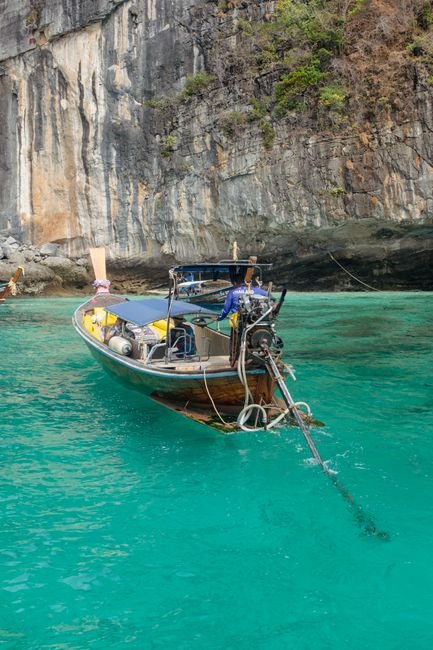
- Reach Railay Beach by longtail boat and enjoy limestone cliffs and quiet sunrise.
- Island‑hopping from Ao Nang, including Hong Islands and optional Phi Phi day trips, check weather and fees.
- Visit Tiger Cave Temple, Emerald Pool, and local night market for culture and nature.
- Plan transport, pack for heat, and stay flexible for tides and seasonal changes.
things to do in krabi thailand range from longtail-boat trips and limestone-cliff views to night markets and southern Thai food. Krabi is a province on Thailand’s Andaman coast, with Krabi Town, Ao Nang and Railay each offering a different base for exploring.
Plan around travel time as well as distance. Many of the best-known beaches and islands are reached by boat, while temples, markets and local restaurants are easier to visit by road. A little flexibility helps when weather, tides or boat schedules change.
This guide covers practical ways to enjoy Krabi, Thailand, whether you have a few days, a family-friendly itinerary or a tighter budget. Check opening details and local conditions before setting out, especially for island trips and national parks.
20 Things to Do in Krabi Thailand
Use these ideas to build an itinerary that balances beach time with local culture. You do not need to book every activity in advance, but popular boat trips can sell out during busy periods.
| Experience | Best base | Useful to know |
|---|---|---|
| Railay Beach and limestone scenery | Ao Nang or Railay | Access to Railay is by boat from the mainland |
| Island-hopping boat trip | Ao Nang | Check the itinerary, park fees and weather policy |
| Night market and local food | Krabi Town | Market days and hours can vary |
| Emerald Pool and hot springs | Krabi Town or Ao Nang | Allow time for the drive and walking |
| Kayaking among mangroves | Ao Thalane | Ask about tides and suitable routes |
Tip 1 – Spend time at Railay Beach

Railay is a small peninsula known for steep limestone cliffs, sandy coves and a relaxed, walkable feel. Although it is connected to the mainland, the usual way to reach it is by longtail boat, often from Ao Nang or Ao Nam Mao. Boat services and departure points can vary with conditions.
Go early for a quieter beach, or stay into the afternoon if you want to enjoy the changing light on the cliffs. Bring cash for boat fares and small purchases, and check the return boat arrangements before wandering far from the landing area.
Tip 2 – Walk the beachfront in Ao Nang
Ao Nang is a convenient base for first-time visitors, with places to eat, tour desks, hotels and easy access to boat services. The main beachfront is busy, but it is useful for an evening stroll and for watching longtail boats come and go.
It is not the quietest beach area in Krabi. If you prefer a slower pace, consider staying in a quieter part of town or spending a few nights around Klong Muang or Tubkaek instead.
Tip 3 – Take an island-hopping boat trip
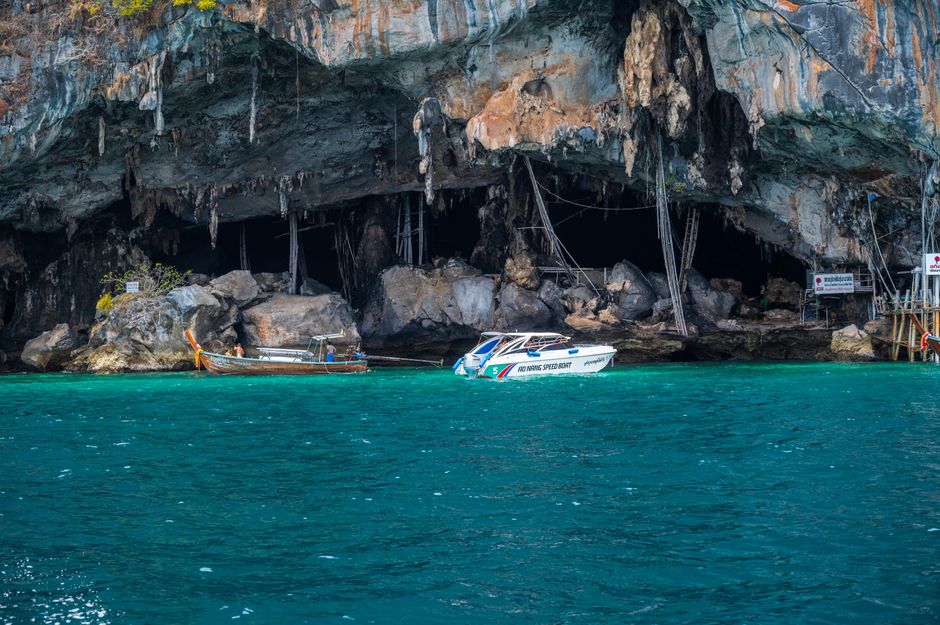
Boat tours from Ao Nang commonly visit several islands and snorkelling stops. The exact route depends on the operator, sea conditions and season, so compare itineraries rather than choosing only by price. Ask whether the quoted fare includes national park fees, drinking water, snorkelling equipment and hotel transfers.
Shared tours are usually the budget-friendly option. A private longtail can offer more control over timing, but costs more and still depends on weather and safe sea conditions. Bring sun protection, water and a dry bag for your phone.
Tip 4 – Visit Hong Islands
Hong Islands are popular for clear-water swimming, limestone scenery and a lagoon framed by cliffs. Tours generally leave from the Ao Nang area, and some include time on Hong Island itself as well as nearby stops.
Check the current national park rules and fees before you go. During busy periods, an early departure may mean less time around the largest crowds, though no tour can guarantee an empty beach.
Tip 5 – Decide whether a Phi Phi day trip suits you
Phi Phi is a well-known island destination, but it is a longer boat excursion from the Krabi mainland than some nearby stops. A day trip can be a practical choice if you have limited time, while an overnight stay gives you more time to explore at a slower pace.
Ask how long the journey takes and how much time is spent at each stop. If you dislike crowded schedules or are prone to seasickness, choose a less ambitious outing or spend your day closer to Krabi.
Tip 6 – Climb the steps at Tiger Cave Temple
Wat Tham Suea, often called Tiger Cave Temple, is a major temple site outside Krabi Town. The climb to the hilltop viewpoint is strenuous, with many steps, so take your time and only attempt it if you are comfortable with the heat and exertion.
Dress respectfully, covering shoulders and knees when visiting temple areas. Carry drinking water, use sun protection and avoid feeding or approaching monkeys. If the climb is not right for you, you can still visit the temple grounds at the base.
Tip 7 – Pair the Emerald Pool with nearby hot springs

The Emerald Pool, also known as Sa Morakot, is a forest swimming spot in the Khao Phra Bang Khram area. A marked trail leads through the forest, and the water can be busy at popular times. Follow posted rules and stay on designated paths.
Some visitors combine the pool with the nearby hot springs, but allow enough time for the drive and walking between stops. Confirm current access, fees and conditions before leaving, and do not assume every pool is safe for swimming.
Tip 8 – Kayak through the mangroves at Ao Thalane
Ao Thalane is known for guided kayaking through mangrove channels and around limestone formations. It offers a different view of Krabi from the open sea and can be a good choice for visitors who want a quieter nature outing.
Ask the guide about tides, route length and the amount of paddling involved. Wear clothes that can get wet, bring sun protection and follow instructions around wildlife and mangrove roots.
Tip 9 – Explore Krabi Town’s night market
Krabi Town gives you a more local feel than the resort areas. When its weekend walking street market is operating, you can browse snacks, simple meals, crafts and clothing. Market schedules can change, so check locally rather than planning your whole evening around an assumed opening day.
Try small portions of different dishes if you want to sample southern Thai flavours. Carry small Thai baht notes, keep an eye on your belongings in crowds and ask vendors about ingredients if you have allergies.
Tip 10 – Visit Wat Kaew and the Krabi Town riverfront

Wat Kaew Korawaram is a prominent temple in Krabi Town, and the nearby streets and riverfront are worth exploring on foot. The town makes a useful stop between beach days, especially if you want to see everyday shops and local life beyond the resort strip.
Visit with modest clothing and a quiet manner. Temple access and opening arrangements may vary, so be respectful if a space is closed or a ceremony is taking place.
Tip 11 – Choose a quieter beach around Klong Muang or Tubkaek
Klong Muang and Tubkaek are options for travellers who want a calmer coastal stay than central Ao Nang. They have fewer shops and transport choices, so they suit visitors who are happy to spend more time at their accommodation or arrange rides in advance.
Tubkaek is also a starting point for the Dragon Crest hike. Check the trail’s current access and conditions before making plans, and remember that a quiet beach location can mean a longer transfer to restaurants and boat piers.
Tip 12 – Try rock climbing in Railay
Railay is a well-known climbing area, with routes for different experience levels. Beginners should book with a qualified local guide and be clear about their fitness and comfort with heights. Experienced climbers should check current route conditions and use appropriate equipment.
Heat and humidity can make climbing harder than expected. Take breaks, drink water and avoid climbing if weather or rock conditions are unsafe.
Tip 13 – Eat southern Thai food and seafood

Krabi’s food scene includes seafood, rice dishes, noodles and southern Thai curries. Look for busy local restaurants and market stalls, and ask how spicy a dish is before ordering if you prefer milder food. Popular dishes can include strong herbs and chilli, so a simple phrase such as “mai phet” means “not spicy,” though it may not guarantee a completely mild meal.
Tell staff clearly about serious food allergies and consider carrying a translated allergy card. For seafood, choose places with good turnover and food that is freshly prepared.
Tip 14 – Watch the sunset from the coast
Ao Nang and the beaches farther west are good places to watch the sky change colour over the Andaman Sea. Sunset is a popular time, so arrive early if you want a seat at a beachfront restaurant or a quieter spot on the sand.
Check the tide and local conditions before swimming. A beautiful sunset does not mean the water is safe, and boat traffic can be active near popular landing areas.
Tip 15 – Choose family-friendly outings at a comfortable pace
Families can mix short beach visits with a gentle boat ride, a market stop or a shaded visit to Krabi Town. Ask tour operators about life jackets, boat boarding, toilet access and how long children will be expected to stay on board.
For younger children, a private or shorter trip may be more comfortable than a full-day group itinerary. Keep snacks, water, sun protection and a change of clothes handy.
Tip 16 – Hike to the Dragon Crest viewpoint only if prepared
The Dragon Crest, or Khao Ngon Nak, trail rewards prepared hikers with elevated views over the coast. The route is a proper uphill walk rather than a casual stroll, and heat can make it feel demanding. Check current trail access, start early and carry enough water.
Wear shoes with grip, tell someone your plan and turn back if you feel unwell or conditions worsen. Do not rely on a mobile signal being available throughout the hike.
Tip 17 – Plan local transport before you leave your hotel
Ao Nang, Krabi Town and the quieter beaches are spread out, and public transport options may be limited compared with a large city. Songthaews, taxis, hotel transfers and app-based rides may be available depending on the area and time. Confirm the fare and destination before starting a trip.
For airport transfers, check with your accommodation or use a licensed service. If renting a motorbike, make sure you are legally qualified, wear a helmet and understand that road conditions and insurance exclusions can create real risks.
Tip 18 – Match your plans to the season and sea conditions
Krabi has a tropical climate, with rain and sea conditions varying through the year. The drier months are generally popular for beach and boat activities, while wetter periods can bring rougher seas and sudden showers. Conditions can change quickly, so check forecasts close to your travel dates.
Use the Thai Meteorological Department’s weather information for current forecasts. Boat operators may cancel or change routes for safety. Keep a flexible day in your itinerary rather than booking every activity back-to-back.
Tip 19 – Respect local customs and keep safety in mind
Thailand is culturally diverse, but polite behaviour goes a long way. Dress modestly at temples, remove shoes where requested and ask before photographing people or ceremonies. Avoid touching anyone’s head, and do not point your feet toward Buddha images or people when seated.
Use a reputable operator for boat trips and wear the life jacket provided. Keep valuables secure, use sun protection and take care on wet steps and rocks. For emergencies, Thailand’s general emergency number is 191, medical emergencies 1669 and Tourist Police 1155. Save your accommodation address and travel insurance contact details offline.
Tip 20 – Pack for heat, boats and changing plans
Pack light clothing, a hat, reef-conscious sun protection, insect repellent, swimwear, comfortable walking shoes and sandals that can get wet. A dry bag is useful for boat trips, while a reusable water bottle helps reduce single-use plastic.
Download an offline map and save hotel details before travelling. A translation app can help with menus and directions, but learn a few phrases too: “sawasdee” is a greeting, “khop khun” means thank you, and “mai phet” means not spicy. The most common tourist mistake is trying to fit too many islands and inland sights into one day. Leave time for transfers, weather changes and rest.
Visa & Entry Requirements
Entry requirements for Thailand depend on the passport you hold and the government policies in force when you travel. Visa exemptions, visa-on-arrival eligibility, permitted length of stay and any electronic travel authorization requirements can differ by nationality and may change. Do not assume that a rule described by another traveller applies to you.
Before departure, check the Thai Immigration Bureau’s official information at Thailand’s Immigration Bureau and confirm details with the Thai embassy or consulate responsible for your location. Use the official Thai government guidance for your specific passport and travel purpose. This is especially important if you plan to work, study, volunteer or stay longer than a short visit.
Check your passport’s expiry date and make sure it has any required blank pages. Confirm whether you need a visa or electronic authorization, how long you may stay, and whether you need to complete an arrival form or other current entry process. Requirements for vaccination certificates and health documents can also depend on current policy and your recent travel history.
Have your return or onward travel details and accommodation information available if requested by an airline or border official. Travel insurance is a sensible precaution for medical care, trip disruption and activities such as boating or climbing; check that your policy covers the activities you intend to do. Review customs rules for cash, medicines, restricted goods and items that must be declared. Pack prescription medicines in their original packaging and check that they are permitted in Thailand before travelling.
Rules can change with little notice, and airline document checks may occur before boarding. Recheck official guidance close to your departure date and keep copies of important documents accessible. This information is general travel guidance, not legal advice, and it cannot guarantee entry.
Frequently Asked Questions
How many days do you need for things to do in Krabi Thailand?
Three to five days is a useful starting point for a mix of beaches, one or two boat trips and time in Krabi Town. Add more days if you want to visit several islands at a relaxed pace or include inland hikes and hot springs.
Where is the best place to stay in Krabi?
Ao Nang is convenient for restaurants, tour bookings and boat departures. Krabi Town offers a more local atmosphere and access to markets, while Railay, Klong Muang and Tubkaek suit travellers looking for a more beach-focused or quieter stay.
Is Krabi suitable for a budget trip?
Yes. You can save money by staying in Krabi Town or a simple guesthouse, eating at local restaurants and choosing shared tours. Boat trips, park fees and transfers can add up, so check what is included before booking.
What is the best time of year to visit Krabi?
Many visitors prefer the drier season for beach days and boat trips, but weather varies and the coast can still have changing conditions. Check a current forecast and follow local advice before travelling by boat or planning a hike.
Can you visit Railay as a day trip from Ao Nang?
Yes. Railay is commonly visited by longtail boat from the Ao Nang area, making a day trip possible. Check the last return boat arrangements before you go, and consider staying overnight if you want a quieter start or finish to the day.
What should I book in advance in Krabi?
During busy travel periods, book accommodation and popular boat trips ahead, especially if you have fixed dates. For other activities, compare operators and check cancellation terms, safety equipment and whether park fees or transfers are included.
Conclusion
The best things to do in Krabi Thailand combine time on the water with a slower look at the mainland. Spend a day at Railay, choose an island trip that suits your pace, try local food and leave room for Krabi Town or a nature outing.
Keep plans flexible, check weather and entry rules through official sources, and use licensed operators for transport and activities. If your wider travel plans also include California, our guide to 20 Fun and Best things to do in chino hills can help with that part of your itinerary.
With a sensible schedule and a little preparation, things to do in krabi thailand can fit a range of budgets and travel styles, from easy beach days to active hikes and boat adventures.
