
Key Takeaways
- Explore Alabama Hills rock formations and iconic western film sites
- Visit the Museum of Western Film History for indoor insight
- Drive to Whitney Portal for scenic mountain views; verify road conditions
- Pack water, sun protection, fuel and permits for remote travel
things to do in lone pine ca include exploring the Alabama Hills, learning about Western film history, and taking in the Eastern Sierra scenery. This small town in California, United States, makes a handy base for outdoor adventures and a rewarding stop on a Highway 395 road trip.
Lone Pine sits east of the Sierra Nevada, near Mount Whitney and the edge of Death Valley National Park. You can spend a day among its rock formations and historic sites, or stay longer for hiking, photography, and quiet evenings in town.
The area is remote, and distances between attractions can be significant. A car, a full water bottle, and a little flexibility will make it easier to enjoy the best things to do in lone pine ca.
20 Things to Do in Lone Pine CA
Use this guide to plan a mix of local sights, outdoor activities, and practical stops. Conditions change with the seasons, so check access and weather before setting out.
| Quick detail | What to know |
|---|---|
| Location | Lone Pine, Inyo County, California, United States |
| Best for | Scenery, hiking, film history, photography, and road trips |
| Getting around | A personal or rental car is the most practical choice |
| Best seasons | Spring and fall often bring comfortable daytime temperatures; check conditions year-round |
| Plan ahead for | Mount Whitney permits, seasonal road access, fuel, and limited services outside town |
Tip 1 – Explore the Alabama Hills

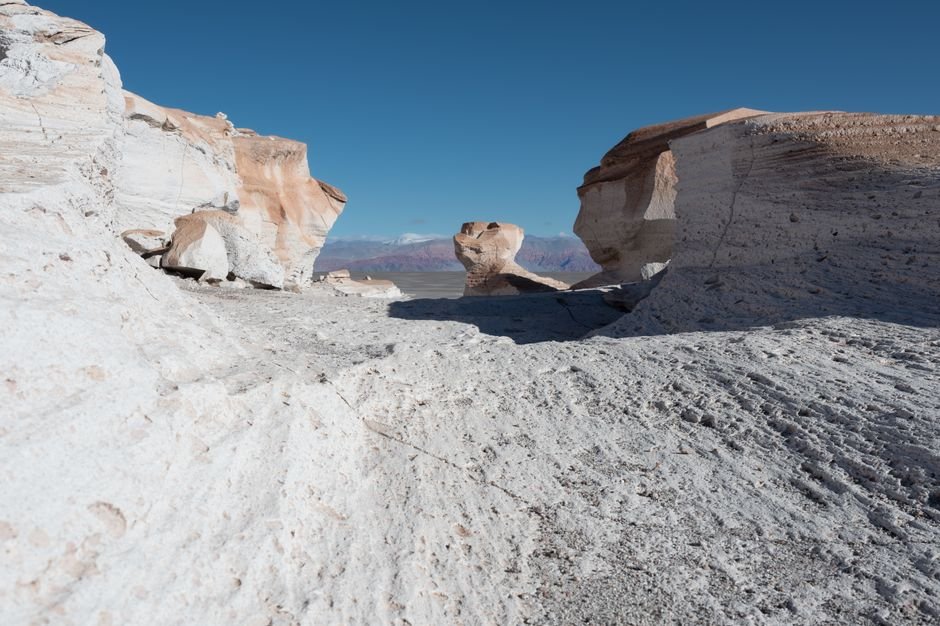
The Alabama Hills are a striking landscape of rounded rock formations and desert hills west of Lone Pine. They have appeared in many Western films, and the views toward the Sierra Nevada are a major reason visitors come here.
Drive slowly on unpaved roads, stay on established routes, and check current access information before visiting. The area is rugged, with limited shade and services, so bring water and sun protection. Find current information from the Bureau of Land Management’s Alabama Hills page.
Tip 2 – Visit the Museum of Western Film History
This small museum in town explores the films and television productions made in the Lone Pine area. Exhibits, posters, costumes, and local stories offer useful context before you visit the filming locations outside town.
Opening hours and admission details can change, so check the Museum of Western Film History website before you go. It is a good indoor option when the weather is too hot or windy for a long outdoor visit.
Tip 3 – Take the scenic drive toward Whitney Portal

The road from Lone Pine climbs toward Whitney Portal, a mountain trailhead area with big views and a cooler feel than the valley below. Even if you are not hiking, the drive is a scenic way to see the change from desert landscape to high country.
Road access can be affected by snow, storms, or maintenance. Check local conditions before driving, and do not assume every facility or service is open outside the main season.
Tip 4 – Learn about the Mount Whitney Trail
Mount Whitney is the highest summit in the contiguous United States, and the trailhead is reached via Whitney Portal. The hike is demanding, high-altitude, and long. It is not a casual walk, and summit access is managed through a permit system.
If you hope to hike, research the route, altitude risks, training needs, permit process, and weather well in advance. Do not start without suitable preparation, and remember that conditions can change quickly in the mountains.
Tip 5 – Visit the Manzanar National Historic Site
Manzanar, a short drive north of Lone Pine, preserves the history of the wartime incarceration of Japanese Americans. Exhibits and the site itself offer a thoughtful, sobering visit that adds important historical context to an Eastern Sierra road trip.
Allow time to read the displays and visit respectfully. Check current opening information and visitor guidance on the National Park Service Manzanar website.
Tip 6 – Stop at the Eastern Sierra Visitor Center
Make a stop at the visitor center near town to get regional information, maps, and updates before heading into the mountains or desert. Staff and posted notices can help you understand seasonal access and current conditions.
Use this stop to check your route, refill supplies if available, and ask about local closures. It is especially useful if you are unfamiliar with the long distances and changing elevations in this part of California.
Tip 7 – Take photographs in the Alabama Hills

The Alabama Hills are popular with photographers for their rock shapes, open desert, and mountain backdrop. Early and late daylight often gives the landscape softer color, while midday sun can create strong shadows and glare.
Bring water, protect your camera from dust, and avoid walking on fragile ground or disturbing wildlife. If you are taking a vehicle off paved roads, confirm that your chosen route is appropriate for your car.
Tip 8 – Walk around downtown Lone Pine
Take time to stroll along the main streets, browse local shops, and get a feel for this small Eastern Sierra community. Lone Pine is not a big shopping destination, but its relaxed pace and mountain-town setting make a pleasant break from driving.
Be considerate in local businesses and follow posted hours. Services can be limited compared with larger cities, so buy essentials before heading to remote trailheads or scenic areas.
Tip 9 – Spend time at Diaz Lake
Diaz Lake, south of town, is a convenient place to pause for a picnic or enjoy a view of the surrounding mountains. It can be a low-key option for travelers who want some fresh air without taking on a strenuous hike.
Check local rules and conditions before swimming, fishing, or using facilities. Bring shade and drinking water, and pack out your rubbish to help keep the area pleasant for everyone.
Tip 10 – See the Owens Lake landscape

South of Lone Pine, the Owens Lake area has a distinctive desert setting with wide-open views and a complex history of water use in the region. It is a place to appreciate the scale and stark beauty of the valley from appropriate public viewpoints.
Stay on roads and designated viewing areas, and avoid entering restricted or unstable ground. Wind and dust can affect visibility, so check the forecast and drive carefully.
Tip 11 – Try a short local walk
You do not need to plan a major summit hike to enjoy the outdoors around Lone Pine. Look for short, suitable walks near established recreation areas, and choose a route that matches your fitness, the weather, and the time you have.
Carry more water than you expect to need, wear sturdy shoes, and tell someone your plans if you are heading away from town. Trails can be exposed, and mobile phone coverage may be unreliable.
Tip 12 – Eat locally and keep your schedule flexible
Lone Pine has a small selection of casual restaurants, cafes, and places to pick up basic supplies. Dining choices may be fewer than in a large city, and opening hours can vary, especially during quieter periods.
Check hours on the day, carry snacks for longer drives, and avoid assuming that a late-night meal will be easy to find. If you are traveling with dietary needs, plan ahead and bring suitable backup food.
Tip 13 – Plan a night of stargazing

On a clear night, the area around Lone Pine can offer memorable views of the sky. Get away from bright lights only where access is permitted, and choose a safe place to stop rather than pulling over in an unsafe location.
Bring a warm layer, even after a hot day, and use a flashlight carefully so you can see without shining it at other people. Check cloud cover and moonlight if stargazing is a priority.
Tip 14 – Consider a family-friendly sightseeing day
Families can combine the film museum, a scenic drive, and a short picnic stop rather than trying to fit in a demanding hike. This mix gives children a chance to learn about local history and enjoy the landscape at a manageable pace.
Keep children close around roads, rocky terrain, and water. Take frequent breaks, carry snacks, and have a backup indoor or town-based activity in case of extreme heat or poor weather.
Tip 15 – Check the season before choosing a hike
Spring and fall can bring comfortable daytime temperatures, but mountain roads and trails may still have snow or closures. Summer can be very hot in the valley, while higher elevations may be cooler and exposed to changing conditions.
Check current forecasts and road reports on the day of travel. The Caltrans road information service is useful for checking California highway conditions, including routes used to reach the area.
Tip 16 – Use Lone Pine as a road-trip base
Lone Pine works well as a stop between destinations along Highway 395 or as a base for exploring nearby public lands. Build in realistic driving times, since mountain roads, weather, and fuel stops can make a short distance take longer than expected.
If you are comparing small-town stops for a different trip, this guide to 20 fun and best things to do in Tinley Park offers another community-focused itinerary idea.
Tip 17 – Book important activities early
Permit-controlled hikes and popular accommodation can require advance planning, especially during busy travel periods. Check official sources for current permit rules and make reservations only through trusted booking channels.
Keep confirmation details accessible offline, and have a backup plan in case weather or road conditions disrupt your schedule. Do not rely on last-minute availability for a high-demand hike.
Tip 18 – Pack for sun, altitude, and changing weather
Pack sun protection, a hat, sunglasses, layers, sturdy footwear, and plenty of water. The conditions in the valley can differ sharply from those at higher elevations, so dress for the activity and altitude rather than the town’s temperature alone.
A paper map or downloaded map is useful where reception is patchy. Keep a charged phone, a car charger, basic first-aid supplies, and extra water in your vehicle.
Tip 19 – Drive and hike with local safety in mind
Remote roads can have limited services, and phone coverage is not guaranteed. Fill the fuel tank when practical, share your plans, and avoid driving tired on long stretches of highway.
For emergencies in the United States, call 911. For non-emergency concerns, ask local authorities or visitor information staff for the appropriate contact. Never enter a closed road or trail, and take heat, altitude, and sudden weather changes seriously.
Tip 20 – Avoid the most common visitor mistake
The most common mistake is treating Lone Pine as a quick photo stop and underestimating the distances, weather, and preparation needed for nearby outdoor attractions. The Alabama Hills, Whitney Portal, and other regional sights are not all right beside one another, and some roads are unpaved or seasonal.
Plan fewer stops, check conditions, carry water, and allow extra time. You will have a more enjoyable visit if you leave room to slow down and take in the scenery.
Visa & Entry Requirements
Lone Pine is in California, United States. Entry rules for the United States depend on the traveler’s passport, travel purpose, and current government policy. There is no single visa rule that applies to every visitor, so check the official U.S. government guidance before booking or departure.
Confirm whether your passport requires a visitor visa or whether you may be eligible to travel under the Visa Waiver Program with an approved Electronic System for Travel Authorization (ESTA). ESTA is not a visa, and eligibility depends on factors including passport and travel history. Use the official U.S. Department of State visa information and official ESTA application website for current details. Avoid third-party sites that imitate government services.
Check your passport’s validity requirements and make sure it has any required blank pages. Rules can differ according to nationality and circumstances. Before traveling, also confirm whether you need a visa or travel authorization, what length of stay is allowed, and whether you should carry evidence of onward or return travel and accommodation plans.
Vaccination and health recommendations can change, so check current U.S. government guidance and consult a qualified health professional if you have questions about your situation. Consider travel insurance that covers medical care, trip interruptions, and outdoor activities relevant to your plans. Insurance is not an entry requirement for every traveler, but healthcare costs in the United States can be high.
Review customs rules before packing food, agricultural products, medication, or valuable goods. Declare items when required and answer border questions truthfully. Requirements may change, and admission is decided by U.S. authorities at the port of entry. For the final word on your case, check the current information from the U.S. government or the U.S. embassy or consulate serving your country. This is practical travel guidance, not legal advice or a guarantee of entry.
Frequently Asked Questions
What are the best things to do in lone pine ca for a first visit?
Start with the Alabama Hills and the Museum of Western Film History, then add a scenic drive toward Whitney Portal if conditions allow. Manzanar is a worthwhile nearby stop for visitors interested in American history.
How many days should I spend in Lone Pine?
One full day is enough for a few key sights, but two or more days allow time for a hike, a relaxed visit to the museum, and nearby attractions. Add extra time if you are planning a permit-controlled Mount Whitney hike.
Do I need a car in Lone Pine?
A car is the most practical way to explore Lone Pine and the surrounding area. Public transport options are limited, and many trailheads and scenic stops are spread out or reached by roads with limited services.
When is the best time to visit Lone Pine?
Spring and fall often offer pleasant conditions, but access varies with elevation and weather. Summer can be hot in town, while winter conditions may affect mountain roads. Check forecasts and road reports before traveling.
Can I hike Mount Whitney without a permit?
Mount Whitney day hikes and overnight trips are subject to permit requirements. Rules, application periods, and availability can change, so check the current official permit information well before your planned hike.
Is Lone Pine suitable for families?
Yes. Families can enjoy the film museum, scenic drives, picnics, and short walks. Plan around heat, carry water and snacks, and choose activities that suit each person’s experience and fitness.
What should I bring for things to do in lone pine ca?
Bring drinking water, sun protection, sturdy shoes, layers, snacks, a charged phone, and offline maps. For remote drives, keep extra water in the vehicle and check fuel and road conditions before setting out.
Conclusion
The best things to do in lone pine ca combine the town’s film history with the striking landscapes of the Alabama Hills and the Eastern Sierra. Add a visit to Manzanar, a relaxed meal in town, or a mountain drive to make the trip your own.
Plan for long distances, limited services, and changing conditions, especially if you are heading onto trails or unpaved roads. With a little preparation and a flexible schedule, Lone Pine is a memorable stop in California’s Eastern Sierra.
