
Why Lugano Captivates Travelers
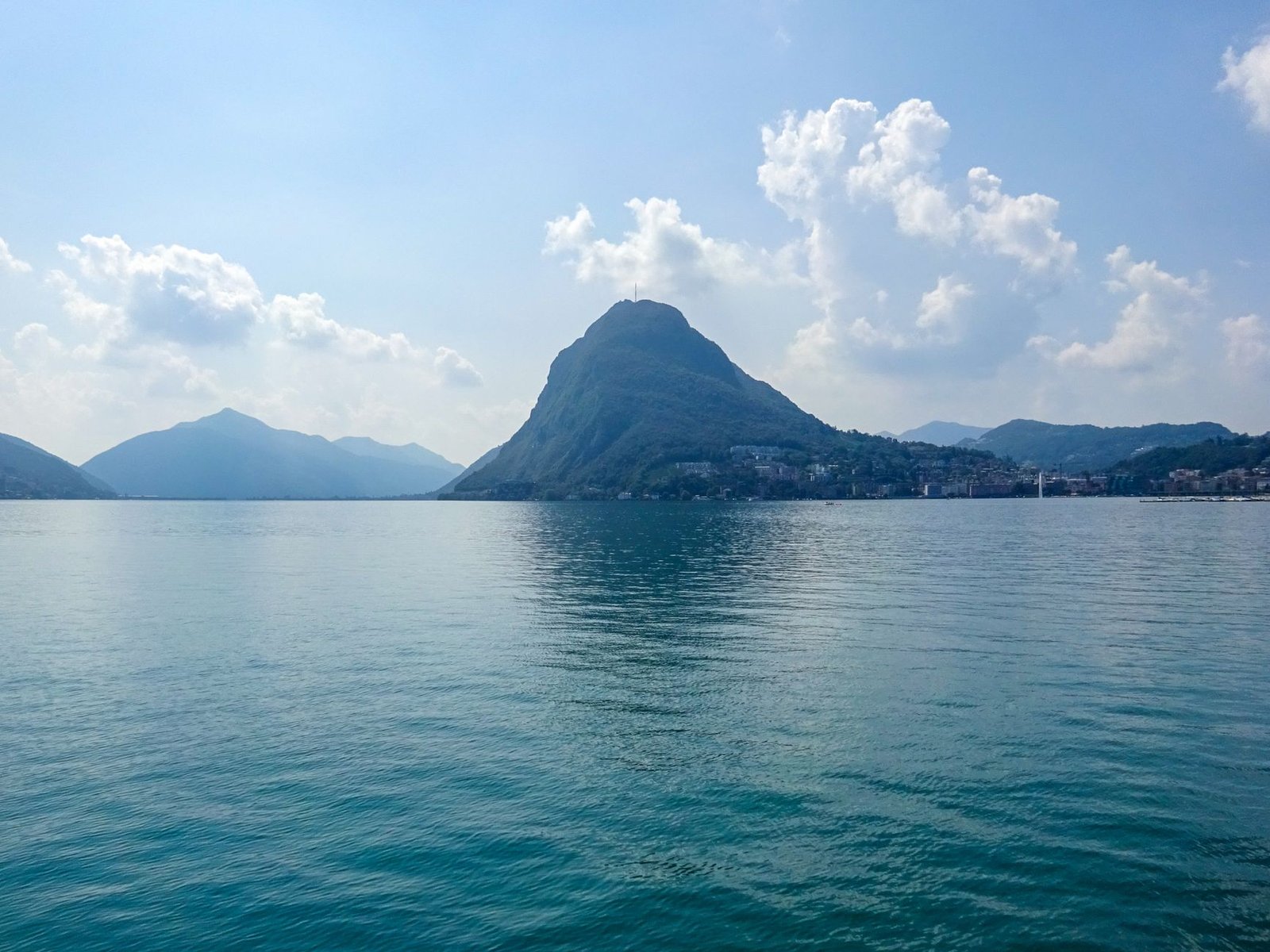
Lugano sits at the crossroads of Swiss precision and Mediterranean flair, cradled by the shimmering waters of Lake Lugano and framed by the gentle rise of the surrounding Alps. The city’s Italian‑speaking culture infuses every corner with a relaxed, sun‑kissed vibe that feels more like a lakeside Italian town than a typical Swiss destination. Yet, it retains the clean streets, efficient public transport, and safety standards that Switzerland is famous for. This unique blend makes Lugano a perfect base for travelers seeking scenic beauty, cultural depth, and a touch of indulgence without the crowds that swarm the more famous Alpine resorts.
Top Attractions You Can’t Miss
When planning a visit, start with the landmarks that define Lugano’s character. The lakefront promenade is a must‑see; a leisurely stroll offers panoramic views of the water against a backdrop of verdant hills, punctuated by elegant villas and public art installations. A short ride up the Monte Brè funicular transports you to one of the highest points overlooking the city, where the vista stretches from the lake to the distant Alpine peaks. On the opposite side, the Monte San Salvatore cable car delivers a dramatic perspective of the city’s skyline and the surrounding valleys.
For a cultural immersion, the Lugano Arte e Cultura (LAC) centre hosts an eclectic program of visual arts, music, and theater, housed in a striking modern building that sits beside the lake. Parco Ciani, the city’s largest public park, offers manicured gardens, historic statues, and shaded walkways that are perfect for a picnic on a sunny afternoon. Finally, the Swissminiatur outdoor museum in nearby Melide provides a charming miniature tour of Switzerland’s most famous sites, a playful way to appreciate the country’s architectural heritage.
Exploring Lugano’s Neighborhoods
Lugano’s compact size makes it easy to wander, but each quarter has its own personality. The historic centre, anchored by Piazza della Riforma, buzzes with cafés, boutique shops, and the iconic cathedral of San Lorenzo. Its cobblestone streets invite you to linger over gelato while people‑watching. To the north, the residential district of Carabbia offers a quieter, leafy atmosphere with small parks and a glimpse of local daily life away from the tourist trail.
The lakeside district of Gandria, accessed via a scenic boat ride, feels like a hidden village frozen in time. Its narrow alleys and stone houses overlook the lake, and the area is renowned for traditional fishing huts and the ancient Via delle Grotte, a footpath carved into the cliffs. The modern business quarter around Via Nassa showcases contemporary architecture and high‑end shopping, reflecting Lugano’s role as a financial hub.
Food & Drink: A Taste of Swiss‑Italian Fusion
Lugano’s culinary scene mirrors its cultural blend, offering everything from hearty Alpine fare to delicate Mediterranean dishes. Start your day with a croissant and a cappuccino at a café overlooking the lake; the espresso culture here is taken seriously, and the pastries are often made with a hint of local honey. For lunch, try a plate of risotto al pesce persico (perch risotto), a specialty that showcases the fresh fish from the lake, cooked with butter, onion, and a splash of white wine.
Polenta, a staple in the Ticino region, appears in many menus, often served creamy with melted cheese or as a crisp base for braised meat. Don’t miss the opportunity to sample a selection of local cheeses, such as Formaggella di Capra, which pairs beautifully with the region’s wines. Ticino is renowned for its Merlot and Pinot Noir, produced on the sun‑drenched slopes surrounding Lugano; many restaurants feature a wine list that highlights these local vineyards.
Finish your meal with a slice of torta di pane, a traditional bread cake soaked in milk and flavored with raisins and citrus zest. And, of course, a stroll through the city’s chocolate shops is essential—Swiss chocolate, crafted with the same care that defines the country’s watchmaking, is an indulgent souvenir you’ll want to bring home.
When to Visit: Seasons, Weather, and Festivals
Lugano enjoys a mild climate compared to the rest of Switzerland, thanks to its southern location and lake influence. Spring (April to June) brings blossoming gardens, especially in Parco Ciani, and comfortable temperatures for outdoor activities. Summer (July to September) sees the city come alive with festivals, open‑air concerts, and bustling lakeside promenades; the warm days are perfect for boat trips and swimming in designated spots of the lake.
Autumn (October to November) paints the surrounding hills in golden hues, and the vineyards begin their harvest, making it an excellent time for wine tasting tours. The cooler weather also means fewer crowds, allowing a more relaxed experience of the city’s attractions. Winter (December to February) is quieter but still pleasant, with the possibility of occasional snow on the surrounding peaks, creating a picturesque backdrop. Lugano’s International Film Festival in August and the Lugano Festival of Music in September are cultural highlights that draw both locals and visitors.
Getting Around: Public Transport and Walkability
Lugano’s public transportation network is efficient, reliable, and easy to navigate. The city’s bus system connects the main neighborhoods, the lakefront, and nearby villages like Morcote and Gandria. Tickets can be purchased at vending machines located at major bus stops, and the same tickets are valid on the regional train services that link Lugano to larger Swiss cities such as Zurich and to Italian destinations like Milan.
The funicular to Monte Brè and the cable car to Monte San Salvatore operate on a regular schedule and offer an affordable way to experience panoramic views without the need for a car. For those who prefer a more leisurely pace, Lugano is remarkably walkable; most of the main sights, parks, and shopping streets are within a comfortable strolling distance from each other. Bicycles are also a popular option, with several rental stations and dedicated bike lanes that follow the lake’s shoreline.
Budget‑Friendly Tips for the Savvy Traveler
While Switzerland is often associated with high costs, Lugano offers several ways to keep expenses in check without sacrificing the experience. First, take advantage of the free attractions: strolling along the lake, exploring Parco Ciani, and wandering the historic centre cost nothing and provide some of the most memorable moments. Many museums, including the LAC, have discounted admission days or free entry for younger visitors.
Consider purchasing a regional travel pass, which offers unlimited bus and train journeys within the canton and sometimes includes discounts for mountain excursions. Picnic meals are a great way to enjoy the local produce; markets such as the weekly Saturday market in Piazza Riforma sell fresh fruit, cheese, and bread at reasonable prices. Finally, opt for accommodations outside the immediate city centre—neighboring towns like Morcote or the surrounding countryside provide charming guesthouses and B&Bs that often include breakfast, adding value to your stay.
Day Trips: Extending Your Lugano Adventure
Lugano’s strategic location makes it an ideal hub for exploring the wider region. A short train ride north brings you to Bellinzona, renowned for its three medieval castles—UNESCO World Heritage sites that showcase the town’s historic fortifications. Southward, the Italian city of Como is easily reachable by boat across the lake; there, you can wander the historic centre, visit the impressive Cathedral of Como, and take a funicular to Brunate for sweeping lake views.
For a mountain experience, the Monte Generoso railway climbs to a summit that offers a 360‑degree panorama of the Alps and the Lombardy plains. The journey itself is an attraction, passing through lush forests and alpine meadows. The Vallemaggia valley, a short drive from Lugano, invites hikers to explore pristine waterfalls, traditional stone houses, and the dramatic gorge of the Maggia River. Each of these excursions can be completed in a day, allowing you to return to Lugano’s comforts each evening.
Practical Logistics: Visa, Currency, and Language
Switzerland is not part of the European Union, but it participates in the Schengen Area, meaning that most travelers from EU countries and many other nations can enter without a visa for short stays. Visitors from outside the Schengen zone should verify entry requirements well in advance and ensure their passports are valid for at least three months beyond the intended departure date.
The official currency is the Swiss franc (CHF). While credit cards are widely accepted, it’s useful to have a small amount of cash for markets or smaller establishments that may prefer cash transactions. Lugano’s official language is Italian, and most signs, menus, and public announcements are in Italian, though English is commonly understood in tourist areas and by service staff.
Internet connectivity is excellent; many cafés, hotels, and public spaces provide free Wi‑Fi. For travelers who need reliable mobile data, Swiss telecom providers offer short‑term prepaid SIM cards that can be purchased at the airport or in city shops.
Safety, Health, and Emergency Services
Lugano consistently ranks among the safest cities in Europe. Crime rates are low, and the city’s well‑lit streets and visible police presence contribute to a sense of security for both day and night activities. In case of medical needs, the city hosts modern healthcare facilities, including the public Hospital of Lugano, which provides emergency services in multiple languages. Pharmacies (farmacie) are readily identified by a green cross sign and are open extended hours, often offering over‑the‑counter remedies and basic first‑aid supplies.
For any emergencies, dial 112, the European universal emergency number, which connects you to police, fire, and medical services. It’s advisable to carry a copy of your travel insurance details and a list of emergency contacts, as Swiss medical care can be expensive for non‑residents.
Shopping: From Designer Boutiques to Local Crafts
Lugano’s shopping scene reflects its dual identity as a financial centre and a cultural crossroads. Via Nassa, the city’s main shopping artery, is lined with luxury boutiques, Swiss watch stores, and high‑end fashion retailers. For those seeking a more authentic souvenir, the local markets and small artisan shops offer handcrafted items such as wooden toys, silk scarves, and traditional Ticinese ceramics.
The weekly market in Piazza Riforma, held on Saturdays, is a lively place to browse fresh produce, regional cheeses, and homemade pastries. It’s also an opportunity to interact with locals and learn about the culinary traditions that define the region. Remember to look for products bearing the “Swiss Made” label, which guarantees quality and authenticity.
Nightlife and Evening Activities
When the sun sets, Lugano’s lakeside promenade transforms into a lively social hub. Outdoor terraces of bars and restaurants fill with locals enjoying aperitivo, a pre‑dinner tradition that includes small plates and a glass of wine or spritz. For a more upbeat atmosphere, the city’s clubs and music venues host a range of events, from live jazz sessions at intimate bars to electronic dance nights in larger clubs.
The Lugano Festival of Music, held during the early autumn months, offers an excellent opportunity to experience world‑class performances ranging from classical symphonies to contemporary ensembles, often set against the backdrop of historic venues. For a quieter evening, take a moonlit walk along the lake, where the reflection of the city lights creates a romantic ambience perfect for a nightcap.
Eco‑Friendly Travel: Sustainable Practices in Lugano
Lugano is increasingly embracing sustainable tourism. Public transportation, including buses, trains, and cable cars, runs on electricity, reducing the carbon footprint of visitors moving around the city. Many hotels have adopted green certifications, offering recycling programs, energy‑saving initiatives, and locally sourced food in their restaurants.
Travelers can contribute by using reusable water bottles—Lugano’s tap water is safe and of high quality—and by opting for walking or cycling when exploring the city centre. The lake itself is protected, and swimming areas are clearly marked to preserve the natural environment. Participating in guided nature walks, often led by local environmental groups, provides insight into the region’s flora, fauna, and conservation efforts.
Final Thoughts: Crafting Your Perfect Lugano Itinerary
Whether you’re drawn by the tranquil allure of Lake Lugano, the cultural richness of its museums, or the panoramic heights of its surrounding mountains, the city offers a balanced blend of relaxation and adventure. Start your mornings with a lakeside coffee, spend afternoons exploring historic neighborhoods and tasting regional delicacies, and reserve evenings for either a serene walk along the promenade or an engaging cultural event. By using the public transport network, embracing local food markets, and timing your visit to coincide with seasonal festivals, you’ll experience Lugano in a way that feels both authentic and rewarding.
With its safe streets, multilingual hospitality, and a variety of activities that cater to all budgets and interests, Lugano stands out as a hidden gem that rewards those who take the time to explore its many layers. Pack comfortable shoes, a light jacket for the mountain breezes, and an appetite for both natural beauty and culinary delights—you’ll leave with memories as vivid as the lake’s blue waters and as lasting as the mountain silhouettes that frame the city.
